REVIEW · CITYPASS & PASS
Chicago CityPASS®: Save up to 49% at 5 Top Attractions
Book on GetYourGuide →Operated by CityPASS · Bookable on GetYourGuide
Chicago is big on lines, so this pass is about speed. Chicago CityPASS® bundles top sights into one purchase, with mobile tickets and time-saving entry benefits at major attractions. You get an easy plan for a full stretch of 9 consecutive days, so you are not forced into a rushed, day-by-day checklist.
Two things I especially like: the included pair of Shedd Aquarium and Skydeck Chicago, and the flexibility to pick your other favorite stops (art, science, planetarium, museum time, or an architecture river tour). One thing to watch: some experiences may require reservations, and certain add-ons at skyline decks can cost extra or sell out—so if there is one view-based must-do, plan around it.
In This Review
- Key points before you buy
- Price and value: what $142 covers in real terms
- How to use Chicago CityPASS at the attractions
- Shedd Aquarium: all-access plus the 4-D factor
- Skydeck Chicago and the skyline: expedited entry and timing
- Choose 3 more: building your Chicago mix
- Architecture River Tour: a great first-time Chicago overview
- Field Museum: big museum time with included access
- 360 CHICAGO Observation Deck: a second skyline with its own rules
- Art Institute of Chicago: pace it, or you will lose the plot
- Adler Planetarium: museum + shows, a good family rhythm
- Griffin Museum of Science and Industry: hands-on science with timed entry
- The best way to schedule your 9-day window
- Fast entry perks: what you are actually buying
- Common snag points (and how to avoid them)
- QR code and ticket visibility
- Reservations confusion
- Skyline add-ons not included
- Time limits at skyline decks
- Is this pass worth it for your trip style?
- Should you book Chicago CityPASS for Chicago?
- FAQ
- How long is Chicago CityPASS valid?
- What’s included in Chicago CityPASS?
- Which attractions are included or available to choose from?
- Do I need to make reservations?
- How do I use the ticket at the attractions?
- Is transportation included with the pass?
- Is food or drink included?
Key points before you buy
- 9 consecutive days to use your tickets after first activation, with plenty of breathing room
- Mobile (or printed) ticket entry at the attractions, so you can keep it simple
- Shedd Aquarium all-access, including Animal Spotlights and a seasonal Stingray Touch plus a 4-D Experience (availability varies)
- Skydeck Chicago expedited entry, which can help when Willis Tower area lines are long
- Choose 3 more from major Chicago institutions: Field Museum, 360 CHICAGO, Art Institute, Adler Planetarium, Science and Industry, or the Architecture River Tour
- Fast entry is not the same as everything being included, so check any timed-entry shows and possible extra-cost add-ons
Price and value: what $142 covers in real terms

At $142 per person with up to 49% savings, Chicago CityPASS is built for travelers who want two things at once: major attractions at a predictable price, and less time stuck waiting. The smart part is not just the discount—it is that you are buying a bundle of Chicago classics that many visitors end up trying to fit into a tight schedule anyway.
You do want to be honest about value. This pass becomes a great deal when you actually use most of what it covers and when you care about skipping long lines or smooth entry. If you are only going to hit one or two of these stops, you will probably feel like you overpaid. If you are planning a first trip, a family trip, or a “greatest hits” run, this pass is easier to justify because it gives structure without locking you into a single day.
Also note the “when to start” rule: you have one year from purchase to begin using the tickets, and then once you start, the clock runs for 9 consecutive days. That matters if you are traveling in spring or summer, because it lets you match the pass with your best weather window or the days you are least tired.
You can also read our reviews of more tours and experiences in Chicago.



How to use Chicago CityPASS at the attractions

Using CityPASS is meant to be straightforward: at each included attraction, you proceed to the entry point and present your ticket on a mobile device (or print it off). Tickets are for one-time admission at most locations, so you are not trying to “hop back in” later the same day.
Here is the practical way I’d approach it: take a screenshot of your tickets and keep them easy to reach. Some people run into QR-code friction, especially when phone screens are dim, the signal is weak, or staff needs the exact screen showing. If your ticket is already visible and readable before you get to the front, you reduce stress fast.
You should also assume that reservations may be required at certain attractions. The pass tells you to visit the provider site if you need to make reservations. Even if you do not enjoy booking, this is worth handling early—because it can save you from standing around with tickets in hand but no entry slot.
Shedd Aquarium: all-access plus the 4-D factor

Shedd Aquarium is the included anchor for this pass, and it comes with a lot of what families and animal-lovers usually want. With the CityPASS entry, you get all-access admission, including exhibits plus Animal Spotlights and the Stingray Touch when it is available seasonally. On top of that, you also get a 4-D Experience (but it is subject to availability).
What you can expect day-of: plan for a slower pace here. Aquariums reward wandering, not sprinting. You will also want to check what 4-D show times are running when you arrive, because that affects how long you stay and when you should do your other exhibits.
One extra detail from real visitor experiences: people often say the aquarium feels especially fun if you can catch the 4-D show theme that is running that day, and the variety of animal programming makes it feel more than a single hallway of tanks. If you are traveling with kids, this is a strong pick because Shedd is built for repeat interest—there is always something happening, and the Animal Spotlights give you natural breaks in the flow.
Potential drawback: Shedd is popular. CityPASS helps with entry, but the aquarium still has crowds like any big attraction. If your group moves slowly, give yourself buffer time for stairs, lines for specific areas, and just the normal “look, look, look” effect.
Skydeck Chicago and the skyline: expedited entry and timing

The second fixed stop is Skydeck Chicago, which includes expedited entry and a fast pass style of admission. Skydeck is the no-brainer skyline moment for most visitors to Chicago, and it is especially useful when the weather is cooperating and you want iconic views without fighting for every minute.
A useful tip: at the Willis Tower area, you may be asked to select your entry time before you arrive. That detail can make your day smoother. If you wait until you are already nearby, you might find yourself pushed into a later slot.
Also, think about time of day. People often recommend doing your skyline stop near sunset because you get light changes: bright city views, then the shift into evening glow. If you only pick one skyline moment, sunset is often the “best bang” for the time you spend in line or in the elevator.
Potential drawback: the skyline world is full of add-ons. For example, the Tilt option at 360 CHICAGO is not included in the pass, and visitors have reported it can sell out. Even if you are going to Skydeck through CityPASS, you should treat any extra skyline trick as something you might need to pay for and/or plan for separately.
Choose 3 more: building your Chicago mix

The CityPASS flexibility is the real reason many people love it. After Shedd and Skydeck are set, you pick 3 additional attractions from a menu of top institutions. Here is how to think about each option so you choose with your group’s style in mind.






Architecture River Tour: a great first-time Chicago overview
If you want Chicago to feel like a city, not just a set of buildings, the Shoreline Sightseeing Architecture River Tour is a smart pick. It pairs well with the rest of CityPASS because it gives you context for what you are seeing from above later. One reason people rank this so highly is simple: it turns “I see skyscrapers” into “I understand how the city developed.”
Good fit if you:
- want an easy-going activity that helps you orient
- have a mix of ages and energy levels
Watch-outs:
- it still depends on scheduling and timing, so it is best to plan it early in your trip window if you can
Field Museum: big museum time with included access
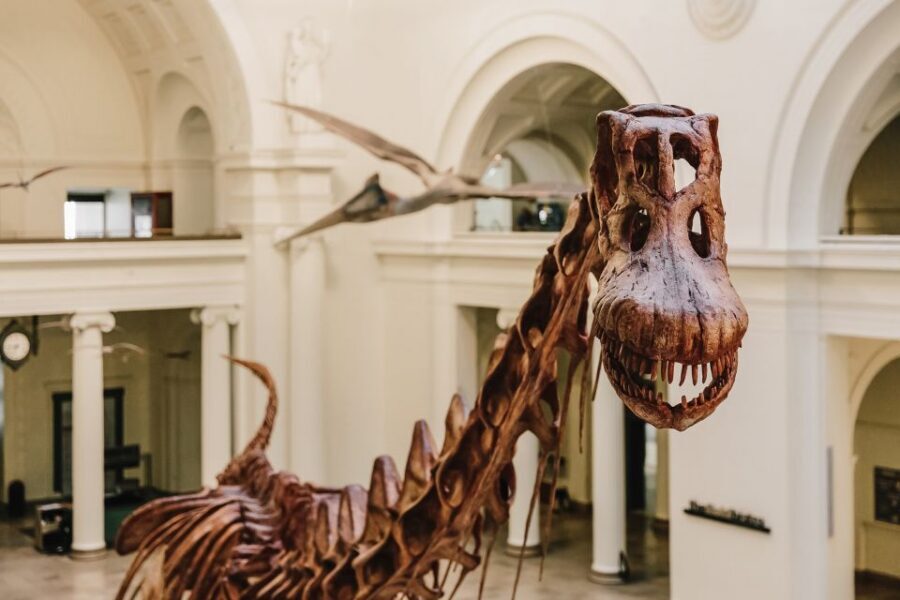
The Field Museum option includes an All-Access Pass, covering admission to permanent exhibits and regularly priced ticketed exhibitions. It also covers “specially ticketed exhibitions” only in some cases, with the note that extras outside the All-Access Pass may cost more.
If you like museums where you can spend hours without feeling like you are moving too fast, Field is a strong option. It is also a natural match for families who want learning without feeling like it is just reading labels.
Possible consideration: if your group is very schedule-driven, you might want to reserve it for one of your earlier days when you have energy for a longer museum block.
360 CHICAGO Observation Deck: a second skyline with its own rules
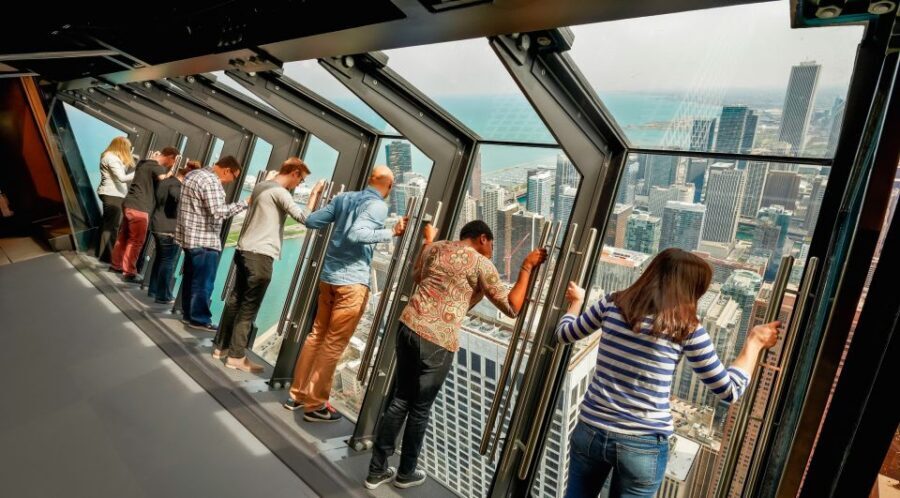
Picking 360 CHICAGO gives you another major viewpoint. The CityPASS benefit here is Fast Pass Entry Admission, which is the same idea as Skydeck—less time waiting, more time looking.
You should know one practical thing: add-on experiences like Tilt are separate and not included, and it can become a disappointment if it sells out. So if Tilt is your top priority, treat it like a separate plan, not a guaranteed bonus.
Also, some people wished they understood how long they could stay. If you are deciding between another museum and a second skyline, you will want to plan for pacing. A second viewpoint is fun, but you want to time it so you still enjoy your whole day.
Art Institute of Chicago: pace it, or you will lose the plot
The Art Institute of Chicago option includes Fast Pass Admission to the permanent collection and non-ticketed special exhibitions. That means you can get into major areas without buying extra entry for every subsection.
This is great if your group likes art that ranges from famous to surprising. The trick is to be choosy. Even with fast entry, the museum is huge; trying to see everything can turn it into a checklist.
If you are balancing it with science or aquariums, plan art as one focused block rather than a quick walk-through.
Adler Planetarium: museum + shows, a good family rhythm
The Adler Planetarium option includes museum entry plus two Sky Shows. It also includes exhibitions featuring Adler’s world-class collections, plus experiences like Community Design Labs, Space Visualization Lab, and Doane Observatory experiences.
This can be a perfect “energy reset” within a museum-heavy itinerary. If you have kids (or just love a good show), the planetarium structure helps you avoid getting museum-fatigued because the day naturally alternates between exhibits and scheduled presentations.
A consideration: because Sky Shows are time-based, you will want to fit this into your schedule carefully so you are not juggling too many timed elements in one day.
Griffin Museum of Science and Industry: hands-on science with timed entry
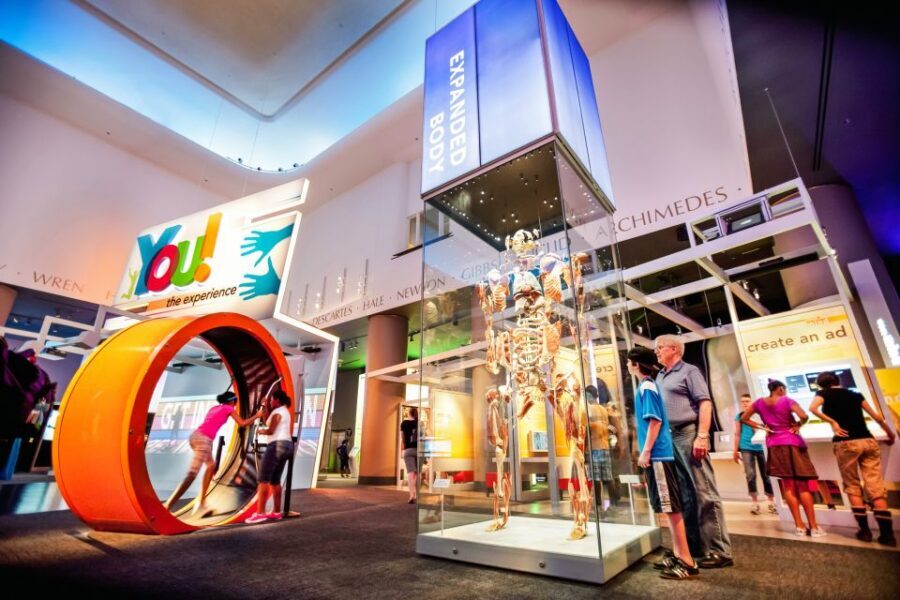
The Griffin Museum of Science and Industry entry includes a set of featured areas such as Science Storms, Numbers in Nature: a Mirror Maze, YOU! The Experience, The Blue Paradox, and more. It also includes one timed-entry experience, either the Giant Dome Theater film or Motion Ride.
This option is especially valuable if you want a more interactive museum day. The timed component is a plus if you like structure; it can be a problem if your group hates being told when to be somewhere.
If you pick this, consider it the “anchor museum” for the day, and build other activities around it.
The best way to schedule your 9-day window
Because your pass is valid for 9 consecutive days, you should treat it like a buffet. You do not need to cram all five attractions into two days just to feel like you used it.
Here’s a scheduling approach that usually works:
- Start with the attraction that most needs timing (often skyline add-ons, planetarium shows, or timed exhibits).
- Put the big, slow ones (Shedd aquarium, Field Museum, Science and Industry) earlier in the trip when everyone is less tired.
- Use the architecture tour as a connector day. It helps your brain “map” the city before you look at it from above.
Also, travel time matters. You are jumping between neighborhoods along a lakefront-heavy route, and Chicago is not always quick to cross, especially during busy traffic hours. So give yourself a little buffer between “high-demand” attractions and you will enjoy the day more.
Fast entry perks: what you are actually buying

The central benefit that people rave about—based on real usage patterns—is not magic. It is simple: faster entry. That means less waiting at ticket counters and fewer delays when entry lines are long.
This is why the CityPASS often feels like it pays off most during peak periods. If you are visiting around a big event weekend, you can end up spending more time in line than you expected. Expedited entry and fast pass style admission helps you protect your time.
One practical note: fast entry does not remove everything. Some places still manage crowd flow, and others may still require reservations for certain experiences. So think of CityPASS as “smoother access,” not “no rules.”
Common snag points (and how to avoid them)

I like CityPASS for reducing planning, but I also respect the real-world friction points that can spoil a day.
QR code and ticket visibility
If you struggle to use QR codes at the door, the fix is preparation: keep the ticket screen ready, and if you can, have a printed copy as a backup. This removes phone glitches from the equation.
Reservations confusion
The pass tells you that reservations may be required and that you should use the provider website. The best move is to check before your first attraction day rather than at the last minute.
Skyline add-ons not included
Tilt at 360 CHICAGO is not part of the CityPASS package and has been reported to cost extra and can sell out. If Tilt is your must-do, you should plan for that separately and not assume you can simply buy it on the spot.
Time limits at skyline decks
Some visitors say it would help to know how long they are allowed to stay. You can reduce the risk by planning your day around the skyline moment rather than trying to squeeze in a long museum sprint right after.
Is this pass worth it for your trip style?
This is a strong fit if:
- You are a first-time Chicago visitor and want major sights without building a spreadsheet
- You want to reduce line time, especially at busy attractions
- You have a group with different interests (animal time for some, art/science for others)
- You like options and want to spread attractions across multiple days
It may be less ideal if:
- You only want a couple of these attractions
- You are extremely flexible and would rather just buy tickets day-of based on mood (CityPASS can feel like a commitment)
- Your dream itinerary depends on specific add-ons being included automatically (some add-ons are separate)
Also, if you are considering a second skyline viewpoint, remember that extra experiences like Tilt are not automatically included, and planning matters.
Should you book Chicago CityPASS for Chicago?
If your goal is a straightforward, high-value sampler of Chicago’s biggest cultural and family attractions, Chicago CityPASS is easy to recommend. The combination of Shedd Aquarium, Skydeck Chicago, and your choice of major museums or the Architecture River Tour gives you a balanced mix that works for lots of ages.
I’d book it if you want:
- predictable savings on top sights
- less time in lines thanks to fast entry
- a 9-day window that lets you breathe
I would hesitate only if your trip depends on an add-on view experience being included or if you dread any reservation or timed-entry planning at all. If that describes you, you can still do these attractions—but CityPASS is most satisfying when you treat it like a plan, not a suggestion.
FAQ
How long is Chicago CityPASS valid?
Your CityPASS tickets are valid for 9 consecutive days starting on the date of first activation. You also have one year from the purchase date to start using the tickets before the order expires.
What’s included in Chicago CityPASS?
Chicago CityPASS includes admission to 5 attractions total. It includes Shedd Aquarium and Skydeck Chicago, plus you choose 3 additional attractions from the listed options.
Which attractions are included or available to choose from?
Shedd Aquarium and Skydeck Chicago are included. You then choose 3 from: Shoreline Sightseeing Architecture River Tour, Field Museum, 360 CHICAGO Observation Deck, Griffin Museum of Science and Industry, Art Institute of Chicago, and Adler Planetarium.
Do I need to make reservations?
Reservations may be required at some attractions. The guidance is to visit the activity provider’s website to make reservations if needed and to access ticket details.
How do I use the ticket at the attractions?
Go to the entry point for the attraction and present your CityPASS on a mobile device (or print it off). Tickets are generally for one-time admission.
Is transportation included with the pass?
No. Transportation is not included.
Is food or drink included?
No. Food and drink are not included.