REVIEW · ARCHITECTURE RIVER CRUISE
Chicago Architecture Center River Cruise aboard First Lady
Book on Viator →Operated by Chicago Architecture Foundation & Chicago's First Lady Cruises · Bookable on Viator
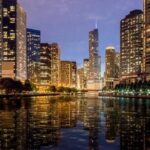
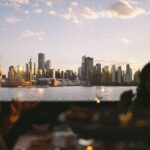
Chicago’s skyline hits different from the river. This Chicago Architecture Center cruise aboard the First Lady gives you a fast, guided way to understand the city’s buildings as you float past them. I like the live docent commentary because it turns skyline spotting into real context, and I also like the heated lower level for cold or windy days when the open air deck is too much.
One thing to plan around: seating is general admission and boarding is first come, first serve, plus there’s no elevator access to the dock. If you’re a late arriver, you might end up standing where you can still hear—but photos and views can be less ideal.
In This Review
- Key Things That Make This Cruise Worth Your Time
- Why a First Lady River Cruise Is the Easiest Way to Read Chicago
- Price and Value: Is $57 a Good Deal for 90 Minutes?
- Meeting Spot at 112 E Wacker Dr: Arrive Early and You’ll Feel Fine
- Onboard Comfort: Top-Deck Views vs. the Warm Lower Level
- The River Stops: How the Cruise Teaches You to Spot Meaning
- Chicago River: The Changing Waterway Behind the Skyline
- Navy Pier: Adaptive Reuse and a Waterfront Comeback
- Marina City: Bertrand Goldberg’s Middle-Class Urban Experiment
- Trump International Hotel & Tower: Shape That Fits Its Surroundings
- A Modernist Landmark on the River: Ludwig Mies van der Rohe
- 150 North Riverside: Architecture and Engineering in One Frame
- Boeing International Headquarters at 100 N Riverside Plaza
- Willis Tower (Formerly Sears Tower): When Size Meant Everything
- Chicago Mercantile Exchange Building and the Trading-Era River
- Chicago Tribune Freedom Center: Media, Memory, and Urban Identity
- Landmarks I’d Prioritize if You Only Want the Best Views
- Who This Cruise Is Best For (And When It Might Not Fit)
- Should You Book the Chicago Architecture Center River Cruise on First Lady?
- FAQ
- Where does the Chicago Architecture Center River Cruise depart from?
- What’s the duration of the cruise?
- What’s included in the ticket?
- Can I buy drinks or light snacks on board?
- Is WiFi available on the boat?
- Is seating assigned?
- Are restrooms available during the cruise?
- Can I bring luggage or store it near the dock?
- Do the cruises run in bad weather?
Key Things That Make This Cruise Worth Your Time
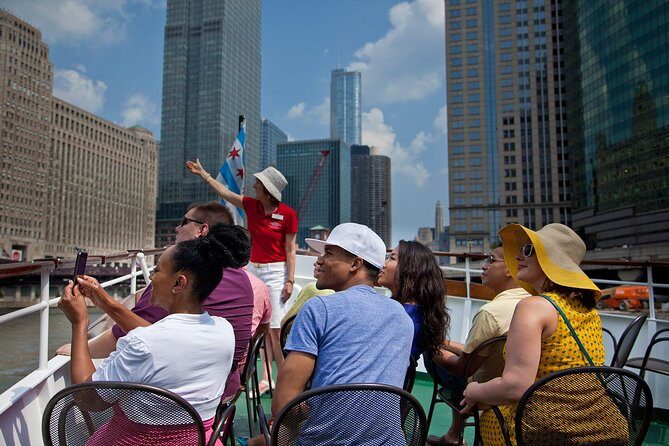
- Docent-led architecture storytelling that connects buildings to the river and the city around them
- Comfort that keeps you viewing with a climate-controlled lower deck and big windows
- A tight 90 minutes that covers major landmarks without wasting your day in lines
- Great orientation for first-timers, especially if you plan to explore neighborhoods next
- Prime skyline angles for spotting Marina City, Navy Pier, and the big downtown towers
- An onboard bar for a drink break when the weather turns (or just to match the vibe)
Why a First Lady River Cruise Is the Easiest Way to Read Chicago
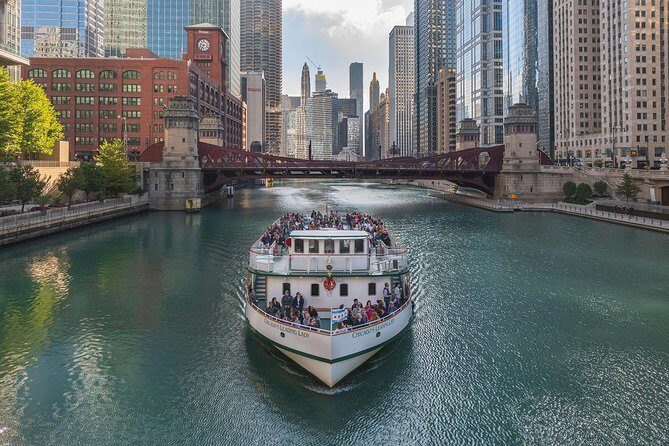
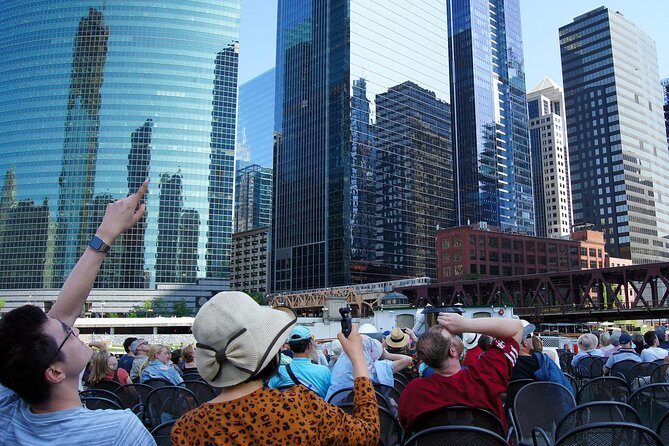
If Chicago is a love story, the river is the plot. This cruise is built for people who want to see a lot fast and still come away feeling like they understood what they saw. The route focuses on the most recognizable architectural players along the Chicago River corridor, so you’re not hunting for meaning—you’re getting it handed to you as you go.
I especially like the way the commentary connects form and function. You don’t just hear that a tower is tall or modern; you hear why it exists there, what it was meant to do, and how it changed the area’s identity. That’s the difference between looking at photos later and remembering what you learned while you were actually on the water.
Also, the format works. At about 1 hour 30 minutes, you get a full “orientation lesson” without turning it into a half-day commitment. It’s a good fit for trips where you’re trying to balance architecture, food, and neighborhoods.
You can also read our reviews of more boat tours in Chicago
Price and Value: Is $57 a Good Deal for 90 Minutes?
At $57 per person, you’re paying for three things: access to the boat, live interpretation, and the convenience of boarding right from the Chicago Riverwalk. Compared with paying for multiple separate museum tickets or doing architecture “on your own” with no guidance, the value comes from speed and understanding.
Here’s how I think about it. If you’re the type who likes to know what you’re looking at, the docent turns the cruise into an education you can carry into the rest of your Chicago days. One guest experience point that shows up in feedback is how quickly the time passes when the guide is engaging and organized. That matters, because 90 minutes can feel short—or just long enough to get bored—depending on how the tour is run.
There’s also a small extra value lever: the Chicago Architecture Center office is directly across Wacker Drive from the First Lady docks, and there’s discounted admission of $5 per person if you show your river cruise ticket. It’s not required, but it’s a nice add-on if you want more depth after you’ve seen the river from the boat.
Meeting Spot at 112 E Wacker Dr: Arrive Early and You’ll Feel Fine
Your meeting point is at 112 E Wacker Dr, Chicago. You’re boarding directly from the Riverwalk area tied to the First Lady docks, so you’re not dealing with bus transfers or a complicated route through the city.
The biggest practical tip is timing. You’ll want to arrive about 30 minutes early. This isn’t just to be polite; boarding happens on a first come, first serve basis, and there’s a dock setup with stairs. If you show up right at the start window, you can still make it—but you’ll have less control over where you sit.
If you’re using parking, the nearest garage listed is LAZ Parking Garage at 111 E Wacker Dr, across the street from the stairway to the dock. It’s helpful if you’re coming from outside the Loop and want a simple plan.
Onboard Comfort: Top-Deck Views vs. the Warm Lower Level
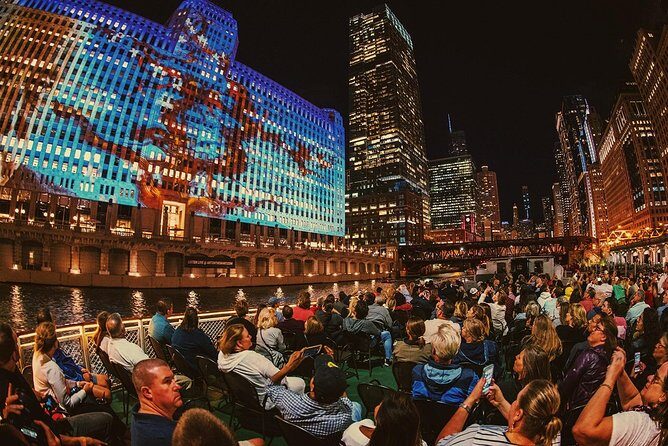
This cruise has two levels: an open-air top deck and an enclosed climate-controlled lower level. That design is smart for Chicago, where the weather can switch moods fast. You can take photos up top, then slide down when wind or chill gets annoying.
You’ll also find restrooms onboard, but they close about 15 minutes before the end for safety reasons. Plan your timing if you’re bringing kids or if you’re someone who likes to wander and stretch during sightseeing.
A few more onboard notes that affect your experience:
- There’s no WiFi on board, so don’t plan on streaming or uploading during the cruise.
- You can buy drinks and light snacks, and there’s a full bar.
- Seating is general admission, so if you care about being near a window or staying outside for more of the route, you’ll want to get positioned early.
And yes, it operates in all weather conditions. You’ll still go rain or shine, so dress for the day you get, not the day you hoped for.
The River Stops: How the Cruise Teaches You to Spot Meaning
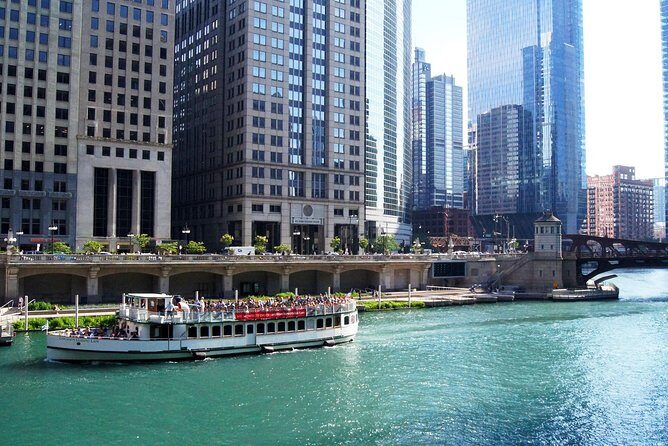
The stops are paced for a river-flow story: industry and transportation, then reinvention and recreation, and finally the architecture you recognize today. As you move along, the docent ties landmarks together so they feel like parts of one evolving city system instead of isolated “cool buildings.”

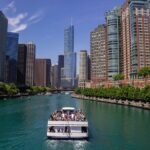
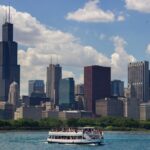
Chicago River: The Changing Waterway Behind the Skyline
The tour starts with the Chicago River itself and the idea that the river’s story keeps unfolding. You’re not just looking at architecture here—you’re learning why the river mattered for moving goods, fueling growth, and later supporting a more recreation-forward Chicago.
The key takeaway is perspective. Once you understand the river’s role, the buildings feel less random. You can start to see patterns like where development clustered, how waterfront activity shaped design, and why certain areas became redevelopment magnets.
Watch for: bridges and river bends as reference points. The commentary often ties what you see to how the city’s movement evolved.
Navy Pier: Adaptive Reuse and a Waterfront Comeback
When you pass Navy Pier, you get a clear example of adaptive reuse—the idea that older or industrial infrastructure can be reworked for a new civic purpose. It’s one of Chicago’s most visible entertainment destinations, but the story is bigger than rides and views.
This stop works well if you like when a tour connects architecture to real-life urban decisions. It’s not just “here is something pretty.” It’s “here is how the waterfront reinvented itself.”
Expect to notice: changes in the riverfront rhythm—how activity and sightlines shift as you approach Navy Pier.
Marina City: Bertrand Goldberg’s Middle-Class Urban Experiment
Marina City is a standout because it’s tied to a real urban experiment. When architect Bertrand Goldberg envisioned it, the goal was to pull middle-class Chicagoans back toward the city after more than a decade of suburban migration.
This is the kind of detail that makes the buildings more than a photo. You get to see a design choice as an argument about where people should live and how downtown should function.
Photo note: The towers are a natural draw from the water, and the river angle helps you grasp their scale.
Trump International Hotel & Tower: Shape That Fits Its Surroundings
The cruise also addresses how Trump International Hotel & Tower relates to what’s around it. The point isn’t only the shiny glass and steel look; it’s the way the building’s presence is interpreted in the context of the nearby environment.
This stop is a good reminder that architecture lives in conversation with the city, not in isolation. Even if you personally don’t love every design, you can understand the intention and placement.
A Modernist Landmark on the River: Ludwig Mies van der Rohe
You’ll see a powerful modernist structure associated with Ludwig Mies van der Rohe. The tour highlights it as one of the last American projects by this architect, which gives you a sense of why the building is a big deal in architectural terms.
Mies’s name matters for anyone who’s spent time comparing modernist principles—this is the chance to connect those ideas to an actual riverfront form you can see and photograph.
150 North Riverside: Architecture and Engineering in One Frame
You’ll also pass 150 North Riverside, called out for its engineering and the way it looks to break expectations. The cruise frames it as part of Chicago’s architectural and engineering “wonder” category.
What I like about this kind of stop is that it reinforces the Chicago identity: big forms here often come from how structures work, not just how they look.
Boeing International Headquarters at 100 N Riverside Plaza
As you continue, the cruise points out Boeing International Headquarters at 100 N Riverside Plaza. This matters because it shows how major corporate offices sit along the river, turning the waterfront into a working corridor—not only a scenic one.
Even if you don’t care about business buildings, it’s a useful “why it’s here” moment.
Willis Tower (Formerly Sears Tower): When Size Meant Everything
Willis Tower is one of the most famous skyline anchors, and the tour gives you the context of when it used to be the tallest building in the world. It also points out its earlier identity as the Sears Tower.
Then it moves beyond height: the cruise references how size mattered in the Midwest, including the fact that upon completion in 1930 it was the largest building in the world and served as Marshall Field’s wholesale warehouse for retailers to buy stock. That is a powerful shift in how you see the same space across time.
Chicago Mercantile Exchange Building and the Trading-Era River
Next, you’ll view the Chicago Mercantile Exchange Building on Wacker Drive. This helps you understand the river as a corridor tied to commerce and finance, not just city glamour.
If you like architecture with a job to do, this stop makes the skyline feel more grounded.
Chicago Tribune Freedom Center: Media, Memory, and Urban Identity
The cruise route includes the Chicago Tribune Freedom Center, which adds a cultural and civic layer. This is the moment where the architecture story connects to the idea of public institutions and what a city chooses to memorialize.
Even from the river, it’s a reminder that not every significant building is a tower—some are built to represent values.
Landmarks I’d Prioritize if You Only Want the Best Views
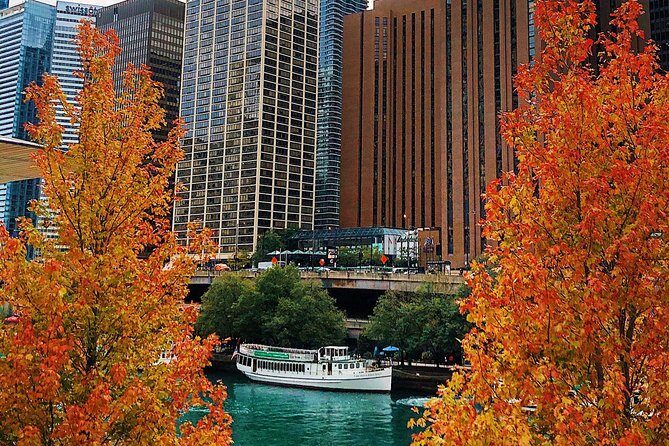
If your brain is already on photo mode, here’s what I’d target first because they’re emphasized and easy to spot from the river angle:
- Marina City towers for that iconic, architectural silhouette
- Navy Pier for a strong change in waterfront energy
- Willis Tower for skyline recognition and big historical context
- Modernist riverfront forms tied to Mies van der Rohe for design-minded sightseeing
- Tribune Freedom Center for the civic stop that rounds out the skyline
The cruise is also timed to give you a “walk away with a mental map” feeling. When you later move around the Loop on foot or by transit, the buildings feel less like isolated stops and more like a connected system.
And a practical tip from colder-weather logic: the shade can make it feel chilly even when the sun is out. The climate-controlled lower deck helps you keep your comfort while still getting windows views. If you’re planning a short Chicago trip, this matters.
Who This Cruise Is Best For (And When It Might Not Fit)
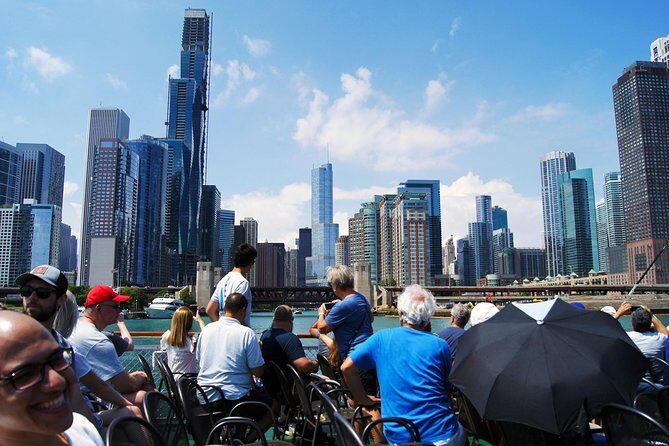
This is one of those “high payoff” activities for a wide range of travelers.
You’ll love it if:
- You want a short, guided orientation to Chicago’s architecture on day 1
- You like learning what you’re seeing and want the skyline to make sense
- You’re traveling with someone who appreciates history but doesn’t want a long museum day
- You want a comfort-friendly option with a warm lower deck and restrooms onboard
It may be less ideal if:
- You’re bringing kids under 12. The tour says it’s not recommended for children younger than 12 years, and the experience requires adult accompaniment for children.
- You need a guaranteed seat location or step-free access. There’s no elevator access to the dock, and boarding is first come, first serve.
Should You Book the Chicago Architecture Center River Cruise on First Lady?
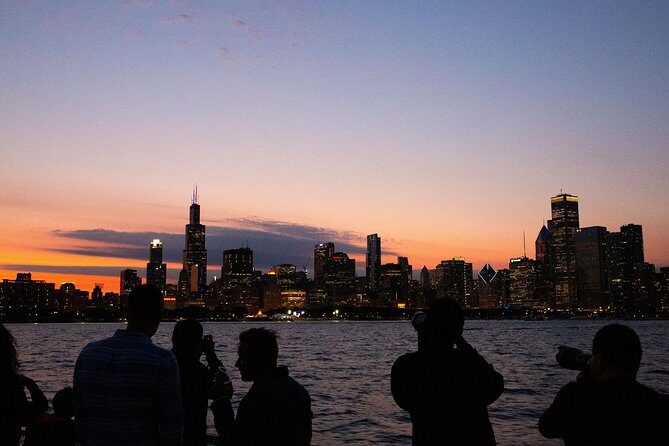
If you’re trying to get Chicago architecture into a tight schedule, I’d book it. For the $57 price, you get a rare mix: a riverfront route with major landmarks, live interpretation from docents, and onboard comfort that makes the outing realistic even when the weather isn’t cooperating.
My main “think twice” moments are practical: show up early so you can grab the best seat for your preferences, and don’t plan to bring luggage. Also, keep expectations aligned with the format—this is a skyline cruise, not a deep architectural museum with interior access.
If you want one activity that helps you see the rest of the city with better eyes, this is a strong choice.
FAQ
Where does the Chicago Architecture Center River Cruise depart from?
The cruise departs from the scenic dockside along Chicago’s Riverwalk, near the northeast corner of Michigan Ave. and Wacker Dr, with the meeting point listed at 112 E Wacker Dr.
What’s the duration of the cruise?
The cruise is about 1 hour 30 minutes.
What’s included in the ticket?
You get live commentary on board, local guidance from docents, the river sightseeing cruise, restrooms on board, and a climate-controlled lower level.
Can I buy drinks or light snacks on board?
Yes. A full bar is available onboard, and drinks and light snacks can be purchased.
Is WiFi available on the boat?
No, WiFi is not available on board.
Is seating assigned?
No. Seating is general admission and boarding is first come, first serve.
Are restrooms available during the cruise?
Yes. Restrooms are onboard, but they close 15 minutes before the end of the tour.
Can I bring luggage or store it near the dock?
No. There is no luggage storage, and luggage cannot be brought on board. Leave it at your hotel.
Do the cruises run in bad weather?
Yes. The cruise operates in all weather conditions, including rain or shine, with both an open-air top deck and an enclosed, climate-controlled lower deck.