REVIEW · HISTORICAL TOURS
Explore the Historic Old Post Office in Chicago
Book on Viator →Operated by Chicago Architecture Center · Bookable on Viator
Chicago’s Old Post Office still feels alive, even in a modern office setting. I love walking into the Main Lobby and seeing Chicago’s early 20th-century design work up close, not in a photo. One heads-up: no photography is allowed inside.
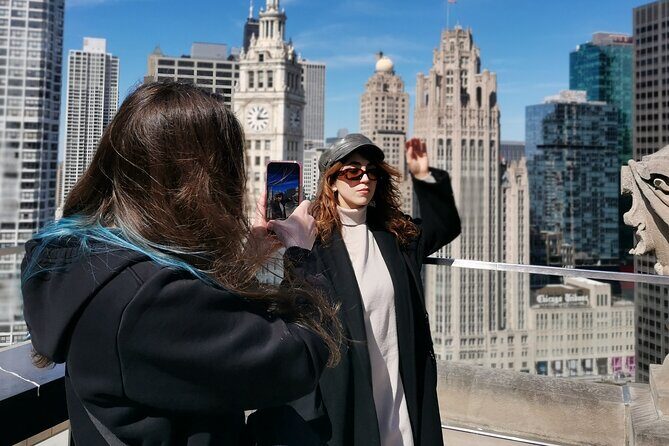
My second favorite part is going up to the 3.5-acre rooftop park and catching a rare view of the building’s transformation from mail-processing space to today’s working city. The tour is led by a certified Chicago Architecture Center docent, and guides like Alice, Lorie, and John use maps and old photos to make the before-and-after changes click fast.
In This Review
- Key things to know before you go
- The Old Post Office’s biggest magic trick: old mail building, new purpose
- Entering the building: what the interior tour focuses on
- The signature stops: Main Lobby, zig-zag wall, and postcard wall
- Rooftop meadow: the view break that makes the tour worth it
- Price and time: value for $15 and a tight schedule
- Logistics that matter in the real world
- Who will enjoy this most (and who might not)
- Tips to get the most out of a 90-minute architecture visit
- Should you book the Chicago Architecture Center Old Post Office tour?
- FAQ
- How long is the Old Post Office tour?
- What does the tour cost?
- Where do I meet for the tour, and when does it start?
- Is the tour guided?
- Will I get a ticket on my phone?
- Can I take photos during the tour?
- Are pets allowed?
- Do you visit the rooftop garden?
- What if I need to cancel?
Key things to know before you go

- Main Lobby + signature interior walls: you’ll spot the zig-zag wall and the postcard wall during the walkthrough
- Adaptive reuse, explained in plain terms: you’ll connect the building’s past job to its new role as a modern office/event space
- Rooftop meadow time: the roof became a rooftop park, and it’s a major highlight of the tour
- Small group (max 21): easier listening and better chances to see details clearly
- Photography is not allowed: plan to take notes instead of hoping for phone pics
The Old Post Office’s biggest magic trick: old mail building, new purpose
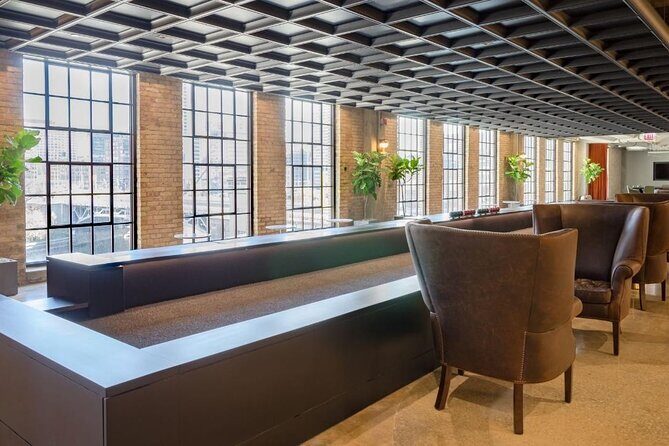
The Old Post Office in Chicago is one of those buildings that proves a city can keep its past without freezing in time. Completed in 1934, this huge 2.8 million square foot structure didn’t just sit there—when it went vacant for almost two decades, it looked like those architectural details might quietly fade away.
Then came the renovation, and the building didn’t just get a facelift. It was adapted into a modern Class A office and multi-use space with lots of light-filled working areas. What I like about this tour is that it helps you see the logic behind the redesign. You’re not just admiring pretty rooms. You’re learning how old structures can be reused in ways that still meet today’s needs.
That makes the tour feel more useful than a typical “look at the building” stop. I walked away understanding why the conversion matters: historic architecture keeps its identity, and the city avoids throwing away a massive structure that already exists.
You can also read our reviews of more historical tours in Chicago



Entering the building: what the interior tour focuses on
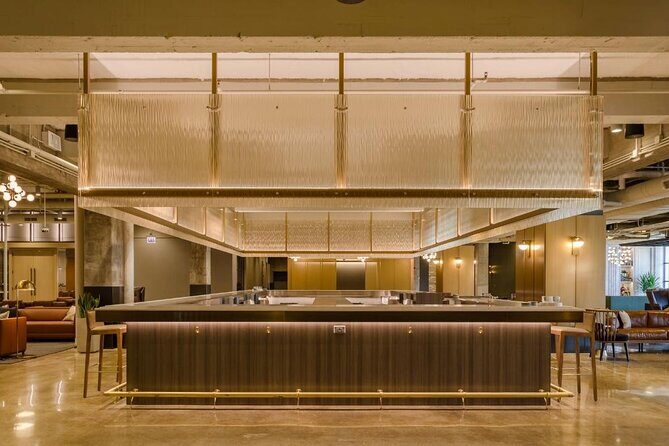
You start at 433 W Van Buren St, and the tour runs about 1 hour 30 minutes. It’s a guided walk through key public and work-adjacent areas, with a docent from the Chicago Architecture Center leading the story.
The interior stops are intentionally chosen. Instead of a random scan of rooms, you focus on design elements that explain how the building functions and how it was reworked. You’ll get time in the Main Lobby, and that space is the right place to begin. Lobbies are where architecture shows off—height, materials, and sightlines—and this one sets a tone that feels both historic and newly polished.
From there, the tour points you toward several signature features, including:
- the zig-zag wall
- the postcard wall
- and other preserved details that help connect the building’s original postal purpose to its new life
Even if architecture isn’t your hobby, the tour makes these features understandable. The zig-zag wall and postcard wall aren’t just names on a map; they’re tied to the way the building was designed and then how those elements were treated during renovation.
A nice bonus from the experience is that you’ll often get very specific “look closer” guidance. In the same spirit, guides highlight small-but-smart details like vent covers—simple things that can look ordinary at first glance, until someone points out what makes them interesting.
The signature stops: Main Lobby, zig-zag wall, and postcard wall
Here’s why these three areas matter on this tour.
Main Lobby
This is where the building’s scale and craftsmanship hit you. It’s also where adaptive reuse becomes real. Renovation can be invisible if it only adds modern paint and glass. In the Old Post Office, the work respects the original architecture while giving the space a new rhythm for a modern building. Seeing it in person helps you understand why the restoration is considered successful: you’re looking at old character plus new functionality.
Zig-zag wall
The tour doesn’t treat this as a decorative oddity. It’s presented as a design element with a purpose in the building’s original postal workflow, and you also get context for how the feature fits into the renovated layout. If you like practical architecture—structures that make sense—I think you’ll enjoy the way the docent connects shape to function.
Postcard wall
This is the kind of feature that sounds like a gimmick until you stand in front of it. The tour frames it as a historic detail tied to the building’s former identity. The effect today is a conversation between eras: what used to be part of a mail system is now part of the building’s modern visitor experience.
Across these stops, you’re also learning what adaptive reuse really means. It’s not “we kept the old building and removed everything.” It’s more like: you keep the bones, you update what needs updating, and you bring historic details back into daily life.
Rooftop meadow: the view break that makes the tour worth it
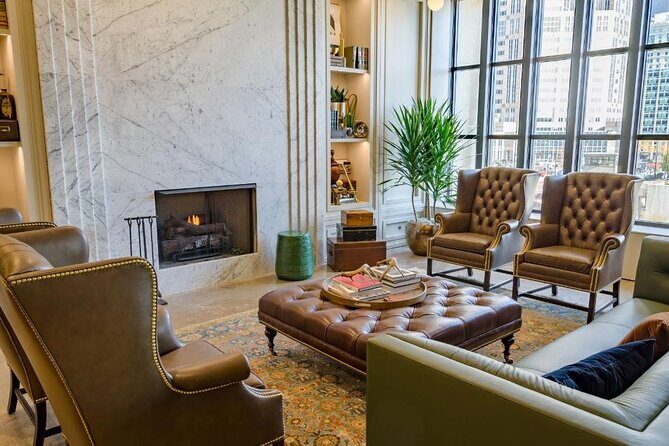
If you only went for the interior, you’d still be in for something special. But the tour’s rooftop time is what turns it into a full experience.
You’ll see the rooftop meadow, part of a 3.5-acre urban rooftop park created on the roof. For me, this is where the story becomes emotional. The building’s original life was all about delivering messages through a city. The rooftop park flips that idea in a new direction: now the roof helps people gather, breathe, and look out.
On a good day, it’s also the best place to appreciate the scale of Chicago. You can look around and realize this building isn’t just “old.” It’s massive, and it’s still active in the city’s everyday story.
The rooftop also supports the renovation’s big promise: modern, light-filled workspaces and thoughtful public space are not opposites. They can be planned together, and the rooftop park is a very visible example of that.
Price and time: value for $15 and a tight schedule
At $15.00 per person, this tour is priced like a practical architecture add-on—not a luxury museum experience. For what you get (a docent-led walkthrough, multiple interior signature stops, and rooftop access), I think it’s strong value.
The timing works well, too. It runs about 1 hour 30 minutes, with a start time of 11:00 am and it ends back at the meeting point. That makes it easy to plug into a day in the Loop without wrecking your schedule.
One planning note: it’s often booked about 30 days in advance on average. If you’re traveling during a busy season or on a weekend, I’d treat that as a hint to reserve early. This isn’t a “show up and hope” kind of activity.






Logistics that matter in the real world
This is an active commercial space, so expect the tour route to be flexible. Building management can alter the itinerary without much notice. That’s normal for a place that’s both working office space and event space.
A few rules affect how you should prepare:
- Photography is not allowed, so plan to take notes and look closely instead of relying on phone pictures.
- No coat check is listed, and there’s no storage for luggage or strollers. If you’re traveling with bags or using a stroller, plan on keeping items with you during the walk.
- Food and drink aren’t included, so if you need a snack, bring it on your own or plan nearby options before/after.
- The group is capped at 21 travelers, which helps the pace, but you should still expect a guided walk rather than a wandering museum stroll.
On the plus side, it’s near public transportation, and the tour duration is short enough that most people can handle it.
And for pets: pets are not allowed, while service animals are allowed.
Who will enjoy this most (and who might not)
This is a great fit if you like architecture that has a real job today—not just “historic walls for photos.” You’ll enjoy it even more if you care about how cities reuse buildings responsibly, because the tour connects the renovation to the idea of adaptive reuse.
You’ll also like it if you enjoy practical detail. The tour format puts you in front of specific features—Main Lobby, zig-zag wall, postcard wall—then explains what they mean, rather than turning everything into vague generalities.
If you’re the type who only wants a rooftop view and could care less about interior design, you might find the story-heavy walkthrough takes some patience. Still, the rooftop meadow is the kind of payoff that helps.
Tips to get the most out of a 90-minute architecture visit
A few small choices can make the biggest difference here:
- Bring a notebook or note app mindset. Since no photography is allowed, writing down names and questions is smart.
- If you’re curious about specific details, save your questions for when the docent pauses. With a small group, you can often ask follow-ups.
- Dress for rooftop time. Even if Chicago is cooperating, rooftop air can change fast.
- Keep your schedule tight. You’ve got a compact run time, and the tour ends back at the meeting point, so it’s easy to plan dinner or another stop nearby.
Should you book the Chicago Architecture Center Old Post Office tour?
I think it’s a yes if you want a guided, design-focused look at a major Chicago building—plus rooftop access—without paying museum-level prices. At $15, the combination of docent-led explanation, interior signature features like the zig-zag wall and postcard wall, and the rooftop meadow visit is excellent value.
Book it if you enjoy architecture and adaptive reuse. Skip it if you need lots of free time to roam or you mainly want photo opportunities, since photography isn’t allowed and the experience is structured.
If you’re in Chicago for a short stay, this is also the kind of stop that helps you understand the city’s design choices beyond postcard landmarks.
FAQ
How long is the Old Post Office tour?
The tour lasts about 1 hour 30 minutes.
What does the tour cost?
It costs $15.00 per person.
Where do I meet for the tour, and when does it start?
You meet at 433 W Van Buren St, Chicago, IL 60607, and the start time is 11:00 am.
Is the tour guided?
Yes. It’s a tour of the Old Post Office led by a certified Chicago Architecture Center docent.
Will I get a ticket on my phone?
Yes. The tour uses a mobile ticket.
Can I take photos during the tour?
No. Photography is not allowed.
Are pets allowed?
Pets are not allowed. Service animals are allowed.
Do you visit the rooftop garden?
Yes. The tour includes the rooftop meadow.
What if I need to cancel?
You can cancel for a full refund if you cancel up to 24 hours in advance of the experience start time. If you cancel less than 24 hours before, the amount paid is not refunded.