REVIEW · FIELD MUSEUM
Field Museum of Natural History All-Access Pass
Book on Viator →Operated by Field Museum - Chicago · Bookable on Viator
The Field Museum is a full-day kind of big. With the All-Access Pass, you can pick an entry time, stay as long as you want, and hit major halls from dinosaurs to ancient Egypt without wrestling with separate tickets. Two things I really like are the chance to join free docent-led tours and the straightforward value of access to all ticketed exhibitions. One heads-up: the museum is huge, so you can easily lose track of time and still miss things.
You’ll also appreciate the practical setup. The pass is timed to your schedule, and the museum opens 9:00 AM–5:00 PM with a last general admission entry at 4:00 PM and last special exhibition entry at 3:30 PM—which helps you plan a realistic visit. If you’re expecting lots of hands-on play all day, temper that with this: some areas are mostly viewing, so going in with a plan (and maybe focusing on your top 2-3 themes) will make your time feel better.
One small detail matters at check-in: you’ll want to keep whatever confirmation/printout you’re given handy because exchange and verification points can be a bit strict. And don’t forget the 3D movie is not included, so if that’s on your must-see list, you’ll need to pay extra and reserve your slot by arriving early between 9:00 AM and 12:00 PM.
In This Review
- Key Highlights to Plan For
- Field Museum All-Access Pass: What You’re Really Paying For
- Picking the Right Visit Window (and Why It Matters)
- Check-In Reality: Vouchers, Lines, and Keeping Track
- Dinosaur Hall and SUE: The Smart Start for Big-Interest Days
- Inside Ancient Egypt and the Hall of Gems: When Art Meets Science
- Underground Adventure and Ancient Americas: Great Add-Ons If You Want More Than Labels
- Hall of Jades and the Big Collection Feel
- The Free Docent-Led Tours: How to Use Them Without Losing Time
- Dining and the Lakefront Setting: A View Break Is Part of the Plan
- What Might Not Match Your Expectations
- Who This All-Access Pass Is Best For
- Should You Book the Field Museum All-Access Pass?
- FAQ
- How long can I visit with the All-Access Pass?
- What’s included in the Field Museum All-Access Pass?
- Is the 3D movie included?
- What time does the museum open, and when is the last entry?
- Do I need to bring anything for check-in?
- Is this near public transportation and accessible for everyone?
Key Highlights to Plan For
- SUE, the famous T. rex: a top draw and a great place to start if you’re anchoring your visit around dinosaurs
- Docent-led tours are free daily: they’re a smart way to turn signs into actual stories
- Egypt + gems + ancient Americas in one visit: major themed halls that cover art, archaeology, and natural history
- A “pick your time” strategy: choose an entry time and match your visit length to your energy level
- The 3D movie costs extra: reserve early if you want it during your day
- Small group size: the experience is capped at 15 travelers, so it feels more manageable than big-bus chaos
Field Museum All-Access Pass: What You’re Really Paying For

This pass is built for one clear goal: letting you spend real time in the Field Museum without doing extra ticket math. For $41 per person, you’re buying admission that includes access to ticketed exhibitions, plus free daily docent-led tours. The 3D theater is the one regular add-on—if you want it, you’ll pay separately.
In plain terms, this is a good fit if you want flexibility. You can pick an entry time and decide how long you can handle being indoors surrounded by exhibits (spoiler: it’s usually longer than you think). Multiple reviews point out that the museum takes hours and that you may not see everything in one go, which is exactly why a pass that doesn’t force you into a tight agenda feels worth it.
Value check: if you’re the type who likes to sample big themes—dinosaurs, Egypt, and world cultures—this pass keeps you from getting nickel-and-dimed at the door. But if you only want a couple of specific halls, you might find the extra cost doesn’t change your experience much.
You can also read our reviews of more historical tours in Chicago



Picking the Right Visit Window (and Why It Matters)
The museum runs 9:00 AM–5:00 PM, and time cutoffs are real. Last general admission entry is 4:00 PM, and last special exhibition entry is 3:30 PM, so your last-hour stroll may be limited by what’s still open for timed entry.
The pass supports staying anywhere from about 1 to 8 hours. For many people, that means you can structure your visit like this:
- If you’ve got a half-day, focus on dinosaurs + one big culture hall.
- If you want a calmer pace, plan on most of the day and use docent tours to fill in context.
Also, if the 3D movie is part of your plan, the museum specifically recommends arriving early between 9:00 AM and 12:00 PM to reserve a time. That’s a rare case where arriving earlier can directly save you from scrambling.
Check-In Reality: Vouchers, Lines, and Keeping Track
Even though this is an “all-access” experience, check-in still involves steps. One common pattern: you may need to wait to exchange a voucher for your actual pass, and the paper you receive is easy to misplace because the details can be small.
Here’s what I’d do: keep your confirmation/printout together in one spot and don’t toss it until you’re fully done. One review notes they asked for an order number from the printout at multiple points, so treat it like your ticket—because it effectively is.
If you’re hoping for a guided feel, don’t assume a guide will automatically be assigned to you. One couple mentioned they opted for a guide but weren’t assigned to one, so they advised asking early. If you want that docent context, get your bearings fast and make sure you know where to join the free docent-led tour schedule inside the museum.
Dinosaur Hall and SUE: The Smart Start for Big-Interest Days
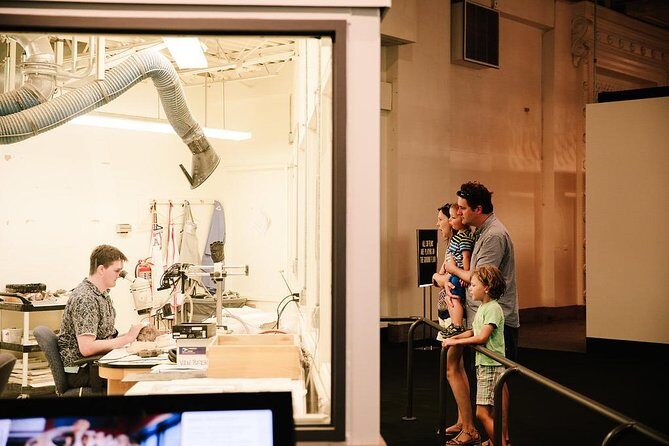
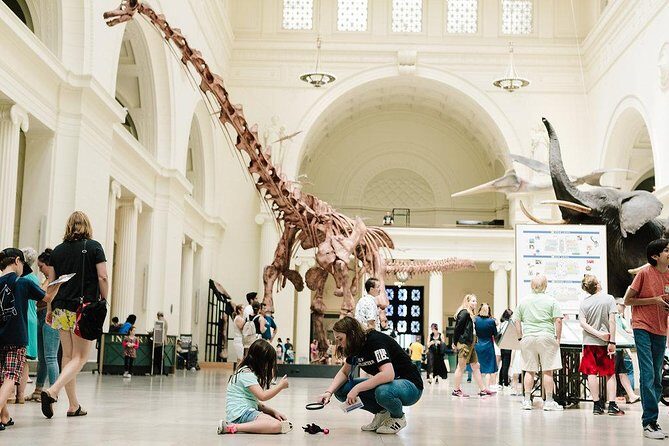
If you come for dinosaurs, this is the heart of the building. The Field Museum highlights SUE, the most complete T. rex, and it anchors the dinosaur experience in a way that’s hard to replicate elsewhere. Expect lots of “walk-through and stare” time here because the dinosaur exhibits are both visually impressive and emotionally satisfying—especially if you’re traveling with kids.
The renovated Dinosaur Hall: Evolving Planet is where you’ll see not only dinosaurs, but also other prehistoric animals like giant sloths and woolly mammoths. One review specifically praised a dinosaur exhibit tour led by a docent named John, describing his insight as a standout.
A practical tip: if you’re going in with limited time, start with dinosaurs first. That way you’re not saving the main event for 4:30 PM, when your energy (and your remaining open-entry options) might be fading.
Inside Ancient Egypt and the Hall of Gems: When Art Meets Science
Egypt is one of the Field Museum’s strongest “wow + meaning” combinations. In Inside Ancient Egypt, you can see 23 Egyptian mummies and 5,000-year-old hieroglyphics. That pairing matters because it turns the display from a single artifact stop into a bigger story about how people recorded, preserved, and remembered.
Then there’s the Hall of Gems, a major modern addition. If you like objects with craft and technique behind them, the gems area helps you slow down—because it’s easier to linger when you’re not just looking for a single headline animal or artifact.
If you’re splitting your day between “natural history” and “human history,” this is a strong bridge. It lets you keep the museum feeling varied rather than switching genres so abruptly that the day turns into exhibit hopping.
You can also read our reviews of more museum experiences in Chicago






Underground Adventure and Ancient Americas: Great Add-Ons If You Want More Than Labels
Not every hall will land equally for every person. That’s normal in a museum this big.
Still, two areas often deserve extra time if they match your interests:
- Underground Adventure, where you “shrink” to 1/100th of your natural size to explore a subterranean world. This can be a fun anchor for families and kids who like the idea of changing scale.
- Ancient Americas, covering 13,000 years—from ice-age mammoth hunters to the temples of the Incas and Aztecs.
One review singled out the reptile exhibit as worth it, while saying that two other themed areas (insects underground and after dinosaurs) weren’t worth the time unless you had a specific interest. So if your priorities are already clear, use Underground Adventure as a choice point: it’s more likely to feel fun than optional.
Hall of Jades and the Big Collection Feel
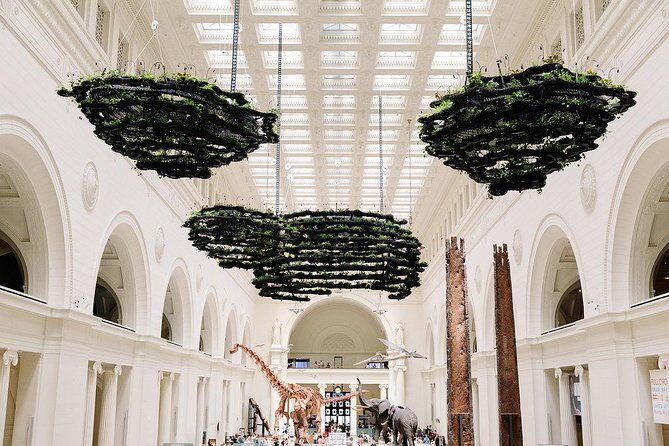
If you enjoy craftsmanship, materials, and cultural art objects, you’ll likely appreciate the museum’s Hall of Jades. The museum notes it has one of the largest collections of Chinese jade in North America, which is the kind of detail that tells you this isn’t just a few display cases—it’s a sustained collection.
This is also where the “mostly viewing” nature of the museum becomes an asset. If you’re happy to stand still and look closely, you’ll get more out of halls like this than you would in a place built around constant hands-on activities.
If you’re traveling with someone who prefers visual displays over experiments, this jade hall can help balance the dinosaur-heavy schedule.
The Free Docent-Led Tours: How to Use Them Without Losing Time
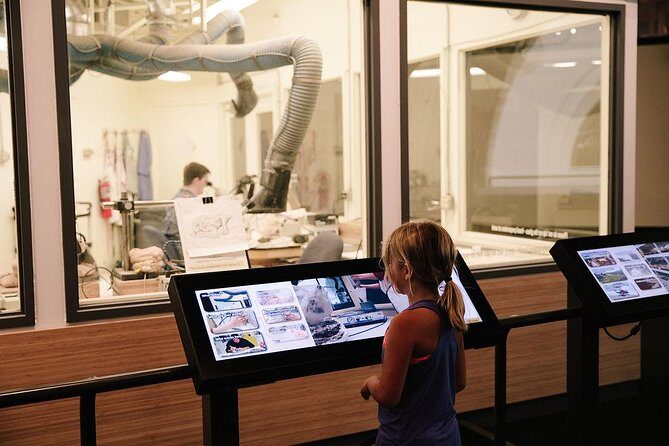
The pass includes free daily docent-led tours. That’s not a tiny perk. Docents tend to point out connections you’d miss if you only follow your own reading pace.
Here’s how to make docent time pay off:
- Pick one main tour to anchor your morning.
- Use the rest of the day to wander into halls that match what the docent got you thinking about.
One family review emphasized that a docent tour made a huge difference, calling the docent extremely knowledgeable and highlighting how the guide also shared context about other exhibits. That’s the best-case scenario, but even if your group’s focus differs, the structure helps you avoid the feeling of “I’m walking in circles just to see more cases.”
Also, if you want to ensure you join a tour, don’t wait. Ask early once you’re inside so you don’t waste time tracking down schedules.
Dining and the Lakefront Setting: A View Break Is Part of the Plan
The Field Museum is on Chicago’s Museum Campus, and it comes with something people rarely account for: a setting. You can get views of Lake Michigan and the downtown skyline from the campus area, and the museum itself has dining facilities plus performance opportunities.
About food: the on-site bistro/café is convenient, but it’s also easy to overpay if you’re hungry and wandering. One review called out that the food is priced over what you might expect. Another said it’s not fancy but family-friendly and relatively reasonable for Chicago.
So here’s the practical approach: decide early whether you’ll eat at the museum or bring a plan. If you’re staying most of the day, I’d treat meals as a scheduled break, not an impulse stop—because walking and then searching for a seat can turn into lost time.
What Might Not Match Your Expectations
A few things are worth knowing so the day feels satisfying, not annoying.
First, the museum is big enough that even four hours may feel incomplete. Multiple reviews mentioned needing most of the day, and one suggested you could easily spend up to 6+ hours if you want to see a lot without rushing. If you’re sensitive to long indoor walking, plan rest breaks and don’t try to “cover everything.”
Second, some exhibits are mostly viewing. One review described it as basic museum quality with not a lot of interactive stuff, largely for looking. That doesn’t make it bad—it just means your mindset matters. If you want frequent hands-on stops, you may need to be selective about which halls you prioritize.
Third, the 3D movie is extra and subject to availability. If you really want it, treat it as a timed commitment. Reserve early, and plan around it so it doesn’t steal time from the exhibits you care about most.
Who This All-Access Pass Is Best For
This pass fits best when at least one of these is true:
- You’re visiting Chicago for the first time and want a high-impact, “I can’t miss this” museum day.
- You travel with kids, teens, or anyone who gets excited by dinosaurs (SUE is a strong magnet).
- You’re interested in mixing natural history with ancient civilizations like Egypt and the ancient Americas.
- You want to reduce planning stress by securing admission that includes ticketed exhibitions.
It may be less perfect if you’re a minimalist. If you only care about one theme—say dinosaurs only—and you’re happy with a shorter visit, you could spend less by choosing fewer sections. But if your “museum day” brain wants options, the pass helps you keep the freedom to pivot when you see something you didn’t plan to love.
Should You Book the Field Museum All-Access Pass?
Yes—most people should. The biggest reason is not that the museum is famous. It’s that the pass gives you access + flexibility plus free docent-led tours, which makes it easier to build a day that feels intentional without locking you into a rigid route.
Book it if you like the idea of covering big categories—dinosaurs, Egypt, and major cultural or scientific exhibits—and if you’re okay spending a lot of time inside. If you’re the kind of traveler who wants one quick hit and out, reconsider and scale down your plan to match how long you truly want to walk and stand.
If you go, I’d start with SUE and the Dinosaur Hall, then pick one of the culture-heavy anchors (Egypt or Ancient Americas). Use a docent tour as your context guide, and keep your voucher/printout details organized so check-in doesn’t steal your momentum.
FAQ
How long can I visit with the All-Access Pass?
The experience is listed as lasting about 1 to 8 hours, and you can pick an entry time and decide how long to stay.
What’s included in the Field Museum All-Access Pass?
It includes admission to the museum and access to all ticketed exhibitions, along with free daily docent-led tours.
Is the 3D movie included?
No. The 3D theater movie is an extra charge and depends on availability. The museum recommends arriving early between 9:00 AM and 12:00 PM to reserve a time.
What time does the museum open, and when is the last entry?
The museum is open 9:00 AM to 5:00 PM. Last general admission entry is at 4:00 PM, and last special exhibition entry is at 3:30 PM.
Do I need to bring anything for check-in?
You’ll receive confirmation at booking time. Reviews mention exchanging a voucher for the all-access pass and keeping the provided printout because staff may ask for order details.
Is this near public transportation and accessible for everyone?
The meeting point is near public transportation. Service animals are allowed, and a review noted wheelchairs are available for people who can’t walk long distances. Maps and guides are offered in multiple languages.