REVIEW · HISTORICAL TOURS
Walkin’ with Colin: Chicago History-Mystery-Comedy-Tragedy Tour
Book on Viator →Operated by WALKIN' WITH COLIN - A*SHOW*ON*THE*GO! · Bookable on Viator
Art and secrets in the Loop.
This Chicago History-Mystery-Comedy-Tragedy walk puts major works in front of you, from Marc Chagall’s mosaic at the Four Seasons to Alexander Calder’s Flamingo and Picasso’s 50-foot sculpture. You also get straight-up city history that connects famous buildings to the entertainment and retail power they helped shape.
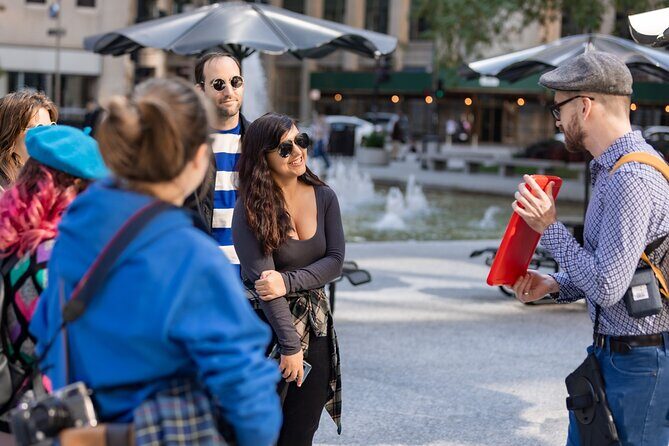
I especially love how Colin connects the visuals to stories you can actually remember, with supporting pictures and footage along the way. I also like that the pacing works in real life: a small group (max 10), short stops, and chances to go indoors when the weather turns.
One thing to plan for: the route includes stairs and escalators and the stop at the Chicago Theatre requires an admission ticket you’ll need to pay separately.
In This Review
- Key highlights you will feel fast
- A Two-Mile, Two-Hour Chicago Walk With Colin
- Meet at Dearborn, End at the Cultural Center’s People’s Palace
- Chagall at the Four Seasons: When a Mosaic Feels Like a Window
- Marquette Building and the Rookery: Chicago’s Old-School Power
- Calder’s Flamingo + Modern Architecture: The Loop Gets Playful
- Picasso’s 50-Foot Untitled: Scale That Can’t Be Ignored
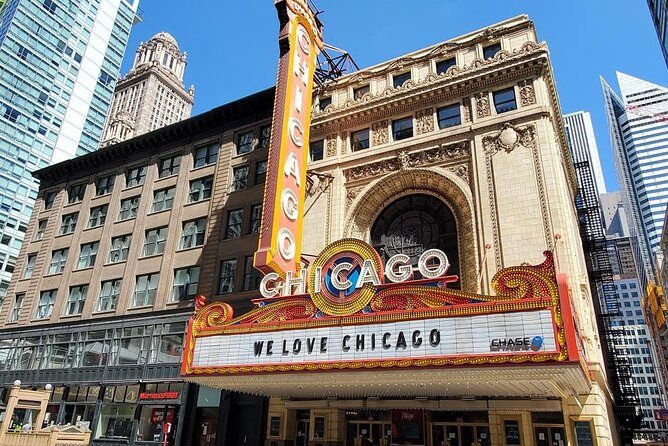
- The Chicago Theatre Stop: Entertainment History With Real Atmosphere
- Macy’s on State Street and the Marshall Fields Story
- Chicago Cultural Center: The People’s Palace Finale
- How Much Value Does the $44 Price Really Offer?
- Pacing, Weather, and What to Bring
- Who Should Book This Tour (and Who Might Want Something Different)
- Should You Book Walking With Colin?
- FAQ
- Is this tour offered in English?
- How long is the tour?
- How far do you walk?
- What does it cost?
- Where does the tour start and end?
- Do I need to buy admission tickets during the tour?
- Who is this best suited for?
- What happens if weather is bad or I need to cancel?
Key highlights you will feel fast
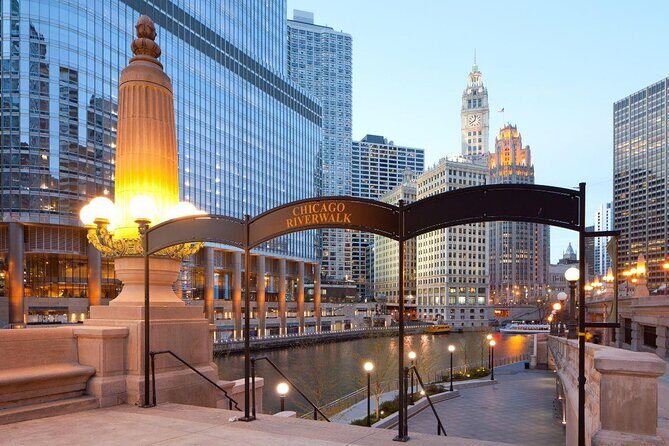
- Marc Chagall’s Four Seasons mosaic mural, up close and unforgettable
- Marquette Building and the Rookery Building with architecture you can see from both outside and in
- Calder’s Flamingo set against the modern architecture vibe of the area
- Picasso’s 50-foot Untitled sculpture that makes the Loop feel oversized
- Chicago Theatre and the thread of Chicago’s biggest entertainers
- Chicago Cultural Center, the People’s Palace, ending in a gorgeous finale
A Two-Mile, Two-Hour Chicago Walk With Colin

This is a downtown Chicago tour built for people who want more than selfies and quick facts. You’re out for about 2 hours on roughly 2 miles, mixing indoor and outdoor time as you move through some of the city’s most famous (and some less obvious) architecture and art.
The group size is capped at 10 travelers, which matters more than it sounds. With fewer people, the guide can slow down when you’re looking at details, and you’re more likely to get your questions answered instead of getting swept along.
Colin’s style also keeps things moving. From the start, the tour blends history, comedy, mystery, and tragedy, so the stories don’t sit there like a lecture. You’ll get explanations tied to what you’re seeing—mosaic, sculpture, theater marquee energy, and the swagger of old skyscrapers.
It’s offered in English, and you’ll use a mobile ticket. The walking is described as requiring moderate physical fitness, and the route includes some downstairs/upstairs movement, so comfortable shoes matter.
You can also read our reviews of more historical tours in Chicago

Meet at Dearborn, End at the Cultural Center’s People’s Palace
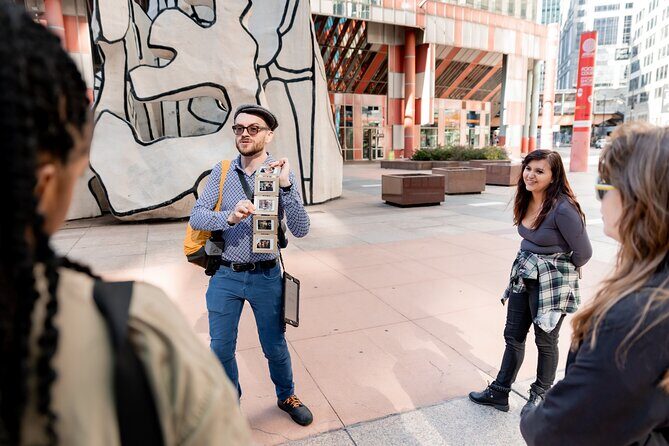
The tour starts at 1 N Dearborn St and ends at the Chicago Cultural Center (78 E Washington St). Ending at the Cultural Center is a smart design choice. You finish in a building that feels like a reward: dramatic interiors, a “public space” vibe, and that sense you’ve just stepped into a grand civic room.
You’ll also notice how the route is planned for impact. You begin in the Loop’s dense, landmark-heavy zone and end at a cultural anchor. That means you see iconic Chicago sights without needing to piece together separate rides, tickets, and wandering plans on your own.
If you’re using public transit, the meeting area is in a part of Chicago where you can usually hop on/off easily. And with the small-group cap, you’re less likely to get lost in a crowd at busy street corners.
One tip: if you’re the type who likes to take photos while walking, this helps you pace your stops. The tour uses short, timed viewing windows, so you can grab a shot and still hear the story.
Chagall at the Four Seasons: When a Mosaic Feels Like a Window

Your first big artistic hit is Chagall’s Four Seasons, a marvelous mosaic mural by Marc Chagall. This is the kind of artwork where the story is part of the visuals: you’ll learn how to look at it instead of just scanning for colors.
Why this matters for you: a lot of “art tours” only point. Here, the guide gives you a way to read the image, so you can make sense of the scene as you stand there. If you like art you can spend more than 30 seconds with, this is a strong opening act.
Admission is listed as free for this stop. That makes the first stretch low-risk: you get a major cultural moment without ticket hassle, and you get your bearings for what comes next.
The viewing time is about 15 minutes, so plan on lingering—but not too long. This tour’s strength is stacking different art-and-architecture experiences back to back.
Marquette Building and the Rookery: Chicago’s Old-School Power
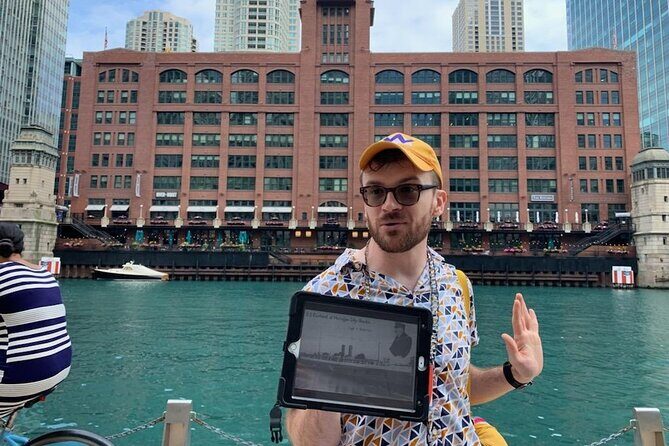
Next you’ll get into skyscraper territory with two stops that show different sides of “old Chicago.”
At the Marquette Building, you’ll marvel at the exterior and also get time inside. This matters because Chicago architecture isn’t only about how a building looks from the sidewalk. It’s about what you find at eye level, where details meet how people moved through the city.
Then comes the Rookery Building, described as the oldest skyscraper in Chicago and one of the city’s most stunning. This is the kind of place that rewards a slower pace: you’ll be looking at materials, curves, and spatial drama that feel like history you can walk through.
Both stops are listed with free admission tickets. The time windows are short—around 10 to 15 minutes—but that’s enough when your guide points out what to actually notice. Even if you think you’ve “seen skyscrapers before,” these interiors can change your mind quickly.
A practical note: because the tour includes stairs and elevator/escalator moments, don’t plan this right after a day when your legs are already cooked. You’ll enjoy it more if you’re fresh and flexible.
Calder’s Flamingo + Modern Architecture: The Loop Gets Playful
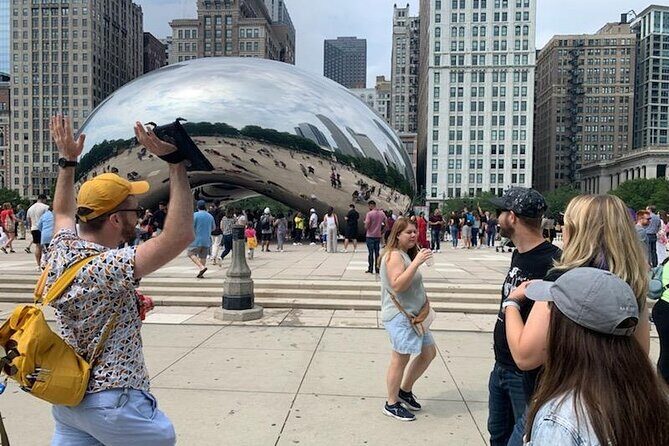
After the older giants, the tour shifts to modern art and modern architecture energy. Calder’s Flamingo is a standout: modern art meets modern architecture, and you get a chance to connect a sculpture to the design world around it.
What I like about this stop for your trip: it’s visual variety. You go from mosaic murals and historic building interiors to a sculptural form that feels lighter and more playful. That change keeps your attention sharp for the second half of the walk.
This stop also pairs well with the architectural context mentioned for the area, including Mies van der Rohe. You don’t have to know modern architecture beforehand. You just need to be willing to look at how design choices shape what you feel standing in front of a work.
Time here is brief (about 10 minutes), and admission is listed as free. Treat it like a quick reset: get your photos, learn how to look, then move on while your energy is still up.




Picasso’s 50-Foot Untitled: Scale That Can’t Be Ignored
Then you hit the stop that people talk about because it’s hard to forget: Picasso’s 50-foot Untitled sculpture. A sculpture at this scale changes the streetscape. It’s not something you admire from a single spot—it pulls you to move, to reframe it from different angles.
Why it’s valuable on this tour: you’re not just seeing Picasso. You’re seeing how Chicago uses large public art to make the city feel theatrical, like the buildings and works are sharing the spotlight.
The stop is about 10 minutes, and admission is listed as free. With that short window, you’ll want to be ready to decide fast where you want your best photo angle. If you can, take one wide shot first, then a tighter one after you’ve listened to the story.
The Chicago Theatre Stop: Entertainment History With Real Atmosphere
No Chicago tour feels complete without the theater thread, and this one goes right to The Chicago Theatre. This is where you learn about the city’s greatest entertainers and how Chicago helped shape inspiration for modern performance culture.
Time here is about 15 minutes, and admission is listed as not included. That’s important for your budgeting. If you’re trying to keep the total cost tight, check whether you’ll want to enter the theater or if you’re fine with what you see during the tour’s scheduled time.
What I think makes this stop work: the story connects the building to people, and the people connect back to why Chicago became a magnet for performance. It turns the theater from a landmark into a living piece of cultural history.
If you’re visiting in cold or rainy weather, this is also a practical pivot point. You’re learning in a setting built for attention, and that can make a weather shift feel less disruptive.
Macy’s on State Street and the Marshall Fields Story

Now you move from theater energy into retail history—Macy’s on State Street—and the story centers on the original, revolutionary Marshall Fields Department Store, once described as the biggest in the world.
This is where the tour gets especially useful for your first time in Chicago. Department stores sound like a niche topic until you realize they helped shape urban shopping as we know it: what people bought, how cities marketed themselves, and how big institutions became part of everyday life.
Time is listed as about 10 minutes, with free admission. Reviews also point out details like a Tiffany dome you can see while you’re there, so keep your eyes up and don’t treat it like a typical quick stop.
One practical caution: department stores are active places. If you want photos without crowd stress, you’ll do better when you’re ready to move with the group and not linger in high-traffic areas.
Chicago Cultural Center: The People’s Palace Finale
The tour ends at the Chicago Cultural Center, described as the magnificent People’s Palace. This is a great place to finish because it feels like a civic memory palace—part museum, part public living room.
You’ll have about 15 minutes here, and admission is listed as free. It’s also a smart emotional ending: after art, architecture, and performance history, you land in a space built for culture and learning. Even if you only catch the main highlights, the building’s personality carries you through the last stretch.
This stop also gives you a chance to slow down. You’re not racing for the next landmark. You can look up, look around, and absorb the fact that Chicago values public spaces—not just private ones.
How Much Value Does the $44 Price Really Offer?
At $44 per person, this isn’t the cheapest thing you can book, but it’s also not trying to be an all-ticket, all-day “pay once and do everything” package. The value comes from the mix and the guide.
Here’s the math in practical terms: most stops on this walk are free admission tickets, including the big art-and-architecture anchors like the Chagall mosaic, Marquette Building, Calder’s Flamingo, the Rookery Building, Picasso’s Untitled, and the Chicago Cultural Center. The one clear exception is the Chicago Theatre, where admission is not included, so you may add that cost depending on how the stop works for you.
Then there’s the human value: you’re paying for a guided thread that ties together art, buildings, and cultural history into one moving story. Reviews also mention that Colin uses supporting images and video, which helps the facts stick and makes you spend more of your attention on the street instead of on your phone.
Also consider the small group size. Paying a bit more is often worth it when your guide can actually manage pacing for 10 people instead of 30.
If you’re visiting for a short time and want to cover multiple “Chicago must-see” items in one plan, this price can feel fair. If you only care about one or two buildings, you might feel it’s too much. The tour works best when you want breadth and story, not just a checklist.
Pacing, Weather, and What to Bring
This experience is indoor/outdoor, with time that can include covered areas and transitions. It’s also described as being about 2 miles with stair/escalator movement, so pack for comfort more than fashion.
Bring:
- Comfortable walking shoes (stairs and escalators are part of the deal)
- A hat or sunglasses if it’s sunny, since the architecture and public art are mostly exterior viewing
- An umbrella if the forecast is questionable—at least one review notes Colin adjusts the route when rain hits, including using covered/underground options when needed
Weather matters because the tour is designed for good conditions. The experience notes that it requires good weather, and if it’s canceled due to poor weather, you’ll be offered a different date or a full refund.
What you should mentally prepare for: you’re not just “walking by buildings.” You’re stopping, looking closely, then moving again. That’s why the moderate fitness note matters.
Who Should Book This Tour (and Who Might Want Something Different)
This tour fits best if you:
- Want a Chicago 101 style plan that still feels fun and personal
- Like art and architecture, but also want the human stories behind them
- Prefer a small group experience where the guide can respond and keep momentum
You might want to skip or choose something else if:
- You’re looking for a pure architecture-only deep dive with no entertainment-story focus
- You have very limited tolerance for stairs/escalators and moving between indoor/outdoor spots
- You only want free-entry sites and don’t want to handle the Chicago Theatre ticket separately
One more practical point: the tour is described as being maximum 10 travelers, and it’s commonly booked about 18 days in advance on average. If you’re traveling during peak dates, book early so you can pick the morning or afternoon slot that fits your schedule.
Should You Book Walking With Colin?
I’d book it if you want to see a high concentration of Chicago’s most memorable art-and-architecture landmarks in a short window, and you enjoy a guide who makes the stories entertaining instead of dry.
It’s especially worth your time if you like your history with a sense of drama—because the tour’s whole format is built around mystery and humor as much as dates and facts. And with mostly free admission stops, you get a lot of value for your $44.
If you’re cautious about the theatre admission and you don’t feel great with stairs, double-check your comfort level first. Otherwise, this is one of those Chicago plans that helps you understand the city fast and still leaves you wanting to wander more on your own afterward.
FAQ
Is this tour offered in English?
Yes. The tour is offered in English.
How long is the tour?
It lasts about 2 hours.
How far do you walk?
The tour is described as about 2 miles.
What does it cost?
The price is $44.00 per person.
Where does the tour start and end?
It starts at 1 N Dearborn St, Chicago, IL 60602 and ends at the Chicago Cultural Center, 78 E Washington St, Chicago, IL 60602.
Do I need to buy admission tickets during the tour?
Many stops list admission ticket free, but the Chicago Theatre stop lists admission not included, so you may need to pay for that one.
Who is this best suited for?
It’s recommended for people with moderate physical fitness, and it includes a mix of indoor/outdoor areas plus stairs/escalators.
What happens if weather is bad or I need to cancel?
The experience requires good weather. If it’s canceled due to poor weather, you’ll be offered a different date or a full refund. You can also cancel for a full refund up to 24 hours before the start time.