REVIEW · WALKING TOURS
Chicago: Evolution of the Skyscraper Walking Tour
Book on GetYourGuide →Operated by Chicago Architecture Center · Bookable on GetYourGuide
Skyscrapers tell stories—if you know the order. This walking tour lets you read Chicago’s skyline like a timeline, starting on the river and moving forward through the city’s big building eras. You’ll see landmark structures close up and hear how architects solved real problems to build higher and different styles over time.
I especially like the chronological format. It helps you connect what you’re seeing to when it was built, so the styles don’t feel random—they feel like choices. I also like the fact that the guide is certified by the Chicago Architecture Center, so you get clear context, not just names.
One practical consideration: there’s no secure storage for luggage or strollers, and pets are not allowed. So plan to travel light and leave the dog at home.
In This Review
- Key Highlights You’ll Actually Remember
- Enter Chicago Architecture Center With More Than Just a Ticket
- The Walk Begins at the River Roots: How Chicago Started to Grow
- After the Great Fire: Rebuilding With New Ideas and New Confidence
- Page Brothers Building to Old Dearborn Bank: Styles That Reveal Their Era
- Chicago Motor Club and the Carbide and Carbon Building: When Form Meets Function
- NBC Tower and More: Reaching Forward to the Modern City
- Why the Engineering Stories Matter More Than the Postcards
- Getting Value From a 90-Minute Walk at About $35
- What the Guide Adds: Certified Explanations You Can Follow
- Who This Tour Fits Best (And Who Might Want Something Else)
- Practical Tips Before You Go (So Rain Does Not Ruin It)
- Should You Book This Chicago Skyscraper Evolution Tour?
- FAQ
- How long is the Chicago: Evolution of the Skyscraper Walking Tour?
- Where is the meeting point?
- What’s included in the ticket price?
- Is there storage for luggage or strollers?
- Are pets allowed on the tour?
- Do I need to bring a face mask or protective covering?
- What happens with refunds if it rains?
Key Highlights You’ll Actually Remember
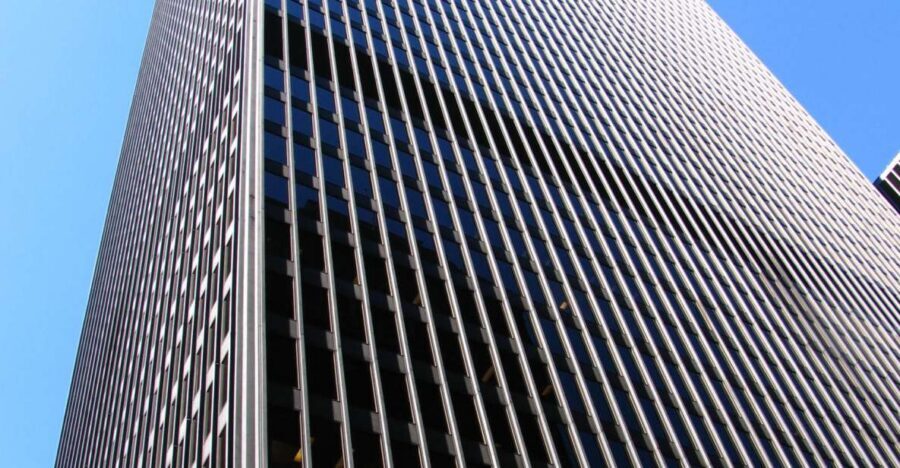
- A chronological skyline story that follows Chicago’s growth, fire recovery, and rise as a commercial hub
- Certified Chicago Architecture Center guides who can explain what you’re looking at as you walk
- Real buildings, real design shifts across different eras, including the Page Brothers Building and Old Dearborn Bank
- Engineering evolution you can spot, from early downtown forms to later skyscraper technology
- A stop at the Chicago Architecture Center exhibits before you hit the pavement
Enter Chicago Architecture Center With More Than Just a Ticket
The meeting point is inside the Chicago Architecture Center, 111 E. Wacker Drive. Before the walk starts, you get admission to the Chicago Architecture Center Exhibits (new), which is a smart warm-up. It’s the kind of preview that helps you notice details later, because you’re already thinking about the Loop as a living machine that kept changing.
One thing I like about starting here is that you’re not forced to rely on guesswork. The center’s exhibits are built to explain Chicago’s architectural story in plain language, and a visit before the walk gives your brain a map. You’ll also find a bookstore and the usual browse-and-buy vibe, which is great if you want to take something home that matches what you just learned.
You should expect this to be a working tour experience, not a long museum time. The payoff comes when you step back outside and the exhibits turn into real streets and facades.
You can also read our reviews of more walking tours in Chicago



The Walk Begins at the River Roots: How Chicago Started to Grow
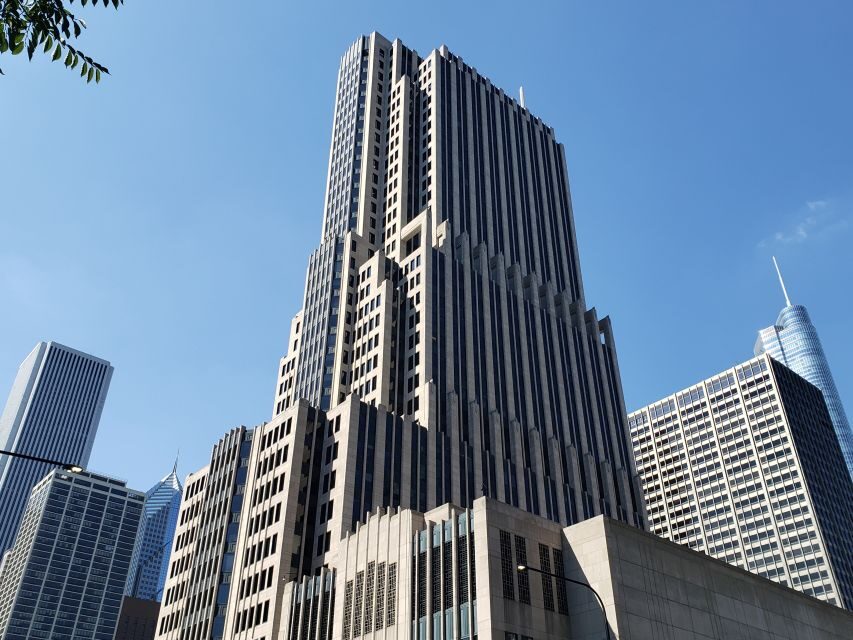
This tour’s timeline starts with Chicago’s growth around the Chicago River. That matters because it explains why so many downtown buildings face the water and why the city’s earliest business engine shaped its later skyline. When you understand the river’s role, the skyline stops being just an aesthetic parade.
As you walk, the guide sets up the city’s early needs: commerce, movement, and the constant push to build where land is limited. Chicago’s story is not only about height—it’s about solving problems with design and structure, and doing it in stages. You’ll get the through-line that connects early river-area development to what comes after major disruption.
A key value here is that you’re getting architecture as a cause-and-effect story. Buildings don’t appear out of nowhere. They reflect what the city needed at the time, plus what was fashionable, possible, and profitable.
After the Great Fire: Rebuilding With New Ideas and New Confidence
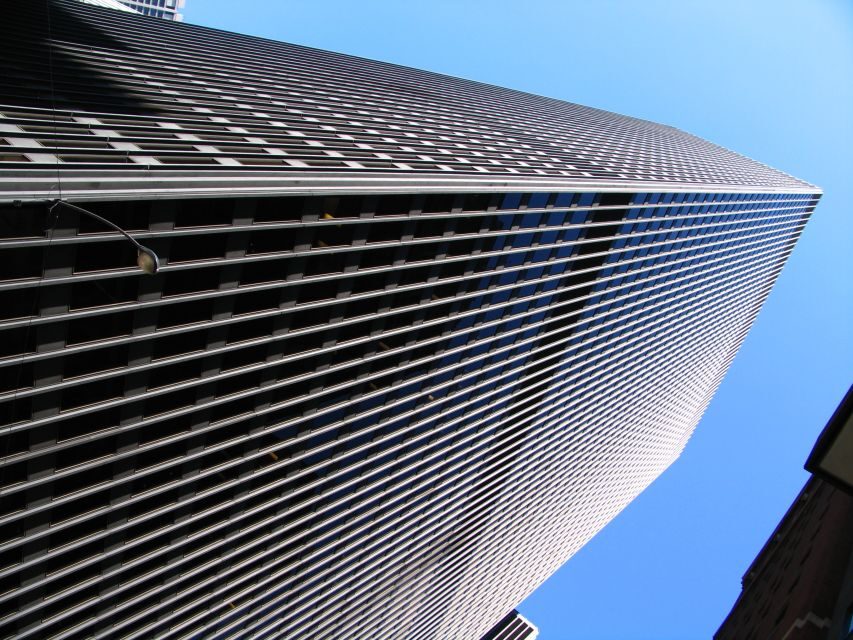
One of the big turning points on this walk is Chicago’s rebirth after the Great Chicago Fire. This isn’t framed as trivia. It’s treated as a major reset that changed how people thought about construction, safety, and urban planning.
That theme is useful because it affects what you see next. When the city rebuilds, architecture tends to shift—not only in materials and building practices, but also in the ambition of the skyline. In practical terms, you’ll leave this part of the walk with a clearer sense of why certain downtown building styles feel like progress steps rather than one-off designs.
Your guide will keep the motion chronological, so you’re not hopping across centuries. That makes the post-fire era feel earned, not like a detour.
Page Brothers Building to Old Dearborn Bank: Styles That Reveal Their Era
As the walk continues, you’ll pass architecturally significant buildings in order. Two of the named stops that you’ll hear about include the Page Brothers Building and the Old Dearborn Bank. These are the kinds of structures where the exterior details help you read the era’s design taste.
What I like about this approach is that you’re encouraged to look, not just listen. Even without technical drawings, you can often spot stylistic fingerprints—ornament choices, massing, and how the facade is composed. The guide ties those choices to the period, which makes the designs feel purposeful.
One useful habit to pick up: try to identify what the building is emphasizing. Is it pushing height through vertical lines? Is it balancing formality with modern function? This tour nudges you toward that type of observation.
Chicago Motor Club and the Carbide and Carbon Building: When Form Meets Function
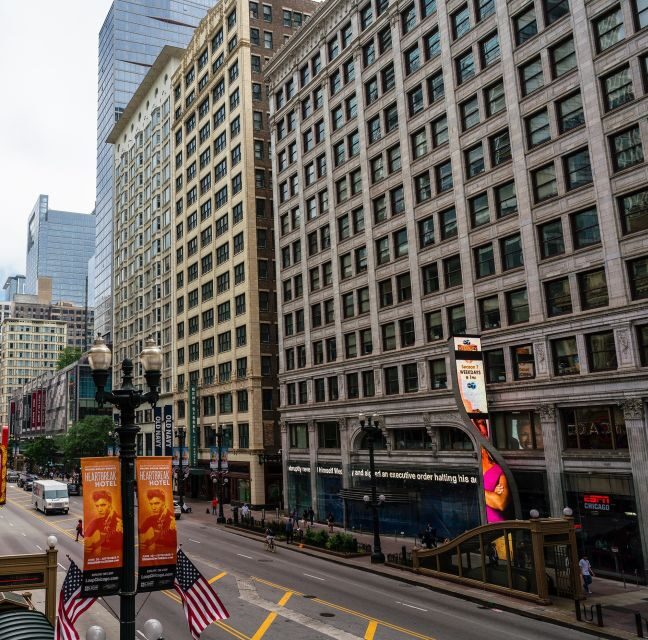
Later in the walk, you’ll also hear stories tied to buildings like the Chicago Motor Club and the Carbide and Carbon Building. This is where the tour starts to feel extra fun if you enjoy noticing how a building expresses the technology and culture of its time.
These structures help illustrate a key theme: architectural technology evolved, and designers used those advances to create distinctive looks. In other words, later skyscrapers aren’t just taller—they’re made possible by improved engineering and new construction thinking. You’ll start to hear more about how architects adapted building styles to match the fashions of their era while still meeting practical demands.
If you’ve only seen Chicago from the river or from distant viewpoints, this is where the skyline details get real. Walking past these buildings changes how you understand them. Street-level viewing forces you to notice how proportions work and how entrances, windows, and facade rhythm guide your eye.






NBC Tower and More: Reaching Forward to the Modern City
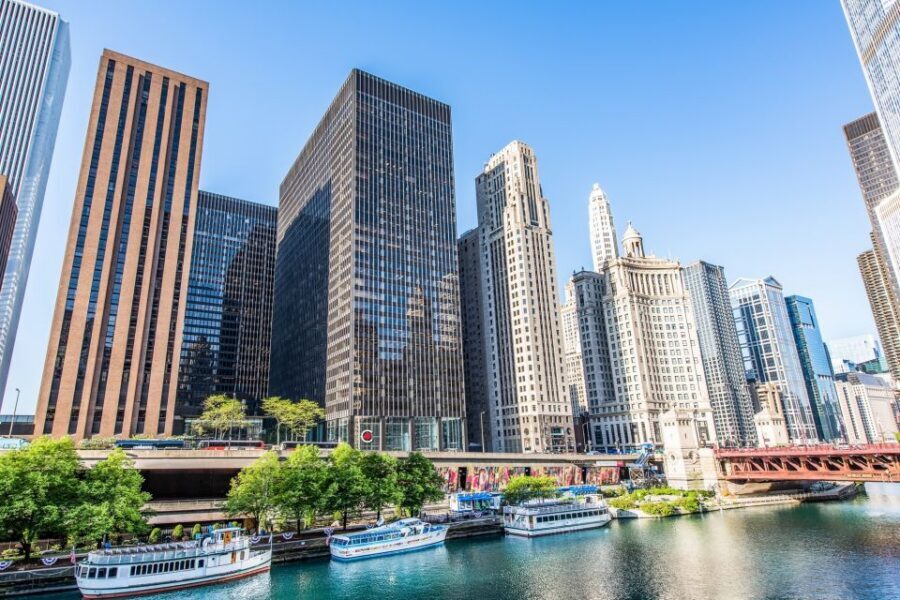
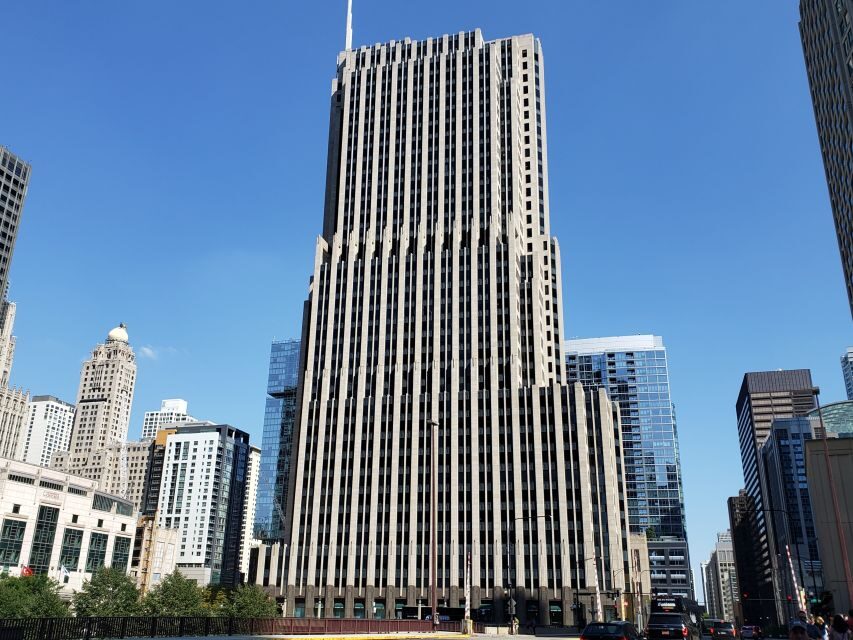
The tour also reaches into more modern landmarks, including the NBC Tower and others. Even without a technical lecture, you’ll see the difference between earlier downtown construction logic and later skyscraper design language.
Here’s what I find valuable: the skyline becomes a single evolving system rather than a bunch of separate famous stops. You’ll connect the dots between earlier reconstruction and later commercial and cultural dominance. Chicago becomes what it is today because it kept building, learning, and retooling its style and engineering.
The guide keeps the tour moving in chronological order, so the modern era doesn’t feel disconnected. It feels like the next logical step in the same story.
Why the Engineering Stories Matter More Than the Postcards
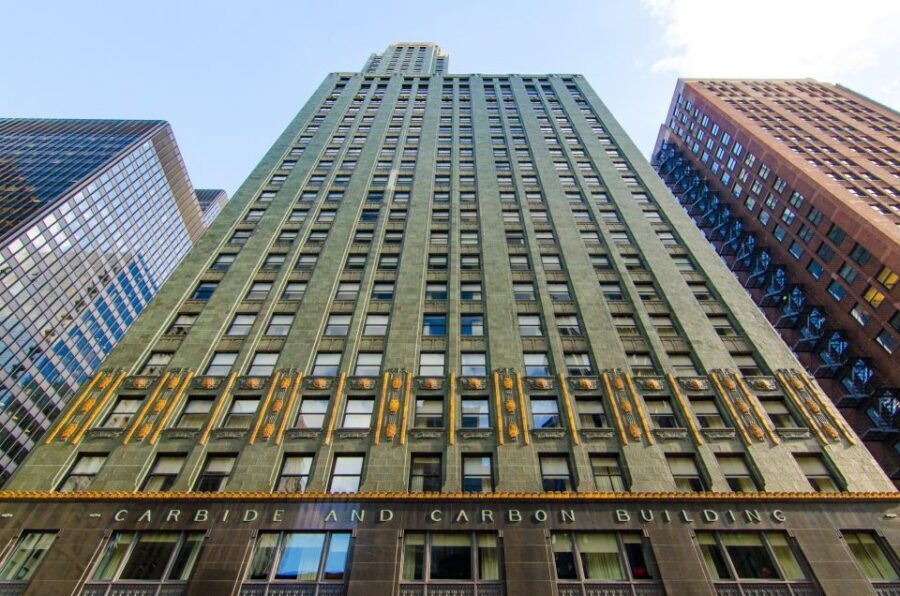
A major promise of this experience is learning how architectural technology evolved over time and spotting unique designs across different skyscrapers. That’s exactly the point, because the skyline is not just visual. It’s mechanical and structural, even when it looks decorative.
When guides connect design to engineering, you start understanding why certain buildings look the way they do. Facades and massing aren’t only style choices; they often reflect what designers could do at the time, plus how they wanted to project corporate identity, civic ambition, or modern confidence.
This is where the walking format really earns its keep. From street level, you can actually track how a building’s visual features communicate stability, function, and modernity. You’re also close enough to see how details vary rather than treating everything as a blur of glass and steel.
Getting Value From a 90-Minute Walk at About $35
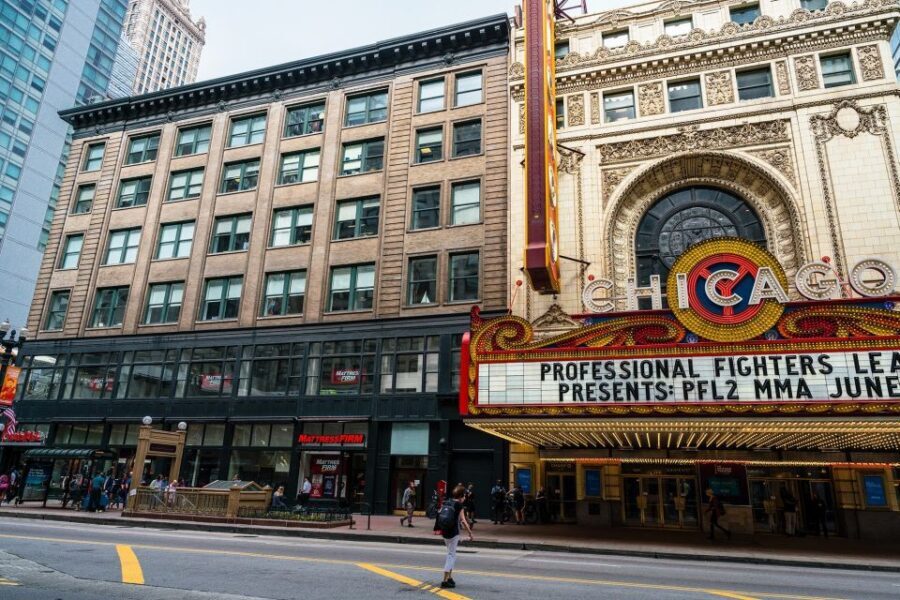
The price listed is $35 per group up to 1, and you’re getting a lot for that window of time: a 90-minute guided walk plus admission to the Chicago Architecture Center Exhibits (new), led by a certified guide. For many visitors, that’s a strong deal because you’re not just paying for movement—you’re paying for a trained explanation that turns buildings into context.
Think of it this way: Chicago architecture can be expensive when you chase it only through separate attractions and paid experiences. This tour compresses the learning into one focused block, with the learning continuing before the walk through the exhibits at the center. You’re also helping support Chicago Architecture Center education and community engagement programs through ticket purchases, including initiatives like Girls Build!, Teen Fellows, and the Newhouse Architecture + Design Competition. That adds a meaningful layer of value beyond sightseeing.
The guide does the hard part. Instead of you trying to research every facade on your phone mid-walk, you get the narrative threaded through the skyline.
What the Guide Adds: Certified Explanations You Can Follow
This tour is led by a local expert guide trained by the Chicago Architecture Center. In practice, that means the tour is built around how architects and the city shaped each other over time. You’ll get story beats that connect river origins, the post-fire rebuild, and modern commercial growth.
One review specifically highlighted a guide named Mitch for delivering a detailed and interesting history during the walk. That gives you a sense that the tour can go beyond a quick summary. You’re likely to get explanations that stick, and you can generally expect the guide to make room for your questions as you move.
If you like learning by asking, this is a good fit. The format isn’t rigid at the level of a formal lecture. It’s designed for walking and looking, which keeps your attention locked in.
Who This Tour Fits Best (And Who Might Want Something Else)
This is ideal if you want a clear, structured overview of Chicago architecture without spending an entire day on research. If you enjoy reading the city by eras—early development, post-disaster rebuilding, then modern commercial expansion—this timeline is set up for you.
It’s also a good choice if you’ve done Chicago river cruises before. A walking tour changes the experience. The river shows the skyline’s full silhouette; the walk teaches you how the buildings behave up close. You’ll also get a different kind of appreciation for street-level design.
It may be less ideal if you’re traveling with a lot of gear. There’s no secure storage for luggage or strollers, and pets are not allowed. So if you’re hauling multiple bags or need stroller storage, you’ll want to plan around that.
Practical Tips Before You Go (So Rain Does Not Ruin It)
The tour departs rain or shine, and there are no refunds due to weather. That means you should be ready for wet streets and changeable conditions. Also bring a face mask or protective covering, since that’s listed as what you should have.
The tour is 90 minutes long and is walking-based, so build in time to arrive at the meeting point inside the Chicago Architecture Center. Don’t count on coat check or storage for bulky items.
If you’re bringing children, you’ll want to think about stroller logistics in advance. Since secure storage isn’t provided, you’ll be managing that gear during the walk.
Should You Book This Chicago Skyscraper Evolution Tour?
Yes, if your goal is to understand Chicago architecture as a timeline you can see and feel on the street. I think this tour is one of the best ways to connect names like the Page Brothers Building, Old Dearborn Bank, the Chicago Motor Club, the Carbide and Carbon Building, and the NBC Tower into one coherent story.
Book it if you want a guided explanation from a certified Chicago Architecture Center professional, plus access to the center’s exhibits before you head out. It’s also a solid value for the time—about 90 minutes—especially because the ticket supports local education and community programs.
Skip it only if your schedule can’t handle rain or you need storage for luggage or strollers. Otherwise, this is a practical, story-driven way to see what makes Chicago’s skyline what it is today.
FAQ
How long is the Chicago: Evolution of the Skyscraper Walking Tour?
The tour lasts 90 minutes.
Where is the meeting point?
Meet inside the Chicago Architecture Center at 111 E. Wacker Drive, Chicago, IL 60601.
What’s included in the ticket price?
You get admission to the Chicago Architecture Center Exhibits (new), a 90-minute walking tour, and a certified guide from the Chicago Architecture Center.
Is there storage for luggage or strollers?
No. The tour is unable to provide secure storage for luggage or strollers.
Are pets allowed on the tour?
Pets are not allowed, but service animals are welcome.
Do I need to bring a face mask or protective covering?
Yes. You should bring a face mask or protective covering.
What happens with refunds if it rains?
The tour departs rain or shine, and there are no refunds due to the weather. There is free cancellation up to 24 hours in advance for a full refund.