REVIEW · ARCHITECTURE RIVER CRUISE
Chicago: Secret Interiors Architecture Walking Tour
Book on GetYourGuide →Operated by Empire Tours & Productions (Chicago River Boat Architecture Tours) · Bookable on GetYourGuide
Chicago can feel like a movie set if you only look at the skyline. This tour flips the camera toward interiors and the design decisions that made the city famous. I love that you get stories tied to what you’re actually seeing, from ornate craft to the engineering behind daylight and structure.
Two things I really like: first, the tour focuses on hidden architectural features instead of generic facts. You’ll hear why domes, mosaics, and decorative details mattered to the people paying for these buildings in the Gilded Age and Roaring Twenties. Second, the guiding shines in real ways. In multiple departures I’ve reviewed, guides like Grant, Talia, Angel, Annie, and Matthew kept the group engaged and answered questions as you went.
One consideration: it’s mostly a city walk, and in winter you’ll be outside a lot. Plus, some stops involve stairs and in-and-out movement, so wear grippy shoes and expect a brisk pace.
In This Review
- Key highlights to look for
- Starting at Union Station: a smart place to begin
- The Chicago Loop: ambition at sidewalk level
- South La Salle Street: where “photo stop” turns into real insight
- Inside the Rookery Building: domes, mosaics, and the lighting problem
- Field Building and Marquette Building: craft you’ll actually recognize later
- Palmer House (a Hilton Hotel): when hospitality architecture matters
- Chicago Cultural Center: architecture with a public purpose
- Marshall Field and Company Building: finishing where Chicago commerce shows off
- How long it really takes (and why pace matters)
- Price and value: what $35 buys you in Chicago terms
- Guide impact: why Grant, Talia, Angel, Annie, and Matthew keep getting love
- Who this tour suits best (and who might prefer another option)
- Should you book it?
- FAQ
- Where do I meet the tour guide?
- How long is the Chicago Secret Interiors Architecture Walking Tour?
- What is the price per person?
- What should I bring?
- Is the tour wheelchair accessible?
- What if the Rookery Building is closed?
- What language is the tour offered in?
- Can I cancel for a full refund?
- Can I reserve now and pay later?
Key highlights to look for
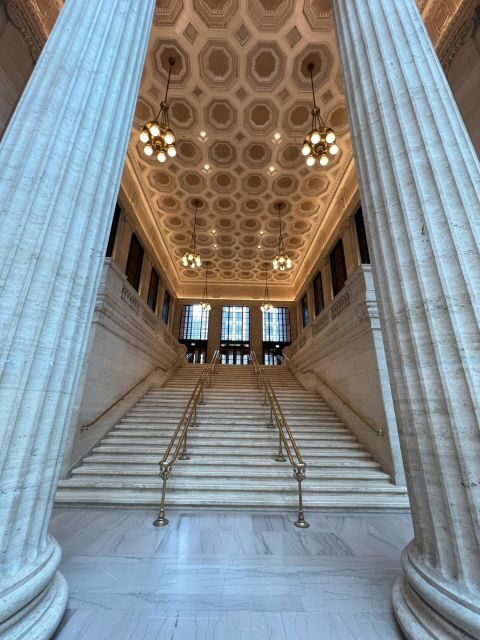
- Union Station start in the Great Hall sets the tone before you even hit the Loop
- Inside iconic interiors at multiple stops, not just street photography
- Design stories you can spot yourself, like decorative programs and structural choices
- Daylight and engineering explanations that make the buildings feel practical, not just pretty
- Flexibility for Sundays since an alternate stop replaces the Rookery
- Guide-led Q&A energy, especially when the group is small
Starting at Union Station: a smart place to begin
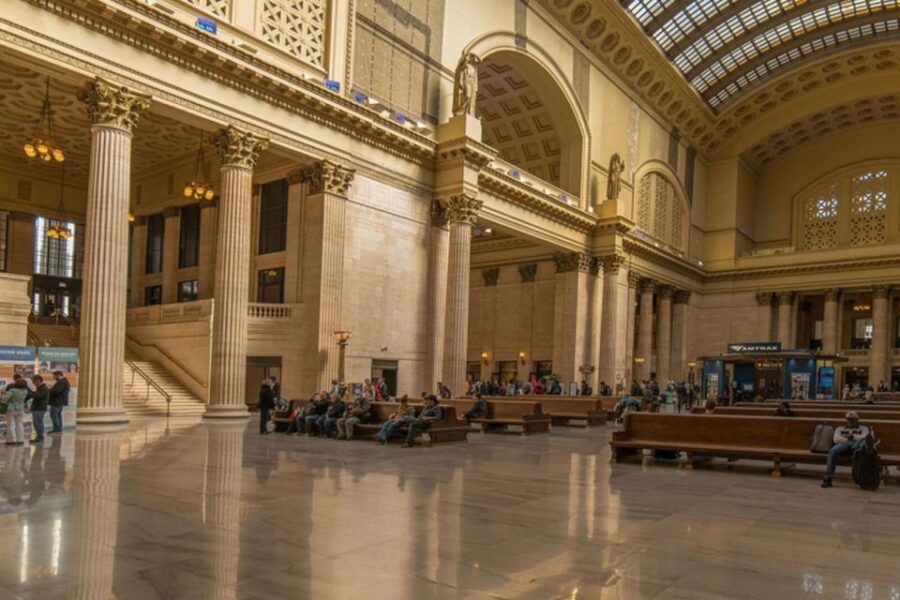
Meeting inside Union Station’s Great Hall under the Clinton Street sign is more than a convenient address. It puts you in a grand, historic space right away, which helps your eyes adjust to the scale of Chicago architecture before you start walking. Union Station also makes it easy to orient yourself quickly, especially if you’re arriving from elsewhere.
If you’re the type who likes to understand a city through “how it works,” this opening matters. Chicago’s big architecture isn’t just art. It’s logistics, materials, money, and problem-solving. Starting at one of the city’s showpiece interiors sets you up to read the rest of the Loop the same way.
You can also read our reviews of more walking tours in Chicago


The Chicago Loop: ambition at sidewalk level
Once you’re moving through the Loop, the tour keeps connecting the dots between what you see and why it got built. The city’s reputation as an architectural icon didn’t happen by accident. It grew from bold investors, industrial power, and a constant push to outdo the last project.
You’ll get a steady stream of explanations about the architects and engineers behind the look and feel of these buildings. That includes the way they handled structural challenges and how they made lighting work inside heavy, downtown footprints. The best part is that you’re not staring at one landmark for an hour. You’re learning how Chicago’s style shifts block to block, while staying in the same pocket of the city.
South La Salle Street: where “photo stop” turns into real insight
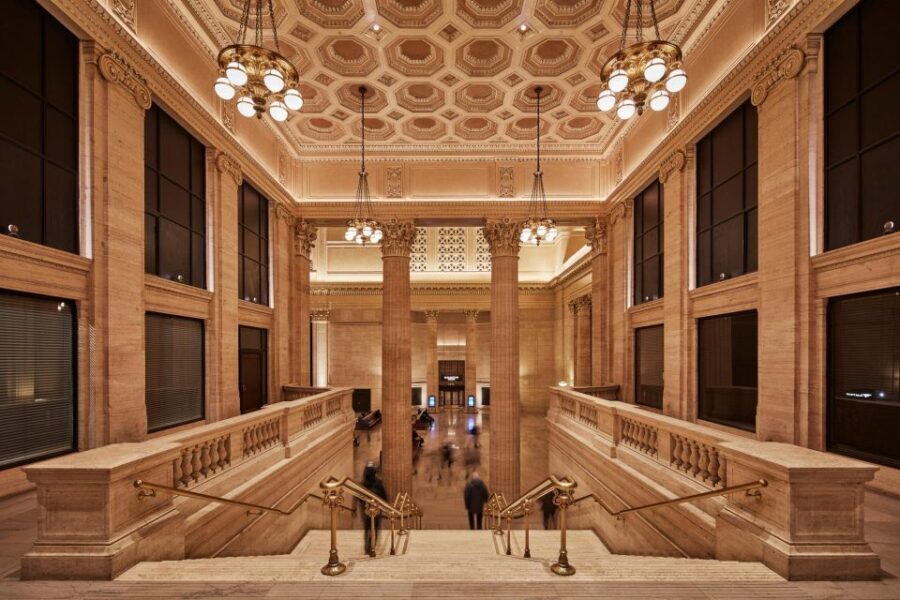
South La Salle Street is one of those places you can walk past and never notice the details. Here, it’s treated like a purposeful pause. Expect to stop for photos, but also to look closely enough that the buildings stop being background and start being clues.
This part of the tour is ideal if you like architecture that rewards close attention. You’ll learn what to focus on as you pass entrances, ornament, and design transitions. And since you’re on foot, it’s easy to rewind what you just saw in your mind and pick out patterns the guide points out.
Inside the Rookery Building: domes, mosaics, and the lighting problem
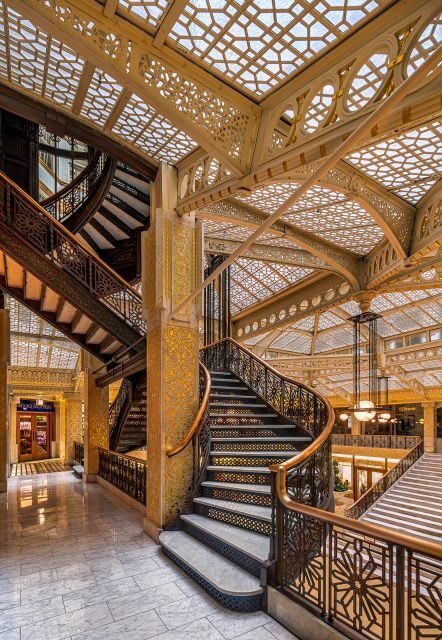
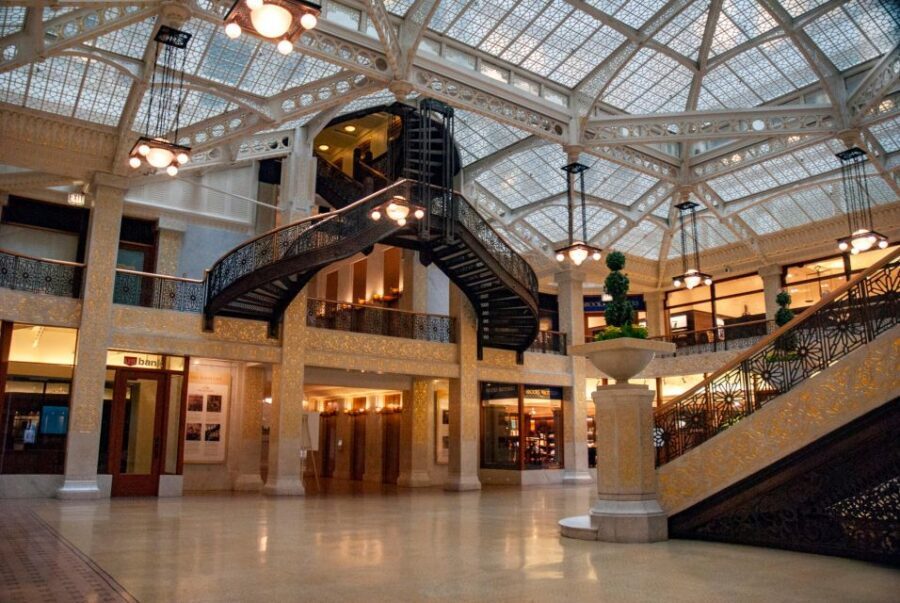
The Rookery Building is a highlight for a reason. The tour’s pitch includes domes, shimmering mosaics, and elaborate craftsmanship hidden inside. That’s exactly where the building experience changes from “interesting” to “how did they do that?”
The guide’s commentary on illumination and structural integrity is especially useful here. Chicago interiors often feel dramatic, but the drama comes from real solutions: how light moves, how spaces are shaped, and how structural work supports decorative ambition. When you understand the engineering logic, the beauty stops feeling random.
Sunday note: the Rookery is closed on Sundays, so the tour swaps in an alternative stop. If you’re traveling on a Sunday, this is a plus rather than a problem. You still get the interior-style focus; you just won’t be visiting that specific building.
Field Building and Marquette Building: craft you’ll actually recognize later
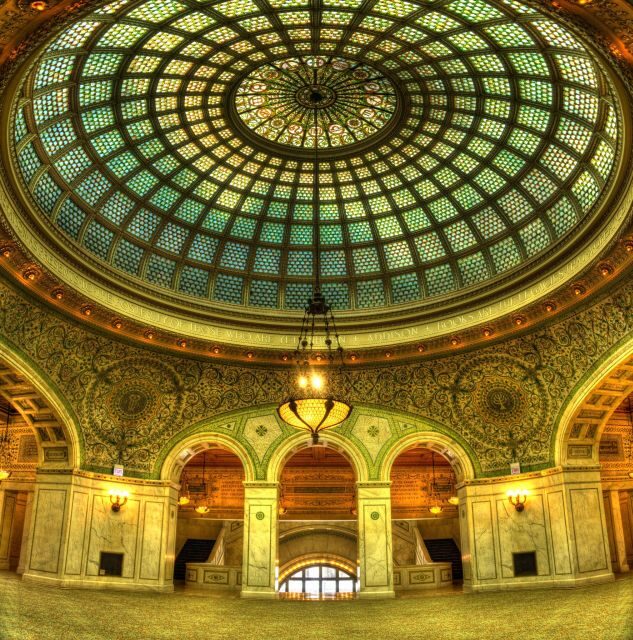
After the Rookery, you keep moving through buildings that represent Chicago’s evolution across eras. The tour visits both the Field Building and the Marquette Building, and that sequence helps you compare styles without needing a lecture hall.
What I like about these stops is that they’re not just “look, ornament.” The guide ties details to choices: how materials were used, how structural form supported the interior mood, and why the designers made certain moves. You start seeing recurring themes, like how decorative programs frame movement through a building and how interiors signal prestige.
Also, these are the kinds of interiors you’re unlikely to stumble into on your own. Even if you’re already familiar with the Loop’s skyline, these spaces can feel like a different Chicago.




Palmer House (a Hilton Hotel): when hospitality architecture matters
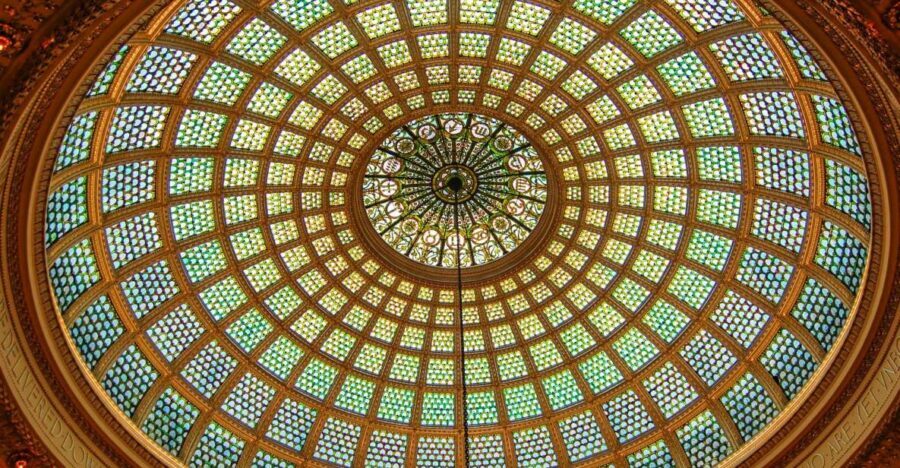
The Palmer House stop brings a different flavor into the mix. It’s a major hotel, so it carries that Gilded Age idea of fame, arrivals, and public-facing elegance. The tour treats it like more than a photo opportunity. Expect visits, guided commentary, and time to look at the interior elements that make it feel like a destination rather than just a lobby.
This is also a good moment to connect the dots between architecture and the kinds of famous people who moved through these corridors. The tour’s themes include ambition, intrigue, and reputation. That fits hotel architecture extremely well, because hotels are built to impress while operating under very real constraints.
Chicago Cultural Center: architecture with a public purpose
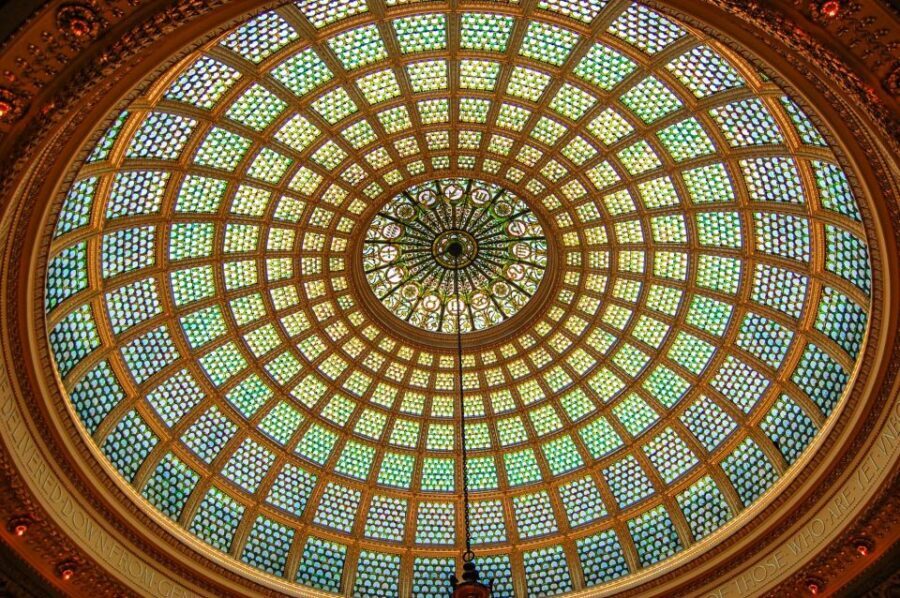
Next up is the Chicago Cultural Center, another standout because it shifts the focus toward civic display. Instead of interiors that mainly serve a private institution, you’re seeing architecture that’s meant to be experienced as part of the city’s public identity.
This stop works well if you want a break from the “office building inside” rhythm. You still get commentary about design elements and style, but the atmosphere feels more civic and less exclusive. It’s a good change of pace in the middle of a two-hour walk.
Marshall Field and Company Building: finishing where Chicago commerce shows off
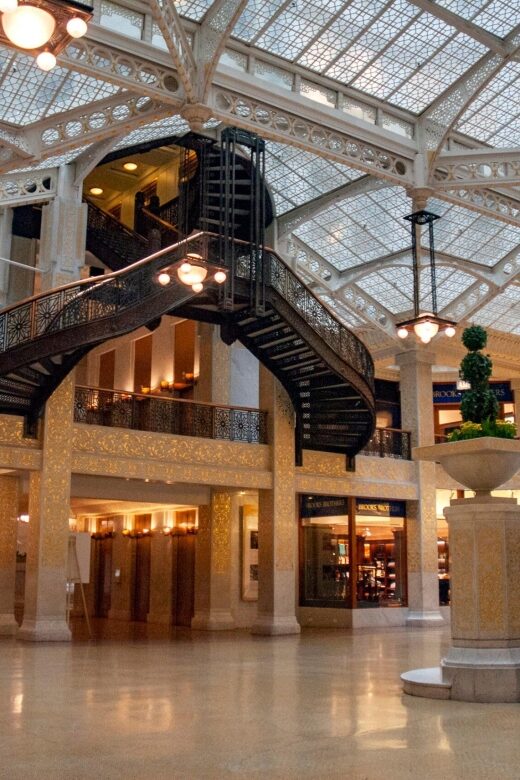
Ending at the Marshall Field and Company Building is a satisfying close. It’s tied to Chicago’s commercial story, and the tour’s final stretch helps you see how architecture became a business weapon. Big names in retail and industry needed spaces that looked confident from the street and felt impressive inside.
As you reach the end point, the tour’s themes click into place: the way structural work enables design, the way lighting and spatial planning shape mood, and the way craft became part of branding. You don’t finish with a pile of random facts. You finish with a better eye.
How long it really takes (and why pace matters)
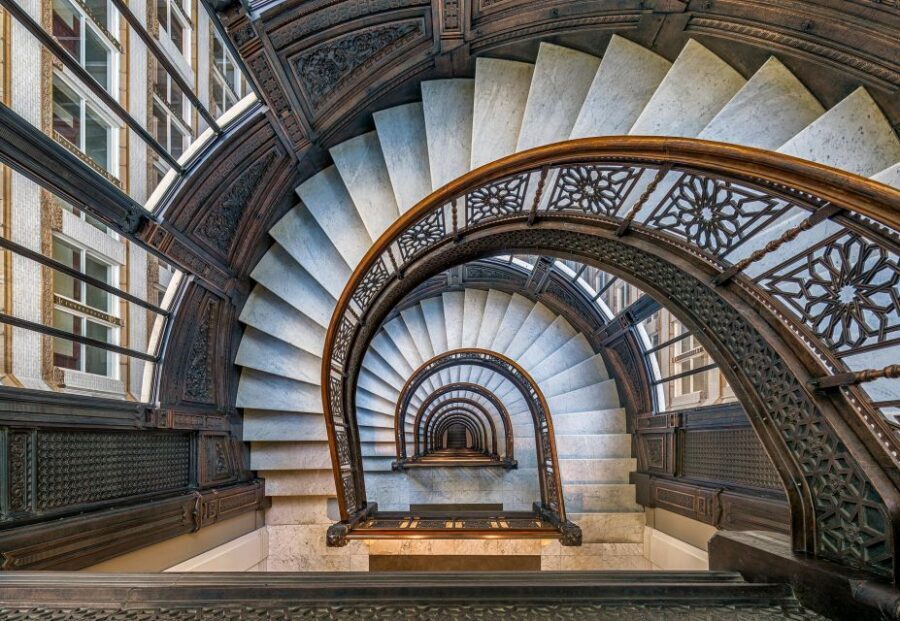
The tour runs about 2 hours, and a large chunk of that time is outside. One review noted that in winter about 90% of the experience is outdoors. That matches the feel of this kind of Loop walk: you’re moving from stop to stop, with short visits and photo pauses.
A few other practical notes:
- Bring comfortable shoes with grip. Some buildings require stairs, and you’ll go in and out more than you’d expect.
- Dress for the weather. Cold wind down by downtown can make “short outside time” feel longer.
- If your legs are sensitive, plan to keep your pace steady and take shallow breaths at each transition. You’ll want to arrive at each interior feeling ready to look, not rushed.
Price and value: what $35 buys you in Chicago terms
At $35 per person for a two-hour guided walk, the value is mostly about access and interpretation. You’re paying for two things that matter more than mileage: a guide who explains what you’re looking at, and entry to interior spaces you might not discover on your own.
If your alternative is wandering the Loop solo, you’ll see plenty of exteriors. But you’ll miss the “why” behind the details: how lighting challenges were handled, how structural choices shaped interior feel, and why decorative programs were worth the money. This tour turns the Loop into a guided lesson you can walk through.
It’s also a good budget-friendly option compared with adding multiple separate paid attractions. For one price and one afternoon window, you get a concentration of iconic buildings plus context.
Guide impact: why Grant, Talia, Angel, Annie, and Matthew keep getting love
One of the most consistent themes in the feedback is how engaging the guides are. Names that come up again and again include Grant, Talia, Angel, Annie, and Matthew. Across different groups, they’re praised for being personable, holding attention on cold days, and connecting design details to Chicago’s story.
I like that the guide role isn’t treated like a script read at you. You can ask questions and get answers as you walk. That makes the tour feel more like a conversation with someone who cares about the city, not a headset download.
If you’re hoping for a tour where the guide helps you look smarter, not just learn more, this is the right vibe.
Who this tour suits best (and who might prefer another option)
This tour is a great fit if you:
- Love interiors more than street views
- Want context for the Loop buildings you already see from the sidewalk
- Enjoy architecture with stories attached, from major designers to the people who moved through these spaces
It may feel less ideal if you want mostly exterior panoramas or long time sitting in one place. One common way to build a perfect Chicago architecture day is to pair this with an option that focuses on the skyline from the river. That way you cover both scales: the close-up details here, and the city-wide perspective elsewhere.
Should you book it?
Yes, you should book this tour if you want a high-return afternoon in Chicago’s core. For $35 and about two hours, you’ll get a guided walk through the Loop with repeated chances to see interior beauty, plus explanations that make the designs feel logical, not just decorative.
Do it now if you care about domes, mosaics, craftsmanship, and the engineering choices behind illumination and structure. Just go in with the right expectations: wear comfy shoes, bundle up if you’re visiting in winter, and be ready for stairs and a brisk walk between stops. If those sound manageable, this is a strong way to experience the Chicago architecture you came for.
FAQ
Where do I meet the tour guide?
Please meet your tour guide inside Union Station within the Great Hall under the Clinton Street sign.
How long is the Chicago Secret Interiors Architecture Walking Tour?
The tour lasts about 2 hours.
What is the price per person?
The price is $35 per person.
What should I bring?
Bring comfortable shoes, since it’s a walking tour and you’ll be moving between several buildings.
Is the tour wheelchair accessible?
Yes, the tour is wheelchair accessible.
What if the Rookery Building is closed?
Since the Rookery is closed on Sundays, an alternative stop will be included on those days.
What language is the tour offered in?
The tour is offered in English.
Can I cancel for a full refund?
Free cancellation is available up to 24 hours in advance for a full refund.
Can I reserve now and pay later?
Yes, you can reserve now & pay later, keeping your plans flexible.