REVIEW · MUSEUMS
Chicago: Museum of Illusions Timed Entrance Ticket
Book on GetYourGuide →Operated by Museum of Illusions Chicago · Bookable on GetYourGuide
Your brain will argue with your eyes. At the Museum of Illusions Chicago in the Loop, a timed ticket gets you into 60+ exhibits for hands-on rooms like the Tilted Room and Ames-style size tricks. I love the way the big, interactive spaces force you to slow down, look twice, and then pose for photos. I especially like the Smart Playroom at the end, where you test memory and cognition with games instead of just watching illusions.
Plan on a sprint, not a stroll. One possible drawback is the visit is planned for about 45 to 60 minutes inside, so you’ll want to keep moving and not get stuck in one photo spot too long. Check in at the front desk with your booking name, then start working through the rooms while you’re fresh.
In This Review
- Quick hits before you go
- Timed entry in the heart of the Chicago Loop
- How long you really need (45–60 minutes inside)
- The illusion lineup: Tilted gravity, Ames size tricks, and wall-walking
- Infinity Room, Vortex Tunnel, and the rooms designed for photos
- Smart Playroom games: memory, cognition, and friendly competition
- What the ticket includes—and what to plan around
- Price and value: is $40 fair for what you get?
- Who this museum suits best (and who may want a different plan)
- Should you book? A practical yes-or-no
- FAQ
- How long should I plan to spend inside?
- Where do I check in?
- Is the timed ticket valid only for the booked time?
- Are food and drinks allowed?
- What’s included with the ticket?
- Is there a Smart Playroom?
- Can kids enter for free?
- Is the museum wheelchair accessible?
- Is the experience offered in English?
- Can I cancel or change plans?
Quick hits before you go

- Timed entry in the Chicago Loop keeps the start straightforward and lets you arrive at your chosen time block
- 60+ exhibits including iconic rooms like the Tilted Room, Ames Room, and Rotated Room
- Photo-friendly design means you’ll be stopping often, not just passing through
- Smart Playroom adds puzzles and games for memory, problem-solving, and cognition
- Interactive standbys like the Infinity Room, Vortex Tunnel, Beuchet Chair, and Clone Table
- Smart Shop onsite sells many of the Smart Playroom games and Museum of Illusions merchandise
Timed entry in the heart of the Chicago Loop
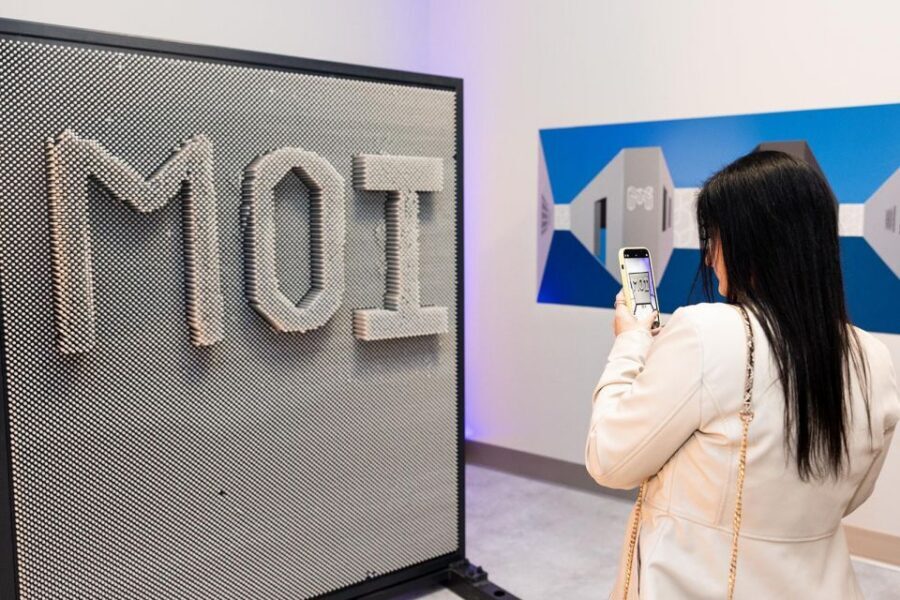
The Museum of Illusions Chicago sits right in the Chicago Loop, which is a win if you’re already doing downtown sightseeing. The ticket is a timed entrance, and it’s meant for a specific date and time you book. In plain terms: don’t wander in whenever you feel like it. Show up for your slot, check in at the front desk, and you’ll get the green light to start.
This isn’t a guided walking tour with a narration-heavy format. Instead, you’re basically given access to a set of exhibits and rooms that are designed for hands-on looking—plus a dedicated area for brain games. There’s an English host or greeter on hand, and the museum is wheelchair accessible, so you’re not guessing how to get started.
If you’re planning the rest of your day, the Loop location matters. You can pair this with other downtown stops without burning half a day on transportation.
You can also read our reviews of more tours and experiences in Chicago



How long you really need (45–60 minutes inside)

The museum sets expectations clearly: plan for about a 45 to 60-minute visit inside. That time estimate is the practical piece to take seriously. More than one family-style outing likely ends with the same feeling: you hit a few favorites and then realize you’ve got less time than you thought.
So here’s the strategy I’d use: decide what you want most—big optical illusion rooms, brain puzzles, and photos—then don’t try to do everything perfectly. You can still have fun while moving at a good pace. The museum is built so you can get a lot out of each stop without needing a long, slow read.
Also remember: the ticket is valid only for the date and time you booked. That makes timing part of the experience, for better or worse. If you show up late, you’ll likely lose momentum right when the illusions are meant to hook you.
The illusion lineup: Tilted gravity, Ames size tricks, and wall-walking

If you like interactive set pieces, you’ll feel it immediately. The museum highlights several rooms that are basically built for “try it, then react” moments—like you’re watching science class become a photo studio.
The Tilted Room is all about defying gravity. Your eyes will try to correct what your body is doing, and the result is that slightly wobbly, laughing-while-you-pose feeling that makes these places so good for groups.
Next is the Ames Room, where you grow and shrink. This is the kind of illusion that’s surprisingly personal: you see the change in scale happen in front of you, and it’s hard to ignore because you’re the subject. It’s also a great “pass the camera” experience—one person stands, another frames, and you repeat until you get the shot you’re actually trying to make.
Then comes the Rotated Room, which lets you walk on walls. If gravity sounds like the whole gimmick, this room proves it isn’t. The brain tries to keep the world level, but the setup nudges you into a different orientation, and your balance becomes part of the illusion.
My advice: treat these rooms like performances. Keep your camera ready, move through at a pace that lets you re-position without turning it into a bottleneck, and don’t wait until the end to try them. These are the most “make a memory” stops, and you’ll want them early.
Infinity Room, Vortex Tunnel, and the rooms designed for photos

A big part of the Museum of Illusions Chicago is photo-ops—smart, practical photo spots where the whole point is how your body looks in the wrong setting.
In the Infinity Room, you get the effect of infinite space. The wow factor here is that it doesn’t feel like a gimmick once you’re standing in front of it. It’s the kind of setting where small changes in your angle can make the illusion feel stronger—or weaker—so plan to take a few tries.
The Vortex Tunnel is meant to confuse your mind. This is one of those rooms that plays with motion and perception, and it’s perfect if you enjoy being slightly unsettled in a fun way. Expect it to feel different than the static “look at a picture” illusions, since your brain is trying to interpret what’s happening to you in real time.
If you want quick, iconic posing moments, the museum includes the Beuchet Chair, where you pose like you belong in a “wrong” perspective world. And for group fun, the Clone Table is built for doppelgangers—meeting yourself in a way that’s both goofy and surprisingly convincing once you’re in the frame.
Smartphones work great here, and I’d make sure yours is charged. These rooms are designed for quick snaps and multiple angles, so you’ll be tempted to shoot first and analyze later. That’s part of the payoff.
Smart Playroom games: memory, cognition, and friendly competition
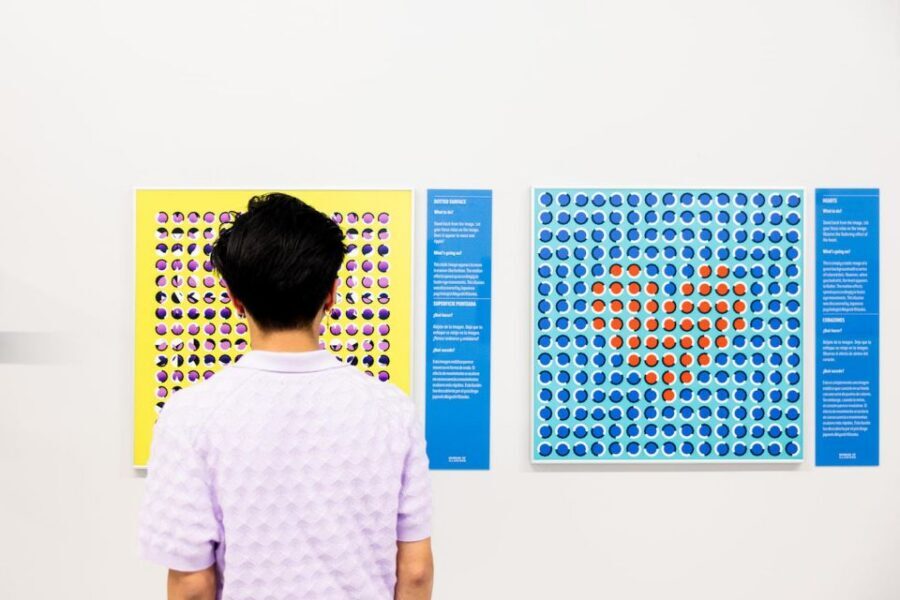
The Smart Playroom is the part I’d call “the payoff for brainy people.” Instead of focusing only on sight, it shifts into memory and cognition puzzles. You get games that help stimulate problem-solving skills and memory, plus there’s a friendly competition element built into the idea of playing together.
This is a smart design choice because it balances the experience. When you spend time in optical illusion rooms, your brain is already doing weird work—then the Smart Playroom channels that energy into puzzles you can actually feel improving your focus. It’s not just entertainment; it’s a “do something with your brain” finish.
Also, keep an eye on the timing. The whole visit is planned for around 45–60 minutes inside, so don’t leave the Smart Playroom for the last 10 minutes. If you do, you’ll get through it quickly and miss the fun of actually trying the games.
And if you get attached to any of the Smart Playroom challenges, there’s a Smart Shop onsite where you can buy many of the games you see plus Museum of Illusions merchandise.
You can also read our reviews of more museum experiences in Chicago






What the ticket includes—and what to plan around

Your timed entrance ticket includes entrance to the Museum of Illusions Chicago and all exhibitions, plus local taxes and fees. That’s helpful because it keeps the experience straightforward: there’s no separate cost to access the core rooms once you’re in.
Food and drinks are not included, and food and drinks are also not allowed inside. That affects your planning more than you might expect. If you need a snack break, build it into the surrounding time before or after your museum entry. The museum itself is about short, concentrated play, so don’t plan on treating it like a long lunch stop.
Price and value: is $40 fair for what you get?
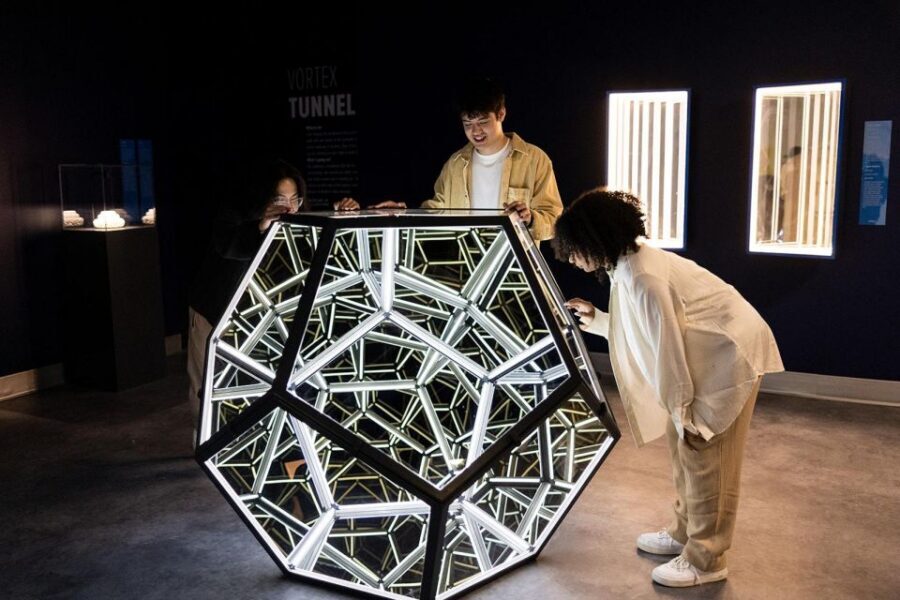
At $40 per person, this museum sits in the mid-range for a downtown attraction. Whether it feels like a good value comes down to your expectations.
For families and groups, the math often works because you’re buying access to a set of interactive rooms plus a brain-game area, all in one ticket. You’re also paying for the built-in “wow factor” of rooms that create immediate, shareable results—like Tilted Room poses and Infinity Room photos. If you go with kids (or just like being a kid), it can feel like you’re getting more playtime per dollar than a standard museum stop.
For adults who prefer long, quiet exhibitions or deep reading, the short inside time may make it feel pricier. The experience is designed to be fun and moving, not a multi-hour museum crawl.
Here’s the most honest way to judge the value before you book: if optical illusions and interactive rooms are your kind of activity, $40 makes sense for a downtown day. If you want a full-day museum with lots of text and artifacts, you might feel rushed.
Who this museum suits best (and who may want a different plan)
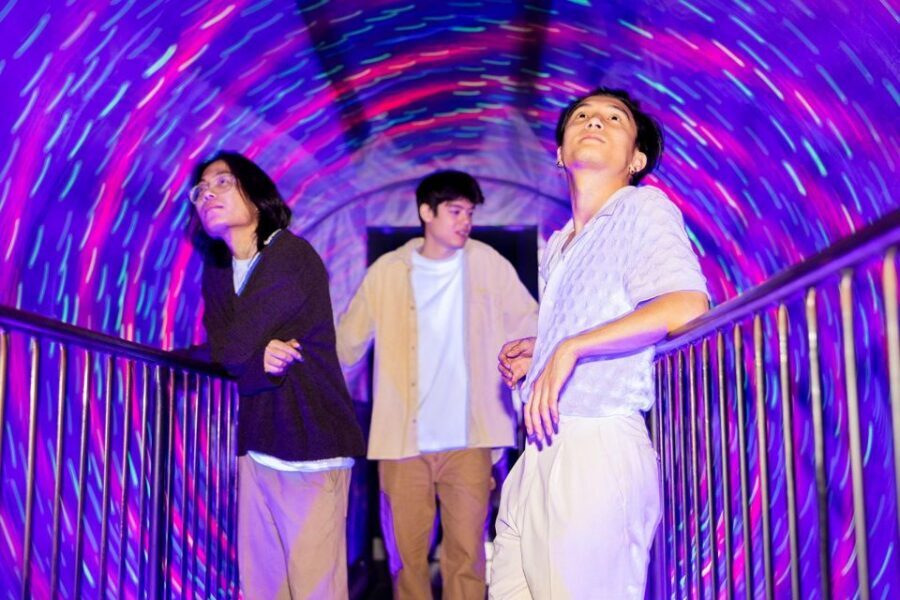
This fits best if you want a hands-on break from walking around Chicago with a map. It’s also a solid choice for families because the rooms are set up for group participation—defying gravity, growing and shrinking, and walking on walls are naturally “together” activities.
Kids under a certain age get a break too: children 4 and under are free and don’t need a ticket. That can make the total family cost easier to manage.
Solo travelers can also enjoy it. The museum is built for posing and trying different angles, so you’re not dependent on someone else knowing what to do with your camera—though you may still want to plan how you’ll take photos.
If you’re someone who hates “clock pressure,” the 45–60 minute inside plan might be the only thing that bothers you. In that case, you’ll want to be strategic: start with your must-see rooms, then let the rest be a bonus.
Should you book? A practical yes-or-no

I’d book this ticket if you want a compact, downtown-friendly activity where you actively do the science with your body—gravity tricks, size illusions, and photo-ready rooms—then finish with Smart Playroom games that test memory and cognition.
I’d skip it if you need a longer, reading-heavy museum experience. The inside visit is intentionally short, and $40 only feels right when you’re excited by the “try it, pose it, then play the puzzles” format.
If you’re planning a Chicago Loop day with room for something fun and slightly weird, this is one of the easier “worth the time” choices.
FAQ
How long should I plan to spend inside?
Plan on about a 45 to 60-minute experience inside the museum.
Where do I check in?
Check in at the front desk. You’ll mention your booking name when you arrive.
Is the timed ticket valid only for the booked time?
Yes. Your ticket is valid only for the date and time you booked.
Are food and drinks allowed?
Food and drinks are not allowed.
What’s included with the ticket?
Your ticket includes entrance to the Museum of Illusions Chicago and all exhibitions, plus local taxes and fees.
Is there a Smart Playroom?
Yes. The Smart Playroom has games that stimulate memory and cognition, and you can compete with friends and family.
Can kids enter for free?
Children 4 and under are free and do not need a ticket.
Is the museum wheelchair accessible?
Yes, it is wheelchair accessible.
Is the experience offered in English?
Yes, the host or greeter speaks English.
Can I cancel or change plans?
There’s free cancellation up to 24 hours in advance for a full refund, and you can reserve and pay later (book your spot and pay nothing today).