REVIEW · WALKING TOURS
Walking Tour: Chicago’s Prairie Ave Dist. – Street of the Elite
Book on Viator →Operated by L Stop Tours · Bookable on Viator
One street tells a lot about Chicago. This walking tour along Prairie Avenue mixes classic architecture with real neighborhood texture, from music history to elite home life around 1900. I like that it runs with a small group (so conversations stay human), and I love the pacing: you get real interiors on a schedule that still leaves time to look up and notice details as you walk.
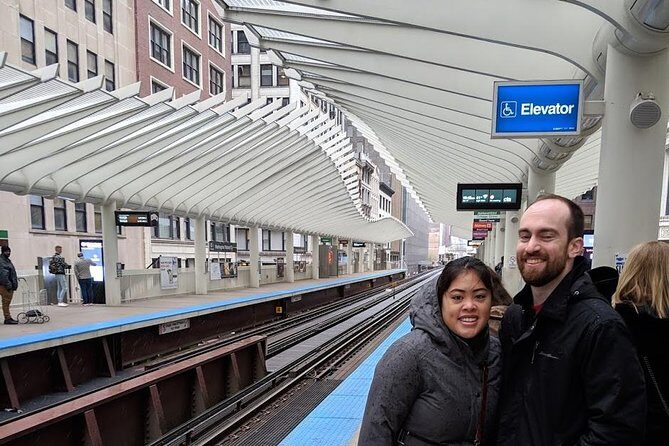
The tour is also practical. You start at the Chicago Athletic Association, hop the Green Line to the Prairie District, then finish back in the Loop at the Palmer House with a sweet treat. One thing to consider: you’ll be walking and using the L, and the tour notes that not all stations have elevators, so plan for stairs.
In This Review
- Key things I’d highlight before you go
- Prairie Avenue: a quick way to see elite Chicago and everyday blocks
- The Chicago Athletic Association start and a real feel for the L
- Tip for your brain: watch how the tour sets up the day
- Chess Records: blues history you can feel in a walk-in stop
- What to expect
- Second Presbyterian Church: when architecture becomes a mini lesson
- A practical note
- The Spoke & Bird cafe break: a neighborhood pause, not a food tour
- How to use this stop well
- Glessner House Museum: elite domestic life, explained in plain terms
- Why this stop gives value
- Clarke House Museum in 10 minutes: oldest house in Chicago, quick context
- What to do during a brief stop
- Palmer House Hilton Historic Lobby: the Loop finale and that sweet treat
- Why the final stop matters
- Price and value: how $80 works out on a guided, guided-day schedule
- Who should book this Prairie Avenue walking tour
- Should you book it?
- FAQ
- How long is the walking tour?
- What is the price per person?
- What’s the group size limit?
- Where does the tour start and where does it end?
- What time does the tour start?
- Is public transportation used during the tour?
- Are entrance fees included?
- Is food included?
- How much walking should I expect?
- What if I need to cancel?
- Who guides the tour?
Key things I’d highlight before you go
- Small-group pace with a max of 8 participants (and up to 10 travelers), which keeps the tour from feeling rushed
- Docent-led mini tours at the Second Presbyterian Church and Glessner House Museum
- Chicago blues history at Chess Records, included without an admission fee
- A neighborhood cafe stop where purchases are optional, so you control costs and dietary needs
- Loop finale at Palmer House with an interior look plus a sweet treat to end things right
Prairie Avenue: a quick way to see elite Chicago and everyday blocks
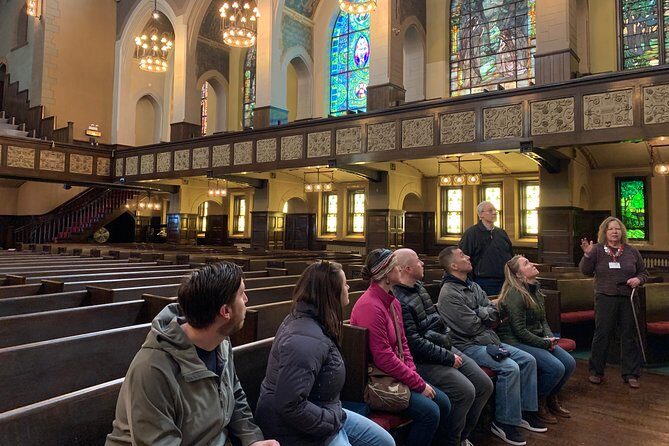
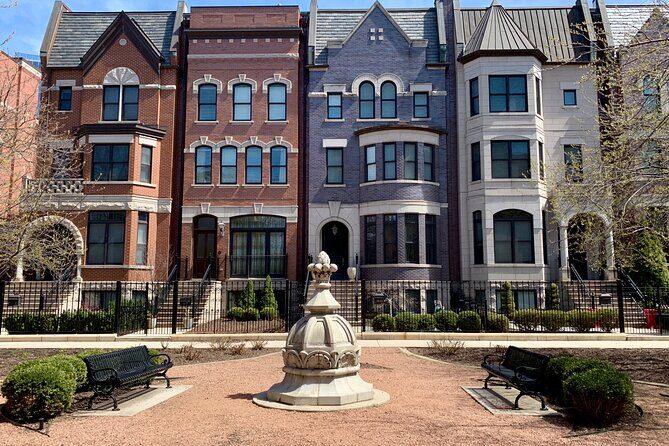
If you’ve only done the usual Chicago highlights, this tour gives you a different angle on the city. Prairie Avenue is tied to how Chicago’s post–Civil War wealth shaped the city’s buildings, streets, and even its sense of identity. You’ll walk through a part of town that still feels like a district, not a set of isolated photo spots.
I like that the tour doesn’t treat this neighborhood like a static postcard. It connects architecture and institutions to the kind of Chicago life people were living around the turn of the 20th century. You’ll also get time on the sidewalk, not just inside places, which makes it easier for you to picture what daily movement looked like back then.
You can also read our reviews of more walking tours in Chicago

The Chicago Athletic Association start and a real feel for the L
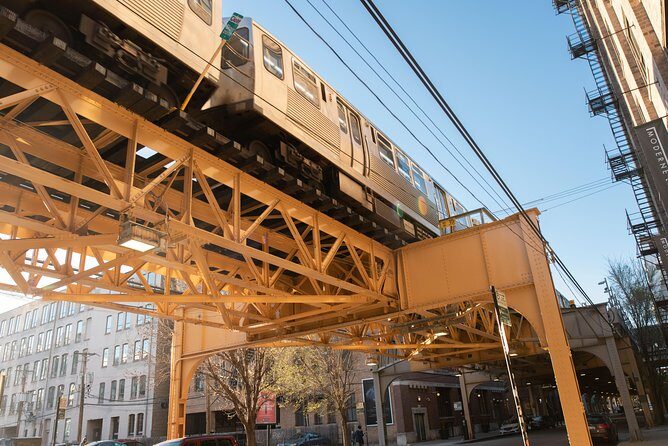
You meet at the Chicago Athletic Association (12 S Michigan Ave). It’s a great choice because the building looks and feels like Chicago itself—grand, but not sterile. The morning begins with a guided tour of the hotel’s historic character, then you head to Washington & Wabash to board the Green Line.
This is one of the most useful parts for first-timers who don’t want to guess. Riding the L with a plan helps you feel oriented fast, and it matters because the rest of the day depends on knowing where you are and where you’re going. Transit tickets are included, so you can focus on the experience instead of doing mental math with fares.
Tip for your brain: watch how the tour sets up the day
You’re not only traveling to stops. You’re being taught how the route fits the story of Chicago’s growth—Loop to neighborhood, then back again. That context makes each location land harder than if you just showed up on your own.
Chess Records: blues history you can feel in a walk-in stop
The tour includes a stop at Chess Records, where you’ll learn about the building connected to some of Chicago’s influential blues music. It’s a short visit, but it’s timed well: you get it early enough to set a mood before the more formal architecture stops.
The best part here is that you’re not being asked to sit through a lecture-heavy museum experience. You’re learning while walking a small stretch nearby, and the time block stays reasonable. Admission here is free, which is a nice bonus on a day that already includes paid docent visits elsewhere.
What to expect
You’ll likely come away with a better sense of how music and place overlap in Chicago, especially in neighborhoods where culture grew through local venues and recording history. If you’re into music at all, you’ll probably find this is the stop that makes the whole day feel more human.




Second Presbyterian Church: when architecture becomes a mini lesson
One of the included interior moments is the Second Presbyterian Church of Chicago. You get a private docent-led mini tour, which is exactly what you want on a building like this. A guide helps you notice what you’d otherwise skip—design choices, structure, and the reason the space matters.
This stop runs about 40 minutes, so it’s long enough to feel like you actually saw the place, not just passed through it. Admission is included, which means you can treat it like a core experience rather than a random add-on.
A practical note
Churches can be quiet and a bit more formal in tone than cafes or hotels. Dress a little respectfully, and be ready to slow down and listen. If your attention span is short, the docent format is still your friend—it keeps the time focused.
The Spoke & Bird cafe break: a neighborhood pause, not a food tour
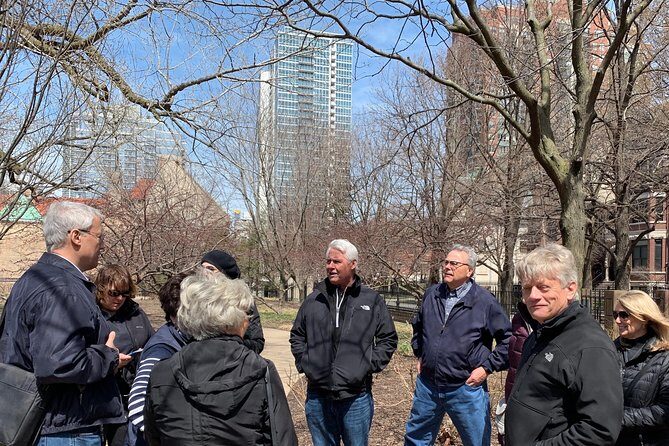
Between major sites, you’ll take a break at The Spoke & Bird. This is an employee-owned and woman-owned cafe, and it’s built into the tour as a snack-and-drink moment where purchases are optional.
Since food and beverages aren’t included overall, this is a smart setup. You can grab something if it helps your energy, but you’re not locked into paying for a meal plan. If you have dietary needs, you’ll appreciate being able to choose what you want rather than being forced into one option.
How to use this stop well
Use the cafe time like a reset. Try the snack or a drink if you need it, then use the last minutes to plan how you’ll pace the remaining museum and historic-home stops. This break keeps you from arriving exhausted at the Glessner House Museum.
Glessner House Museum: elite domestic life, explained in plain terms
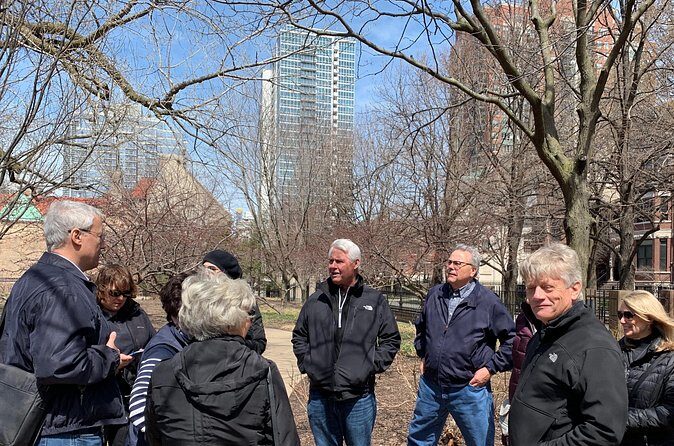
The Glessner House Museum is one of the day’s big architecture-and-history anchors, and you get a private docent-led mini tour. That matters because elite homes can be hard to interpret from the outside. Inside, a guide can explain how spaces worked—what people prioritized, how rooms functioned, and how the home reflects its era.
You’ll spend about 40 minutes here, and admission is included. That time is enough to see the place as more than a pretty exterior. You’ll also get the kind of “why it looks like that” details that make architecture feel less abstract.
Why this stop gives value
This tour is priced like a full guided day, not like a quick stroll. So the places that include paid access and guided interior time are what justify the price. Glessner House is one of those stops where you’re paying for expertise, not just entry.
Clarke House Museum in 10 minutes: oldest house in Chicago, quick context
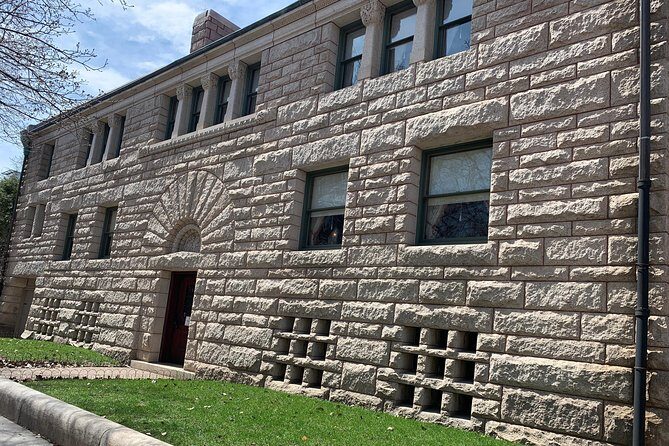
You also visit the Clarke House Museum, described as the oldest house in Chicago. It’s a short stop—about 10 minutes—and it works as a compact “anchor point” for the day.
In a short window, the goal isn’t deep study. The goal is to give you a footing: what early elite Chicago looks like, and how that connects to the later turn-of-the-century prosperity you see around Prairie Avenue. If you’re the type who likes to take a mental map and move on, this timing will probably feel right.
What to do during a brief stop
Go in with one question: how does this early example change the way you read the later homes? Even if your time is limited, asking helps you get more meaning from what you see.
Palmer House Hilton Historic Lobby: the Loop finale and that sweet treat
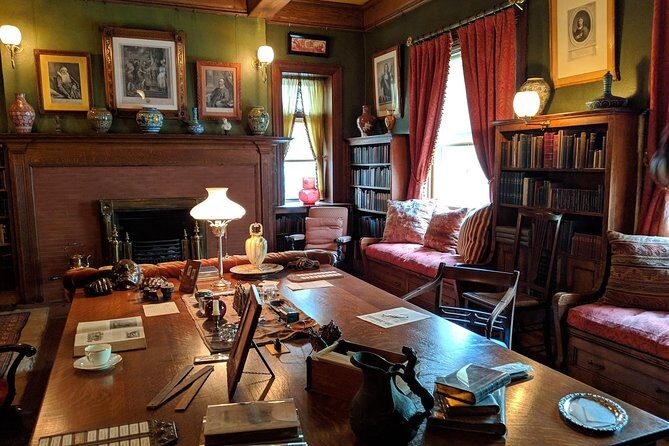
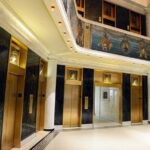
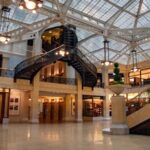
After you ride back to the Loop, the tour ends at the Palmer House Hilton Historic Lobby. You’ll explore the beautiful interior of this famous hotel, then finish with a sweet treat.
This is a strong ending because it gives you a “full circle” feeling. You started at another landmark in the Loop, and you end at one too, but with a whole new understanding of how neighborhoods shaped Chicago. The sweet treat sounds small, yet it’s a morale booster after several guided stops.
Why the final stop matters
Many walking tours end with a dispersal point. This one ends with a guided interior moment plus food at the end, so you leave with a clear memory hook. It helps the day stick, especially if you like details you can picture later.
Price and value: how $80 works out on a guided, guided-day schedule
At $80 per person for about 4 hours, this isn’t a “cheap and cheerful” stroll. But it’s also not trying to be a big-ticket museum day. The value comes from three things you usually pay for separately: transit help, guided interior access, and docent time.
Here’s what you’re effectively covering based on what’s included:
- Transit tickets for getting from the Loop to the Prairie District and back
- Church and Glessner House donation/fee where guided interior time is part of the experience
- Local expert guide guiding you through history and architecture rather than leaving you to figure it out solo
Food and beverages aren’t included, so you control your spending at the cafe. That’s a fair trade: you get guided time where it counts, while meals stay flexible.
Also, the reviews reflect a consistent theme: people felt it was worth it because the guide connected the dots. One name that came up was Tom, and the feedback highlighted his breadth of Chicago knowledge. When a tour hits that balance—information plus pacing—you end up feeling like you bought direction, not just entertainment.
Who should book this Prairie Avenue walking tour
This is a good match if you:
- want architecture and neighborhood history without having to plan every stop yourself
- like guided interiors (churches, house museums, historic hotel spaces)
- enjoy walking, but prefer a schedule with clear timing
- care about Chicago music history too, thanks to the Chess Records stop
You might want to think twice if you:
- dislike stairs or tight station layouts, since the tour notes elevators aren’t guaranteed at all L stops
- want a long food-focused experience, since purchases at the cafe are optional and meals aren’t included
- need nonstop movement; there are sit-and-listen moments inside the church and house museums
Should you book it?
Yes, if you want a Chicago day that feels specific and local, not generic. The pairing of Prairie Avenue architecture, institutional interiors, and a meaningful music-history stop makes the tour feel more varied than a single-theme walk. And the small-group size is a practical win: you get better attention, and the guide can actually answer your questions.
Book it especially if you’re the type who enjoys learning while you’re moving—looking up at facades, then stepping inside where a docent explains what you’re seeing. If you’re chasing photos only, you might find other tours simpler. If you want stories you can picture, this one is a solid bet.
FAQ
How long is the walking tour?
It runs for about 4 hours.
What is the price per person?
The price is $80.00 per person.
What’s the group size limit?
It’s described as a small-group tour with a maximum of 8 participants, and the additional tour info states a maximum of 10 travelers.
Where does the tour start and where does it end?
It starts at the Chicago Athletic Association, 12 S Michigan Ave, Chicago, IL 60603, and ends at Palmer House, 17 E Monroe St, Chicago, IL 60603.
What time does the tour start?
The start time is 10:00 am.
Is public transportation used during the tour?
Yes. The tour includes transit tickets and includes riding the L (you board the Green Line to reach the Prairie District and return to the Loop).
Are entrance fees included?
Church and Glessner House donation/fee are included, while Chess Records, The Spoke & Bird, Clarke House Museum, and Palmer House are listed as free admissions or not requiring admission fees within the tour.
Is food included?
Food and beverages are not included. There is a cafe stop where purchases are optional, and the tour ends with a sweet treat.
How much walking should I expect?
You should have a moderate physical fitness level, and the tour notes that some stations may involve stairs since not all train stations have elevators.
What if I need to cancel?
You can cancel for a full refund if you cancel at least 24 hours before the experience’s start time. Free cancellation is available up to 24 hours in advance.
Who guides the tour?
You’ll have a local expert guide. In one set of feedback, the guide was named Tom.