REVIEW · CHICAGO
Chicago: Prohibition-Era Culture & Architectural Treasures
Book on GetYourGuide →Operated by Intrepid Urban Adventures · Bookable on GetYourGuide
Chicago has a way of mixing old crime, big ambition, and great architecture. This walking tour connects the dots from Prohibition-era culture to the buildings that still define downtown. You’ll cover major sights on foot, with a sweet stop that actually feels like part of the story.
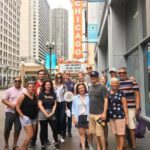
I like that the route is built around real architectural landmarks, from the Chicago River and Riverwalk to the city’s bigger showpieces. I also love the small-group feel, where guides like Rich, Bash, Dash, and Dave are described as patient and personable with lots of practical Chicago tips.
One thing to consider: it’s a steady walk for about 4.8 km (3 miles), and it runs in rain, shine, or snow. If you’re sensitive to cold or heat, wear your most reliable shoes and plan to keep moving.
In This Review
- Key things you’ll notice on this Prohibition-era walk
- Why Prohibition-era Chicago shows up in today’s skyline
- Starting at the Chicago Theatre: the tour’s tone in one block
- Pedway, City Hall, and the Picasso stop: modern city layers in motion
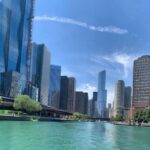
- The Chicago River and Riverwalk: where the skyline tells the story
- Wrigley Building and the Magnificent Mile: commerce and a fast visual taste
- Chicago Cultural Center: the inside stop (and the snack that breaks the spell)
- Millennium Park and Cloud Gate: the finale with lunch ideas attached
- Guides make the difference: what the best ones do
- Price and pace: is $34 really good value for 2.5 hours?
- Who should book this tour (and who might skip it)
- Should you book Chicago’s Prohibition-Era Culture & Architectural Treasures tour?
- FAQ
- How long is the tour?
- Where does the tour start?
- Where does the tour end?
- How much walking is involved?
- What’s included in the price?
- How big is the group?
- Is the tour child-friendly?
- Does the tour run in bad weather?
- Can the tour accommodate vegetarian or dietary needs?
- Is the tour carbon neutral or eco-focused?
- Can I cancel and rebook if my plans change?
Key things you’ll notice on this Prohibition-era walk
- Prohibition-era legacy in street-level stories tying culture to how Chicago grew and built
- Riverwalk architecture focus, with major sights along the Chicago Riverfront
- Art Deco detours at London House and the Du Sable Bridge area
- Chicago Cultural Center + a popcorn tasting that breaks up the walking
- Millennium Park finale at Cloud Gate (the Bean) with lunch and sight tips from your guide
- Small-group attention with up to 16 participants (and often far fewer in practice)
Why Prohibition-era Chicago shows up in today’s skyline
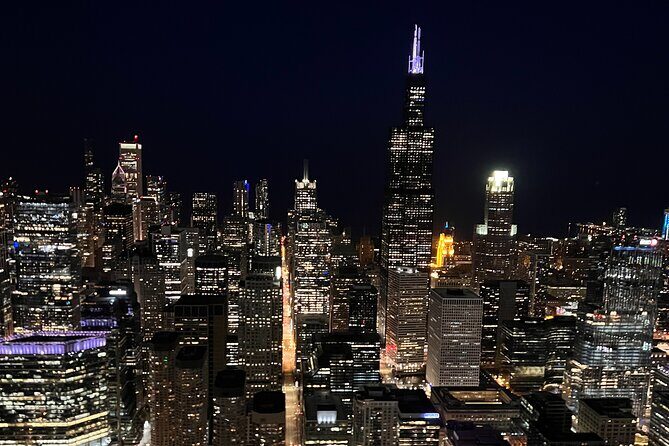
Chicago’s Prohibition-era story isn’t just a historical footnote. On this tour, you’ll learn how that era shaped the city’s growth and influenced the way Chicago built and re-built itself, block by block. The guide frames the skyline as something you can read like a timeline.
What makes this angle work is that you’re not stuck in a classroom. You’re moving through downtown where architectural styles, civic buildings, and commercial towers all carry meaning. I like that it turns famous landmarks into context, not just photo stops.
You’ll also see the city’s push toward the future alongside the past. Even the modern touchpoints in the route help explain how Chicago’s identity kept evolving after Prohibition changed the city’s habits and economy.
You can also read our reviews of more tours and experiences in Chicago.
Starting at the Chicago Theatre: the tour’s tone in one block
The tour kicks off at the Chicago Theatre, underneath the marquee on N. State Street. This is a strong starting point because it sets you in the middle of Chicago’s show-world energy right away, before the walk slows into details.
From here, your guide typically frames what you’ll see next: how today’s landmarks connect to culture, commerce, and architectural ambition. It’s the kind of intro that helps you understand why a riverfront building matters or why a civic stop isn’t just a pretty facade.
If you’re the type who likes a plan, you’ll appreciate how the tour moves in a logical downtown flow. It’s not random wandering, and that matters when you only have about 2.5 hours.
Pedway, City Hall, and the Picasso stop: modern city layers in motion
After the theatre, you’ll head into the Chicago Pedway area for about 20 minutes with a guided walkthrough. This segment gives you a different angle on downtown circulation and how people move through the core. It also helps break up the outdoor pace so you’re not doing all 3 miles in one continuous stretch.
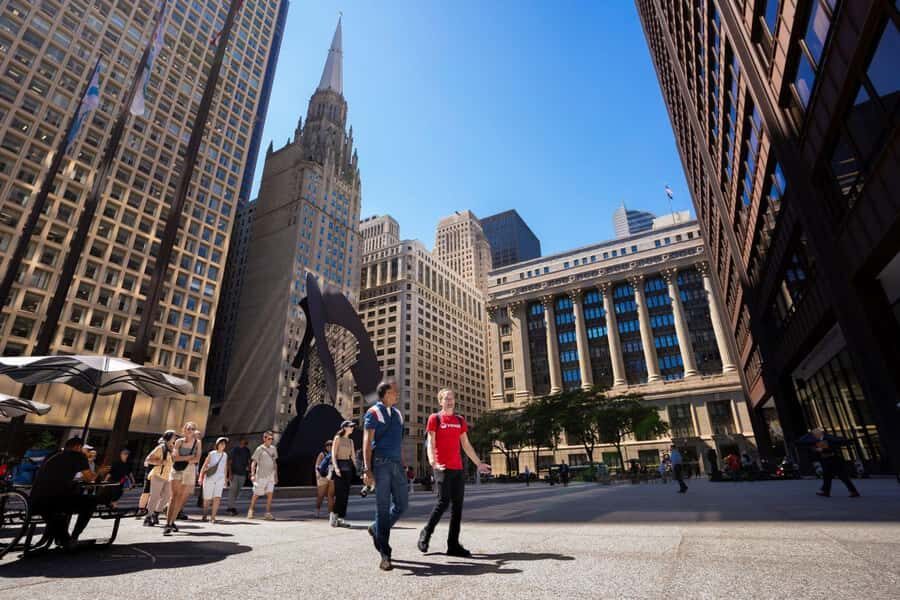
Next comes Chicago City Hall, where you get a guided look while you walk. This is where the tour leans into what makes Chicago feel like a major civic center, not just a commercial one. Even if you’re not an architecture nut, a stop like this helps you understand how the city projects authority and stability.
Then you’ll hit the Chicago Picasso Statue for a shorter guided stop (about 10 minutes). That stop is a reminder that public space isn’t frozen in time. It’s Chicago showing its modern voice while you’re still learning the Prohibition-era thread earlier in the route.
The Chicago River and Riverwalk: where the skyline tells the story
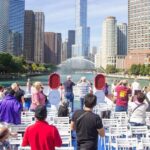
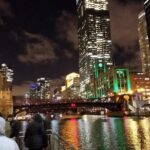
This part of the tour is the big visual payoff. You start with the Chicago River for about 20 minutes, then continue to the Riverwalk for another 20 minutes. Your guide uses the waterfront to explain key buildings and what to notice as you look across and up.
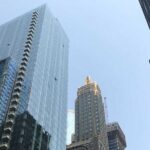
On the Riverwalk stretch, you’ll learn about major landmarks including Willis Tower, Marina Towers, and the Jewelers Building. This is the zone where the tour’s “read-the-city” approach really kicks in, because buildings line up in ways you don’t get from faraway views.
A particularly fun detail here is the Art Deco focus. You’ll see Art Deco designs linked to London House and the Du Sable Bridge. That matters because it shows how Chicago’s style changes over time, not just how tall it can get.
And yes, you’ll get plenty of photo moments. But the real value is that you learn what you’re looking at. The guide helps you understand why these shapes and styles show up here, and how Chicago’s growth after major cultural shifts left fingerprints in architecture.
Wrigley Building and the Magnificent Mile: commerce and a fast visual taste
After the riverfront, you’ll move toward the Wrigley Building. This is one of those stops where you can get the “Chicago business” feeling quickly, because the building is instantly identifiable. Your guide’s commentary adds meaning, tying architecture to the city’s commercial drive.
Then you’ll pass through the Magnificent Mile area for about 10 minutes. This is a short segment by design, so you get a taste of the downtown energy without losing time. If you want shopping, you’ll have ideas of where to go next; if you want architecture, you’ll still get enough guidance to spot what’s important.
The pace stays controlled. Several guide-focused comments highlight that tours can feel flexible in the moment, with guides who adjust to the group and keep things moving at a comfortable walking speed.



Chicago Cultural Center: the inside stop (and the snack that breaks the spell)
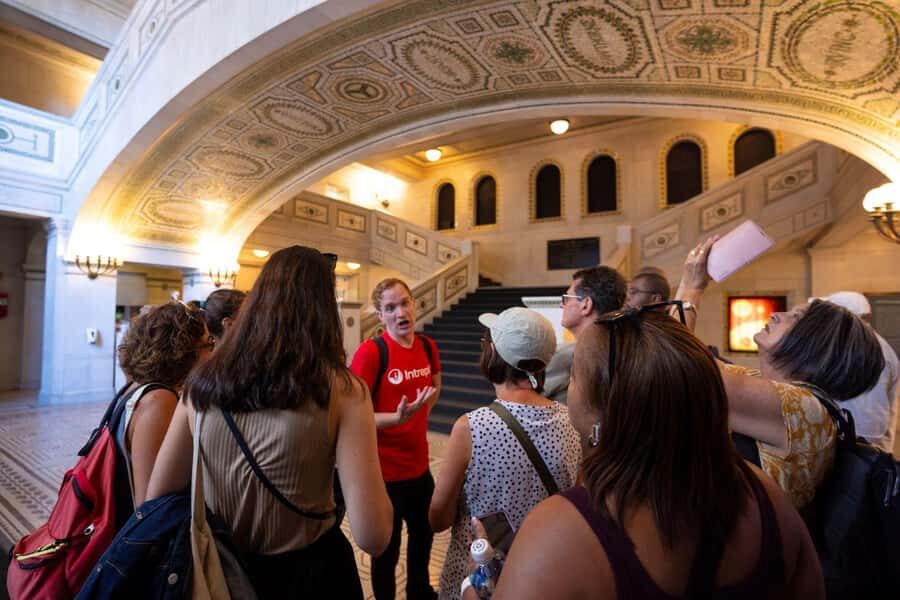
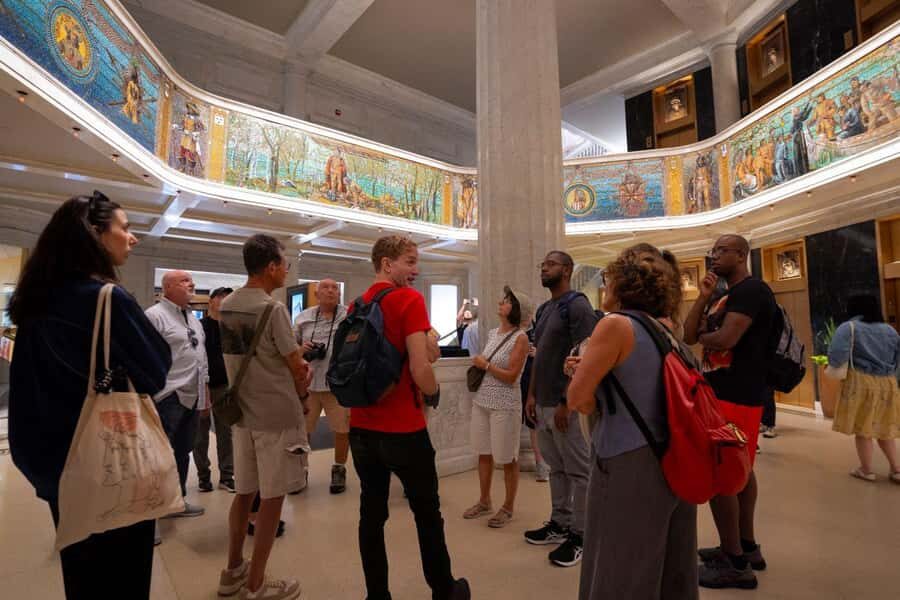
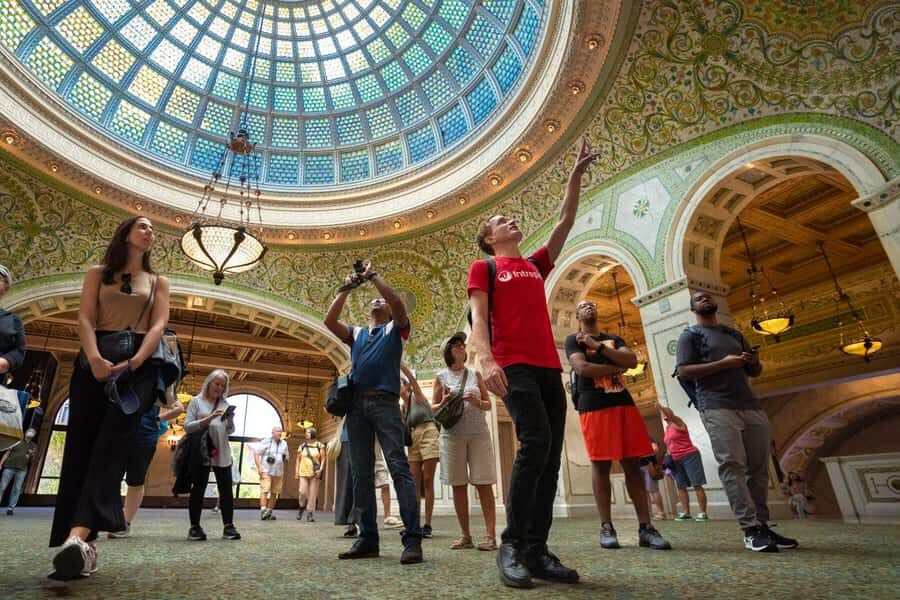
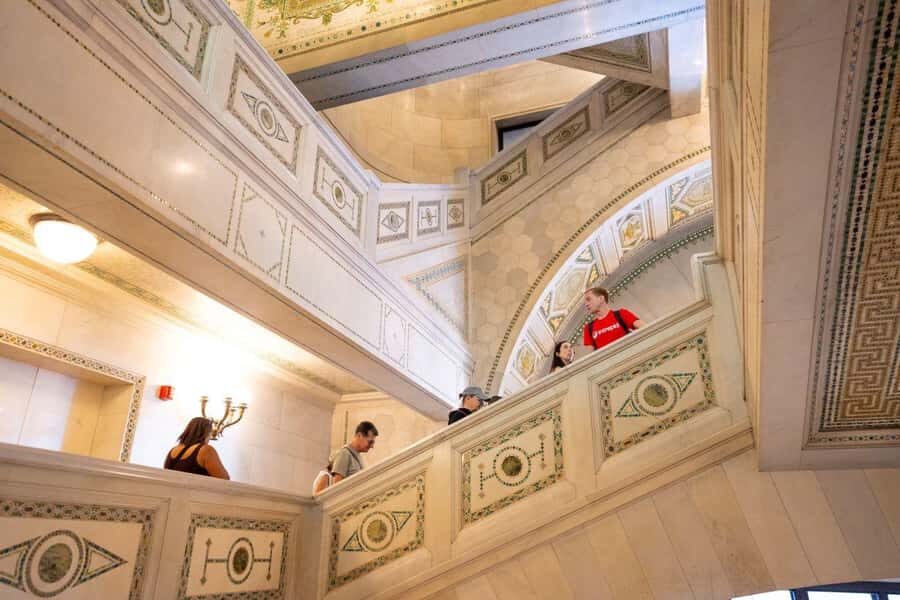
One of the best moments on this tour is Chicago Cultural Center, described as a stunning architectural gem. This stop matters because it adds variety. You’re no longer just scanning exteriors; you get a chance to slow down and notice details.
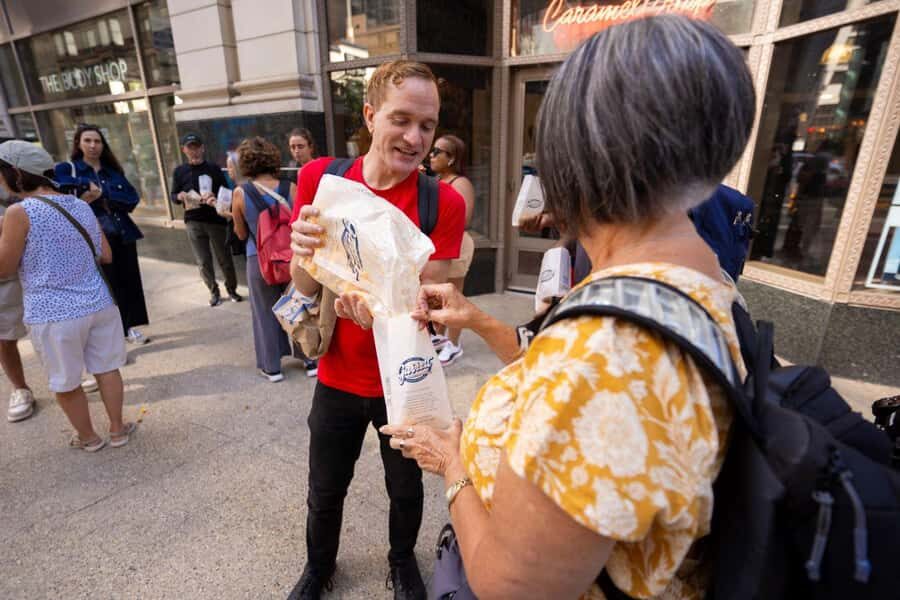
This is also where the local sweet treat shows up. You’ll enjoy a popcorn tasting tied to Chicago-style flavors. The snack is not an afterthought, either. It gives you a short reset in the middle of the walk so you can keep enjoying the rest of the landmarks with energy.
Popcorn may sound simple, but it’s a smart way to make a walking tour feel local. Food helps anchor the memories. A few people also mentioned sweet add-ons like Garrett’s Popcorn and Fannie May Chocolate, which supports the idea that you’ll leave with more than one bite to talk about.
One practical note: you can get vegetarian options, but the tour can’t accommodate other food allergies or dietary preferences. If you have strict allergy needs, don’t wait—notify in advance.
Millennium Park and Cloud Gate: the finale with lunch ideas attached
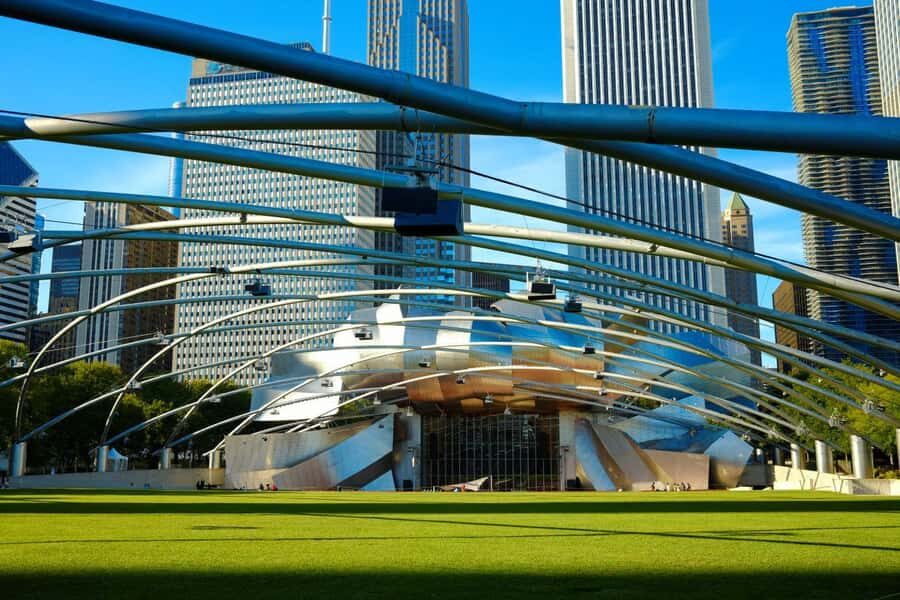
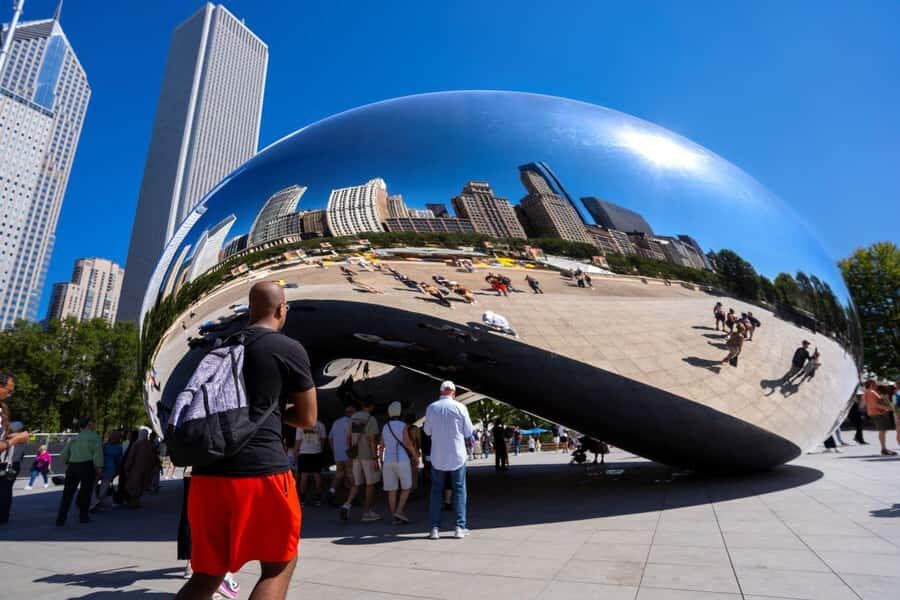
By the time you reach Millennium Park, you’ve earned the payoff. The route takes you there for about 20 minutes with guided walking, and then you’ll spend time at Cloud Gate (the Bean) on the final stretch.
Cloud Gate is the kind of landmark people recognize instantly, but the tour’s real help is timing and context. You’re finishing the walk with a clear destination, so you don’t feel rushed once you’re there. It’s also the ideal place to take a breath, stretch your legs, and grab photos without hunting for the best angles on your own.
What I’d call out for your planning: your guide will offer recommendations for lunch and additional sights once you’re at the park. That’s useful because Millennium Park sits in the center of the visitor web, where it’s easy to eat at the first convenient place. Ask your guide what’s nearby and what’s worth your limited time.
If you’re pairing this with another half-day activity, Millennium Park is a strong final anchor. It’s easy to continue from there to nearby neighborhoods because you’re already in the right zone.
Guides make the difference: what the best ones do
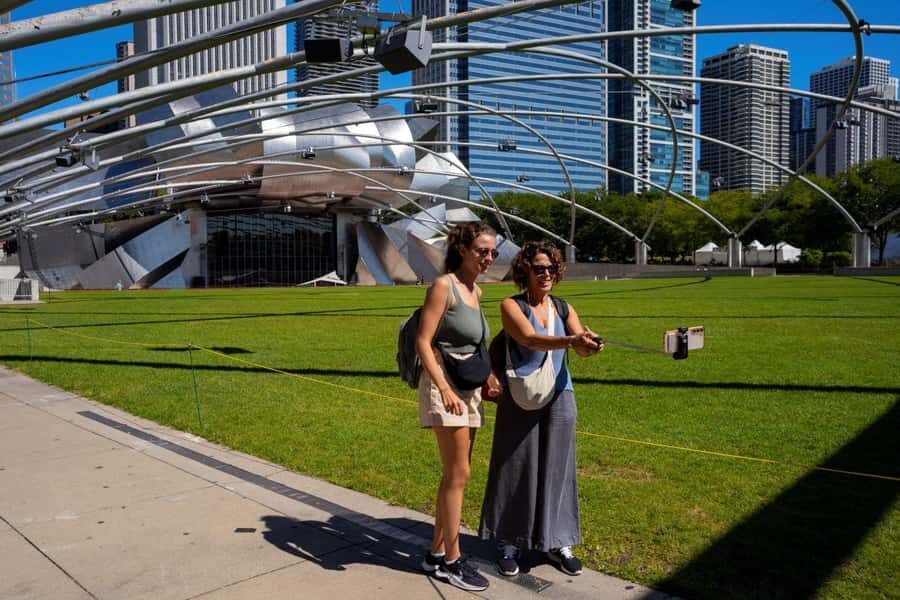
This tour gets top marks for the people leading it, and that’s not random. When guides like Bash and Dash share their love for Chicago and its history, the walk becomes more than facts-on-street-corners. You get stories that make buildings feel like characters instead of just structures.
A common theme in feedback is that guides are patient and tuned in. People mention being able to ask questions, getting good pacing, and feeling like the guide kept an eye on the group. That’s exactly what you want on an architecture-heavy walk, where interest can shift from one person to the next.
If you’re planning to go on a trip where you want a faster learning curve, pay attention to guide personality. The tour style seems to work well when the guide is upbeat and willing to offer practical suggestions, not just recite dates.
And since the tour is described as carbon neutral and operated by a B Corp certified company using travel as a force for good, it’s also the kind of experience that aligns with responsible-tour values without sacrificing the fun parts.
Price and pace: is $34 really good value for 2.5 hours?
At $34 per person for about 2.5 hours, the value comes from three things you actually use: a live English-speaking guide, guided walking through top architecture areas, and a popcorn tasting.
Many architecture tours only give you the “what,” like names and locations. This one works better because you’re walking through a chain of connected stops, with explanations that link the Prohibition-era theme to how Chicago grew. You’re also getting help with where to look and what details matter as you move between sights.
The small-group size helps too. With a cap of 16 participants and notes about groups as small as 12, you’re more likely to get time for questions and better attention if someone needs a breather. For a walking tour, that’s a real quality-of-life factor.
Pace-wise, you should plan for about 4.8 km (3 miles). That’s very doable for most active adults, but it can feel like a longer day if you also have lots of museum time. Bring comfy shoes and weather-appropriate clothing, and you’ll be happier once you hit the river and again at Millennium Park.
Who should book this tour (and who might skip it)
This is a good fit if you’re:
- A first-time visitor who wants major Chicago landmarks in a short window
- Interested in how culture affects architecture and city growth
- The kind of traveler who likes a guide to point out what matters while you walk
- Traveling with kids (it’s child-friendly, and children under 6 can join free)
You might want to consider skipping or choosing something else if:
- You don’t enjoy walking for around 3 miles total
- You have allergy needs beyond vegetarian (the tour can’t accommodate other food allergies or dietary preferences)
- You’re looking for a purely deep-history tour with no snack and no skyline focus
If you like a blend of storytelling and “let’s go see it,” this tour lines up well.
Should you book Chicago’s Prohibition-Era Culture & Architectural Treasures tour?
I’d book it if you want a fast, guided route that turns downtown into a readable story. The Prohibition-era theme gives you a reason to pay attention, and the stops cover the biggest architecture hits you’d otherwise chase across multiple neighborhoods.
The best part is the combination of structure and flexibility. You get a smart walking plan, but you also have a guide who can keep you comfortable and help you with lunch and next-sight ideas when the walk ends at Millennium Park.
If walking distance is your concern, this still can work because the pace is guided and designed as a short 2.5-hour experience. Just come ready with comfortable shoes and plan a little rest after the Bean.
One last check before you decide: if food allergies are involved, confirm what’s possible with the provider. If you’re vegetarian, you’re in good shape.
If those boxes work for you, this tour is an efficient, fun way to see Chicago’s architecture with a Prohibition-era angle and leave with a sweet treat you’ll remember.
FAQ
How long is the tour?
The tour runs for 2.5 hours. Starting times vary, so you’ll want to check availability for the exact schedule.
Where does the tour start?
You start at the Chicago Theatre, underneath the marquee, at 175 N. State Street, Chicago, IL 60601.
Where does the tour end?
The itinerary lists the finish at Millennium Park, and the activity also indicates it ends back at the meeting point. Check your confirmation for the exact end point details for your departure.
How much walking is involved?
The tour covers about 4.8 km (3 miles) on foot.
What’s included in the price?
The price includes a local English-speaking guide and a popcorn tasting.
How big is the group?
It’s a small-group tour with a maximum of 16 passengers, with notes of groups as small as 12.
Is the tour child-friendly?
Yes. Children under 6 can join for free, and the tour is described as suitable for all ages and fitness levels.
Does the tour run in bad weather?
Yes. Experiences happen rain, shine, or snow. Dress for the conditions.
Can the tour accommodate vegetarian or dietary needs?
Vegetarian options can be accommodated, but the tour cannot accommodate other food allergies or dietary preferences. Notify the operator in advance if you have dietary requests.
Is the tour carbon neutral or eco-focused?
The tour is described as carbon neutral and operated by a B Corp certified company committed to using travel as a force for good.
Can I cancel and rebook if my plans change?
Free cancellation is available up to 24 hours in advance for a full refund.