REVIEW · ARCHITECTURE RIVER CRUISE
City Cruises Chicago: 75-min Speedboat Architecture Cruise
Book on GetYourGuide →Operated by City Cruises · Bookable on GetYourGuide
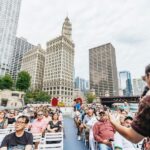
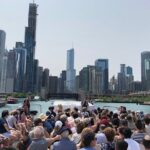
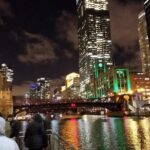
Chicago’s skyline moves fast when you do. This 75-minute Seadog speedboat architecture cruise takes you from Navy Pier onto the Chicago River and back out toward Lake Michigan, with live narration and up-close views of landmark buildings. I like that the guide style usually blends jokes with clear explanations, with named guides like Andy, Lucious, Tyler, and Curtane showing up often in the experience.
Two things I especially like: the river-to-lake route gives you big-picture views and close-up architecture in one go, and the pacing keeps it fun even for families. One possible drawback to plan around: this is an open-air ride, so you may get wet and you should dress for wind and weather since it runs weather permitting.
In This Review
- Key Things You’ll Notice on This Seadog Cruise
- Navy Pier Check-In: Finding the Seadog Fast
- Live Narration + Speedboat Energy: Why 75 Minutes Feels Just Right
- The River Segment: Bridges and Big Names in Close-Up Views
- Harbor Locks to Lake Michigan: The Moment That Changes the Ride
- The Lake Michigan Finale: Lake Views, Navy Pier, and NBC Tower
- The $44 Value Check: What You’re Really Paying For
- Who This Cruise Fits Best (and Who Should Rethink It)
- Should You Book It?
Key Things You’ll Notice on This Seadog Cruise

- Navy Pier boarding: the bright Seadog ticket booth and the boat name on the dock make it easy to find your ship.
- Harbor Locks crossing: a rare-feeling switch from open water to the city’s river corridor.
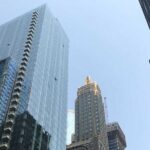
- Skyscraper viewing from the river: you’ll clock landmarks like Willis Tower, Tribune Tower area views, and the Merchandise Mart straight from the water.
- Speedboat finale on Lake Michigan: the ride feels like a payoff, not just transportation.
- Live narration that works at speed: guides like Andy, Lucious, and Tyler are often praised for humor plus building stories.
- Practical onboard basics: restroom access onboard helps a lot on a 75-minute tour.
Navy Pier Check-In: Finding the Seadog Fast
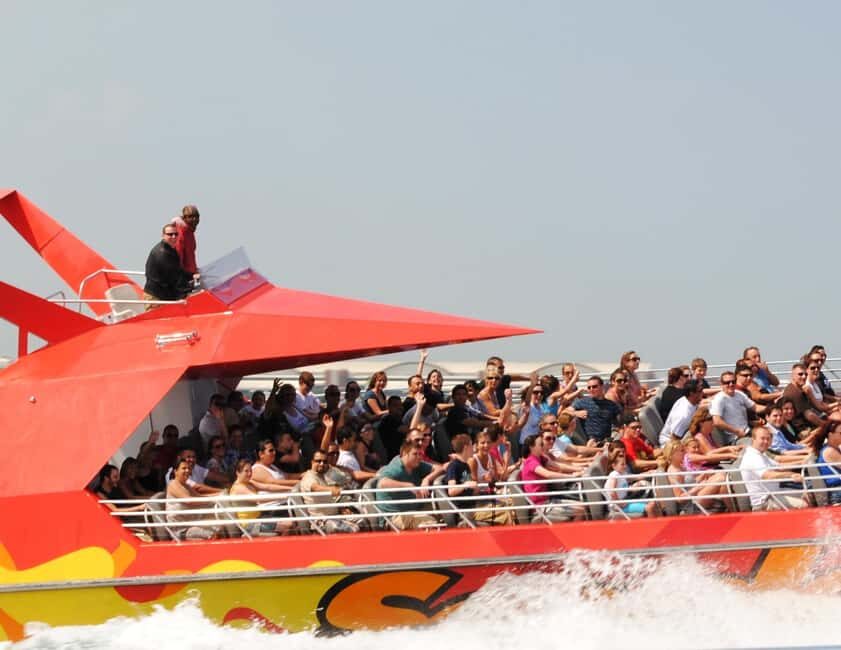
Your cruise starts on Navy Pier at 600 E Grand Ave #60611. Go through the main Navy Pier entrance, then walk down the south-side dock for a short stretch. Look for the Seadog ticket booth on your right and check in there to get your boarding pass.
The Seadog boats are easy to spot—bright yellow and red—and the boat name appears on the front of the vessel and above the ticket booth. The tour includes skip-the-ticket-line access, which matters in Chicago when Navy Pier gets crowded.
If you’re sitting tight on time, this is one of the smoother parts of the experience. You walk, you check in, you board. No long bus transfer. Just a fast shift from city-land to water-land.
You can also read our reviews of more boat tours in Chicago
Live Narration + Speedboat Energy: Why 75 Minutes Feels Just Right

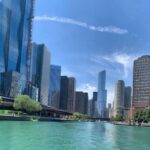
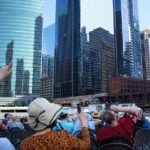
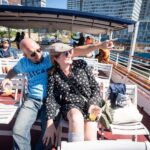
This is a 75-minute architecture cruise with live English narration and a live tour guide onboard. The biggest value of the time limit is focus: you get a full route arc without it dragging. The boat’s speed keeps things lively, and the guide’s job is to help you connect what you see to what it means.
This also explains why so many guides are remembered by name in the feedback you’ll hear about the ride—people remember the speaker. Names like Andy, Lucious, Tyler, and Curtane come up as guides who combine humor with architecture talk. That mix matters because the views go by quickly. When the narration lands well, you actually catch the story, not just the skyline.
Two practical notes from the tour details:
- It’s open-air, so wind is part of the deal and you may get wet.
- Restrooms are available onboard, which is a big comfort win on a ride that includes locks and a return.
The River Segment: Bridges and Big Names in Close-Up Views
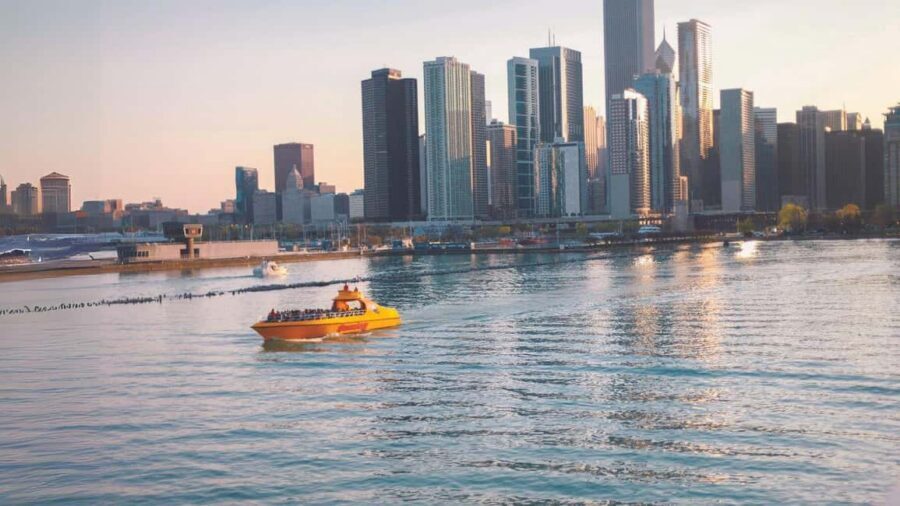
Once you pass the boarding area, the route starts moving along the Chicago River corridor—one strong reason this tour is different from a simple lake sightseeing loop. You’ll see the city’s architecture as it rises from the waterline, which makes tall buildings feel more immediate.
Here’s how the river section unfolds in stops, and what each one gives you:
DuSable Bridge
You get an early “okay, we’re really in it now” moment. Bridges create built-in framing, and from the boat you can track how traffic, rails, and river space all interact.
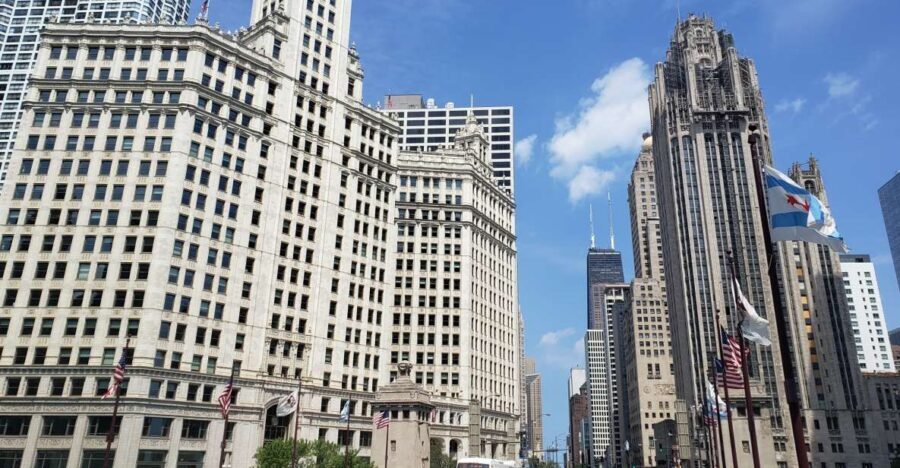
Wrigley Building
This is the kind of landmark you notice even if you’ve only seen it from photos. From the water, it has presence—less postcard, more perspective.
Jewelers Building
Past landmarks keep coming quickly. This stop is useful because it shows how the riverfront mixes eras of architecture rather than presenting a single-style downtown.
Marina City Goldberg
Marina City is visual and distinctive, and you’ll spot the complex from the river stretch. It’s a change of texture from pure office-tower viewing.
Merchandise Mart
This stop brings you back to downtown scale. The Mart is a major address on Chicago’s riverfront, and seeing it from the water helps you understand why Chicago treats the river like a main stage.
Wolf Point West, Chicago
This area is a hinge point in the skyline view. You’re close enough to feel the density of downtown without the crowds of the street.
Goose Island
This adds a little breathing room to the route. You’re still in city mode, but the sight of Goose Island gives your brain a break from skyscrapers.
Union Station
Union Station is a recognizable anchor. From the river, you get a stronger sense of how rail heritage and downtown glass sit side by side.
Carbide & Carbon Building
This stop is one of the fun ones visually because it reads as a character building rather than just another block on the skyline. From the water, it’s easier to appreciate the façade as an object, not a background.
Reid Murdoch Building
You’ll pass it in the heart of the river arc. The value here is continuity—you keep getting landmarks in sequence, so the city starts to “click” as a connected layout.
LondonHouse Chicago, Curio Collection by Hilton
Hotel towers along the river show how the waterfront serves multiple uses, not only offices. It’s also a good reminder that Chicago’s riverfront isn’t just scenery—it’s where people live and work.
333 W Wacker Dr
This is a “big address” stop: you can focus on the way high-rises line the river and how that density changes as the boat moves.
Willis Tower
The cruise calls it out as Willis Tower (formerly Sears Tower). Seeing it from the river gives you a more grounded view of the sheer scale, especially as you approach and pass angles you won’t get from street level.
150 N Riverside Plaza and 100 North Riverside Plaza
These stops help you track the riverfront’s pattern. You’re not just watching one icon; you’re seeing how the river edges shape the skyline.
Civic Opera House
This is your cultural landmark moment. From the water, it reads differently than a quick stop on land, and it helps break up the “office tower” streak.
River City Marina
This stop adds activity and water use beyond sight lines. It also helps you imagine how boats fit into everyday life here.
St. Charles Air Line Bridge
Bridges again act like built-in viewpoints. They also help you gauge speed and distance—if you’re looking to get photos, this is often where you get a clean shot window.
The 78 Development and Tom (Ping) Memorial Park
These stops give you a sense of the river’s ongoing change. Even if the buildings aren’t the main headline, you get to see how Chicago continues shaping the waterfront.
311 South Wacker and 110 North Wacker and 2 N Riverside Plaza
These mid-route addresses are helpful because they show the river’s built rhythm—how floors, setbacks, and façade layouts repeat and differ across the same water corridor.
Trump Tower, Chicago
This is one more instantly recognizable skyline name. From the river, you get the “there it is” feeling quickly, which helps if you’re bringing kids or anyone short on time.
The river segment ends with a big transition: Chicago Harbor Lock.
Harbor Locks to Lake Michigan: The Moment That Changes the Ride
Passing through the Chicago Harbor Locks is one of the main reasons to pick a speedboat architecture cruise that goes beyond the river. A lock isn’t just scenery—it’s a controlled engineering feature that changes how the whole route feels.
Why it matters for you:
- It breaks up the skyline viewing with a process you can actually watch.
- It adds a sense of motion and movement that matches the boat’s speed style.
- It sets you up for the lake portion, which comes off like the “reward lap.”
You can expect a bit of motion here because of the transition. If you’re sensitive to rougher water, this is where you’ll want to hold onto your comfort plan—grab a spot you like, dress for wind, and keep your eyes on the guide for timing.
The Lake Michigan Finale: Lake Views, Navy Pier, and NBC Tower
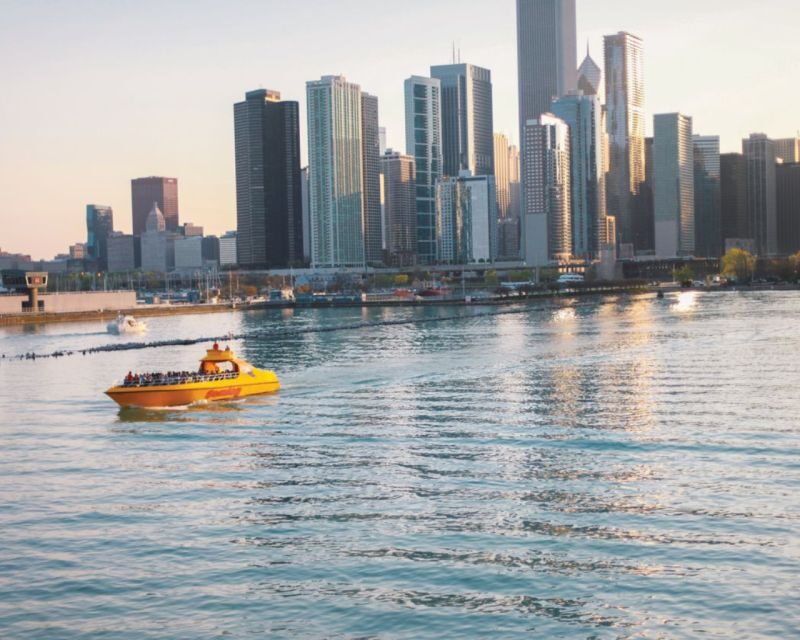
After the locks, the cruise heads toward Lake Michigan for a faster, more panoramic stretch. The tour is designed so you end with wide views instead of ending in a narrow river channel.
Along this lake leg, you’re set up to spot sights like:
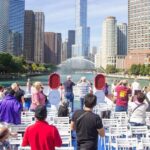
- Buckingham Fountain
- Grant Park
- Chicago Museum Campus
- Lake Michigan waterfront skyline in open-air conditions
In the listed stops, the lake-side segment includes Lake Point Tower, then back toward Navy Pier and NBC Tower. Seeing Lake Point Tower from the water helps because it puts a “final frame” on the skyline before you return. Then Navy Pier appears again—not as a departure point, but as the visual finish line.
Navy Pier on the way back is also useful for orientation. You get a clear sense of where the city’s water access actually starts and ends. Finally, NBC Tower is a strong last sight because it’s a recognizable downtown landmark with a TV-tower feel that stands out from afar.
Then you return to 600 E Grand Ave #60611, where you started.
You can also read our reviews of more city tours in Chicago


The $44 Value Check: What You’re Really Paying For
At about $44 per person, the real question isn’t just whether it’s affordable. It’s whether you’re getting something worth your day.
You are, mainly because you get three things together:
- A 75-minute route that covers both river architecture and lake views.
- Live narration that turns the skyline into a guided story as you move.
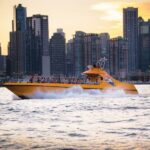
- The speedboat format, which keeps it energetic and helps you see angles quickly.
If you’re comparing options, think of this as a high-value add-on to a Chicago architecture day. You’re not spending hours on transit. You’re not stuck only in the river corridor. And because the narration is live and guides are often remembered for humor and clarity, the time tends to feel productive rather than just scenic.
Is it perfect for everyone? It depends. This isn’t the slow, photo-calm boat style. It’s an open-air speed ride with motion. If that’s your thing, $44 feels fair. If you’re after quiet and comfort above all else, you might prefer a slower tour.
Who This Cruise Fits Best (and Who Should Rethink It)
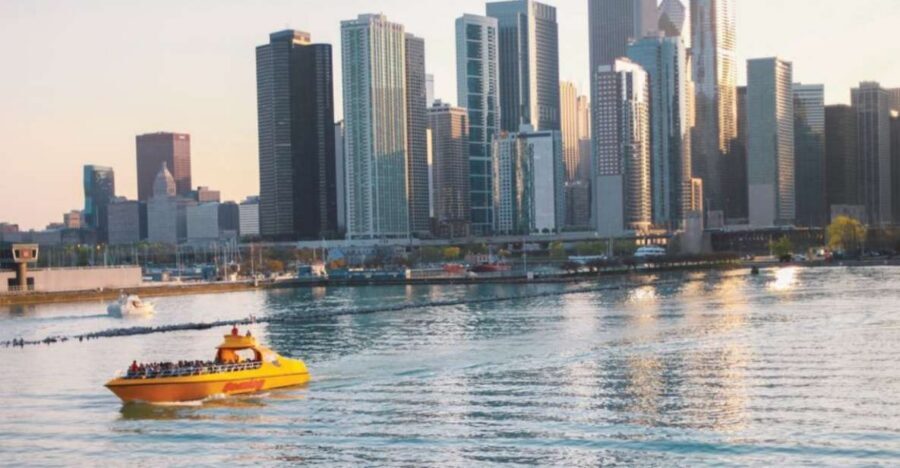
This cruise works well for people who want fast, fun skyline time with a story attached. The tour is described as family and dog-friendly, which is a strong sign that it’s built for mixed ages.
It may not be your best choice if:
- You’re pregnant (listed as not suitable).
- You have back problems (listed as not suitable).
- You’re very sensitive to open-air wind and getting wet.
- You’re traveling with kids who need adult supervision. The tour states unaccompanied minors aren’t allowed, and all children under 12 must be accompanied by an adult.
If you use a wheelchair, the speedboat is wheelchair accessible for most chairs, and the marine crew can assist if your chair is extra-large.
For the rest of us: bring layers, plan for wind, and set expectations that you’ll move and you may get wet. Then you’ll enjoy the whole ride.
Should You Book It?
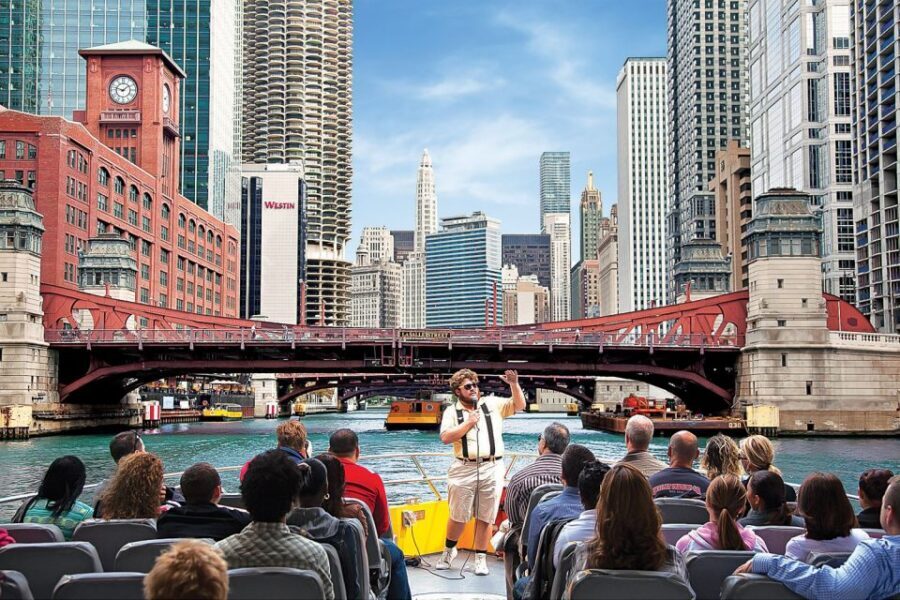
Yes—if you want a single, efficient way to experience Chicago’s architecture from the water, this is a smart pick. The combination of Navy Pier start, the Chicago Harbor Locks transition, and the Lake Michigan finale is exactly the kind of route that makes the 75 minutes feel like more than a quick sightseeing ticket.
Skip it only if your top priority is a dry, slow, quiet ride. Otherwise, book it, show up a little early at Navy Pier, and dress for wind. The skyline is better at boat speed.