REVIEW · CHICAGO FOOD TOURS
Chicago: Taste of Chinatown Food and Cultural Walking Tour
Book on GetYourGuide →Operated by Bobby's Bike, Hike & Food Tours - Chicago · Bookable on GetYourGuide
Five bites, one neighborhood, big stories. This Chinatown tour pairs real food variety with major landmarks like the Nine Dragon Wall and Gateway Arch, so the sights and the flavors explain each other. I like that the stops are designed around regional food styles, not just whatever is easiest to serve. I also like that the guide handles ordering and context, so you spend less time figuring things out and more time tasting and learning.
One thing to consider: it’s a food-first schedule. At $84, it makes most sense if you want both the tastings and the guided walking story; if you just want to eat at your own pace, you could spend less on meals à la carte. And you’ll likely leave feeling properly full.
You’ll start at Phoenix Restaurant (2131 S Archer Ave), then work your way through Chinatown with a local guide from Bobby’s Bike, Hike & Food Tours, finishing near Chiu Quon Bakery. Based on guide names that pop up again and again in feedback—Jeff, York, Alex, Philip, Teddy, Eric, Ria—this is the kind of tour where the guide actually talks with the group, not just at it. (That matters when you’re trying unfamiliar dishes.)
Expect a relaxed walking pace over about three hours, rain or shine. Bring comfortable shoes, an umbrella, and keep large bags out of the way.
In This Review
- Key points I’d plan around
- Starting at Phoenix Restaurant: how the tour gets you moving fast
- Five tastings that actually add up to a full meal
- Want to know the “value angle” of this many tastings?
- Tea ceremony stop: where the tour slows down just enough
- Nine Dragon Wall and Zodiac Plaza: symbols you’ll actually recognize later
- Why these stops matter for food lovers
- Gateway Arch and Pui Tak Center: the neighborhood’s story, in concrete form
- Dessert at the bakery finish: what Chiu Quon adds at the end
- Price and logistics: why $84 can be a smart spend
- One more practical note on planning
- Who should book this Chinatown food and cultural walk
- Should you book it? My quick verdict
- FAQ
- How long is the Chicago Chinatown food and cultural walking tour?
- Where does the tour start and where does it end?
- What’s included in the $84 per person price?
- What if I have dietary needs or I’m vegetarian?
- Do I need to bring anything?
- Is the tour only for good weather?
- Are drinks included?
- Is gratuity included in the price?
- Does the tour require a minimum number of people?
Key points I’d plan around
- Five tastings that work like a meal: you’ll leave satisfied, not snack-sized full.
- Regional Chinese variety, not one-note food: dim sum, noodles, lamb, spice-forward chicken, and dessert.
- Tea and spice explained as you eat: you get the why behind flavors and symbols.
- Big photo moments with real meaning: Gateway Arch, Zodiac Plaza, and Nine Dragon Wall.
- Guide help with ordering and names: you won’t feel lost when dishes are new.
Starting at Phoenix Restaurant: how the tour gets you moving fast
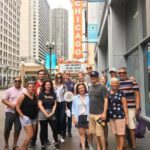
The tour begins at Phoenix Restaurant, 2131 S Archer Ave. Plan to arrive about 15 minutes early so check-in doesn’t eat into your first tasting. You’ll look for your guide wearing a Bobby’s Bike, Hike & Food Tours shirt and carrying a paddle, which makes meeting up straightforward.
Right away, this tour sets a good pace for Chinatown. You’re not stuck wandering without a plan. Instead, you’re walking with a purpose: each stop connects to something you’re learning—food styles, migration stories, and neighborhood symbols you’ll see on the streets.
I like tours that do the “first 10 minutes” work for you. Here, that means: you get a quick start, you’re grouped, and the guide nudges you toward the right questions. Several guides mentioned in feedback—Jeff and York in particular—are described as taking time with the group, including learning people’s names. That kind of attention turns a group walk into something more personal.
Also, the walking pace is relaxed and suitable for all fitness levels. It’s still walking, though. Come with shoes you trust. Chinatown streets can be uneven, and you don’t want sore feet when you’re trying to savor every stop.
You can also read our reviews of more walking tours in Chicago

Five tastings that actually add up to a full meal
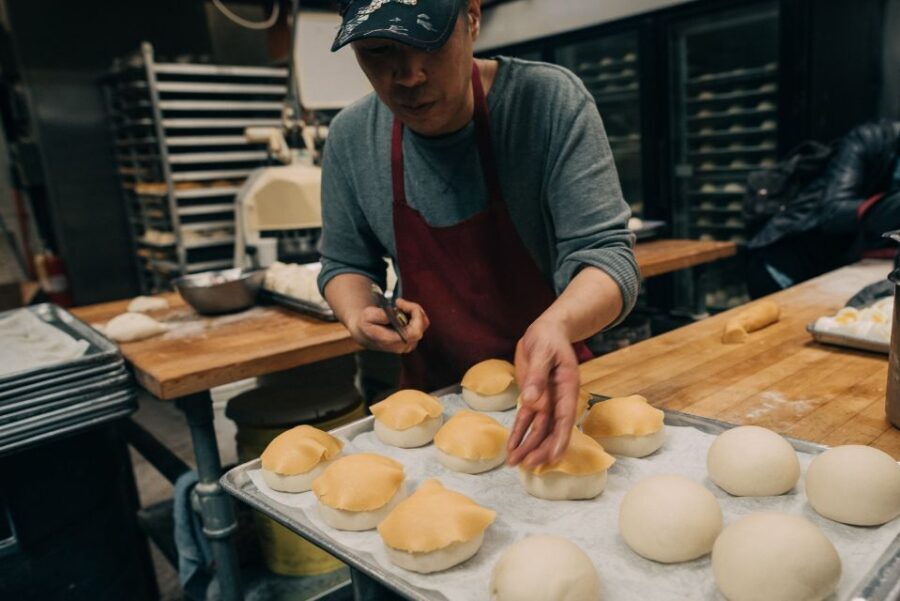
The heart of this tour is simple: five tastings, plus a dessert stop. The idea is that one restaurant isn’t enough to show you what Chinatown can taste like. Instead, you sample a spread that covers different regions and cooking styles.
Here’s what you can expect to put in front of you:
1) Dim sum with a tea moment
You’ll get steamy dumplings packed with savory fillings, paired with traditional Chinese teas. This isn’t just drink-and-go. The guide helps set up what you’re tasting, which is especially helpful if you’ve never ordered dim sum before.
What to pay attention to: how the fillings contrast with the wrapper texture, and how the tea changes the way the next bite tastes.
2) Portuguese-style egg tart for that flaky-sweet finish
At a local bakery, you’ll try flaky, buttery Portuguese-style egg tarts. The custard is the star—creamy, lightly sweet, and built for eating slowly even when you’re tempted to rush.
What to pay attention to: the crust that shatters slightly, then gives way to warm custard.
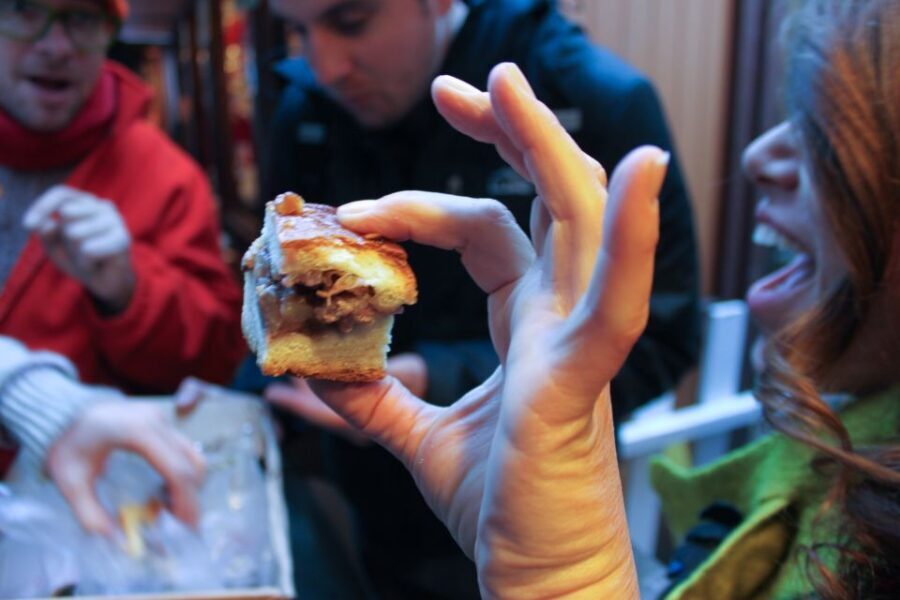
3) Cumin lamb flatbread (Xi’an style street food)
One standout is a crispy cumin lamb flatbread, described as a favorite from the Xi’an region. It’s street-food energy: crisp edges, bold cumin aroma, and a hearty bite.
What to pay attention to: the spice layer. Cumin can taste strong on its own, but here it usually lands with a balance that keeps you wanting one more piece.
4) Crispy dry chili chicken with crunch
You’ll taste dry chili chicken, built for heat without turning into a soggy mess. Expect a combo of crunch and spice.
What to pay attention to: whether the chili feels sharp or more mellow. Your guide can point out how the coating and seasoning work together.
5) Hand-pulled noodles with house-made sauce
You’ll also get fresh hand-pulled noodles, served with house-made sauces. These are built for slurping, meaning texture matters—chewy and satisfying rather than flimsy.
What to pay attention to: the sauce consistency and whether it clings differently to thicker vs. thinner noodles.
And yes, you’ll likely be offered more than one sweet component across the day. Even though the tour is structured into set stops, the result is consistent: you don’t need breakfast beforehand if you want to enjoy everything. Many people highlight that it’s truly enough for a full lunch or dinner.
Want to know the “value angle” of this many tastings?
At $84, this works best when you compare it to paying for multiple dishes on your own in addition to spending time figuring out what to order. Here, you’re paying for:
- multiple prepared dishes from different styles,
- guide-led ordering support,
- and a walking route that includes major Chinatown landmarks.
It’s not just food quantity. It’s food variety, plus explanation, plus access.
Tea ceremony stop: where the tour slows down just enough
Early on, you’ll hit a tea ceremony and food tasting moment at a local restaurant. This is one of those stops that makes the rest of the tour easier to understand. Tea is part of the experience in Chinese dining culture, and it also acts like a flavor reset between bites.
I like that the tour doesn’t treat tea as an afterthought. A guide’s job here is to connect what’s in the cup to what you’re about to eat—how bitterness and aroma can cut through rich flavors, and why tea is a natural pairing with dumplings and heavier dishes.
If you’re the type who usually skips drink descriptions on food tours, this is worth paying attention to. It makes the next tasting more interesting because you’re tasting with a little more awareness.
Nine Dragon Wall and Zodiac Plaza: symbols you’ll actually recognize later
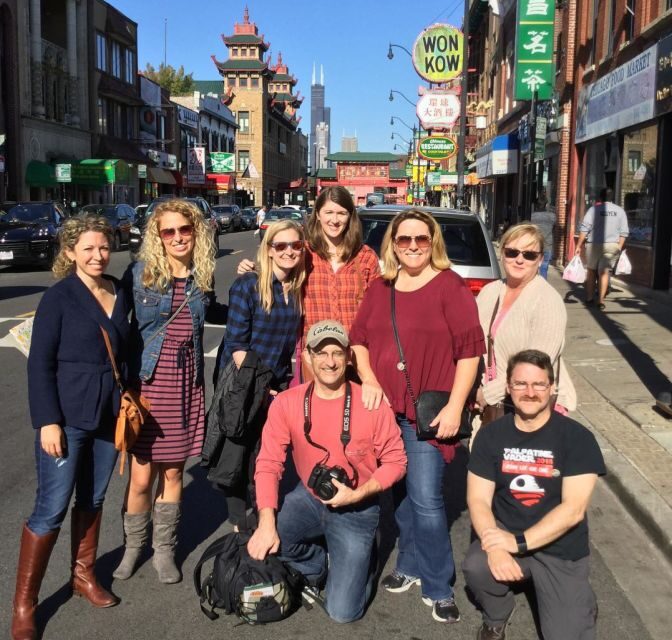
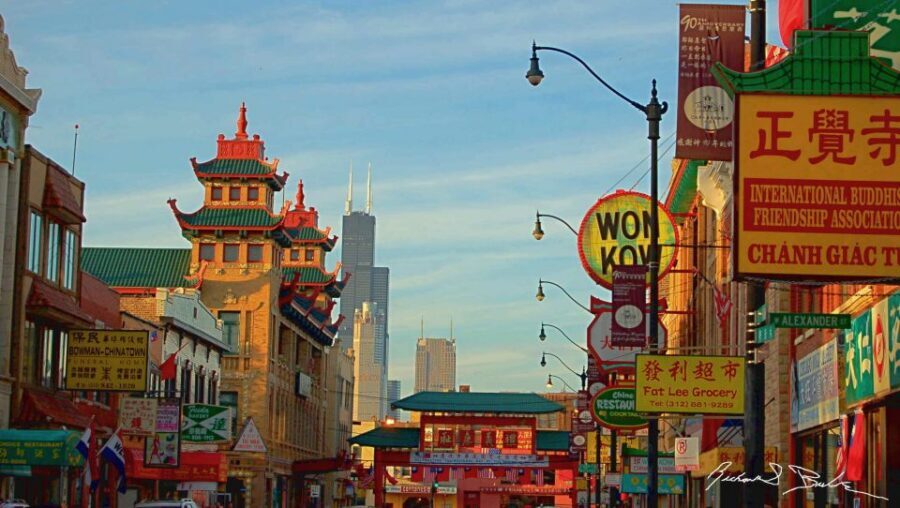
As you move through Chinatown, you’ll stop for key landmarks. Two of the most memorable are the Nine Dragon Wall and Zodiac Plaza.
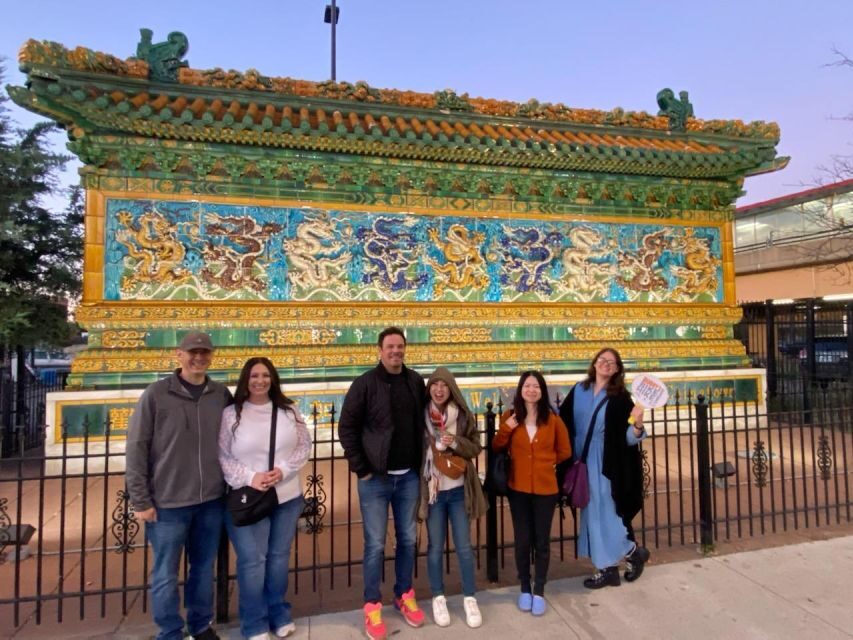
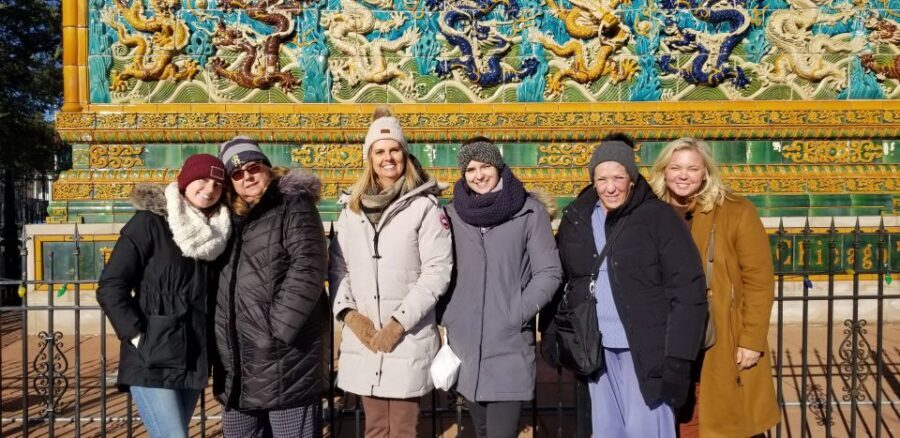
At the Nine Dragon Wall, you’ll see a glazed-tile replica of the Beijing original. The guide explains the mythical dragons and what they represent in Chinese culture—ideas like power, luck, and protection. The point isn’t to memorize a legend. It’s to understand why this neighborhood puts symbolic art where everyone can see it.
Then there’s Zodiac Plaza, where you’ll find 12 bronze zodiac statues. The guide talks through what those animals mean and how they function as part of everyday cultural symbolism. You’ll start spotting zodiac imagery more easily after this stop, including how people use it for identity and celebration.
You can also read our reviews of more food & drink experiences in Chicago


Why these stops matter for food lovers
Food doesn’t sit in a vacuum. When you understand cultural symbols—especially ones tied to luck, protection, and community—you get why people treat food as more than fuel. It’s also continuity. The guide helps connect that idea as you eat dishes that reflect different parts of China and the movement of people into the neighborhood.
And for practical reasons: these landmarks also give you a chance to pause, take photos, and reset before the next restaurant stop.
Gateway Arch and Pui Tak Center: the neighborhood’s story, in concrete form
Chinatown isn’t just streets and restaurants. You’ll also walk by structures that show how the community organized support and visibility.
You’ll explore the Chinatown Gateway Arch, a welcome symbol built in 1975 by Chinese artisans. The guide’s storytelling helps you read it as more than decorative architecture. It’s a marker—telling you you’ve arrived somewhere people built to belong.
You’ll also visit the historic Pui Tak Center (built in 1928), known for pagoda-inspired towers and terra cotta tiles. The guide explains how it once served as a cornerstone for immigrant support, and how it still signals cultural identity today.
I find this part of the tour especially valuable because it changes how you think about what you’re eating. When you connect dishes to migration and community networks, the food stops feel less random. They start to feel like choices made in real life—by real people—over time.
The walking route includes multiple sight/photo breaks, too. That helps if you want to look around without feeling like you’ll miss something. It also keeps the day from turning into nonstop restaurant-and-run.
Dessert at the bakery finish: what Chiu Quon adds at the end
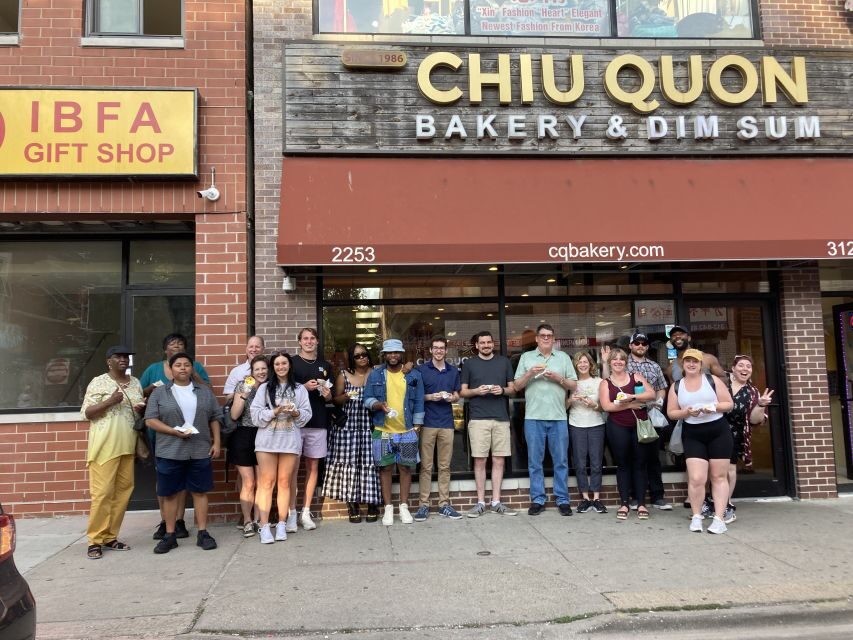
The tour ends at Chiu Quon Bakery. The dessert stop is where the whole experience ties together: savory earlier in the day, then a sweet finish that feels like a proper landing.
The egg tart is the star you’ll remember—the flaky shell and custard center. If you’re worried about leaving with enough food to last the whole day, this final bakery stop answers that anxiety. You’ll be able to taste the tour’s overall intent: comfort plus craft, with a neighborhood bakery that’s part of the story.
Also, having the tour finish at a bakery is smart for practical sightseeing. Once the structured tasting stops are over, you can decide what to do next—wander, shop, or just take a breather with something sweet already in hand.
Price and logistics: why $84 can be a smart spend
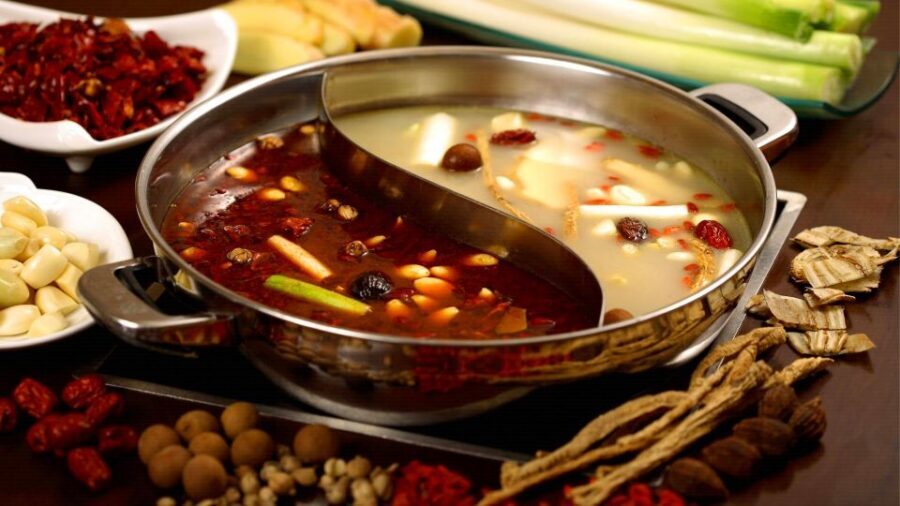
The tour costs $84 per person for about three hours. That sounds steep until you count what’s included: five tastings plus dessert, a guided walking route with major Chinatown landmarks, and staff coordination at each stop.
Here’s how I think about the price in real terms:
- You’re getting multiple different dishes, from dim sum to noodles to lamb flatbread and dessert.
- You’re also paying for the guide’s job: handling ordering, explaining what you’re eating, and connecting food to neighborhood history and symbols.
- You’re not spending extra time or effort figuring out what to order or where to go.
If you already know exactly what you want to eat in Chinatown, you might choose to spend less on your own. But if you want an efficient way to eat well and understand what you’re seeing, this price becomes easier to justify.
There’s also an optional drink upgrade at check-in for $19.99 per person. The details given are either local Chinese beer, curated wine, or sweet boba tea, and there’s a separate adult drink package that includes three unique beverage pairings for $19.99 on-site. If you’re driving or want to keep it simple, you can skip all of that and still have plenty of tastings.
One more practical note on planning
Tastings are described as generous—enough for a full lunch or dinner. So plan meals lightly before you go. And if you don’t eat spicy food, tell the guide in advance. Vegetarian options are available, but you need to notify them ahead of time.
Who should book this Chinatown food and cultural walk
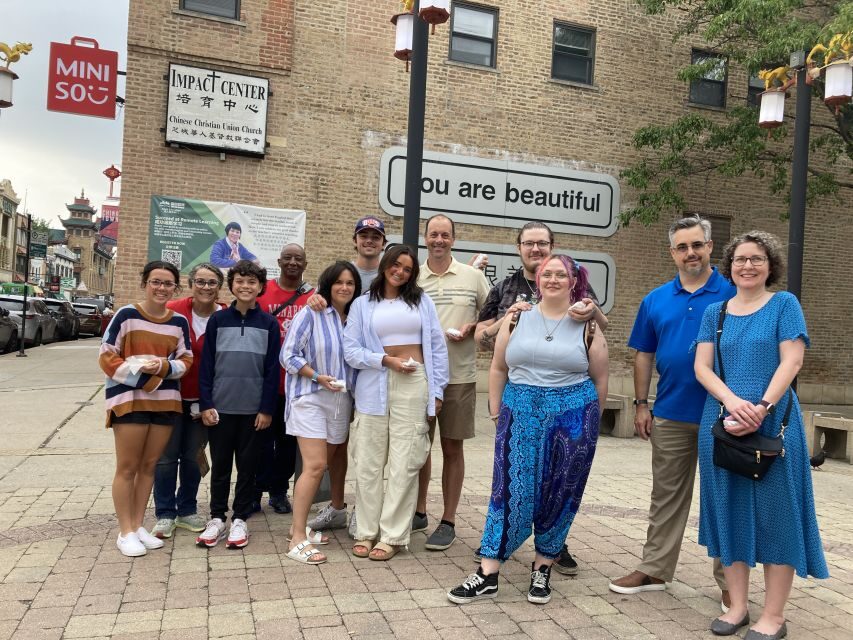
This tour fits best if you:
- want to try multiple regional Chinese dishes in one go,
- enjoy food paired with walk-and-story context,
- are visiting Chinatown for the first time and want an organized route,
- like guided help with ordering when dishes aren’t familiar.
It may be less ideal if you:
- hate walking between stops (even with a relaxed pace, it’s still a route),
- can’t handle spice at all (you can communicate needs, but the tour includes spice-forward items),
- want a sit-down restaurant style day instead of a guided walking format.
It also works well for solo visitors. One detail to know: this particular tour has a three-person minimum to run. If the threshold isn’t met about two hours before tour time, you’ll be contacted about reschedule or possible cancellation with a full refund.
Should you book it? My quick verdict
Book it if you want your Chinatown visit to feel like a guided meal plus meaningful neighborhood context. The tour’s best feature is the combination: five regional tastings tied to major cultural landmarks, with guides who put real effort into explanation and group comfort. The guide support shows up again and again in feedback—people mention names being learned, birthdays being acknowledged, and the route feeling personal even in a group.
Skip or adjust expectations if you’re trying to keep costs low or you want to eat only from a single type of cuisine. This tour is built for variety, walking, and learning—not for picking your own menu.
If you can handle lots of food and a few cultural stops, this is a strong way to start your Chinatown day and leave with both full stomach and better street-level understanding.
FAQ
How long is the Chicago Chinatown food and cultural walking tour?
It runs for 3 hours.
Where does the tour start and where does it end?
It starts at Phoenix Restaurant, 2131 S Archer Ave, Chicago, IL 60616, and finishes at Chiu Quon Bakery.
What’s included in the $84 per person price?
You get a cultural walking and food tour with 5 tastings, including dim sum, dry chili chicken, cumin lamb flatbread, Portuguese-style egg tart, and hand-pulled noodles, plus dessert, along with visits to major Chinatown sites.
What if I have dietary needs or I’m vegetarian?
Vegetarian options are available, and dietary restrictions can be accommodated if you notify the team in advance.
Do I need to bring anything?
Bring passport or ID, comfortable shoes, an umbrella, weather-appropriate clothes, and a reusable water bottle.
Is the tour only for good weather?
No. The tour runs rain, snow, or shine.
Are drinks included?
Drinks are not automatically included. There’s an optional drink upgrade for $19.99 per person at check-in.
Is gratuity included in the price?
No. A cash tip of $10 per person is suggested, and it’s described as 15%.
Does the tour require a minimum number of people?
Yes. This tour has a three-person minimum. If that threshold isn’t met 2 hours before tour time, you’ll be contacted about rescheduling or possible cancellation with a full refund.