REVIEW · MUSEUMS
Chicago: American Writers Museum Flexible Date Entry Ticket
Book on GetYourGuide →Operated by American Writers Museum · Bookable on GetYourGuide
Words make museums way more fun. At the American Writers Museum, I like the interactive timeline approach and the chance to play with vintage typewriters, both of which turn writing history into something you can touch. One possible drawback: it is a small, mostly one-floor visit, so if you want tons of room to wander, you may finish faster than you expect.
This flexible-date ticket is handy because your entry works any day within 14 days of your chosen date, and the museum is set up for self-guided exploring at your pace. It also includes entry to the permanent galleries and special exhibits, and kids 12 and under can enter for free with a reserved ticket.
In This Review
- Key Highlights You Should Not Miss
- Planning Your Visit to the American Writers Museum (2nd Floor, Open Days)
- Your Flexible-Date Ticket: How the 14-Day Window Works
- Nation of Writers Gallery: Timelines, Dioramas, and the Word Waterfall
- Mind of a Writer Gallery: Habits, Discipline, and Language That Sings
- Chicago Gallery: Writers Who Took Inspiration from the Windy City
- Level Up and the Reading & Writing Rooms: Typewriters, Games, and Prompts
- Children’s Gallery: Reading Areas and Interactive Story Time
- Price and Timing: How Much Time You’ll Need
- Small Cautions That Can Affect Your Experience
- Who This Ticket Is Best For
- Should You Book This Flexible-Date Ticket?
- FAQ
- How much is the Chicago American Writers Museum flexible-date ticket?
- How does the 14-day validity window work?
- What are the museum hours?
- Is a guide included with this ticket?
- Where do I go after I enter the building?
- What does the admission include?
- Are children free, and do they need tickets?
- Is the museum wheelchair accessible?
- Are food and drinks allowed inside?
Key Highlights You Should Not Miss
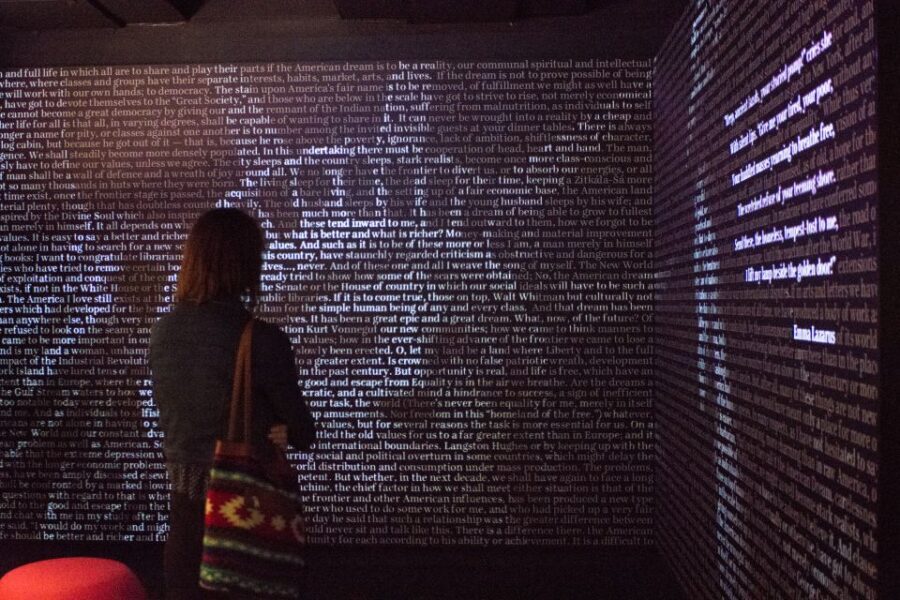
- Nation of Writers interactive timeline: Follow how writing evolved across centuries and American culture
- Word Waterfall + surprise bookshelf: Little hands-on stops that keep you moving
- Mind of a Writer Gallery: Writing habits and discipline explained in practical, plain terms
- Chicago Gallery: Writers connected to the Windy City, across poets, novelists, journalists, and more
- Level Up + Reading/Writing Rooms: Narrative writing in games, plus typewriters and digital activities
- Children’s Gallery reading spaces: A kids-focused zone that still feels like part of the main experience
Planning Your Visit to the American Writers Museum (2nd Floor, Open Days)
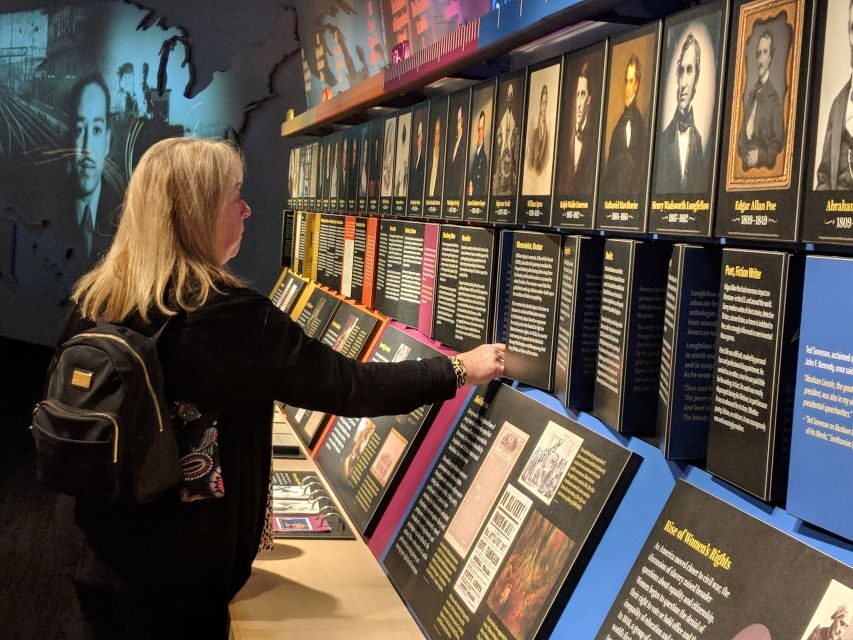
The American Writers Museum is open 10:00 A.M. to 5:00 P.M., Thursday through Monday. Plan around those days; there is no entry window listed for Tuesday or Wednesday.
Once you arrive, enter the building and go past the security desk. From there, take the elevator or the staircase up to the 2nd floor, then present your ticket at the museum front desk.
Also note the rules: food and drinks are not allowed inside. This matters more than it sounds if you’re visiting with kids or during a long Chicago day—plan a snack break outside first.
You can also read our reviews of more tours and experiences in Chicago



Your Flexible-Date Ticket: How the 14-Day Window Works
This ticket is designed for flexibility: you can enter on your selected date or any day up to 14 days after that date. That’s a smart match for Chicago, where weather can change your plans fast, and where you might want to shift indoor activities around dinner reservations or your walking schedule.
The price is $16 per person, and the value comes from what’s included: admission to all permanent exhibits and special exhibits, with a self-guided tour. Since there’s no guide required, you’re not paying extra for scheduling a tour time inside the museum.
Nation of Writers Gallery: Timelines, Dioramas, and the Word Waterfall
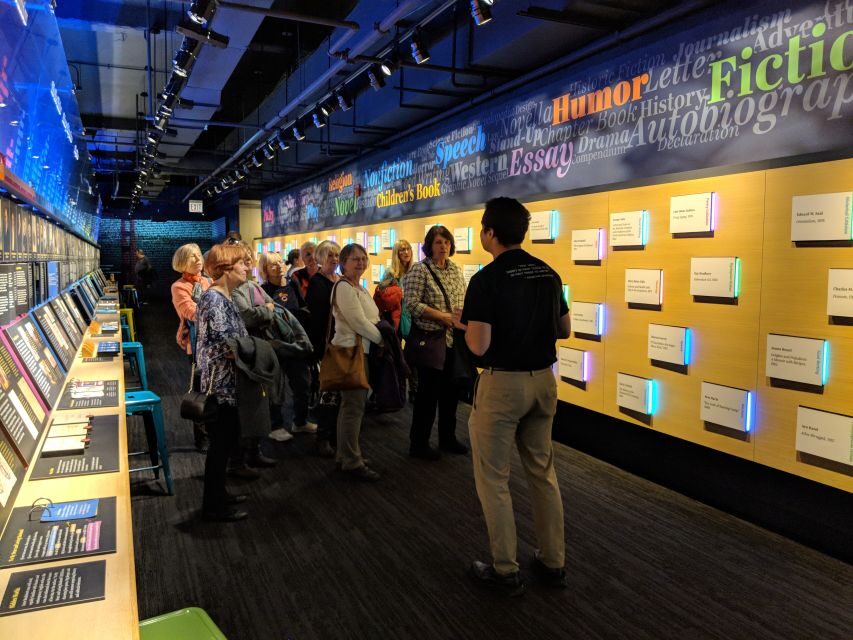
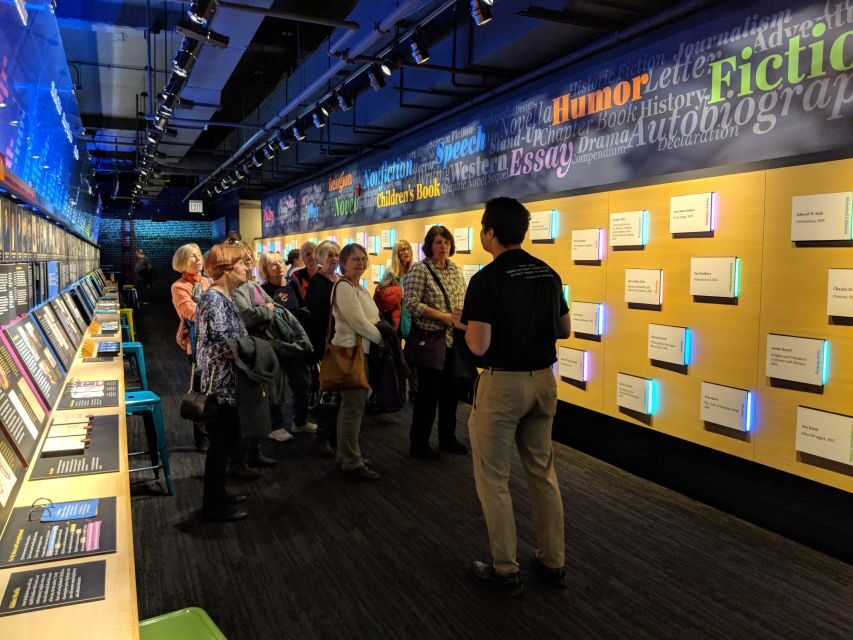
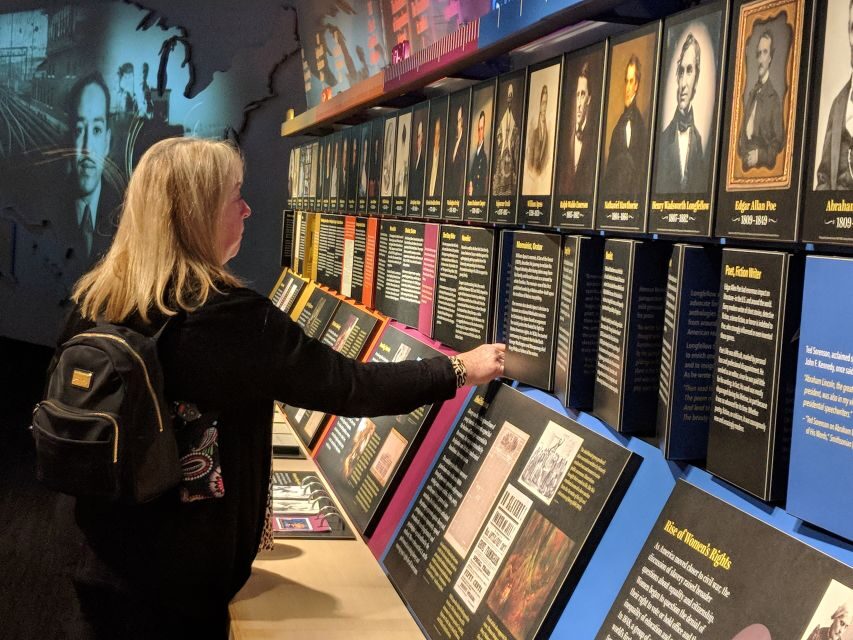
Start with the Nation of Writers Gallery and follow the flow the museum sets up for you. It’s built around an interactive timeline, plus lots of short-format learning like videos and dioramas, so it doesn’t feel like a single long lecture.
I especially like the way the timeline keeps the big idea—how writing shaped American culture—front and center while still letting you jump around. If you enjoy seeing authors in context (not just as names), this section does that well.
A few fun stand-out moments in this area:
- The surprise bookshelf, which nudges you into browsing instead of just reading labels
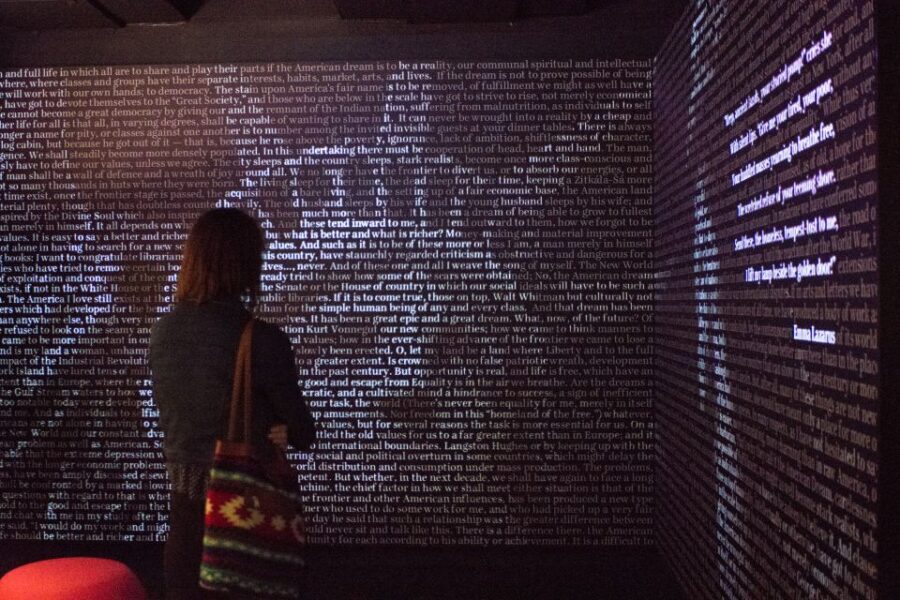
- The Word Waterfall, described as an interactive way to engage with language through different “scenes”
- The overall emphasis on multiple senses, which is great if you learn better when information moves from text into action
You’ll also come across writing from many eras and styles. The museum highlights everything from poetry and fiction to journalism and speeches, and it includes big, familiar anchors like Dickinson, Dr. Seuss, Poe, and Prince—not only because they’re famous, but because they show how “writing” includes lyrics and performance as well as books.
Mind of a Writer Gallery: Habits, Discipline, and Language That Sings
Next, head to the Mind of a Writer Gallery. This is where the museum shifts from writing as history to writing as a working process.
Here, I like that the focus is on habits and daily discipline—the practical stuff that makes writing possible, not just the myth of sudden inspiration. The exhibits aim to show how writers understand language deeply enough to make it feel like it belongs on the page.
If you’re a parent, teacher, or student, this section can be a useful reality check in a good way. It turns “writing well” into something that looks learnable: you can see the tools behind the craft, not just the final product.
Chicago Gallery: Writers Who Took Inspiration from the Windy City
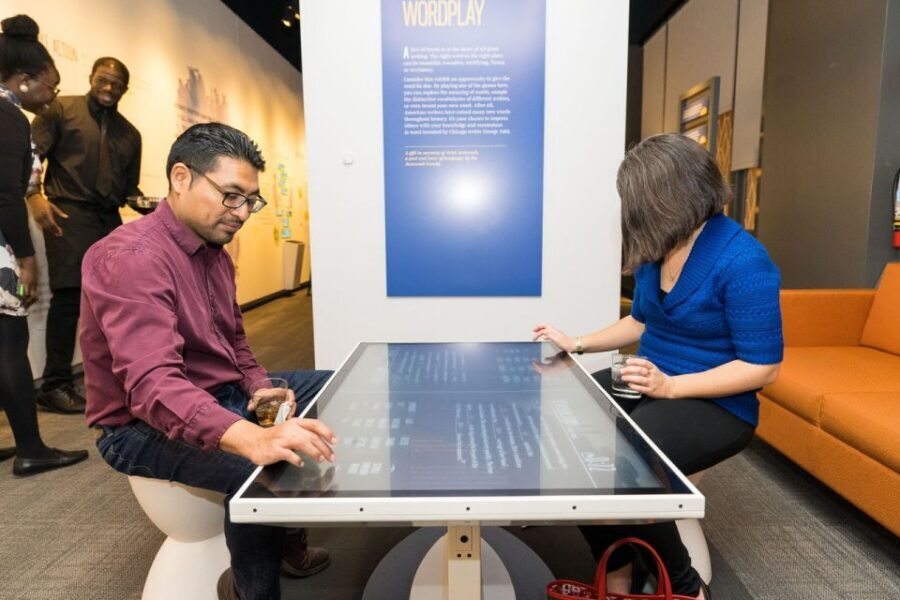
Then bring it home to Chicago with the Chicago Gallery. This section honors Chicago poets, novelists, journalists, and writers who found inspiration from the city.
I like the way this gallery feels grounded. Even if you’re not a Chicago-history expert, the museum makes the local connection clear through the writers it centers and the themes it links back to place and society.
If you’re planning a multi-day Chicago trip, this is a good bridge between “things you see” and “ideas you carry.” It helps the rest of the city feel more personal—like you’re reading Chicago as you walk it.
You can also read our reviews of more museum experiences in Chicago






Level Up and the Reading & Writing Rooms: Typewriters, Games, and Prompts
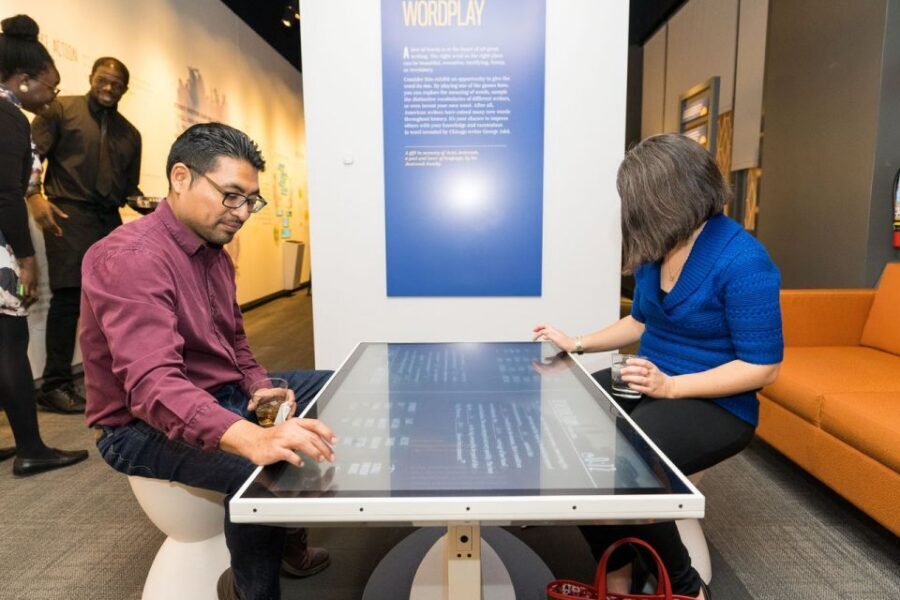
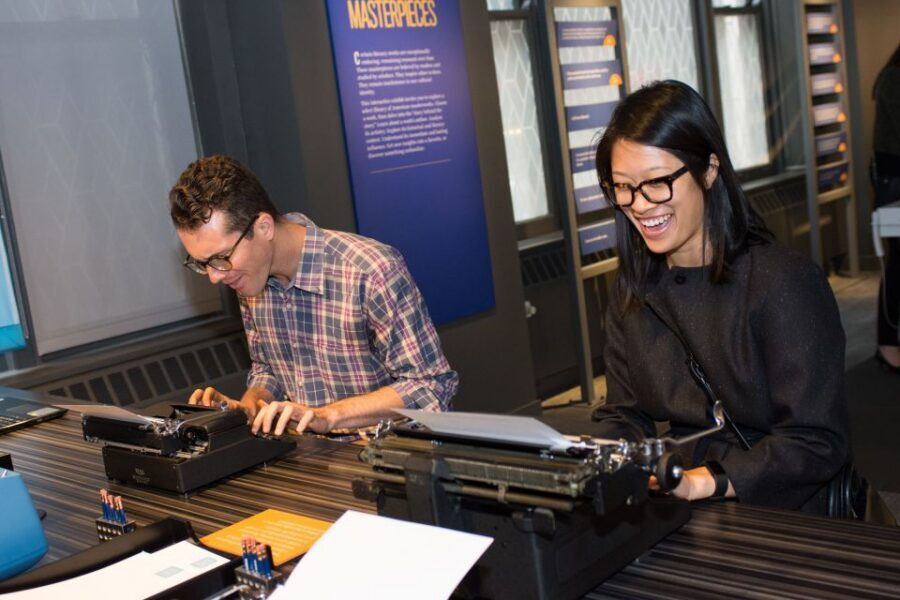
One of the biggest reasons this museum gets repeat visits is the hands-on writing time. In the Reading and Writing Rooms, you can work at typewriters and also try digital activities.
The typewriter experience is a highlight in its own right. You can write your own story or poem, and the setup is designed so it feels like you’re joining a chain of writers rather than performing for a screen.
A bonus detail: one highlight mentioned in real visits is that typewriter areas let visitors create messages or prompts for future guests. Even if you skip that part, the simple act of typing old-school style slows you down in a way that makes you more aware of language.
If you’ve ever wondered what “writing” means outside a book, Level Up is a great stop. It focuses on narrative writing in games and includes fun facts, a timeline, and creative elements like character creation and costuming. It’s a strong example of how the museum treats writing broadly—story structure, voice, and character still matter, even when the medium changes.
Children’s Gallery: Reading Areas and Interactive Story Time
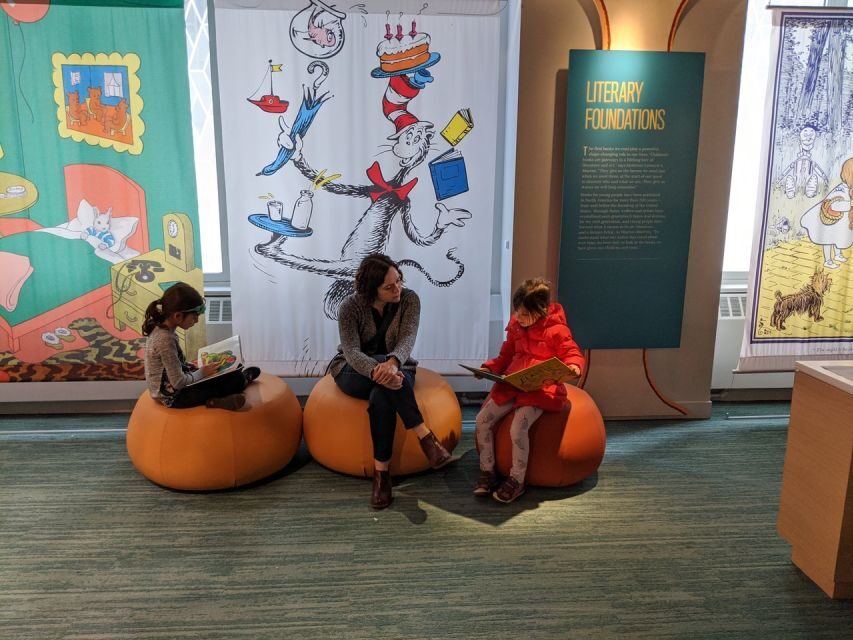
If you’re traveling with kids, the Children’s Gallery is where the museum shifts into a calmer, more play-and-read rhythm. There are cozy reading areas plus an interactive reading space, so kids can engage without needing to “perform” for an adult.
This matters for family trips because it gives you a real chance to slow down. You’re not only managing attention—you’re also giving kids a setting where writing and reading feel like part of a fun day, not an assignment.
Admission-wise, kids 12 and under can enter for free, but you still need to reserve a free ticket. That’s easy to miss, so double-check ages when you book.
Price and Timing: How Much Time You’ll Need
At $16 per person, this museum is priced like an easy add-on, not a full-day museum investment. The value comes from getting both education and participation: you’re not just walking past text, you’re doing the writing part too.
How long should you plan? The museum is small enough that you may finish in about an hour and a half, but it’s also possible to stretch it to most of a day if you stop frequently to read, try the activities, and re-visit your favorite spots. My practical advice: plan a 2–3 hour window the first time, then decide if you want to return within your 14-day ticket validity.
Small Cautions That Can Affect Your Experience
A few practical “heads up” points can help you enjoy the day more.
First, the museum is compact. That’s great for efficiency, but if you want sprawling galleries and lots of empty space, you might feel short on room.
Second, there have been mixed notes about the front desk area in at least one visit, including a report of an unpleasant interaction. If you run into a rough moment, remember the museum itself is built for self-guided exploration—your main focus is the exhibits upstairs.
Third, the gift shop is mentioned as a bit tight in space, and there’s also a wish for more books from the authors featured in the exhibits. If you love collecting, come prepared to browse without expecting a huge selection.
Who This Ticket Is Best For
This museum works especially well if you love any of these:
- readers who want a writing-centered museum without being bored by facts alone
- writers who like craft explanations and hands-on prompts
- families with kids who need interactive choices that hold attention
- Chicago fans who want the city seen through literature and journalism
If you’re visiting on a rainy day, it’s also a strong indoor plan. The exhibits are made for attention shifts—timeline, videos, dioramas, games, and typewriters—so the experience doesn’t stall.
Should You Book This Flexible-Date Ticket?
Yes, I’d book it if you want an affordable, hands-on museum stop where writing is treated as a real tool, not just an academic subject. The typewriters, interactive galleries, and the mix of classic authors with modern storytelling formats like games make it feel fresh even if you’ve visited other “museum of culture” style places.
I’d skip it only if you need a huge, slow-moving museum with lots of quiet space, or if you dislike interactive elements. Otherwise, the 14-day flexibility makes the decision easier: you can pick the best day for your Chicago schedule, then spend a few hours inside doing the fun part—writing.
FAQ
How much is the Chicago American Writers Museum flexible-date ticket?
It costs $16 per person.
How does the 14-day validity window work?
You can enter on your chosen date or on any day up to 14 days after your ticket date.
What are the museum hours?
The museum is open 10:00 A.M. to 5:00 P.M., Thursday through Monday.
Is a guide included with this ticket?
No guide is included. The ticket is for a self-guided tour.
Where do I go after I enter the building?
Enter the building and go past the security desk to the elevator or staircase, then go to the 2nd floor. Present your ticket at the museum front desk.
What does the admission include?
Admission includes entry to all permanent exhibits and special exhibits.
Are children free, and do they need tickets?
Children 12 and under enter for free, but you must reserve a free ticket for them.
Is the museum wheelchair accessible?
Yes, it is wheelchair accessible.
Are food and drinks allowed inside?
No. Food and drinks are not allowed.