REVIEW · CHICAGO FOOD TOURS
Chicago Loop District Food Tour with Deep Dish & Beef Sandwich
Book on Viator →Operated by Secret Food Tours · Bookable on Viator
Three hours of Chicago, packed with bites.
This small-group Loop walk (max 12 people) mixes deep-dish and Italian beef tastings with major architecture stops, so you’re eating and seeing downtown at the same time. I also like how the food portions add up to a real meal, not just a few crumbs between photos.
One catch: you’ll do a fair amount of walking, so plan on comfortable shoes and expect that drinks are not built into the included price.
In This Review
- Key Things I’d Book This For
- The Real Value in This Chicago Loop Food Tour
- Where You Start, How You Move, and Why It Ends at Millennium Park
- Stop-by-Stop: The Loop Architecture Tour Built Around Food
- Chicago Public Library Hall Branch: The Meeting Point and a Big Architectural Moment
- The Financial District on LaSalle Street: Where the City’s Power Corridor Shows
- Calder’s Flamingo at Federal Plaza: Civic Art at Full Scale
- Willis Tower: Chicago’s Skyline Icon and Its Former Height Claim
- The Rookery Building: Resilience After the Great Fire, Told Through Design
- Palmer House Hilton Historic Lobby: Romance, Charm, and a Downtown Business Legacy
- The Millennium Park Finish and Cloud Gate Time
- The Food Stops: What You’ll Actually Taste (and Why It Feels Like a Meal)
- Deep-Dish Pizza With Sausage: The Rivalry Starter
- Italian Beef Sandwich: Dipped, Local, and Historically Anchored
- Chicago-Style Hot Dog: The Classic Side That Adds Balance
- Popcorn, Brownie, and the Secret Dish: Sweet and Salty Finish Work
- Spice Level: Tell Them If You Prefer Mild
- How Long It Feels, and Why the Pacing Usually Works
- Who This Tour Fits Best (and Who Might Skip It)
- Practical Tips That Make Your Experience Better
- Should You Book the Chicago Loop Food Tour With Deep Dish & Italian Beef?
- FAQ
- What is the duration of the Chicago Loop District Food Tour?
- How much does the tour cost?
- Where do I meet for the tour, and where does it end?
- What food is included on the tour?
- Is this a small-group experience?
- Is the tour offered in English?
- Are dietary requirements accommodated?
- Do I need to bring comfortable shoes?
- Is admission included for the stops?
- What is the cancellation policy?
Key Things I’d Book This For
- A true Chicago food lineup: deep-dish pizza, dipped Italian beef sandwich, Chicago-style hot dog, and sweets
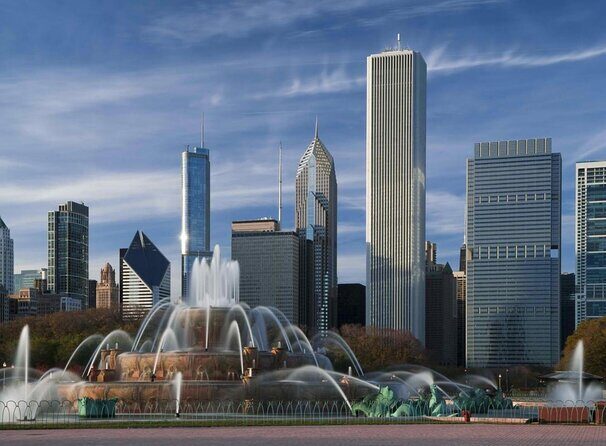
- Architecture on the way to the next bite: you pause at landmark buildings and downtown public spaces
- Small group size (up to 12): easier pacing and more guide time while you’re on foot
- Millennium Park finish: you end near Cloud Gate, with time to stick around
- Guides who blend stories and jokes: names like Mike, Eliot, Danny, Lance, Sue, and Chloe show up in recent experiences
- Plan to come hungry: most people leave stuffed, thanks to multiple courses
The Real Value in This Chicago Loop Food Tour
At $84.99 per person for about 3 hours, this tour is priced like a guided experience with real food attached. You’re not paying mostly for “a walk and a couple tastes.” The included menu is substantial: deep-dish pizza with sausage, an Italian beef sandwich, Chicago-style hot dog, plus gourmet popcorn, a fudgy brownie, and a secret dish revealed on the day.
That matters for two reasons. First, you save time by not having to plan separate meals around downtown. Second, you get context while you eat: the guide ties the food to Chicago’s story and the buildings around you. In a city where attractions can eat your day, this gives you a compact “food + downtown orientation” combo.
Also, it’s designed for practicality. This is English-speaking, uses a mobile ticket, and the route is focused on central sights you can reach without complicated transit.
You can also read our reviews of more food & drink experiences in Chicago
Where You Start, How You Move, and Why It Ends at Millennium Park
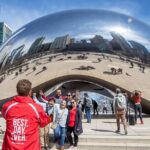
This tour starts at Millennium Park and ends there too, across the street from where you started. That end point is smart. Cloud Gate is the visual anchor most people want to see, and finishing there means you don’t have to fight your way back across town once you’re full.
The walking is real. You’ll be moving through the Loop and stopping often, but you should treat it like an afternoon stroll with scheduled food pauses. Reviews consistently suggest coming with an empty stomach, because the tastings are enough that you can feel “done” by the end.
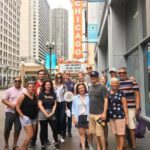
Group size is capped at 12. For your comfort, that’s a big deal: you don’t get stretched out into a long line, and it’s easier to keep pace when you’re stopping at landmarks and entering places like the library.
Stop-by-Stop: The Loop Architecture Tour Built Around Food
The route is basically Chicago downtown in layers: public buildings, money streets, art in civic space, then the iconic skyline. Here’s what each stop is about, plus what to watch for.
Chicago Public Library Hall Branch: The Meeting Point and a Big Architectural Moment
You begin at the Chicago Public Library – Hall Branch for a short visit inside. The building is named for the city’s first African American mayor (served 1983–1987) and opened in 1991.
This stop works because it gives you two things right away:
1) A clean place to gather before you start walking the Loop.
2) A quick sense of why Chicago architecture gets treated like a main attraction.
If you like architecture that feels designed for real public use (not just “look but don’t touch”), you’ll appreciate this. One theme from recent experiences: people often name this spot as a favorite for the route’s tone and easy start.
The Financial District on LaSalle Street: Where the City’s Power Corridor Shows
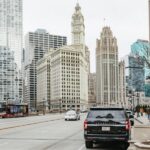
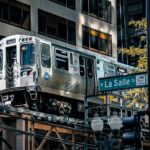
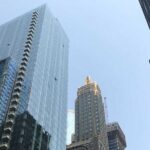
Next comes the Financial District, centered on LaSalle Street. You’re looking at skyscraper “canyons” that form down LaSalle, ending abruptly with the Art Deco masterpiece of the Board of Trade on Jackson.
The guide’s job here is to connect the visuals to the lived economy of Chicago: traders, regulators, and bankers all work this corridor. Even if you’re not into finance, the effect is easy to understand because the buildings do the talking.
A practical note: this is a great spot for photos, but it’s also a classic downtown wind tunnel. If weather is chilly, you’ll likely feel it more here than at the library or in sheltered lobbies.
You can also read our reviews of more tours and experiences in Chicago



Calder’s Flamingo at Federal Plaza: Civic Art at Full Scale
Then you get to Calder’s Flamingo, a 53-foot tall stabile in front of the Kluczynski Federal Building. It’s commissioned by the U.S. General Services Administration and was unveiled in 1974, with Calder’s signature indicating construction in 1973.
This stop adds variety. One minute you’re in commercial downtown geometry; the next you’re looking up at a sculptural form that’s unmistakably art in public space. It also breaks up the skyline-to-skyline rhythm and gives you a mental pause before Willis Tower.
Willis Tower: Chicago’s Skyline Icon and Its Former Height Claim
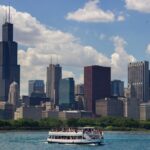
At Willis Tower (formerly the Sears Tower), you’re looking at an exterior that has become an emblem for the city. It’s 110 stories tall, and for nearly 25 years after completion it held the title of tallest building in the world.
Even if you’ve seen skyline shots before, seeing it at street level changes the scale. This stop is short but memorable, and it helps set the context for why Chicago loves vertical design.
If you’re hoping for a long inside visit, manage expectations. The focus here is outdoor viewing tied to the food route and walking pace.
The Rookery Building: Resilience After the Great Fire, Told Through Design
The Rookery Building stop points you to a key Chicago theme: rebuilding and reinvention. The story tied to this building is that after the Great Fire of 1871, the city’s rebirth helped shape the kind of multi-storied office building that transformed American downtowns.
What you get from this stop is a sense of continuity. It’s not just “look at the tall thing.” It’s why Chicago’s downtown identity developed the way it did—through disasters, reinvention, and design choices that stuck.
Palmer House Hilton Historic Lobby: Romance, Charm, and a Downtown Business Legacy
You end the landmark stretch at the Palmer House Hilton Historic Lobby. This is where downtown Chicago’s personality shows up in a more human way: romance and charm, tied to Potter Palmer, a major Chicago business magnate connected to the growth of downtown—especially State Street.
Lobby stops can feel a little like “pass-through space,” but here it works because the building itself is part of the downtown story. If you like old-school grandeur, you’ll likely enjoy the change of pace from steel-and-glass exteriors.
The Millennium Park Finish and Cloud Gate Time
After the last food/landmark portion, the tour ends across the street at Millennium Park. You can spend time by Cloud Gate, the sculpture people come to see again and again.
This is where you get your breathing room. By then you’ve eaten enough that you can slow down without worrying you’re “behind schedule.”
The Food Stops: What You’ll Actually Taste (and Why It Feels Like a Meal)
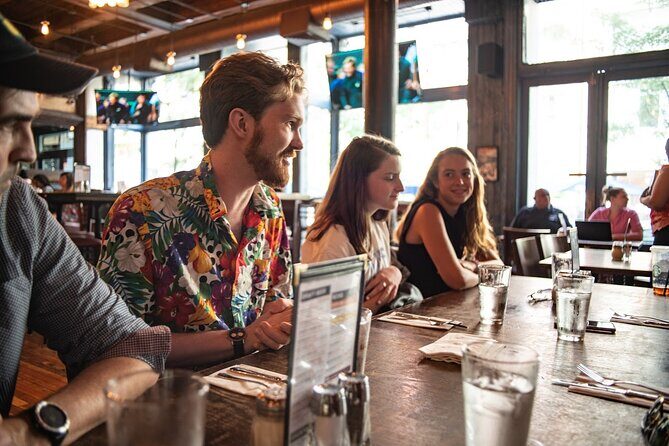
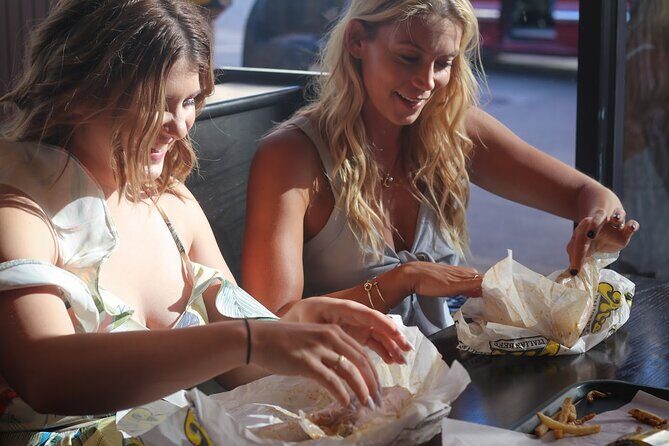
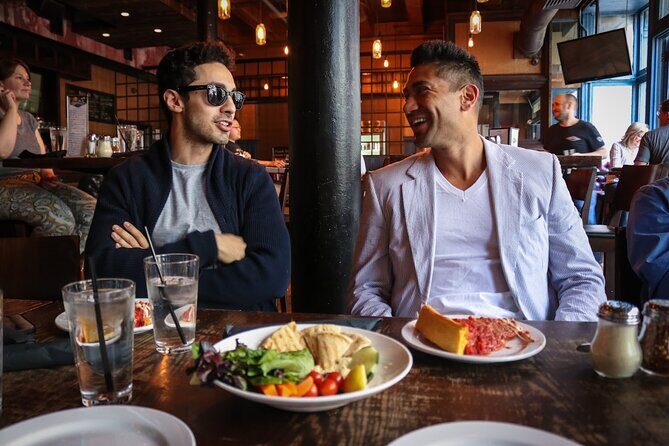
This is one of the big reasons people love this tour. You’re not just sampling. You’re going course-by-course through iconic Chicago flavors.
Deep-Dish Pizza With Sausage: The Rivalry Starter
Chicago deep-dish is treated like a civic identity here, and the guide explains what makes it special. You’ll taste deep-dish pizza with sausage, and you’ll learn why it’s not just pizza-by-another-name compared to the New York-style reputation.
What to expect: it’s filling. The crust and toppings are built to be substantial, and the portion size is more than a “snack bite.” This is one of the places where you should pay attention to pacing, because the day can get heavy if you’re already hungry from sightseeing.
Italian Beef Sandwich: Dipped, Local, and Historically Anchored
A key stop is the Italian beef sandwich, described as a historic spot where you learn about the sandwich’s origins and Chicago roots.
The “dipped” part is the point. It changes the texture and creates that signature flavor that people argue about with the seriousness of sports fans. If you like food that’s messy-but-worth-it, you’ll probably enjoy this.
Chicago-Style Hot Dog: The Classic Side That Adds Balance
You also get Chicago-style hot dog and other treats along the way. If deep dish is your hearty anchor, the hot dog often acts like the quick, satisfying counterweight that keeps the tour from feeling one-note.
Popcorn, Brownie, and the Secret Dish: Sweet and Salty Finish Work
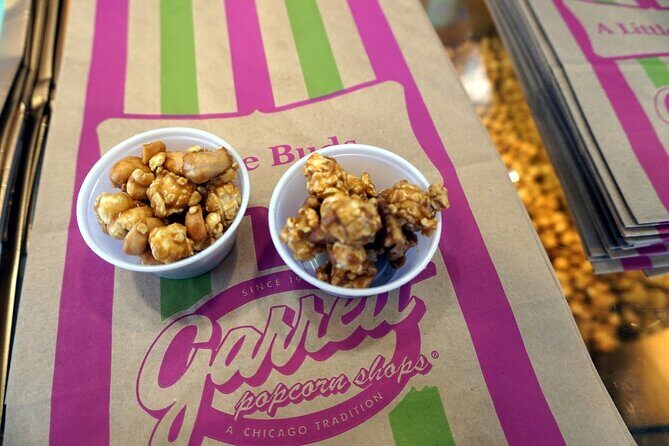
You’re included with gourmet popcorn and a fudgy brownie. The tour also includes a secret dish, revealed on the day.
This is where the tour feels fun instead of purely scripted. You know you’ll end with dessert energy, but you don’t know exactly how it’ll show up until you’re there.
One small heads-up from real experiences: sweets can become a standout later in the walk. People often name the brownie as a favorite, and some experiences mention getting a churro as part of the sweet mix. If you care about your exact dessert preferences, it’s smart to ask the guide day-of.
Spice Level: Tell Them If You Prefer Mild
One note that matters: some items can include a little kick. If you have spice sensitivity or want mild-only food, flag it in advance. The tour data specifically asks you to contact them for dietary requirements so they can cater as best they can.
How Long It Feels, and Why the Pacing Usually Works
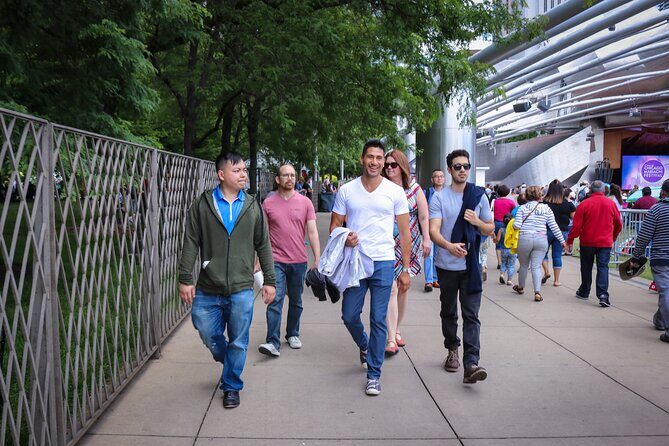
Duration is listed at about 3 hours. In practice, people report it can run right at 3 hours or a bit longer, depending on timing and how long you pause at each stop.
The pacing generally works because:
- you have multiple food pauses that prevent the walk from feeling endless
- the architecture stops are short enough to keep momentum
- the group size stays small, so the guide can manage timing
Also, food is prepared to be ready at stops so you don’t lose time hunting for the next place on your own. That’s a major value for time-pressed visitors. You’re doing sightseeing and eating without the “where do we go now” hassle.
Who This Tour Fits Best (and Who Might Skip It)
This is a strong match if you want:
- an efficient way to see the Loop’s core landmarks
- a real Chicago food mix without building a self-made itinerary
- a guide who connects food to place, not just food to taste
You might reconsider if:
- you hate walking or have limited endurance (the route covers a fair amount)
- you want drinks included in the price (drinks are not listed as included, and at least one experience specifically called that out)
- you have very strict dietary needs and can’t manage pre-contact (the tour asks you to message in advance)
If you’re traveling solo, couples, or a family group, the small size helps keep it lively without turning into a chaotic line. For architecture fans, the list of stops is a solid downtown primer: library, financial canyon, public art, Willis Tower, Rookery, and Palmer House lobby.
Practical Tips That Make Your Experience Better
A few details make a difference on a tour like this:
- Wear shoes that handle city sidewalks. You’ll be on your feet for the full Loop stretch.
- Come hungry. The menu is built to add up to a hearty meal by the end.
- If you avoid spice, say so before you start.
- If you care about drinks, plan to buy your own.
- Expect the itinerary and menu can shift based on availability and weather, so don’t fixate on one single restaurant or one single exact dish beyond what’s listed as included.
One last practical point: some departures swap deep-dish stops if a popular venue is too full. That’s usually meant to reduce waiting, but it can change the exact feel of the pizza stop. If you’re picky about pizza houses, keep flexibility.
Should You Book the Chicago Loop Food Tour With Deep Dish & Italian Beef?
I think you should book this if you want a smart, central way to do Chicago in a half-day format. The price makes sense because you’re paying for a guided route that combines major architecture with multiple tastings that genuinely add up to dinner.
It’s especially worth it when your time in Chicago is short and you don’t want to juggle six separate plans: one for pizza, one for beef, one for a hot dog, and then time to see Millennium Park.
I’d skip or at least choose another option if you hate walking, expect included drinks, or need to control spice and ingredients with strict precision. Otherwise, this is a fun, efficient way to eat like a Chicagoan while getting oriented to the city’s downtown identity.
FAQ
What is the duration of the Chicago Loop District Food Tour?
It’s listed as about 3 hours (approx.).
How much does the tour cost?
The price is $84.99 per person.
Where do I meet for the tour, and where does it end?
The tour starts at Millennium Park, Chicago, IL, USA, and ends across the street at Millennium Park.
What food is included on the tour?
Included tastings are deep dish pizza with sausage, gourmet popcorn, Chicago-style hot dog, Italian beef sandwich, a fudgy brownie, and a secret dish revealed on the day.
Is this a small-group experience?
Yes. The tour has a maximum of 12 travelers.
Is the tour offered in English?
Yes, it’s offered in English.
Are dietary requirements accommodated?
You should contact the tour in advance for any dietary requirement so they can cater as best as possible.
Do I need to bring comfortable shoes?
Yes. The tour involves a fair amount of walking, so comfortable shoes are recommended.
Is admission included for the stops?
The stops listed in the itinerary show admission tickets as free.
What is the cancellation policy?
You can cancel for a full refund if you cancel up to 24 hours in advance of the experience start time. If you cancel less than 24 hours before, the amount paid is not refunded.