REVIEW · WALKING TOURS
Chicago: Art Deco Skyscrapers Walking Tour
Book on GetYourGuide →Operated by Chicago Architecture Center · Bookable on GetYourGuide
Art Deco in Chicago feels like theater. This 90-minute walking tour brings you into five opulent lobbies of riverfront skyscrapers where a 1920s style of geometric optimism turns into real, up-close ornament. I love the inside access to Art Deco interiors in Chicago landmarks, and I love how the Chicago Architecture Center certified docent makes the story click, with clear details and a friendly sense of humor. One possible drawback: you will be walking on pavement and you should plan to travel light since there’s no secure storage for luggage or strollers.
With small groups (limited to 10), you get time to ask questions and actually spot design motifs like zigzags, octagons, sunbursts, and flowers. The ticket also includes admission to Chicago Architecture Center exhibits, so your time sightseeing doubles as support for local architecture education and community programs.
In This Review
- Key things I’d circle on your map
- Why Art Deco looks so good along the Chicago River
- Price and value: what $35 really buys you
- Before you go: meeting at 30 N LaSalle and traveling light
- The “Roaring ’20s” Art Deco story your docent will guide you through
- Stop 1: Carbide and Carbon Building (now the St. Jane Hotel)
- Stop 2: Chicago Motor Club Building (now the Hampton Inn)
- Stop 3: Trustees System Service Building (now the Century Tower)
- Stop 4: Engineering Building and the discipline of geometry
- Stop 5 and the finish at Merchandise Mart
- What to watch for, beyond the big motifs
- The guide makes the difference
- Should you book the Chicago Art Deco Skyscrapers Walking Tour?
- FAQ
- How long is the Chicago Art Deco Skyscrapers walking tour?
- How much does it cost?
- Where do I meet the tour?
- How many buildings does the tour include?
- Is the tour wheelchair accessible?
- Are pets allowed?
- Is there luggage or stroller storage?
- Does the tour run in bad weather, and is it refundable?
Key things I’d circle on your map
- Five lobby entries in prominent Art Deco skyscrapers near the Chicago River
- Origins of Art Deco, from Paris to Chicago’s big expositions
- Motif spotting (zigzags, octagons, sunbursts, and floral patterns) made practical
- A certified docent trained by the Chicago Architecture Center
- Small group pacing that doesn’t feel rushed
- A finish at Merchandise Mart that ties the story to the business boom
Why Art Deco looks so good along the Chicago River
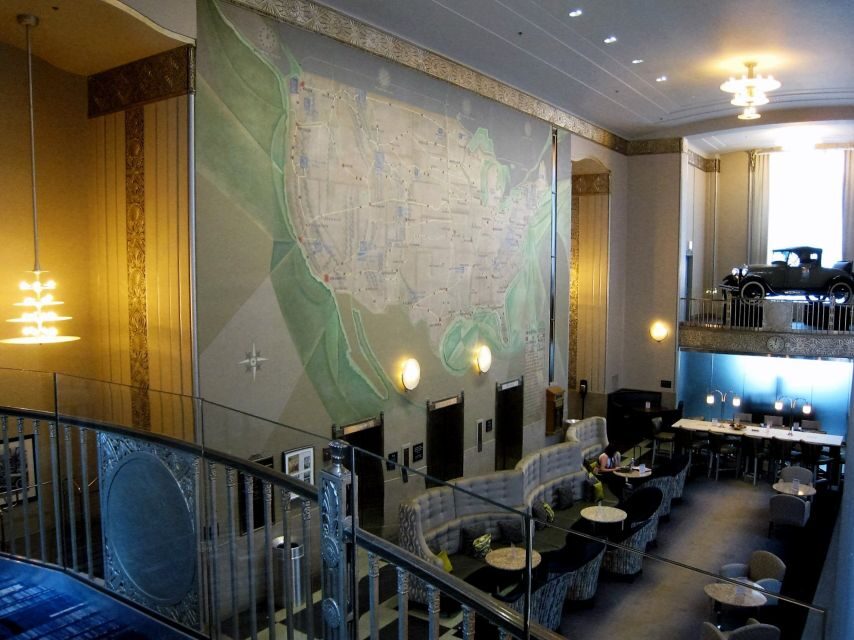
Chicago is a city that loves extremes. Steel and height are the obvious headline, but Art Deco adds a second layer: attitude. This tour centers on buildings that rose near the banks of the Chicago River during the business surge of the Roaring ’20s, when the city was dreaming big and spending big.
You’ll learn that Art Deco wasn’t just a local style. It spread in waves, starting with an international art exposition in Paris, then showing up in Chicago again during the 1933–1934 Century of Progress Exposition. That matters because it explains why the buildings feel both modern and theatrical. Art Deco borrows from ideas like Cubism and influences from ancient Middle Eastern art, then translates them into shapes you can recognize fast once someone points them out.
The best part is how that design thinking shows up inside lobbies. Exteriors can impress from across the street, but lobbies are where you see the craft: geometric patterns, lavish materials, and the kind of optimism that makes the whole entry experience feel designed for a public audience.
You can also read our reviews of more walking tours in Chicago



Price and value: what $35 really buys you
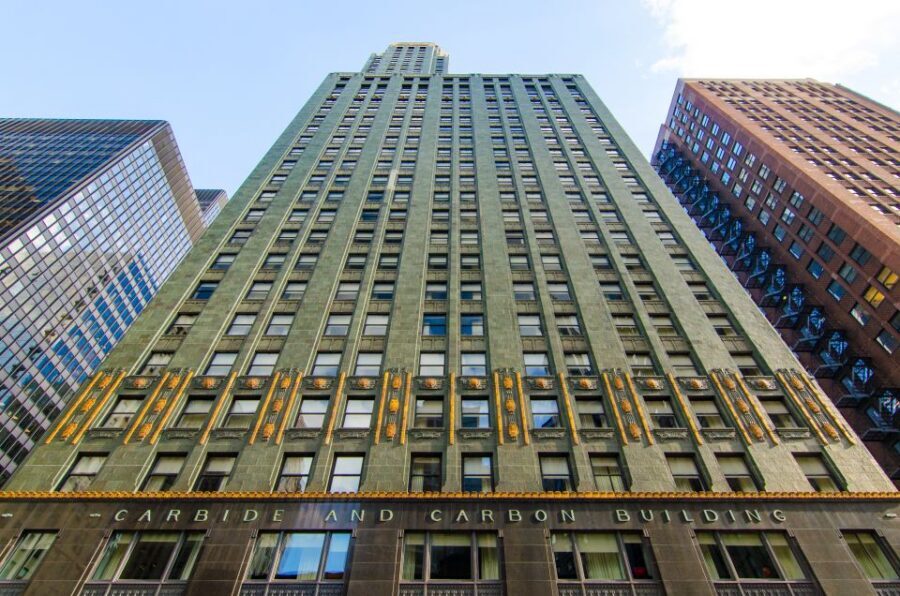
At $35 for a 90-minute small-group tour, you’re not just paying for a walk and a few photos. You’re paying for access and interpretation.
Here’s the value breakdown in real terms:
- Five building entries: you’re going inside opulent Art Deco skyscraper lobbies, not just viewing façades.
- A trained docent: these tours are led by Chicago Architecture Center certified volunteer docents who receive hundreds of hours of training.
- Included admission to Chicago Architecture Center exhibits: your ticket connects the buildings to broader architecture learning.
- Community support: ticket purchases support local education initiatives like Girls Build!, Teen Fellows, and the Newhouse Architecture + Design Competition, plus efforts that help keep events like Open House Chicago free for participants.
If you like architecture, this is a strong deal because you’re getting both the buildings and the meaning behind the details. If you’re mainly looking for quick sightseeing without interpretation, it might feel a bit too story-forward. But for most visitors, the combination is exactly what makes this tour worth the money.
Before you go: meeting at 30 N LaSalle and traveling light
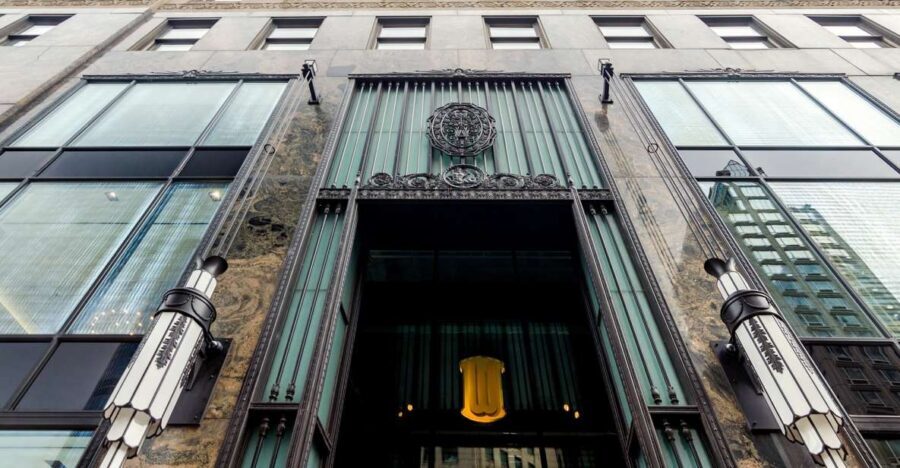
The tour meets at 30 N LaSalle Street. Arrive about 10 minutes early and have your confirmation ready, since the docent will check your name off a list.
A few practical points matter more here than in many walking tours:
- There’s no storage for luggage or strollers, and coat check isn’t included.
- Pets aren’t allowed, but service animals are welcome.
- Tours run rain or shine, so plan for weather you can move in.
If you’re bringing a stroller or have a bag, this is the moment to reconsider. Art Deco is photogenic, but this tour is timed and walking-focused, so carry only what you can comfortably manage during the full 90 minutes.
The “Roaring ’20s” Art Deco story your docent will guide you through
Art Deco is easiest to understand when you have a few visual anchors. Your docent will point you toward the patterns and ideas you’ll keep seeing again and again.
You can think of it like this:
- Cubism and ancient Middle Eastern influences show up as bold, stylized form.
- The Paris connection explains why the style felt sleek and international.
- The Chicago connection shows how local prosperity turned fashionable design into landmark buildings.
As you walk, you’ll get a short “decoder ring” for common motifs:
- Zigzags and stepped lines that feel like speed
- Octagons that create rhythm around entrances and decorative panels
- Sunburst designs that pull the eye upward
- Floral details that soften the geometry without breaking the style
Once those pieces click, you’ll start noticing how Art Deco makes tall buildings feel intentional rather than just tall. The tour’s focus on lobbies also helps, because lobbies are where designers could go all-in with materials and ornament.
Stop 1: Carbide and Carbon Building (now the St. Jane Hotel)
One of the first anchors in the tour is the Carbide and Carbon Building, now the St. Jane Hotel. This is a Chicago landmark, and it’s the kind of building where you can see how Art Deco turns a technical structure into something celebratory.
In the lobby, look for the way lines and shapes organize space. Art Deco often uses geometry to create order, even when the decoration feels lavish. That’s what makes these interiors so fun to study. You’re not stuck only with a few architectural details at street level. You can actually take in the full effect of the design choices made for people entering a landmark workplace.
Why this stop matters for you:
- It gives you a strong baseline for what Art Deco “wants” to do: make an arrival feel special.
- It helps you connect exterior scale with interior detail, so the buildings start making sense as a unified design language.
If you’re the type who wants to photograph every surface, you’ll still want to stay mindful here. Lobbies can get busy in general, and the best move is to pause where your docent tells you the motif is located, rather than drifting around.






Stop 2: Chicago Motor Club Building (now the Hampton Inn)
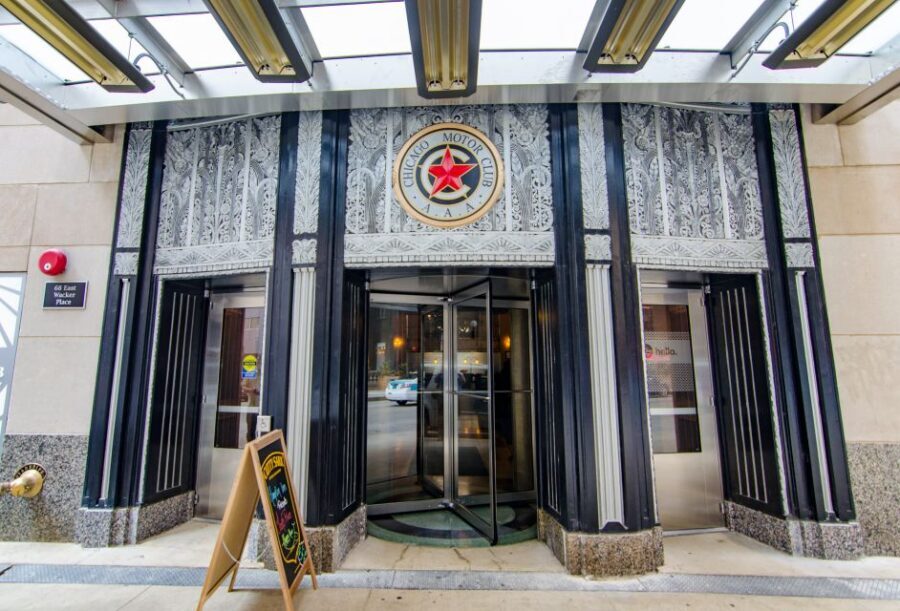
Next comes the Chicago Motor Club Building, now the Hampton Inn. Also designated as a Chicago landmark, it’s the kind of stop that proves Art Deco wasn’t only about luxury for its own sake. It also carried a modern, confident vibe that matched a city racing into the future.
Inside, the tour helps you shift from seeing Art Deco as decoration to seeing it as structure for attention. A good docent will point out how repeating motifs guide your eye. You’ll likely notice patterns that feel bold and graphic, the same kind you saw described earlier during the tour’s origins and motifs explanation.
This stop is especially useful if:
- You’ve only ever associated skyscrapers with exteriors, and you want the interior perspective.
- You want to understand how a style can be both stylish and readable.
A small practical consideration: because you’re entering lobbies, you’ll want to keep your phone ready but not out for constant filming. Listening is part of the value here, and the docent’s job is to point out details you might miss if you’re only scanning for the biggest visuals.
Stop 3: Trustees System Service Building (now the Century Tower)
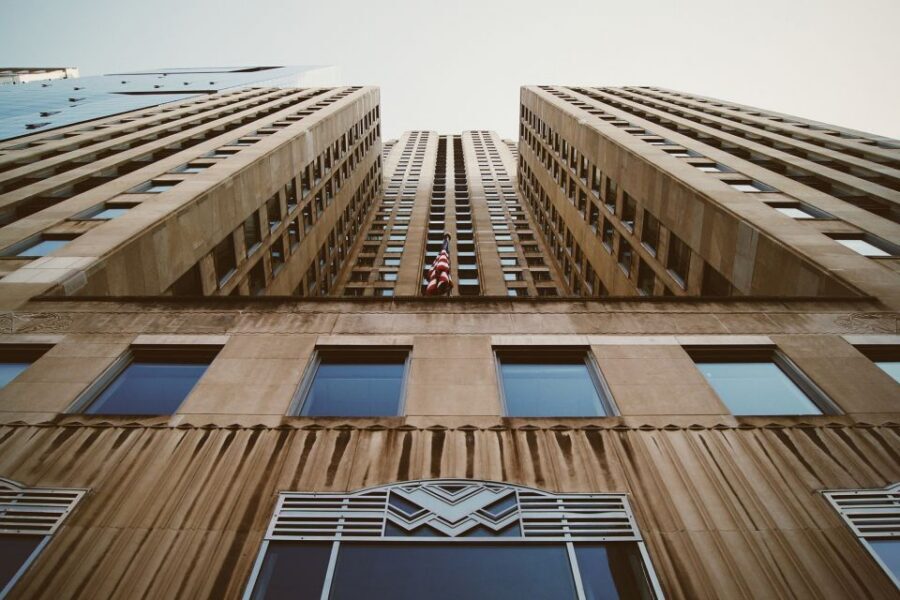
The Trustees System Service Building, now the Century Tower, is one of the more interesting stories because it’s often overlooked compared with the flashier names. That’s exactly why this tour includes it.
This stop leans into the “once you know where to look” idea. Art Deco motifs can be bold, but they can also be subtle in how they’re arranged. With a guide trained by the Chicago Architecture Center, you’ll get help spotting the design logic behind what you see: how zigzags, octagons, and sunburst-like forms can repeat in ways that build a visual theme from floor to floor.
Why you’ll like it:
- It widens your Art Deco view beyond the obvious.
- It shows how the same design vocabulary can feel different depending on the building’s purpose and layout.
If you’re trying to compare stops, give yourself permission to do it in quick mental notes. For example: which lobby feels more geometric? Which one feels more ornate? Which one feels more welcoming at street level? Your docent’s explanations will make those comparisons easier.
Stop 4: Engineering Building and the discipline of geometry
The tour also includes the Engineering Building, another Chicago landmark tied to the idea of modern ambition. This is a strong stop if you want to understand how Art Deco can feel both expressive and disciplined.
Engineering buildings and Art Deco decorations can sound like an odd match until you see how the style works. Art Deco often uses pattern and repetition to communicate confidence. Even when it’s decorative, it can feel controlled.
As you move through the lobby, pay attention to:
- The way details repeat in a system-like manner
- How ornament frames entry points or creates visual hierarchy
- The balance between material richness and geometric clarity
This stop helps you see Art Deco as an era’s language, not just an aesthetic trend.
The drawback here is also simple: if you hate studying details, you may not get as much from this stop as you would from a more flashy exterior-only experience. But if you enjoy learning how buildings think, this one is a payoff.
Stop 5 and the finish at Merchandise Mart
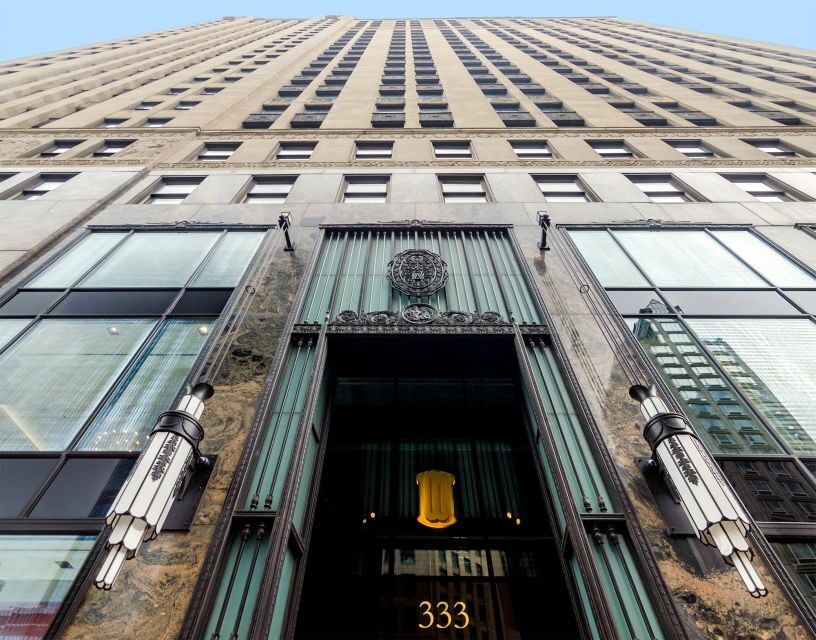
You’ll step inside five opulent Art Deco skyscraper lobbies total, all built near the Chicago River during the 1920s business boom. Four are clearly identified by the tour’s highlights: Carbide and Carbon (St. Jane Hotel), Chicago Motor Club (Hampton Inn), Trustees System Service (Century Tower), and the Engineering Building. The fifth is another major Art Deco landmark on the route, designed to complete the set of viewpoints on how the style shows up across different building identities.
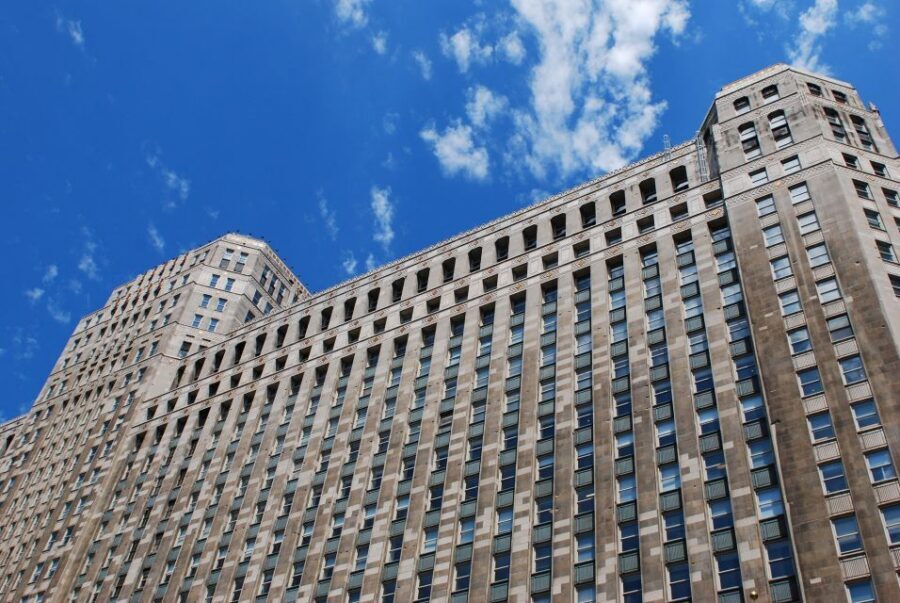
After the final lobby entry, the tour ends at the Merchandise Mart. Ending here makes practical sense. The Mart connects the dots to the broader business story of Chicago’s downtown growth, so the walking sequence doesn’t feel like a random collection of stops. It feels like a narrative arc: era → style → buildings → where the city’s energy concentrated.
If you want to keep exploring afterward, this finish is convenient for extending your day in the area. Even if you only have a bit of time, you’ll likely find yourself noticing Art Deco details in nearby streetscapes because you’ve trained your eye during the tour.
What to watch for, beyond the big motifs
The tour is built around recognition, and that’s where it becomes more than a nice walk. You’ll learn the origins of Art Deco and then apply them immediately through what you see in each lobby.
Here are a few high-value things to watch for, so you get more than surface-level pretty:
- Look for repeated geometry. Art Deco isn’t random decoration. Patterns tend to echo across surfaces.
- Spot the motif families the tour highlights: zigzags, octagons, sunbursts, and flowers. Once you notice one, you’ll usually find cousins of it nearby.
- Compare exterior scale to lobby intimacy. Tall buildings feel grand outside. Lobbies reveal how the same style becomes human-scale through design choices.
- Listen for the Paris and Chicago timeline. The style’s journey helps you understand why Chicago embraced it during the 1920s boom, then showcased it again during the Century of Progress era.
The reason this approach works is simple: it turns “I saw Art Deco” into “I can explain what I’m seeing.” That’s the kind of souvenir that lasts.
The guide makes the difference
This kind of tour lives or dies on the guide, and the format here is designed for strong storytelling. You’ll have a live docent from the Chicago Architecture Center. These are certified volunteer docents with extensive training, and the tour’s pacing supports actual learning instead of speed-walking from one pretty door to the next.
From what I’ve come to expect in tours led this way, you’ll get:
- A clear explanation of where Art Deco came from
- Help spotting motifs in real time
- A steady rhythm that makes the information feel manageable
That’s also why many visitors love this tour: it’s not only about pretty spaces. It’s about understanding the logic behind the beauty.
Should you book the Chicago Art Deco Skyscrapers Walking Tour?
I’d book it if you want a practical, guided way to see Art Deco where it matters most: inside the lobbies. With five building entries, a trained docent, and the chance to understand how the style traveled from Paris to Chicago, you get real value for the time and cost.
You might skip it if you only want an exterior-only sightseeing loop, or if you have trouble walking pavement for about 90 minutes without breaks. Also keep in mind that there’s no secure luggage or stroller storage, so this works best for visitors traveling light.
If you’re a first-time Chicago visitor, this is a smart architecture introduction. If you’re a return visitor, it’s still worth it because the interior access changes what you think you know about the city’s Art Deco era.
FAQ
How long is the Chicago Art Deco Skyscrapers walking tour?
The tour lasts 90 minutes.
How much does it cost?
The price is $35 per group up to 1.
Where do I meet the tour?
Meet at 30 N LaSalle Street. Arrive 10 minutes before departure and have your confirmation ready.
How many buildings does the tour include?
You get entry into 5 iconic Art Deco buildings, touring the lobbies.
Is the tour wheelchair accessible?
Yes, the tour is wheelchair accessible.
Are pets allowed?
No pets are allowed. Service animals are welcome.
Is there luggage or stroller storage?
No. The tour is unable to provide secure storage for luggage or strollers.
Does the tour run in bad weather, and is it refundable?
Tours depart rain or shine. The info provided says there are no refunds due to the weather, but there is free cancellation up to 24 hours in advance for a full refund.