REVIEW · WALKING TOURS
Chicago: Mobsters and Movies Walking Tour
Book on GetYourGuide →Operated by Chicago Murder Mystery Tour · Bookable on GetYourGuide
Chicago’s downtown has a second life: crime stories on one side, movie scenes on the other. I love how the guide ties true mob locations to famous filming spots, all in a compact 2-hour walk. The big win is the mix of street-level history and indoor stops, though one drawback is the tour is not a great fit if you’re dealing with a cold.
You also get a sense of why Chicago became the go-to setting for gangster films. I like that the tour covers major names and eras, not just random trivia, and that the guide uses real places to make it stick. If you expect a slow, mostly scenic stroll, you might want to manage your expectations for how much story is packed into the walk.
In This Review
- Key Highlights Before You Go
- A Two-Hour Walk That Turns Downtown Into a Crime Film
- Meeting at State and Wacker: How You Start the Story
- Inside Real Spaces: Where Mobsters Planned and Crews Worked
- The Riverwalk Corridor: Capone, Movie Cameras, and Instant Comparisons
- Underground Tunnels and the Outfit: The Hidden Side of Downtown
- John Dillinger’s Last Visit: Turning True Crime Into Location Details
- Picasso Statue to Real Movie Frames: Fugitive, Blues Brothers, and More
- Dark Knight to Untouchables: Business District Crime in Film Form
- The Chicago Public Library Stop: Art, Architecture, and a Tiffany Dome Moment
- Price and Value: Is $35 Worth It?
- Who This Tour Suits Best (and Who Should Skip It)
- My Practical Tips for Getting the Most From It
- Should You Book Mobsters and Movies in Chicago?
- FAQ
- How long is the Mobsters and Movies walking tour?
- How much does the tour cost?
- Where do I meet the guide?
- Is the tour wheelchair accessible?
- What’s included in the ticket price?
- What language is the tour in?
- What films and gangster stories does the tour mention?
- Is it possible to cancel or pay later?
Key Highlights Before You Go
- Inside moments: You visit spaces where real mobsters planned and where Hollywood crews worked.
- Major names, not vague legends: Al Capone, John Dillinger, and the Chicago Outfit show up in concrete places.
- Street-to-screen comparisons: You see how the same corridor becomes movie magic in films like The Dark Knight and The Fugitive.
- Underground Chicago: Outfit tunnels and other hidden-style stops add texture beyond the downtown skyline.
- An art-and-architecture landing: The tour ends at the former Chicago Public Library, including the famous Tiffany dome.
A Two-Hour Walk That Turns Downtown Into a Crime Film
This is the kind of tour where your brain starts doing two jobs at once: remembering what happened in real life, and spotting what filmmakers later borrowed. The format is simple—mob history first, then the movie layer that used the same streets and buildings for storytelling.
At a price point of $35 per person for two hours, you’re paying for something beyond route guidance. You’re buying trained interpretation plus access to interiors, which is where most “stand outside and point” tours fall short. If you’re the type who likes connecting real-world events to how movies were made, it feels like a very fair deal.
You can also read our reviews of more walking tours in Chicago
Meeting at State and Wacker: How You Start the Story
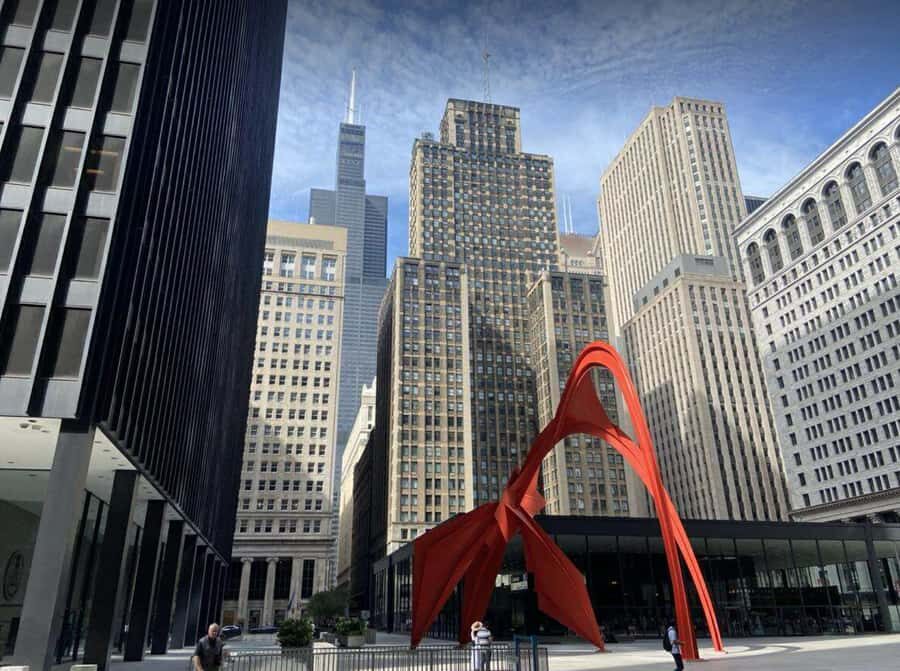
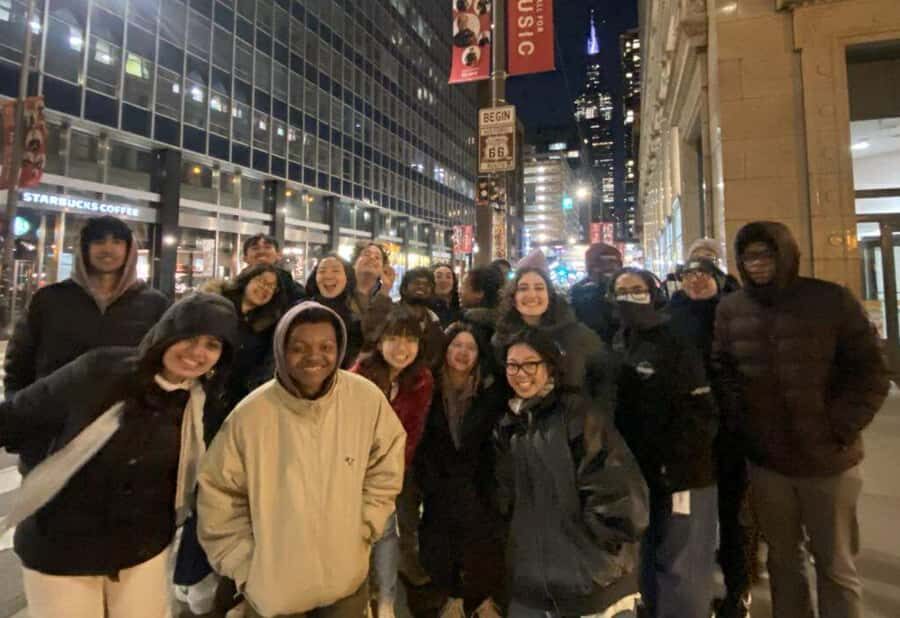
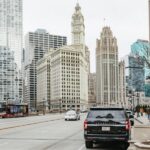
You begin at Chase Bank, corner of State and Wacker. From there, you work your way into the downtown corridor that keeps showing up in Chicago pop culture. It’s a good start point because you’re already anchored near the Riverwalk area where the guide begins placing the earliest crime-and-film connections.
The tour then keeps moving through recognizable downtown geography, so even if you’re new to Chicago, you should be able to orient fast. You’re not just hearing facts—you’re getting a route that makes you feel how the city’s layout shaped both crime and cinema.
Inside Real Spaces: Where Mobsters Planned and Crews Worked
One of the tour’s best tricks is that it doesn’t stop at “look at the building from across the street.” You get inside locations, and that changes everything. Interiors let the guide explain what happened in that setting—who used the space, why it mattered, and how it later became useful for filming.
This is also where your movie memories get sharper. You’re not only asked to recognize a facade; you’re shown how the room itself contributed to mood and storytelling. It’s the difference between watching a scene and understanding how the scene was built.
The Riverwalk Corridor: Capone, Movie Cameras, and Instant Comparisons
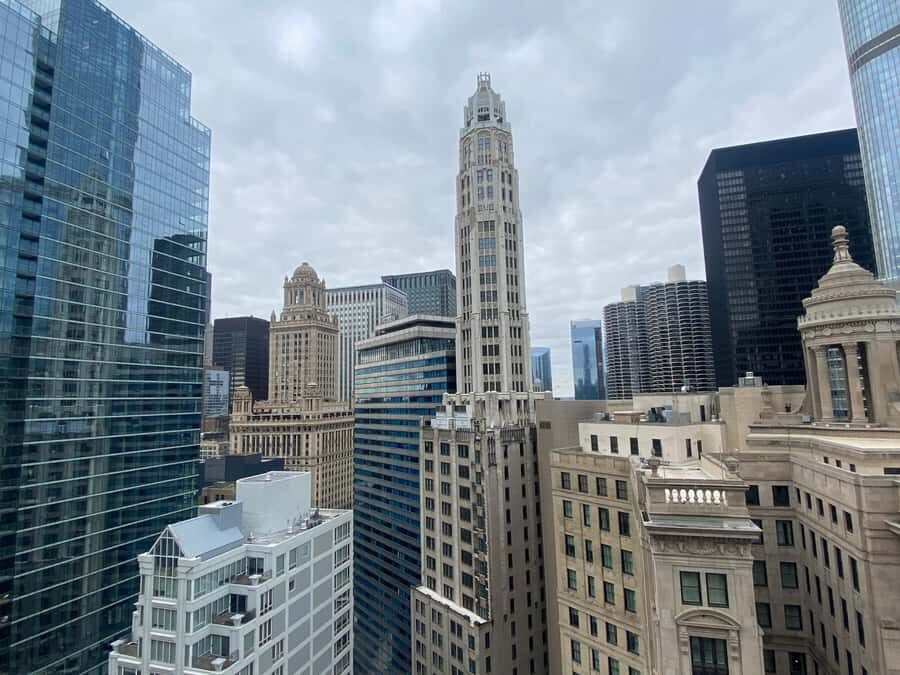
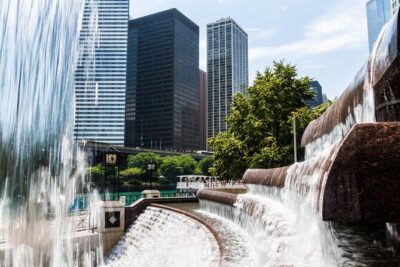
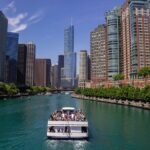
The tour starts at the downtown Riverwalk area and plays a neat game with your attention. You learn a few mob stories tied to places that still stand, and then the guide reconnects those spots to how they later became movie locations.
You’ll pass a mix of pop-culture references—from romance and action to superhero vibes—because the point is contrast. Chicago didn’t become cinematic by accident. A city with serious power, serious neighborhoods, and hard edges gives filmmakers strong material to work with.
Underground Tunnels and the Outfit: The Hidden Side of Downtown
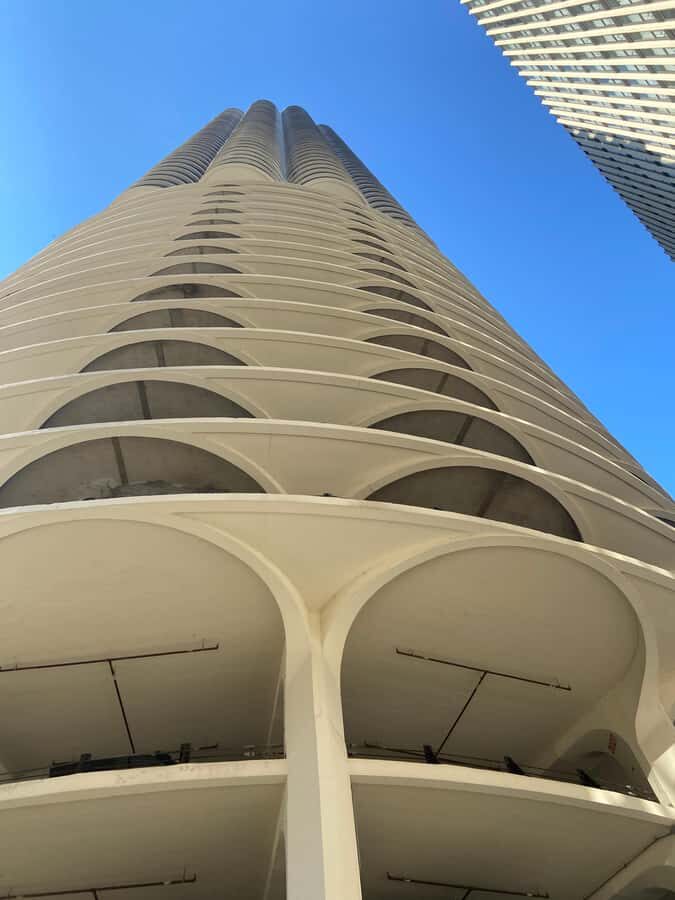
A major stop is the underground tunnels used by the Chicago Outfit. This is the kind of location that makes the tour feel more than like a walking worksheet. Tunnels aren’t just a scary detail; they explain how organized power operated when staying out of sight mattered.
This part of the tour also gives context for why the mafia era shows up so often in American crime storytelling. When you understand infrastructure—movement, secrecy, and leverage—the movie versions start making more sense, even when films dramatize events.


John Dillinger’s Last Visit: Turning True Crime Into Location Details
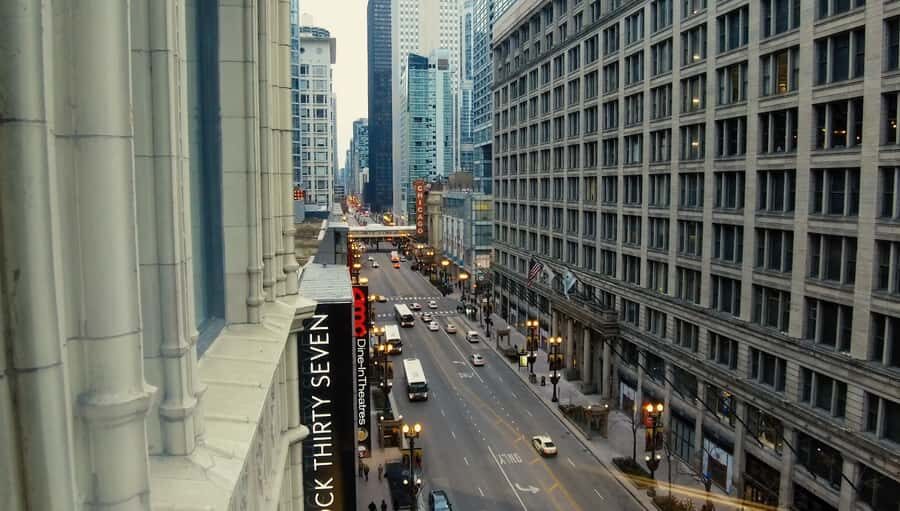
You also visit where John Dillinger saw his girlfriend for the very last time. That’s heavy subject matter, and the tour treats it as more than a click-worthy headline. You get the sense of place—why this location matters, and how it sits inside the larger story of Chicago’s gangster period.
The value here is specificity. Instead of only hearing that a figure lived in Chicago, you’re shown a grounded point in the city where the story connected to real movement and real people. It’s the difference between a name in a book and a moment you can almost picture.
Picasso Statue to Real Movie Frames: Fugitive, Blues Brothers, and More
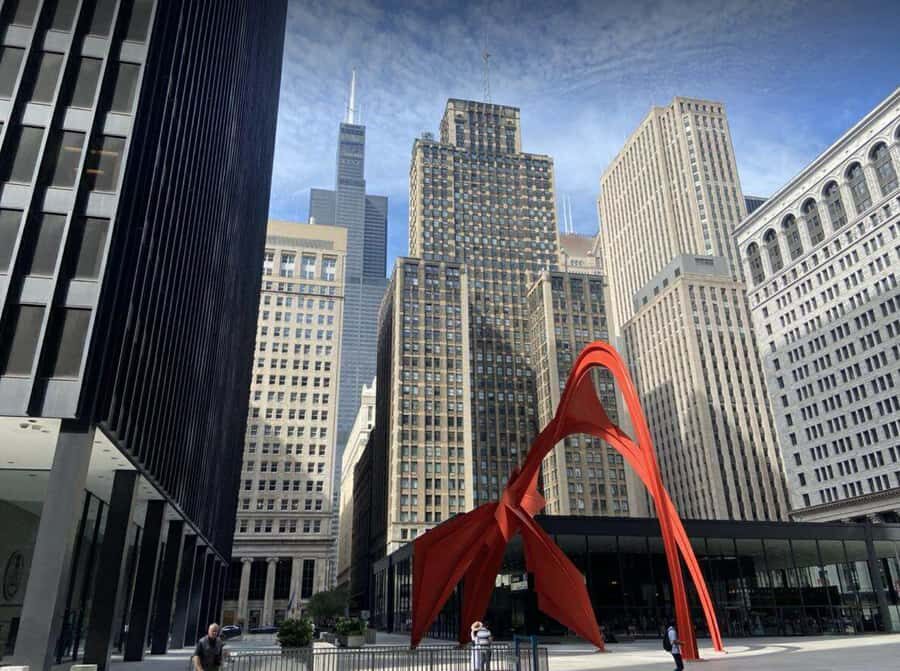
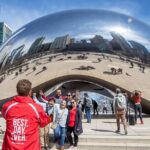
The Picasso statue shows up as a filming location tied to some of Chicago’s best-known scenes. It’s a smart stop because Picasso is already a familiar downtown marker for many visitors, so you can quickly map movie memory onto real geography.
From there, the tour revisits scenes connected to films like The Fugitive, The Blues Brothers, and Ferris Bueller’s Day Off. The guide doesn’t just list titles; the better approach is that you’re walked to the corridor where the camera likely found what it needed—angles, streets, and the feeling of Chicago in motion.
If you’re a movie nerd, this is where the tour feels most rewarding. You get to connect your own viewing memories to the physical city, and that makes your photos and mental map more useful later.
Dark Knight to Untouchables: Business District Crime in Film Form
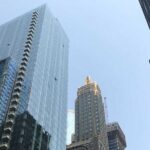
The downtown business district plays a big role in the tour’s movie side. Expect references that include The Dark Knight and The Untouchables, with the story layer running alongside the film layer.
One highlight is that the tour ends at the filming location for the climactic scene of The Untouchables. Ending this way is a smart narrative move. It gives you a payoff that feels cinematic, but it’s still rooted in real Chicago streets and buildings.
The Chicago Public Library Stop: Art, Architecture, and a Tiffany Dome Moment
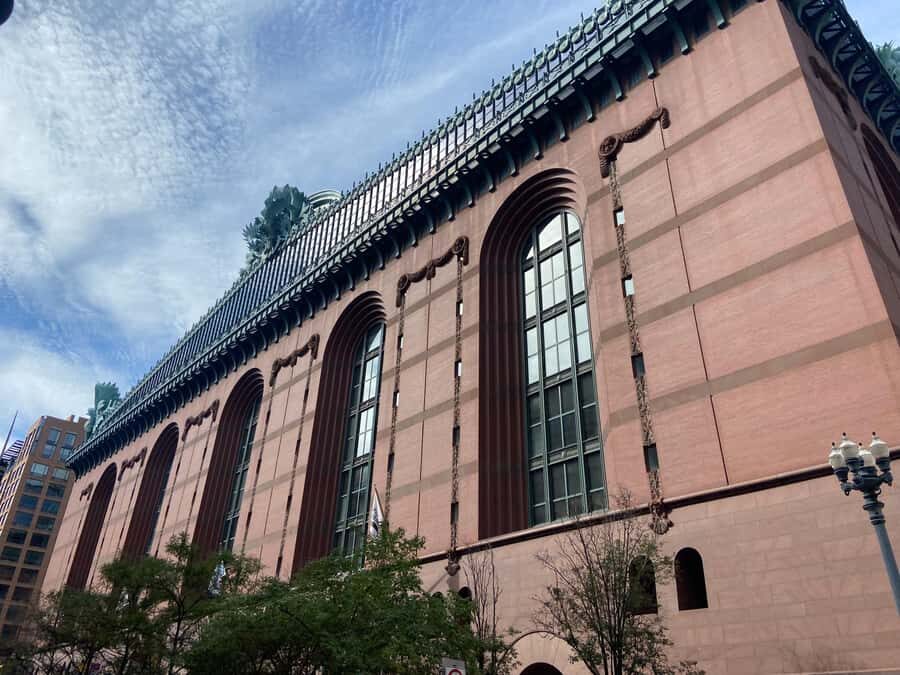
Your tour also includes architectural interiors, and one standout is the former Chicago Public Library. The guide points out the largest Tiffany glass dome in the world, which is the kind of detail that turns a crime-and-movies walk into an architecture visit too.
Inside, you’re also introduced to art exhibits as part of the tour’s broader city story. The guide even shares how to make the most out of a visit to the Art Institute, since this route ties into Chicago’s cultural mile and the city’s public-face identity alongside its darker past.
This blend is one reason the tour works for mixed interests. If you care about film, you’ll enjoy the screen connections. If you care about art and architecture, the stops give you real visual payoff instead of only storytelling.
Price and Value: Is $35 Worth It?
At $35 for a 2-hour guided walk, this is priced like a serious city experience rather than a cheap evening stroll. You’re paying for three things: trained historian-style guiding, inside access to specific locations, and souvenir photos included in the price.
So the value depends on what you want. If you like both true crime and recognizable movies, you’re likely to feel like you got your money’s worth quickly because the tour feeds two interests at once. If you’re mostly after general sightseeing, this may feel too story-heavy for your taste.
Who This Tour Suits Best (and Who Should Skip It)
This is a great fit if you’re:
- a fan of Chicago gangster history and major names like Al Capone and John Dillinger
- a movie fan who likes spotting locations and learning how films use real space
- the kind of traveler who enjoys guided interpretation and indoor stops
It may not be ideal if you:
- want a quiet, low-content walk
- are sensitive to true crime topics
- are currently sick or run-down, since it’s not suitable for people with a cold
My Practical Tips for Getting the Most From It
Wear comfortable shoes. This is a walking tour through downtown streets and multiple stops, including indoor locations where you’ll want steady footing.
If you’re a film fan, skim your must-see titles list first so you can catch the moments you care about. If you’re more into history, keep an eye on the guide’s place-based details—those are what turn names into something you remember.
Finally, use your photos on purpose. Since the tour pairs scenes with real spots, take a photo that includes both the building or marker and the streets around it. Later, you’ll thank yourself when you’re trying to place what you saw.
Should You Book Mobsters and Movies in Chicago?
I’d book it if you want a downtown tour with actual story structure: crime context first, movie locations second, plus indoor stops that make it feel real. It’s compact, it’s focused on recognizable Chicago, and it gives you a strong street-to-screen comparison you can only get by walking and listening together.
I would pass if your idea of a tour is mostly scenic and light. This one is about crime, film history, and how Chicago became part of American screen mythology—so go in hungry for that mix.
FAQ
How long is the Mobsters and Movies walking tour?
The tour lasts 2 hours.
How much does the tour cost?
It’s $35 per person.
Where do I meet the guide?
Meet at Chase Bank at the corner of State and Wacker.
Is the tour wheelchair accessible?
Yes, it’s wheelchair and ADA accessible, but no transportation or mobility devices are provided.
What’s included in the ticket price?
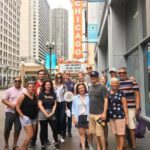
You get souvenir photos and a trained historian tour guide.
What language is the tour in?
The tour is English.
What films and gangster stories does the tour mention?
The tour includes references tied to Al Capone, Dillinger, and the Outfit, and filming locations tied to movies such as The Dark Knight, The Fugitive, The Blues Brothers, Ferris Bueller’s Day Off, and The Untouchables.
Is it possible to cancel or pay later?
Yes. It offers free cancellation up to 24 hours in advance for a full refund, and you can reserve now & pay later (book your spot and pay nothing today).