REVIEW · MUSEUMS
Chicago: WNDR Museum Entry Ticket
Book on GetYourGuide →Operated by WNDR Museum · Bookable on GetYourGuide
One hour flies by when your body becomes part of the art. WNDR Museum Chicago is a hands-on art space where technology turns your movement into light, sound, and AI-driven visuals. It is not a long, serious museum crawl. It is a short, playful experience with a real wow-factor.
I especially liked the interactive exhibits that respond as you walk and act, so you are doing more than just looking. I also enjoyed the light installations and soundscapes, which make the space feel like a living instrument rather than a room you pass through.
That said, this can feel brief for the money. At $36 per person, you will want to be in the mood for short, techy art, and be prepared that the add-ons (like photos) may not be cheap.
In This Review
- Key Things I’d Plan Around Before You Go
- WNDR Museum Chicago in One Hour: Art, AI, and Your Movements
- What You’ll Do Inside: Ticket Scan to Final Light Moments
- How the AI-Driven Art Works (and Why It Can Feel Hit-or-Miss)
- Light Installations and Soundscapes: The Best Parts to Slow Down For
- The Tactile Side: Touch Displays and Hands-On Energy
- Is $36 Worth It? Value, Time, and the Photo Factor
- Where It Fits in Your Chicago Day
- Who Should Book WNDR Museum Chicago
- Should You Book WNDR Museum Chicago?
- FAQ
- How long is the WNDR Museum Chicago entry ticket?
- How much does the WNDR Museum entry ticket cost?
- Is a guided tour included with the entry ticket?
- Does the ticket let me skip the ticket line?
- What languages are available during the visit?
- Is the museum wheelchair accessible?
- When are entry times available?
- Can I pay later and reserve my spot?
- Is there free cancellation?
Key Things I’d Plan Around Before You Go
- One-hour format: built for a quick hit of tech art, not a half-day museum marathon
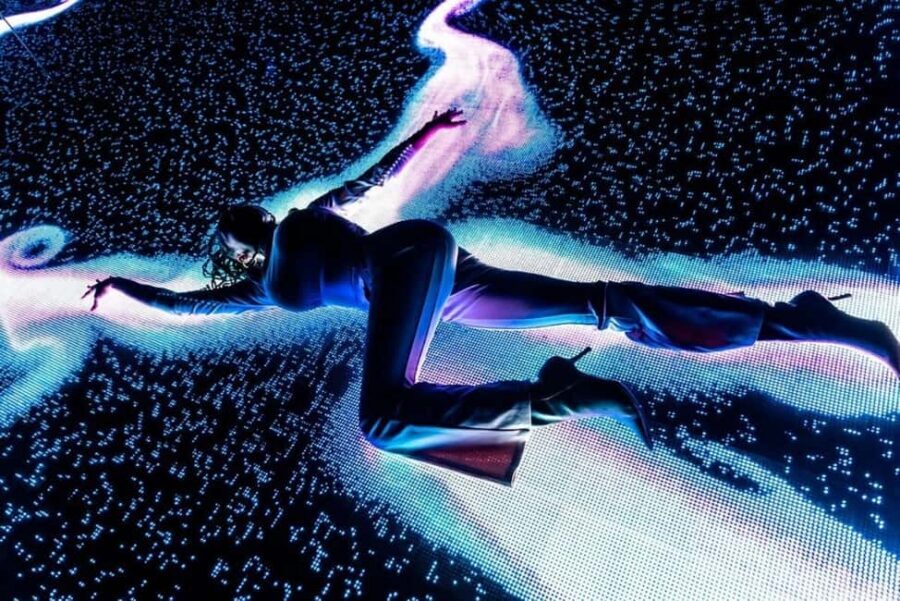
- Motion-reactive displays: your walking and gestures change what you see
- AI-driven artworks: the museum leans hard into tech creativity rather than traditional exhibits
- Multi-sensory rooms: light installations, soundscapes, and tactile elements work together
- Always changing experiences: it is updated using newer tech, so repeats can be different
- Cost of photos can sting: there are picture add-ons at the end that some find overpriced
WNDR Museum Chicago in One Hour: Art, AI, and Your Movements
WNDR Museum Chicago is built on a simple idea: you should not be stuck in spectator mode. The experience is designed so your actions help shape what happens inside the rooms. That shift matters, because it changes the vibe from museum quiet to “go ahead, try it” curiosity.
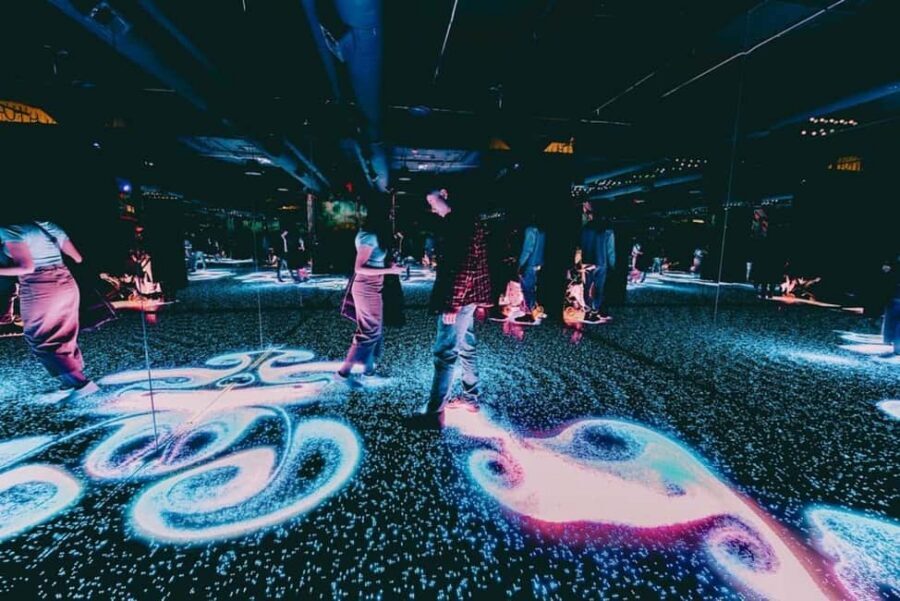
The museum blends art and technology in a multi-sensory way. You are not just watching a screen; you are standing in spaces that react to your presence through light, sound, and touch-like interactions. Expect an experience that feels more like a creative playground with serious design behind it.
Plan your expectations around the time. The ticket is for a 1-hour visit, and that is likely the ceiling of how much you can realistically absorb. If you want a slow, deep museum experience, this is not that. But if you want a fun, high-tech walk-through with lots to play with, it fits the bill.
You can also read our reviews of more tours and experiences in Chicago



What You’ll Do Inside: Ticket Scan to Final Light Moments
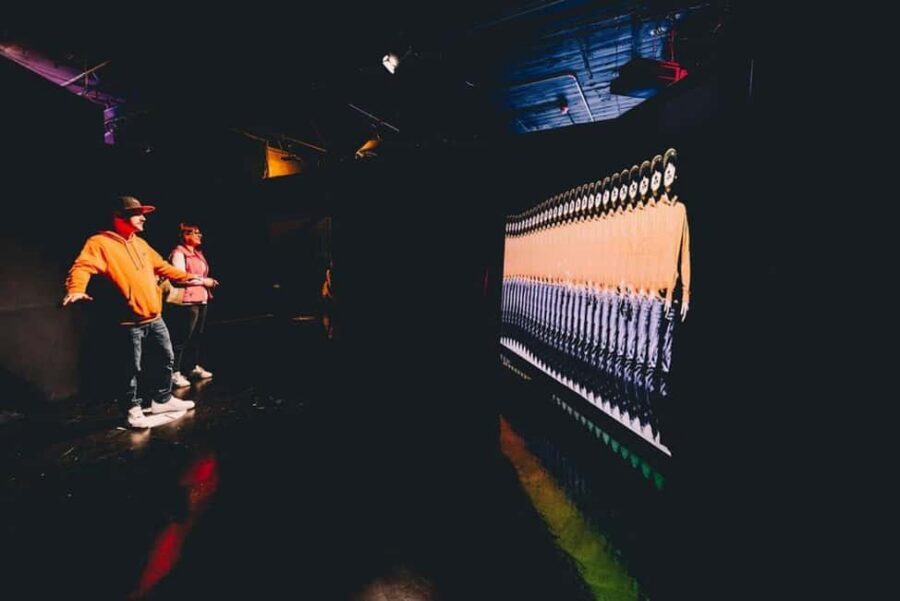
The visit starts with entry and then flows into a self-guided path through the exhibits. There is no guided tour included with the entry ticket, so the museum experience depends on you being willing to experiment. You will get the most out of it if you treat it like an interactive art show, not a slideshow.
Once you are in, you will move from one installation type to the next. Many of the standout moments come from artworks that respond to your movement. That means you can often get different results if you change your pace, angle, or gesture. It is worth taking a slow approach at first, then coming back to try the same area again if you notice how it responds.
A big chunk of the experience centers on light-based installations. You might step into rooms where visuals feel kaleidoscopic and dynamic, shaped by what you do in front of you. These spaces are made to be watched and participated in at the same time, which is why photos can be tempting but also sometimes come with extra pricing at the end.
You will also encounter sound elements and tactile-style displays. These are meant to add another layer beyond visuals, so you are not just seeing the art—you are feeling the environment react around you. If you are the type who likes to turn your senses on, this part is usually where the experience clicks.
The finish line is also part of the design. There are opportunities to reflect on what you made and share your creations with others. That end section matters because it turns the visit from a one-time viewing into something you can talk about and remember.
How the AI-Driven Art Works (and Why It Can Feel Hit-or-Miss)
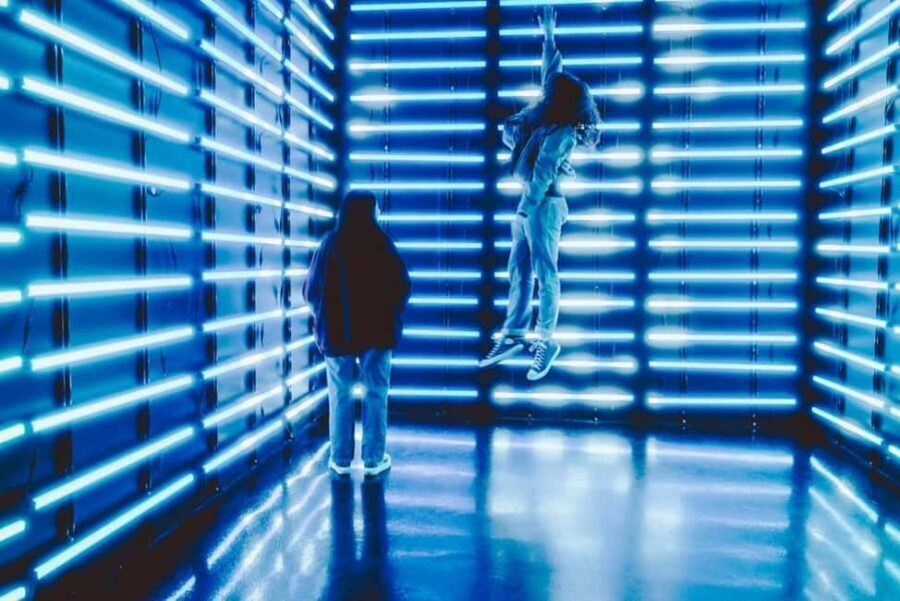
The WNDR Museum leans into AI-driven artworks as part of its creative identity. In practice, that usually means the art system is not static. It is designed to react in real time, often based on your presence and interaction. The goal is to make the tech feel like a creative partner, not a distant gimmick.
I like AI in art when it does one thing well: it creates responsiveness. When the installation changes because of what you do, the tech becomes a tool for play. It also keeps you mentally engaged, because you are not waiting for the next thing to happen—you are actively prompting it.
Still, this is not a place for everyone. Some people expect a bigger museum setting with lots of interpretation and context. Here, the emphasis is on the experience of interacting, not on deep explanations. If you are hoping for a traditional art lesson, you may feel like it is too short or too light on explanation.
The good news is that the museum aims to keep its experience fresh using newer technologies. That means the AI-driven moments can evolve, so you may catch different setups at different times. It is one reason repeating a visit later can still feel interesting.
Light Installations and Soundscapes: The Best Parts to Slow Down For
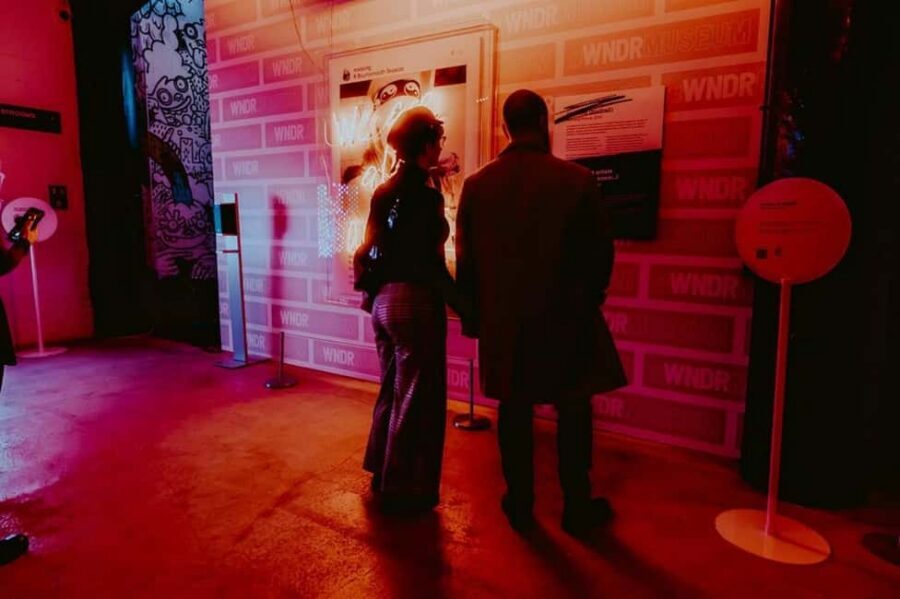
The strongest moments in WNDR Museum are the light installations and soundscapes. Together, they create a kind of controlled sensory chaos that feels designed rather than random. These rooms are where you get that wow feeling because the visuals and audio move with the space and your actions.
If you want to enjoy these areas, give yourself a little patience. Do not rush straight through trying to see everything. Start by watching how the installation responds to you. Then adjust what you do. Often, small changes in movement can lead to noticeable differences in how the light and sound behave.
These spaces are also where your camera instincts might kick in. The museum experience is built around visual moments, so people often want photos. Just be aware that picture add-ons at the end can cost extra, and that is one of the most common complaints you will see. If you want to keep your budget predictable, treat photos as optional, not guaranteed.
Sound is a quieter selling point, but it can be a big deal here. When the sound is reactive, it makes the art feel more physical. You stop thinking of it as a display and start thinking of it as an environment you are part of. That is the main value of the multi-sensory approach.
The Tactile Side: Touch Displays and Hands-On Energy
Besides light and sound, you will find tactile displays and other hands-on interaction points. This is important because it changes the emotional tone of the museum. When you are touching or engaging with elements directly, the experience feels less like consumption and more like creation.
The practical tip is to stay curious, not cautious. If something looks interactive, it probably is. If it invites movement, it probably has a responsive element. When you let yourself try, the tech becomes less intimidating and more fun.
That hands-on design also helps explain why the visit is only an hour. The museum is built for active participation. You are not touring artwork in the quiet way you would at a classic gallery. You are actively working with the installations, and that naturally has a natural time limit.
If you are going with friends or a partner, this is also where group energy helps. The fun often comes from comparing what you each notice and seeing how the art responds to different body movements.
You can also read our reviews of more museum experiences in Chicago






Is $36 Worth It? Value, Time, and the Photo Factor

Let’s talk money honestly. The ticket price is $36 per person for a 1-hour experience. That makes it feel more like an attraction than a traditional museum visit, and you should decide based on how you feel about tech art and interactive rooms.
For value, the key question is how you handle short experiences. If you love hands-on installations—especially light, sound, and AI-driven art—this price can feel reasonable. You are paying for design, technology, and the fact that your interaction is part of the show.
If you want a longer, museum-style outing with lots of context, you might feel disappointed. One reason is that you cannot stretch a one-hour visit into something huge. You will reach the end quickly, and the experience is meant to stay fast and playful.
Then there is the photo factor. There can be extra costs for pictures at the end, and that is a real budget concern. If you hate surprise add-ons, go in with a plan: decide whether you will buy photos beforehand, or treat them as a maybe.
My bottom line: for $36, WNDR Museum is worth booking if you are the type who enjoys interactive exhibits and likes visual tech art. If you are the type who wants deep explanations and hours of wandering, you might want to spend your money elsewhere.
Where It Fits in Your Chicago Day
WNDR Museum is located in the heart of Chicago, which makes it easy to pair with other cultural stops. Since the experience is only an hour, it also works well when your schedule has gaps. You can do it before dinner, after lunch, or as a break between bigger sights.
If you plan around it, aim to give yourself time to cool down after the sensory rooms. Light and sound installs can be intense, even when they are fun. A short walk outside after you leave helps you reset and actually remember what you experienced.
Because it is in a central area, you can treat it like a creative stop rather than the main event. That approach tends to make the ticket feel more like a smart add-on and less like a standalone big expense.
Who Should Book WNDR Museum Chicago
This is best for people who like tech art and hands-on interaction. If you enjoy experimenting, moving around, and being part of the artwork, you will likely have a good time. It is also a good fit if you want something different from classic museum walls.
It is also wheelchair accessible, which matters for an interactive experience. If accessibility is a factor in your planning, this is worth putting on your list since the museum is built for people to move through and engage.
You should also feel comfortable if you want an experience with minimal language barriers. A host or greeter speaks English, which can help you find your way through the experience without stress.
The main “not for everyone” group is anyone expecting a guided tour or lots of interpretive storytelling. With self-guided access and a one-hour format, the museum experience depends on your curiosity and your willingness to try the installations.
Should You Book WNDR Museum Chicago?
Book it if you want an hour of hands-on art-tech play. If light installations, soundscapes, and AI-driven visual moments sound like your kind of fun, the $36 price can feel fair—especially because you are not spending all day in line or stuck in one gallery.
Skip or reconsider if you want a long, traditional museum visit with detailed context. The time limit is real, and the experience style is more about doing than reading. Also think carefully about photos, since picture costs at the end can add up quickly.
If you are in Chicago and looking for something creative that feels modern and interactive, WNDR Museum is a strong option. Just go in with the right mindset: you are here to participate, not just observe.
FAQ
How long is the WNDR Museum Chicago entry ticket?
The experience lasts about 1 hour.
How much does the WNDR Museum entry ticket cost?
The price is $36 per person.
Is a guided tour included with the entry ticket?
No. The ticket includes entry only, and a guided tour is not included.
Does the ticket let me skip the ticket line?
Yes, the entry includes skip-the-ticket-line access.
What languages are available during the visit?
The host or greeter is listed as English.
Is the museum wheelchair accessible?
Yes, it is wheelchair accessible.
When are entry times available?
It is usually available in the morning, afternoon, and evening.
Can I pay later and reserve my spot?
Yes. You can reserve now and pay later.
Is there free cancellation?
Free cancellation is available up to 24 hours in advance for a full refund.