REVIEW · CHICAGO
Marvels & Feats: An Engineer’s Tour of Chicago Architecture
Book on Viator →Operated by Inside Chicago Walking Tours · Bookable on Viator
Chicago turns architecture into a real-life engineering story.
This is an easy, fun way to understand why Chicago skyscrapers stand up—and how engineers solved problems with gravity, wind, and foundations—over more than 150 years of progress. I like the angle here because it teaches the logic, not just the look.
Two things I especially like: you’ll get the inside scoop with building interiors, not only street views, and you’ll learn from a guide who can translate technical ideas in plain language without making you feel out of your depth. One possible drawback: it’s still a walking tour in the Loop and along the Riverwalk, so if your stamina is limited, you’ll want to pace yourself during the 2-hour outing.
The day ends with a strong payoff: a sweeping view of the Chicago River. It runs with a small cap of 20 travelers, and the mobile ticket format makes last-minute logistics simpler than many architecture tours.
In This Review
- Key things you’ll notice on this engineering-focused walk
- Why Chicago’s architecture feels different with an engineer in charge
- Price and time fit: a $35 architecture tour that stays focused
- Meeting at 430 S Michigan Ave and ending at the Riverpoint Park view
- The Loop stop: where structure shows up in street-level choices
- The father-of-the-skyscraper lesson and how engineering ideas spread
- A haunted reputation explained by uneven settling on a “floating” foundation
- How Chicago handles gravity and wind (and why it matters to you)
- Riverwalk engineering feats: views plus context along the water
- Inside visits: why stepping in beats just looking up
- Who this tour is perfect for (and who might want something else)
- How weather and walking pace affect your comfort
- Final call: should you book this engineering tour?
- FAQ
- What is the duration of the Chicago architecture engineering tour?
- How much does the tour cost?
- Where does the tour start and end?
- What time does the tour run?
- Is it guided, and what is included?
- Does it run in bad weather, and can I bring a service animal?
Key things you’ll notice on this engineering-focused walk
- Engineering storytelling, not trivia: you’ll connect buildings to real structural choices like foundations, wind loads, and settling behavior.
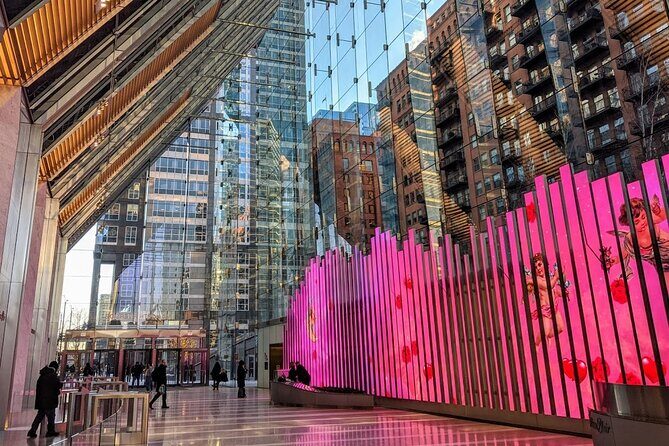
- Interior access in the Loop: you’ll step inside a couple buildings so you can understand how design shows up in real space.
- A route built around the Chicago River: you get both classic downtown architecture and riverfront context.
- A “haunted” story explained scientifically: weird reputations can come from uneven settling on a foundation that’s described as floating.
- Small group feel: up to 20 people keeps questions possible and the pacing more human.
- It’s weather-ready: the tour operates in all weather conditions, so you dress for Chicago, not for wishful forecasts.
Why Chicago’s architecture feels different with an engineer in charge
Chicago architecture is often described with big, dramatic words. This tour swaps the drama for cause and effect, and that’s why it works. You start learning how engineers think: load, stability, materials, and how to manage forces you can’t see.
What you’ll like right away is the way the tour connects concepts to what you’re standing in front of. You’re not just hearing that a building is tall or old. You’re learning why it behaves the way it does—how it deals with gravity pushing down and wind nudging sideways. That shift makes the street feel like a classroom where answers actually match the buildings.
And because it’s presented as an engineering-themed walking tour, it’s also built for people who don’t have a technical background. The goal is to make the ideas accessible. You’ll get the sense that the guide is keeping things graspable, even when the subject matter gets nerdy.
You can also read our reviews of more tours and experiences in Chicago.



Price and time fit: a $35 architecture tour that stays focused
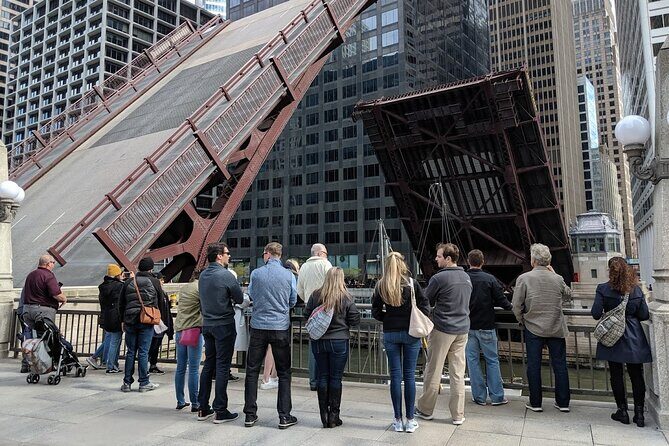
At $35 per person for about 2 hours, this lands in the mid-range for Chicago walking tours that include interior access. The value isn’t just the sights. The value is that the route is designed to teach engineering evolution and then reinforce it with physical context on the street and inside a few buildings.
The timing matters too. With 1 hour 15 minutes in The Loop and 45 minutes along the Chicago Riverwalk, you get two different kinds of payoff: downtown structure first, then river-level perspective. If you’ve got limited time and still want more than photos, this format is efficient.
A practical bonus: it uses a mobile ticket, so you’re not stuck hunting for paper confirmations. Also, the tour tends to be booked ahead (on average, about 45 days in advance), which is a sign the concept has found its audience.
Meeting at 430 S Michigan Ave and ending at the Riverpoint Park view

Your tour starts at 2:30 pm at 430 S Michigan Ave. You’ll finish at Riverpoint Park, 150 N Riverside Plaza, with that sweeping Chicago River view as the final reward.
This matters because the walk makes sense as a flow. You begin in the core downtown area and then drift toward the river. It also means you’re not crisscrossing the city all afternoon. You end where lots of people want to be anyway, near the riverfront.
One thing to consider: because the tour ends at a different spot from where it starts, you’ll want to plan your next stop around that Riverpoint Park finish. It’s easy once you do it once, but it’s a detail worth clocking.
The Loop stop: where structure shows up in street-level choices
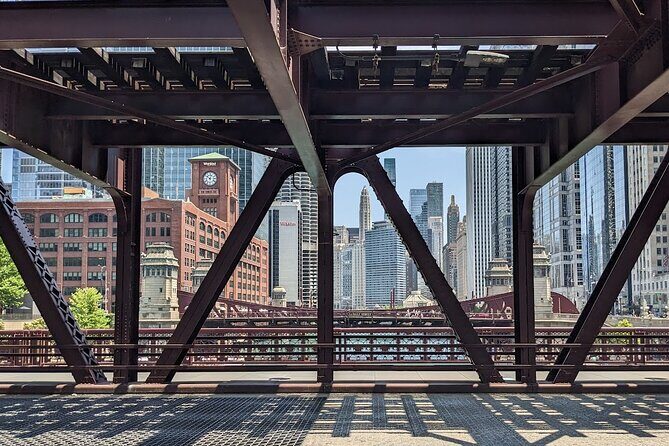
Most of the tour—about 1 hour 15 minutes—happens in The Loop, Chicago’s downtown district. This is a smart choice because the Loop is where the skyline story is most concentrated. You can spot patterns fast, compare designs, and feel how engineering evolved as the city kept building upward.
During this section, the tour includes pop-ins into a couple buildings notable for structural design. Those interior visits are the difference between a typical architecture stroll and something more useful. Exterior-only tours are great for silhouettes and style. Interior access helps you see how design becomes space—how decisions about stability and structure influence what you experience.
Even if you’re not a building-history person, you’ll probably feel the logic. The Loop is full of references to different engineering eras, so the tour can place lessons on foundations, framing, and load management directly into context. It’s not just a lecture. It’s a walking explanation tied to what’s around you.
One caution: the Loop section is the core “learning time,” so if you tend to get restless during longer explanations, bring patience. The tour is short overall, but that hour-and-change is where the concepts stack.
The father-of-the-skyscraper lesson and how engineering ideas spread
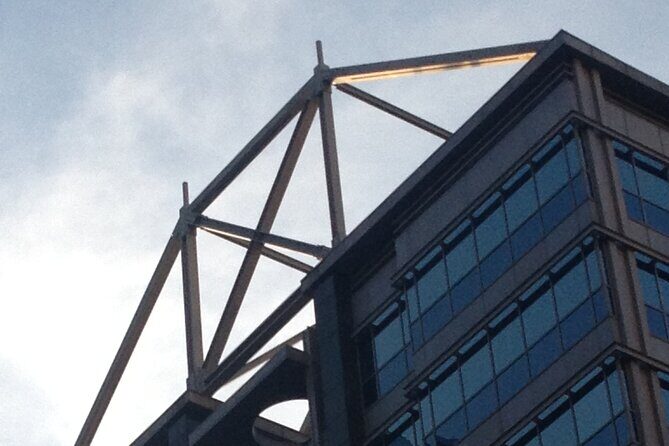
Chicago is often called the birthplace of the skyscraper, and this route leans into that claim by focusing on a key figure tied to early skyscraper engineering. You’ll see a building connected to the engineer often referred to as the father of the skyscraper. The tour also notes something that adds a fun human angle: he was actually an engineer and a classmate of Gustav Eiffel.
That detail does more than decorate the story. It helps you understand that big engineering breakthroughs don’t appear from nowhere. Ideas travel through people, training, and experience. When you hear that kind of connection, it makes the design choices you’re looking at feel less random and more like part of a broader engineering mindset.
You’ll also likely come away thinking in timelines. This tour is built around more than 150 years of engineering evolution, so you can start to notice that later solutions often look like improvements on earlier problems. That’s where the engineering-themed approach pays off: you stop seeing buildings as isolated icons.





A haunted reputation explained by uneven settling on a “floating” foundation
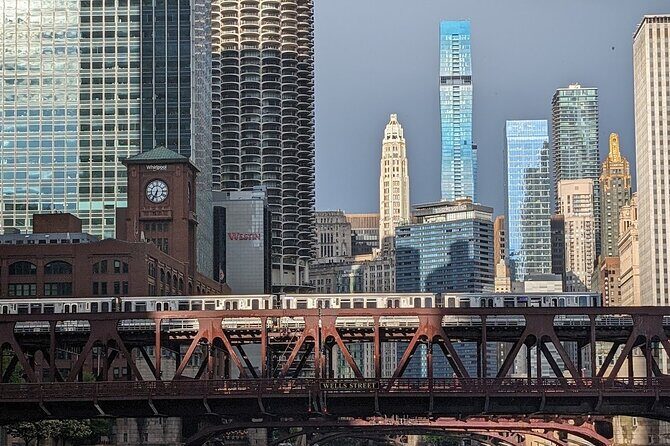
One of the most memorable ideas on this walk is the explanation of a building with a reputation for being haunted. The tour frames it as a misunderstanding of engineering behavior: the “haunted” story is connected to how the building settled unevenly on a foundation described as floating.
This is exactly the kind of lesson that makes an architecture tour more than a checklist. It shows how the built environment can create effects that people interpret through folklore, when the cause is something measurable and structural. Uneven settling can create visual cues, door and window misalignment, or strange-feeling spaces. When you know the engineering reason, the story gets less spooky and more interesting in a grown-up way.
If you like your Chicago with explanations instead of legends, this is a highlight. It turns spooky vibes into a story about forces and movement over time—still cool, just grounded.
How Chicago handles gravity and wind (and why it matters to you)
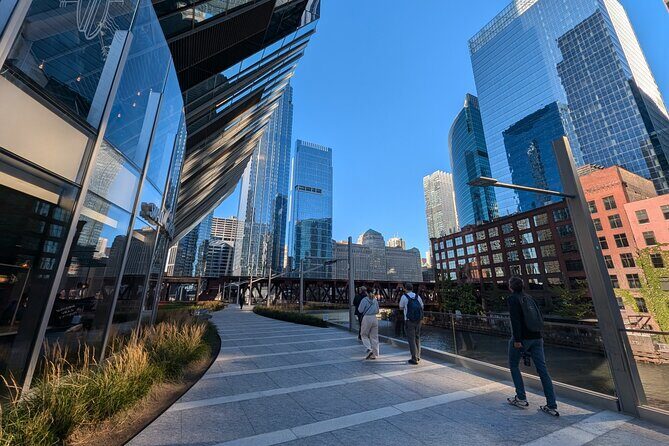
The tour also focuses on how Chicago buildings manage two constant realities: gravity and wind. That’s not abstract. It’s the reason skyscrapers don’t just go higher; they go higher safely, and they stay usable through weather and time.
Gravity is the obvious one: everything has to support the weight above it. Wind is the one people underestimate, because it changes direction, increases with height, and tests the building as a system. When you learn these concepts in the context of actual buildings you’re standing near, you start seeing why certain structural choices exist.
You don’t need to know engineering formulas to get value from this. You just need to grasp the logic: forces must be carried, managed, and transferred to the ground in ways that prevent dangerous shifting or excessive movement. This tour aims to teach that logic in a way that stays understandable.
In practical terms, this makes your next Chicago skyline moment more than a photo opportunity. You’ll look at shapes and think about behavior—what the structure likely does when the wind pushes.
Riverwalk engineering feats: views plus context along the water
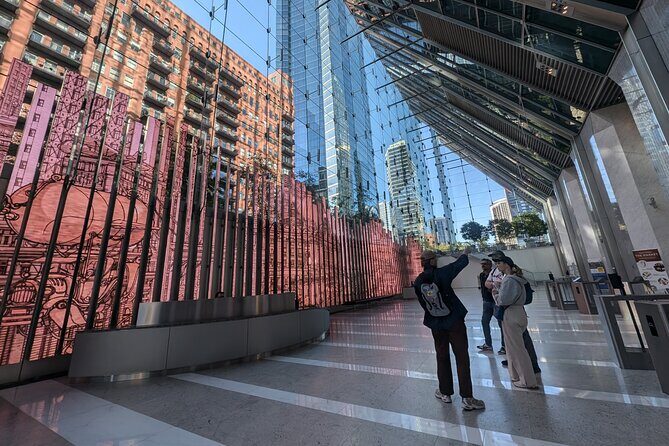
After the Loop, you move to the Chicago Riverwalk for about 45 minutes. This part is lighter in the amount of time, but it’s powerful for perspective. The riverfront puts buildings and their edges into a different visual frame, and it helps you connect the engineering story to how the city lives around the water.
The tour highlights more recent engineering feats here, along with beautiful views. You’ll probably find that this section gives you room to reset. You’re not only listening; you’re watching the skyline change shape across angles. That helps you remember what the guide just explained about load and forces, because you can see how height and structure interact with the surroundings.
The tour also ends with that sweeping River view. It’s a good finish because you’re not rushed out at the last minute—you get a real visual wrap-up.
Inside visits: why stepping in beats just looking up
This tour includes interior visits of a few buildings. The “why” is simple: architecture is not only a silhouette. Inside spaces reveal structure and planning decisions. Even when you’re not seeing beams or frames directly, interior design tends to reflect structural logic—through column placement, ceiling height, and how circulation flows.
For you, that means your understanding deepens fast. If you only look at the outside, it’s easy to admire style. Once you see inside, you start mapping design choices to behavior: where structure supports, where openings are possible, and how the building’s logic shows up in real daily use.
Also, interior access is just good value in a walking tour. It shifts the experience from “pass by and move on” into something closer to a guided encounter with the city.
Who this tour is perfect for (and who might want something else)
This is ideal if you like architecture but want it explained with engineering thinking. If you’re the type who reads building captions and then immediately wonders how something actually works, this walk will feel made for you.
It’s also a strong choice for couples, small groups, or solo travelers who want an active experience that doesn’t drag. With a maximum of 20 travelers, you should feel the group stays manageable, and questions are more realistic than on massive bus tours.
You might want a different kind of tour if you want a purely aesthetic tour with minimal explanation. This route is about how buildings work, not just how they look.
How weather and walking pace affect your comfort
The tour operates in all weather conditions, so plan on dressing for real Chicago. The route includes downtown walking and time along the Riverwalk, so you’ll want to wear shoes that handle sidewalks and frequent stops.
The tour also asks for a moderate physical fitness level. Two hours sounds easy, but it includes enough movement and standing to matter. If you can handle a couple hours of walking at a steady pace, you’ll be fine.
Finally, there’s something reassuring here: the tour doesn’t sound like a long ordeal. It’s short enough to stay energetic, but structured enough to feel like you learned something.
Final call: should you book this engineering tour?
I’d book it if you want Chicago architecture that explains itself. The combination of an engineering theme, interior visits, and a route split between The Loop and the Chicago Riverwalk makes the learning feel tied to place, not abstract.
It’s also a good value at $35 because you’re not just paying for a walk and a few exterior photos. You’re paying for a guided framework that helps you interpret what you’re seeing—especially the standout stories like a haunted reputation tied to uneven settling, and the focus on how buildings handle gravity and wind.
Book it if you’re the kind of traveler who likes the why behind the wow. Skip it if you want mostly style and minimal explanation. Either way, this is one of the smarter ways to spend a couple hours in Chicago when you want your skyline knowledge to make sense.
FAQ
What is the duration of the Chicago architecture engineering tour?
It lasts about 2 hours.
How much does the tour cost?
The price is $35.00 per person.
Where does the tour start and end?
It starts at 430 S Michigan Ave, Chicago, IL 60605 and ends at Riverpoint Park, 150 N Riverside Plaza, Chicago, IL 60606.
What time does the tour run?
The start time is 2:30 pm.
Is it guided, and what is included?
Yes, it includes a local guide. The tour uses a mobile ticket.
Does it run in bad weather, and can I bring a service animal?
It operates in all weather conditions. Service animals are allowed.