REVIEW · EVENING EXPERIENCES
Chicago Crimes Night Tour
Book on GetYourGuide →Operated by Chicago Crime Tours and Experiences LLC · Bookable on GetYourGuide
Chicago crime gets real fast. This 2-hour true crime tour mixes drive-by landmarks with short walks, so you see famous scenes tied to the St. Valentine’s Day Massacre and John Dillinger. You also get a live, interactive guide and on-bus entertainment that keeps the stories moving.
I especially like the way this tour uses both architecture stops and underworld landmarks together. You get to view Chicago’s skyline and major Prohibition-era sites while your guide connects the dots across criminal eras, from the 19th century through later times.
One thing to consider: the bus isn’t wheelchair accessible and some stops involve stairs, plus there’s no translation or headphones. If you need step-free access, plan carefully before booking.
In This Review
- Key reasons this tour is worth your time
- What this Chicago Crimes Night Tour feels like in real life
- Getting oriented at the Chicago Public Library area
- The comfort and transport setup matters more than you think
- The downtown loop: Magnificent Mile to Lincoln Park with big skyline views
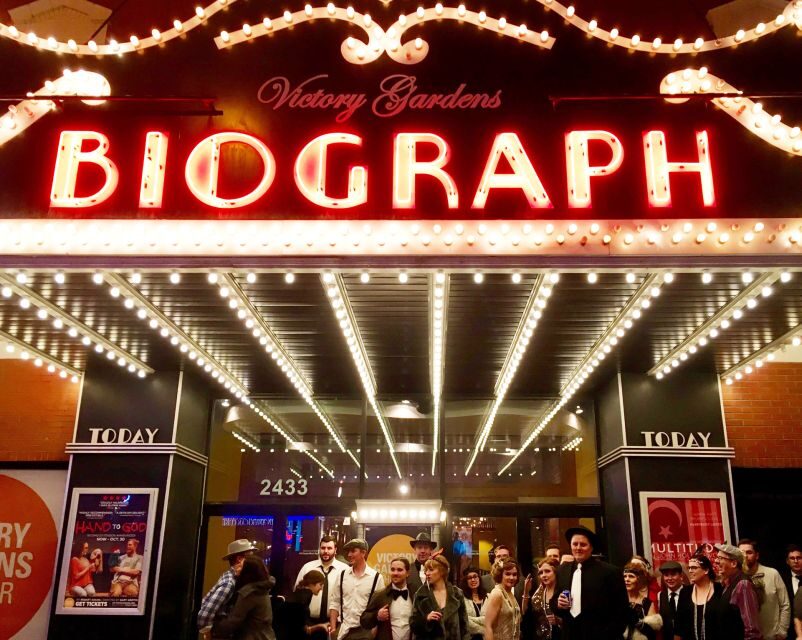
- Biograph Theater and Harry Caray’s: photo stops with story weight
- Biograph Theater photo stop
- Harry Caray’s Italian Steakhouse photo stop
- The Chicago River pass-by: where stories cross the map
- Holy Name Cathedral and the visual contrast of old crime sites
- St. Valentine’s Day Massacre: the stop most people came for
- Walking Dillinger’s final steps near the end of the story
- The historic criminal courthouse drive-by
- Mini mob museum: Frank Nitti’s safe and address book
- Secret Gangster Era tunnels and Prohibition-era storytelling
- Interactive extras: historic video footage and a crime quiz
- Price and value for $55 in 2 hours
- Who this tour is best for (and who should skip it)
- Tips to get the most out of the tour
- Should you book Chicago Crimes Night Tour?
- FAQ
- How long is the Chicago Crimes Night Tour?
- How much does the tour cost?
- Where do I meet the tour?
- Is the tour guided in English?
- Is there audio or headphones included?
- Can I record video during the tour?
- Are food and drinks allowed on the bus?
- What kinds of stops and experiences are included?
- Is the bus wheelchair accessible?
- Is free cancellation available?
Key reasons this tour is worth your time
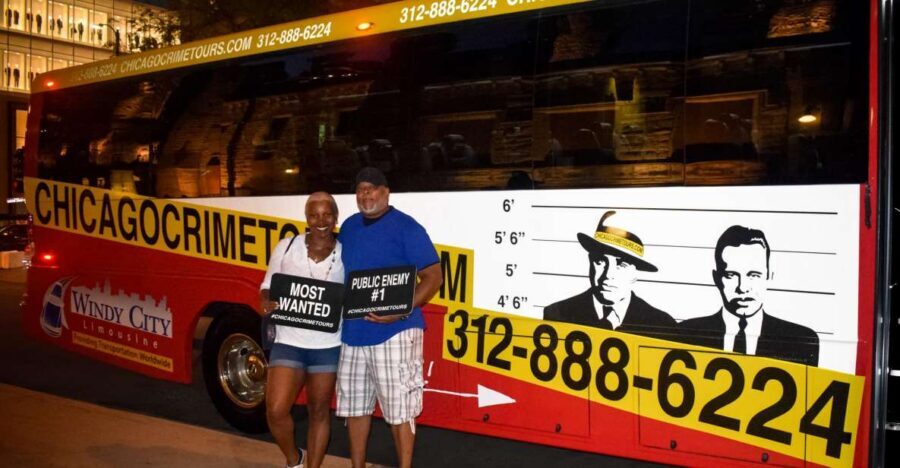
- St. Valentine’s Day Massacre site stop with crime-scene context
- Dillinger’s final footsteps walk (plus Hymie Weiss) for a real sense of place
- Photo stops at Biograph Theater and Harry Caray’s Italian Steakhouse
- Mini mob museum featuring Frank Nitti’s safe and address book
- Interactive extras: historic video footage and an exclusive crime quiz
- Comfort factor: climate-controlled enclosed coach with guided commentary in English
What this Chicago Crimes Night Tour feels like in real life
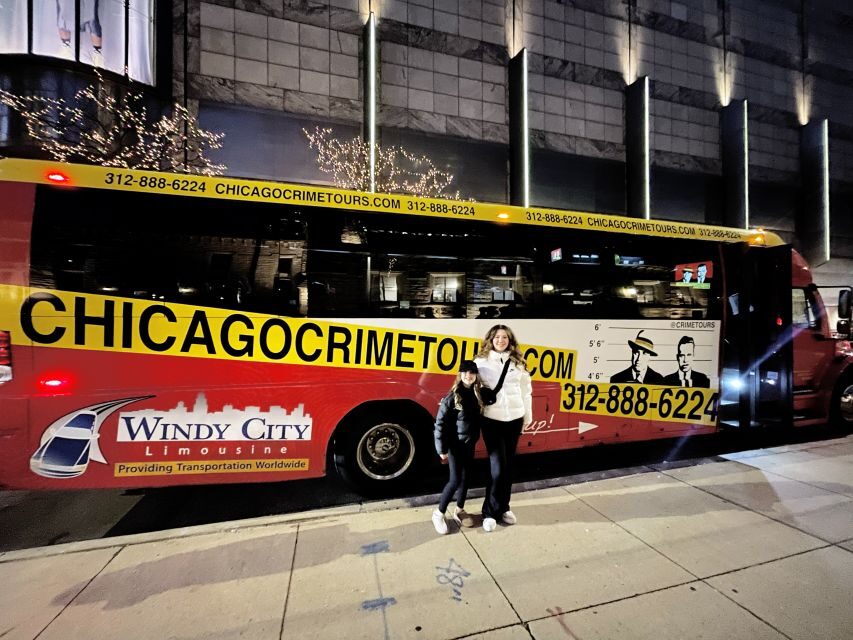
This isn’t the kind of true-crime tour that stays glued to a single story. You ride a luxury, enclosed, temperature-controlled coach while your guide talks in live English about criminals, mobs, and big cases that made Chicago a household name.
The biggest payoff is pacing. You spend time on the bus for big-picture context and city views, then you step off for specific moments—like the walk tied to Dillinger and Hymie Weiss and the big crime-scene locations that people come to see. It’s built to keep you engaged without turning the whole thing into an all-day hike.
You can also read our reviews of more evening experiences in Chicago


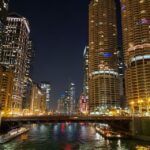
Getting oriented at the Chicago Public Library area
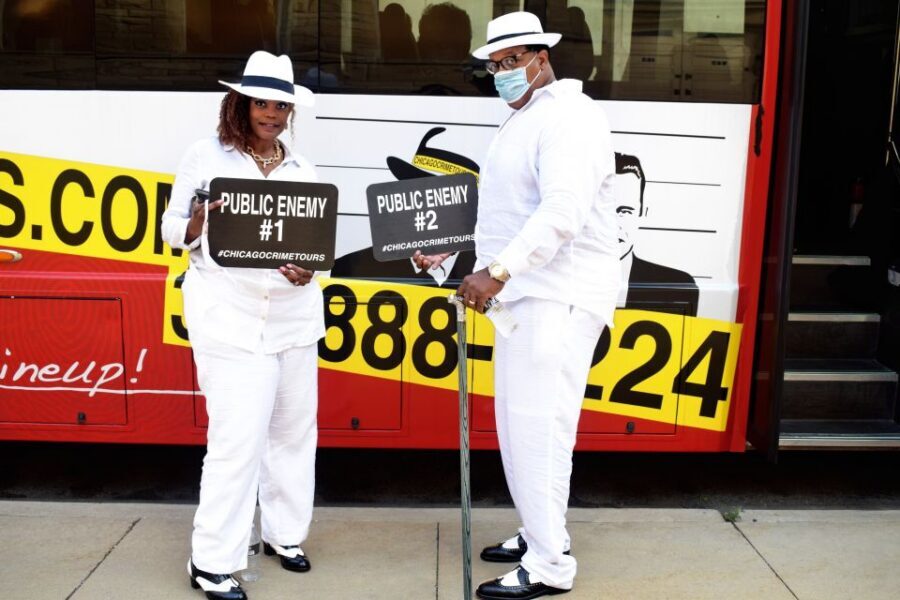
The meeting point is outside 163 E. Pearson Street, at the southeast corner of Pearson and Michigan Ave. It’s a good spot because you’re close to major downtown sights before you even start the route.
The bus departs on time, and seating is first-come, first-served (no guaranteed joint seating). So if you want a better view out the windows during the drive, show up early and be ready to get on quickly.
Also note the rules. Food and drinks aren’t allowed on the vehicle, and video recording isn’t permitted. A camera is fine for photos, but plan for a hands-on approach rather than recording everything on your phone.
The comfort and transport setup matters more than you think
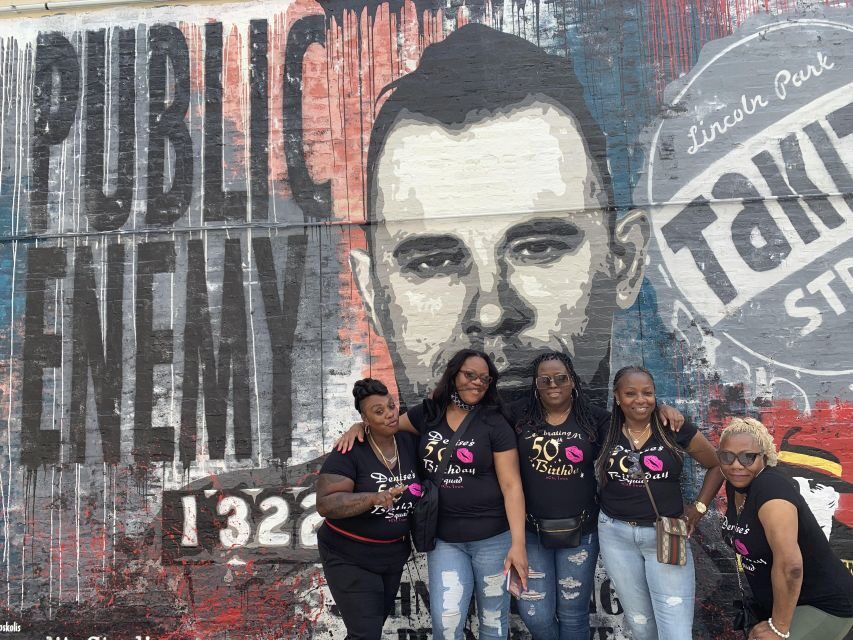
For a 2-hour tour, comfort can make the difference between enjoying the stories and getting cranky at mile 1. Here, you’re in an enclosed coach instead of an open-air ride, so you stay sheltered and you’re not fighting the wind off Lake Michigan.
The tour is built around frequent “look here” moments—photo stops, drive-bys, and short walks—so having a stable vehicle base helps. Plus, the guide’s commentary is live and interactive, not an audio track you tune in and out of.
Just be aware of the physical setup. The bus has five steps, some stops off the bus include stairs, and it’s not wheelchair accessible. There’s limited storage for a folding wheelchair or stroller, so if mobility is a factor, go in with a backup plan.
The downtown loop: Magnificent Mile to Lincoln Park with big skyline views
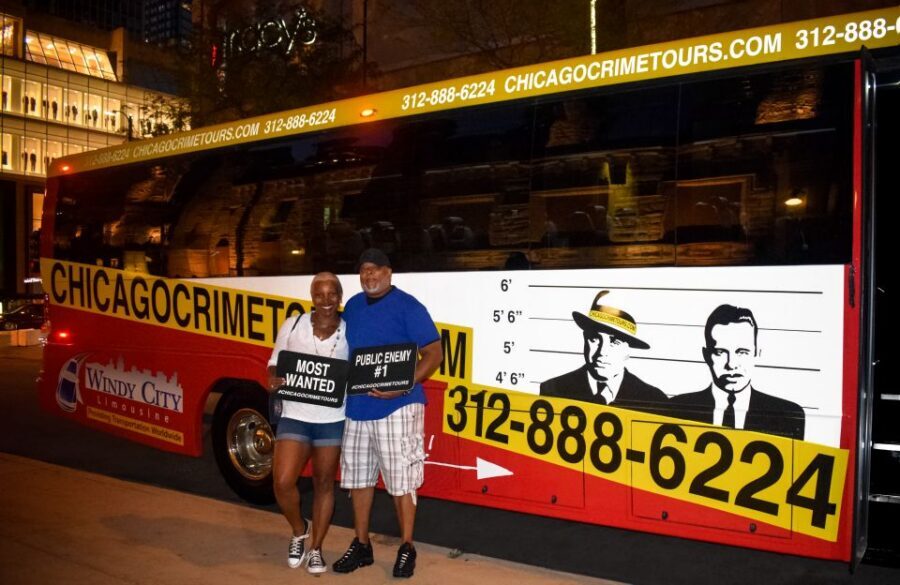
A big part of the appeal is how the route runs through Chicago’s core neighborhoods—River North, Streeterville, Gold Coast, Lincoln Park, Old Town, Loop, and Magnificent Mile. That matters because Chicago crime stories don’t feel like history in a vacuum. They’re tied to real places you can still recognize.
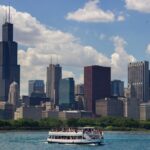
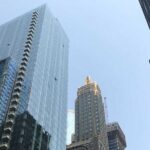
You’ll pass key downtown anchors like the Magnificent Mile and landmarks tied to the skyline, including the John Hancock Center. You also get a Lincoln Park stop area, and the route is designed for photo opportunities tied to both the city’s architecture and its notorious backdrops.
Think of this as the tour’s “set-up.” The guide’s job is to show you where the underworld threads show up on today’s streets—so when you reach the heavier stops later, you already understand the geography.
Biograph Theater and Harry Caray’s: photo stops with story weight
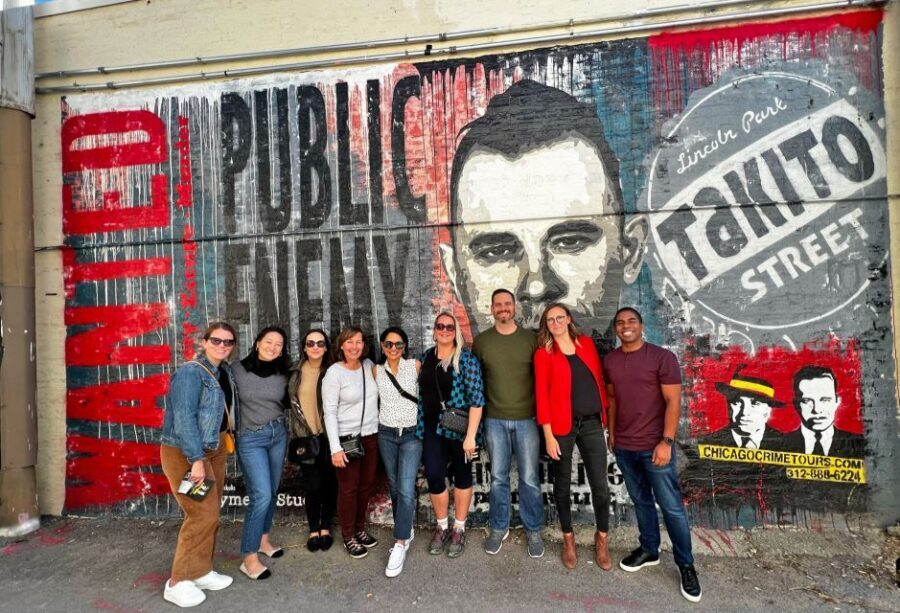
Two stops are built around stopping the bus and taking photos: Biograph Theater and Harry Caray’s Italian Steakhouse.

Biograph Theater photo stop
At Biograph Theater, the tour pauses so you can frame the scene while the guide connects it to well-known crime-era details. Even without a long walk, this kind of photo stop works because it gives you one clear moment to anchor the story in your mind.
If you like true crime but you’re also a “show me the place” person, this is the kind of stop that hits. You don’t just hear names—you get to stand near a recognizable site.
Harry Caray’s Italian Steakhouse photo stop
The vibe shifts slightly at Harry Caray’s area. It’s still part of the crime map, but it’s also a Chicago landmark people know for food and fun. That contrast is useful. It shows how long-ago crimes took place in places that are now part of everyday city life.
If you’re traveling with someone who worries true crime might feel too grim, this stop can be a breathing point—then the guide brings you right back into the story.
The Chicago River pass-by: where stories cross the map
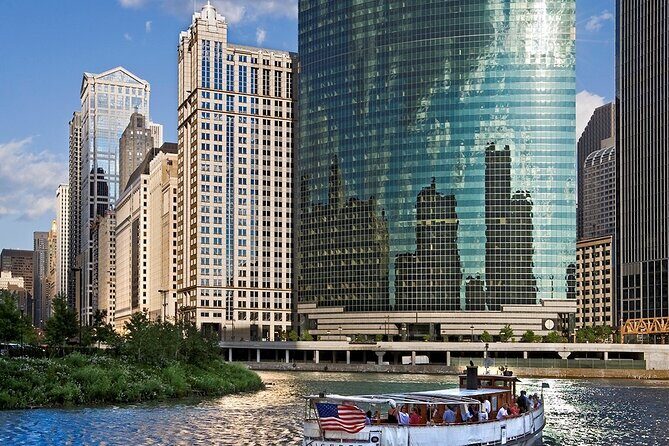
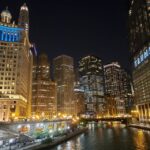
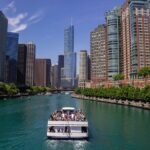
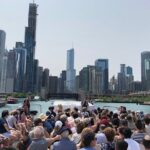
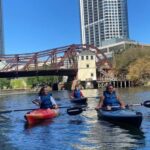
You’ll also pass the Chicago River. You don’t get a long riverwalk moment, but that pass-by is important for orientation. The river shows up as a natural dividing line between neighborhoods, and having the guide point out the “crime scene geography” helps you mentally sort what you’re seeing.
This is one of those parts that feels small during the ride, but it helps later when you’re trying to remember how Dillinger’s route connects to the broader areas you visited.
Holy Name Cathedral and the visual contrast of old crime sites
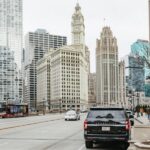
You’ll pass Holy Name Cathedral as part of the route. This kind of stop doesn’t just add a pretty postcard view—it reinforces the tour’s theme that Chicago’s identity was shaped by many different forces at once: serious institutions, architectural landmarks, and places tied to notorious people.
That contrast is one reason I like this format. It keeps you from thinking of the underworld as separate from “real Chicago.”
St. Valentine’s Day Massacre: the stop most people came for
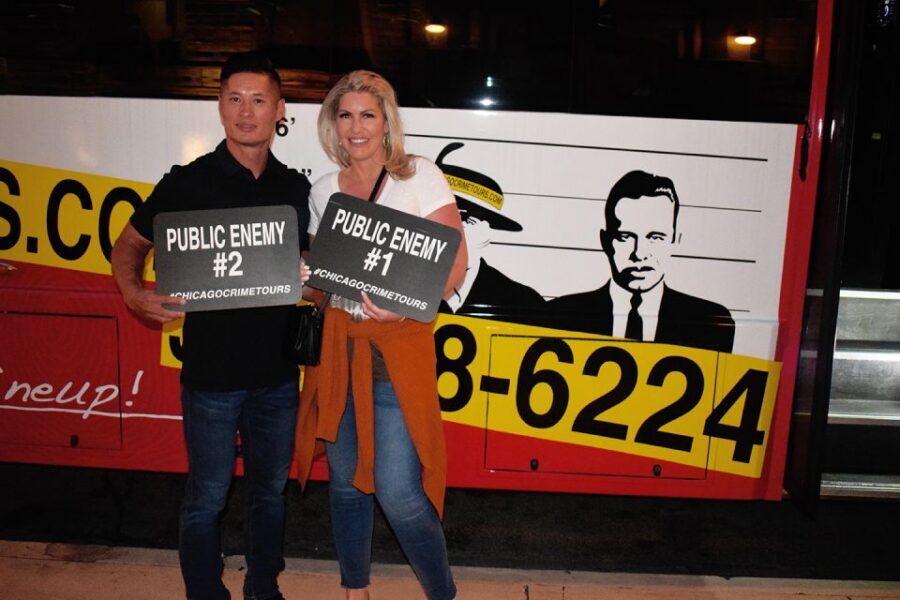
You get a stop at the St. Valentine’s Day Massacre site, one of the most notorious crime scenes tied to Chicago’s criminal past. The guide’s live commentary is the key here, because it turns a location you might only recognize from pop culture into something you understand in terms of place and timing.
This is also where you’re likely to notice the tour’s balance. It’s not just about the shock value. It’s about showing how the city became internationally known for true crime through specific incidents, repeated names, and a chain of events that people still talk about.
If photography matters to you, bring your camera mindset here. This is one of the moments designed to be a clear “I was there” stop.
Walking Dillinger’s final steps near the end of the story
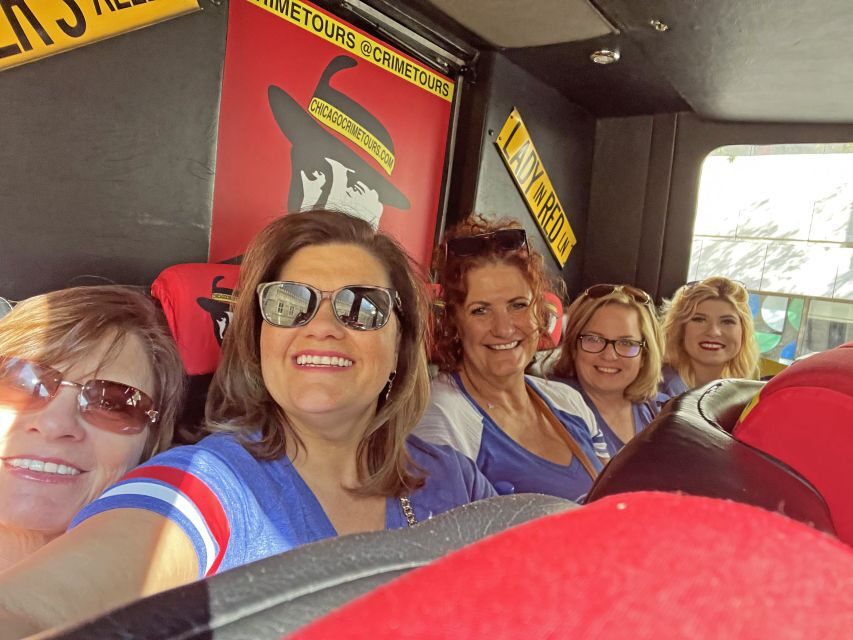
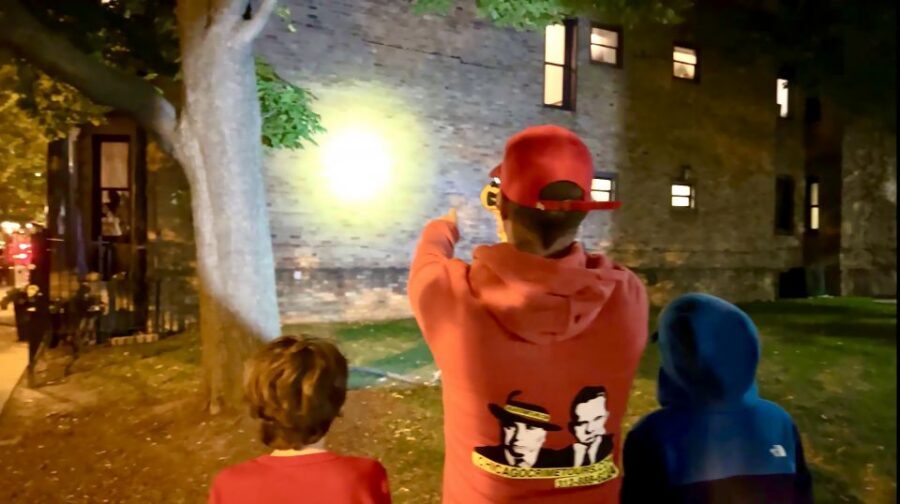
One of the most memorable components is that you get off the bus and walk the path connected to John Dillinger and Hymie Weiss just before their deaths. That move from vehicle to street is where the tour earns its name as more than a drive-by.
A short walk like this works because your brain can’t fully absorb everything at car speed. By stepping out, you get a better sense of distance, corners, and how quickly a story can shift from public street to sudden fate.
If you like true crime but you’re tired of tours that keep everything behind glass, this is the section that makes the biggest difference.
The historic criminal courthouse drive-by
There’s also a drive-by of the historic criminal courthouse, described as a Chicago architectural landmark where some of the city’s notorious cases were tried.
Even without getting out for a long stop, a courthouse drive-by can be powerful. It visually grounds the idea that these were real legal events, not just rumors and legends. It also ties into the tour’s theme across eras, since your guide uses the courthouse moment to connect the criminal stories to official proceedings.
Mini mob museum: Frank Nitti’s safe and address book
The tour includes a mini mob museum, featuring gangster Frank Nitti’s safe and address book. This is one of those stops that changes the tone of the tour from “storytelling” to “stuff you can picture.”
Artifacts like this make names feel less abstract. Even if you only catch part of the story in passing, seeing physical items is an effective way to lock in the characters your guide covers.
The mini museum stop is also a nice break from the bus rhythm. You get a chance to slow down, look closely, and take in the details while your guide keeps the timeline moving.
Secret Gangster Era tunnels and Prohibition-era storytelling
Your tour package includes something tied to Gangster Era tunnels. Even when you’re not touring them like an underground attraction for hours, having a segment in the program that points to tunnels and hidden movement supports a key idea in the tour: these crimes and networks weren’t limited to headlines. There were back routes, cover, and strategies built into the city.
You also get a Prohibition Era personality profile. That’s a good fit for Chicago because Prohibition-era names show up all over the city’s true-crime storytelling. Here, the guide keeps it focused and connected to the characters and incidents you’re already hearing about.
Interactive extras: historic video footage and a crime quiz
This tour isn’t purely lecture style. You get historic video footage, plus a crime quiz that adds a playful edge to all the names and locations.
If you tend to forget details right after a tour ends, this quiz structure can help. It forces you to pay attention during the ride instead of treating it like background entertainment.
It also keeps the group engaged during the 2-hour window, which is exactly what you want from a tour that’s short enough to be wearable even on a packed first visit.
Price and value for $55 in 2 hours
At $55 per person for a 2-hour experience, I think this sits in the “worth it if you like guided story + city sights” category.
Here’s why the value feels real, not just a number on a page:
- You’re getting a live interactive English guide, not an audio-only setup.
- You’re riding in a comfortable enclosed coach and making multiple photo stops.
- The experience includes both walk-off moments and an indoor mini museum with Frank Nitti artifacts.
- You also get historic video footage, a souvenir pamphlet, and an exclusive crime quiz.
If your ideal vacation day is short, structured, and packed with context, this price lines up with what you’re actually buying: guided time in multiple important places rather than a single stop repeated over and over.
Who this tour is best for (and who should skip it)
This works best if you:
- Like true crime but want the stories tied to real Chicago streets
- Enjoy architecture and landmarks alongside darker history themes
- Want an organized 2-hour plan that’s easy to fit into a first-time visit
It might not be your best move if you:
- Need step-free access. The bus has steps and some stops involve stairs.
- Want headsets, translations, or audio support. There’s no translation or headphones.
- Prefer to record video freely. Video recording isn’t permitted.
If you’re a serious history fan who wants long museum time, the format may feel fast. But for most people, the intensity is the point.
Tips to get the most out of the tour
A few practical moves can help you enjoy it more:
- Come with a camera you can pull out quickly. Several moments are designed as photo stops.
- Be ready to listen without headphones. The tour relies on live guide commentary.
- If you’re traveling with kids or teens, this format has a strong track record of being fun and engaging, not just scary names. (Some guides have been described as energetic and humorous, including Leah and John.)
- If your group includes someone who wants a break, keep an eye on the short off-bus moments like the museum and walking stop.
And if you’re the type who likes the ending of a day with a Chicago food moment, some people have noted a pizza slice added near the end. Plan around that possibility, but don’t count on it as your meal plan.
Should you book Chicago Crimes Night Tour?
If you want a short, guided hit of Chicago true crime with real places and a museum artifact moment, I’d book it. The St. Valentine’s Day Massacre stop, the Dillinger/Weiss walk, the Frank Nitti mini museum, and the interactive format (video + crime quiz) are a strong set of reasons to spend 2 hours here.
Skip it if accessibility needs make the steps and stairs tough, or if you need translation/headsets. Also skip if your travel style is “wander on my own” rather than “guided story with stops.”
For the right fit, this is a fun way to see Chicago after dark-themed stories—or at least in the mood they create—without turning the trip into a long ordeal.
FAQ
How long is the Chicago Crimes Night Tour?
The tour lasts 2 hours.
How much does the tour cost?
It costs $55 per person.
Where do I meet the tour?
Meet outside 163 E. Pearson Street at the southeast corner of Pearson and Michigan Ave.
Is the tour guided in English?
Yes. The tour uses live interactive commentary in English, with no translations.
Is there audio or headphones included?
No. There are no audio-guides or headphones.
Can I record video during the tour?
No. Video recording is not permitted.
Are food and drinks allowed on the bus?
No. Food and drinks are not allowed in the vehicle.
What kinds of stops and experiences are included?
You ride a luxury coach, take photo stops at locations like Biograph Theater and Harry Caray’s, view crime-related landmarks, walk a path tied to John Dillinger and Hymie Weiss, and visit a mini mob museum with Frank Nitti’s safe and address book.
Is the bus wheelchair accessible?
No. The bus has five steps, some stops include stairs, and it is not wheelchair accessible. There is limited storage for a folding wheelchair or stroller.
Is free cancellation available?
Yes. You can cancel up to 24 hours in advance for a full refund.