REVIEW · ESCAPE GAME
Chinatown Chicago: Dragon Kings Quest Outdoor Escape Game
Book on Viator →Operated by Questo · Bookable on Viator
A clue trail through Chinatown can be surprisingly fun. This outdoor escape game turns 12 well-known spots into puzzle stops, with a pace you control and a phone-based guide via the Questo app. What I like most is that it’s self-paced—you can linger at one location, then move on when you’re ready—and it keeps you mostly outdoors, which helps you avoid crowd pressure.
The other big plus is value: at about $7.18 per person for roughly 48 minutes to 1 hour 18 minutes, it’s an easy add-on to a Chinatown day. One possible drawback is navigation: some directions and puzzle steps can feel unclear, and I’d plan for at least one moment of getting turned around (plus a few blocks that may feel less comfortable depending on the time of day).
In This Review
- Key highlights you’ll feel right away
- Dragon Kings Quest in Chinatown: what it is (and what it isn’t)
- The route starting point: Chinatown Square Plaza to your first clue
- The Chinatown puzzle route, stop-by-stop (and how each one feels)
- Stop 1: Chinatown Square Plaza
- Stop 2: 2130 S Archer Ave
- Stop 3: Chinatown Branch, Chicago Public Library
- Stop 4: Chicago’s Chinatown Gateway
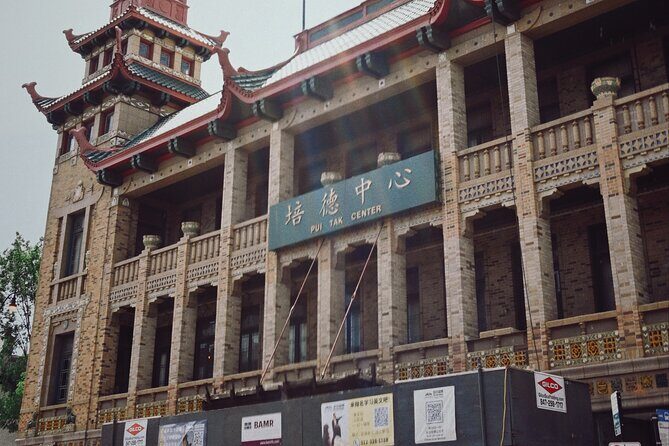
- Stop 5: Pui Tak Center
- Stop 6: Chinese American Veteran’s Memorial
- Stop 7: Chinese American Museum of Chicago
- Stop 8: St. Therese Chinese Catholic School
- Stop 9: Happy Lamb Hot Pot
- Stop 10: Nine Dragon Wall
- Stop 11: Qing Xiang Yuan Dumplings
- Stop 12: Ping Tom Memorial Park (finish)
- What the app does for you (and why that pacing helps)
- Time and value: how $7.18 makes sense here
- Getting oriented: how to avoid the confusion spiral
- Who this Chinatown quest suits best
- Booking basics and pacing reality checks
- Quick FAQ about Chinatown’s Dragon Kings Quest
- FAQ
- How long does Chinatown Dragon Kings Quest take?
- How much does it cost?
- Where does the game start and end?
- Do I need a tour guide with this experience?
- What app do I use to play?
- Is it available year-round and at what times?
- What language is the experience offered in?
- Are there any admission fees at the stops?
- What’s the cancellation policy if I change plans?
- Should you book this Chinatown escape game?
Key highlights you’ll feel right away
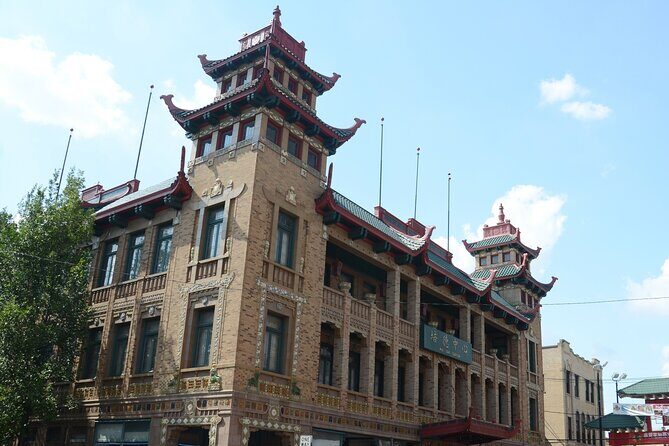
- Phone clue game, no guide: Your “tour leader” is the app, so the experience stays flexible.
- Twelve stops with optional lingering: Each stop is short, but you can spend as long as you want before moving to the next clue.
- Open-air and crowd-avoidant: You’re walking a route outdoors as you solve your way down Chinatown.
- Start at Chinatown Square Plaza, finish at Ping Tom Memorial Park: A route that ends in a big, park finish.
- 24/7 access and support: You can play on your schedule and get help if you get stuck.
Dragon Kings Quest in Chinatown: what it is (and what it isn’t)
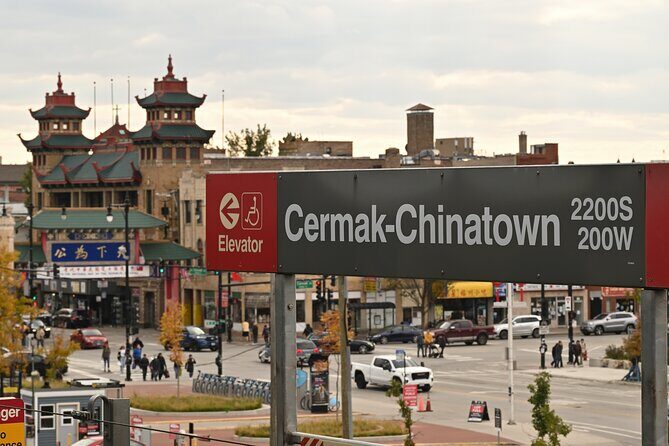
Dragon Kings Quest is basically a scavenger hunt you play on your phone. Instead of following a printed route or meeting a person holding a sign, you follow clues and solve puzzles that point you from one Chinatown landmark to the next. The whole thing is designed to be self-guided, and the route is outdoor, so you’re moving through the neighborhood as you go.
It’s also a “flexibility” style activity. You can pause, take a break, and continue later at your own pace. That matters in Chinatown, because the streets and storefronts can pull you in two directions at once: you might want to keep walking for the next clue, or you might want to slow down for food, photos, or just watching daily life.
What it isn’t: this isn’t a guided cultural tour with a lecturer explaining every object and statue. If you want deep storytelling from a human guide, you’ll want a guided option. This works best when you’re happy to learn by noticing—then using the puzzles to push you to places you might not otherwise visit.
You can also read our reviews of more tours and experiences in Chicago.



The route starting point: Chinatown Square Plaza to your first clue
Your game begins at Chinatown Square Plaza (2133 S China Pl, Chicago, IL 60616). This first stop is where the action kicks off: you get to the location through the game’s clue/puzzle steps, then you can take your time before moving on to the next instruction.
This is a smart place to start because it’s an obvious “anchor” in Chinatown. Even if you’re unfamiliar with the neighborhood, you’re likely to feel less lost once you reach a central plaza point. From there, you’ll keep hopping to a series of specific addresses and landmarks.
Practical tip: before you start, get your phone ready. Turn on location services, bring the battery up, and consider loading your preferred walking map app too. The game is your main guide, but a second map can save time when a street turn is unclear.
The Chinatown puzzle route, stop-by-stop (and how each one feels)
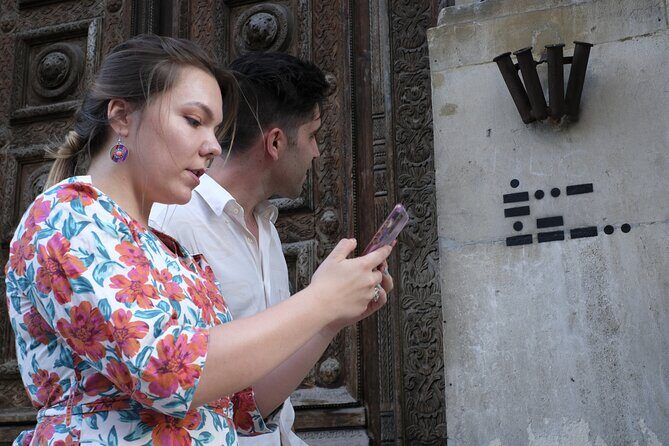
You’re walking a total of 12 stops, and the schedule is designed so you hit each place quickly—then you decide how long to stay. Each stop lists about 5 minutes, but the game lets you spend more time at each location until you’re ready to continue to the next clue. That blend is good: it keeps momentum, yet it doesn’t stop you from taking a longer look.
Stop 1: Chinatown Square Plaza
You start here and figure out how the game wants you to think. It’s often the best time to test your phone setup: can you read the clue prompt? Does your location marker behave? If anything feels off, fix it now before you hit the later puzzle steps.
Stop 2: 2130 S Archer Ave
This stop is more address-specific than plaza-like. In other words: you’re not just sightseeing—you’re solving. If your puzzle tells you you’re close, trust the phone guidance, but also keep an eye out for the exact spot the clue expects.






Stop 3: Chinatown Branch, Chicago Public Library
This is one of the more “stop-and-look” locations on the list. A library stop naturally encourages a calmer moment in the route—good when you need a breather. It also feels like a real, lived-in part of Chinatown rather than purely decorative sightseeing.
Stop 4: Chicago’s Chinatown Gateway
A gateway stop is ideal for puzzle games. It’s recognizable, and it gives your brain a visual checkpoint. If you tend to lose yourself on long walks, these landmarks help you re-orient fast.
Stop 5: Pui Tak Center
Another specific landmark on the route. These kinds of cultural/community hubs often make an outdoor walking game feel more grounded. You’re not only collecting photo angles; you’re being nudged through spaces that matter to local life.
Stop 6: Chinese American Veteran’s Memorial
This is a reflective stop. Even though the game is playful, a memorial location adds a different tone. It’s a good reminder to slow down for a moment and actually look at what’s there before you move on to the next clue.
Stop 7: Chinese American Museum of Chicago
A museum stop is great for puzzle pacing because museums tend to have clear features you can spot and use as reference points. Even if your time inside is limited by your game flow, the exterior and surrounding area can still be enough to complete clue checks.
Stop 8: St. Therese Chinese Catholic School
This is another real neighborhood institution. If you’re playing at a time when the area feels busy, just be mindful of pedestrian flow. Your goal is to stay focused and keep moving when it’s time for the next clue.
Stop 9: Happy Lamb Hot Pot
Now you’re in the “food landmark” portion of the route. Even if you don’t eat during the game, it’s useful to know that you’re passing restaurants people actually go to. If you do plan to snack, treat it as a planned pause: eat, then get back into the clue steps instead of letting your timing drift too far.
Stop 10: Nine Dragon Wall
Dragon-themed visuals are perfect for a puzzle route because they’re memorable. This stop can also be a natural “photo moment,” and since the game lets you linger, you can take a few minutes without worrying you’re failing a strict timer.
Stop 11: Qing Xiang Yuan Dumplings
Another food stop near the end. If you’re hungry, this is one of the best opportunities to grab something before you finish. Just don’t let a longer line derail your puzzle progress—if the game gives you a “go now” prompt, follow it and plan your meal either before or after you complete the quest.
Stop 12: Ping Tom Memorial Park (finish)
The game ends at Ping Tom Memorial Park (1700 S Wentworth Ave, Chicago, IL 60616). Finishing at a park makes the final stretch feel more open and less boxed-in than some urban routes. It’s also a good place to reset: check the final clue, take a breather, and decide whether you want to keep exploring the park area after the game ends.
What the app does for you (and why that pacing helps)

The experience is delivered through the Questo app, and it’s available in English. It’s also accessible 24/7, and you get 24/7 customer support. That’s not just a technical detail—it changes how you plan. You can fit the quest into your day at the time that matches your energy, whether that’s earlier in the afternoon or later when you want a slower walk.
The big pacing advantage is that it’s flexible. Instead of being trapped in a fixed tour window, you can stop for water, step into a shop, or just step aside for a better look at a landmark. In Chinatown, that flexibility can make the route feel more like your own neighborhood wander with puzzle prompts rather than a strict tour script.
Included in the experience is the city exploration game on your phone and a mobile ticket. So you’re not dealing with paper vouchers. You show what you need on your phone and focus on walking.
Time and value: how $7.18 makes sense here
At around $7.18 per person, this is priced like an inexpensive entertainment add-on rather than a full guided tour. For me, the value comes from three things:
First, you get a defined route with 12 locations, which helps you see more than you would if you were simply wandering. Second, the time window—roughly 48 minutes to 1 hour 18 minutes—is short enough to work on a travel day without squeezing the rest of your plans. Third, it’s self-guided, so you don’t lose time waiting for a group.
It also helps that the stop format suggests no extra paid admission at each location. The stops list admission as free, which means you’re not forced into paying multiple small “entry fees” as part of the quest.
Where the value might not be as strong: if you hate puzzle games, or you want a guide who can answer questions in real time, then the “no tour guide” setup is a mismatch. This is best when you enjoy figuring things out.
Getting oriented: how to avoid the confusion spiral
Two things can trip you up in a clue-based city game: unclear directions and the occasional wrong turn. In Chinatown, that happens because streets interlock and landmarks can look similar block-to-block.
Here’s what I’d do to keep frustration low:
- Use a real map alongside the app, at least until you’ve completed the first few stops.
- If the clue seems vague, don’t rush. Pause, confirm you’re at the right street, then proceed.
- Play at a time when visibility is good. The experience is outdoor and self-guided, so lighting and foot traffic matter.
One review-style lesson I take from this type of game is that an overview view helps when you’re in motion. Even if the app gives you the next clue, having a map “in the background” gives you reassurance when you’re momentarily uncertain.
Who this Chinatown quest suits best
You’ll likely enjoy Dragon Kings Quest if you:
- Want something active but not exhausting—walking is involved, but the time stays reasonable.
- Like puzzles and problem-solving more than listening to lectures.
- Prefer self-guided travel that lets you take breaks on your own schedule.
- Are going with a small group and want everyone to participate together on their own phones.
It may be less ideal if you:
- Want a guide to explain history and context as you go.
- Get easily annoyed by phone instructions and clue navigation.
- Need a very detailed, human-made plan for safety and reassurance at every step.
Booking basics and pacing reality checks
It’s private in the sense that only your group plays, not mixed with strangers. That’s good for comfort and control, especially if your group includes kids or you just prefer not to share space.
Also note the typical planning window: it’s commonly booked about 13 days in advance on average. If your dates are tight, book earlier rather than later, especially if you’re traveling during weekends or special events.
Quick FAQ about Chinatown’s Dragon Kings Quest
FAQ
How long does Chinatown Dragon Kings Quest take?
The duration is listed as approximately 48 minutes to 1 hour 18 minutes.
How much does it cost?
It’s priced at $7.18 per person.
Where does the game start and end?
It starts at Chinatown Square Plaza (2133 S China Pl, Chicago, IL 60616) and ends at Ping Tom Memorial Park (1700 S Wentworth Ave, Chicago, IL 60616).
Do I need a tour guide with this experience?
No. This is self-guided, and there is no tour guide included.
What app do I use to play?
You use the Questo app on your phone.
Is it available year-round and at what times?
It’s listed as available 24/7, every day of the year. The opening hours are shown as Monday–Sunday from 12:00 AM to 11:30 PM.
What language is the experience offered in?
It’s offered in English.
Are there any admission fees at the stops?
The listed stops show admission ticket as free at each location.
What’s the cancellation policy if I change plans?
Free cancellation is available up to 24 hours in advance for a full refund.
Should you book this Chinatown escape game?
Yes, if you want an affordable, outdoor activity in Chinatown that feels like exploration with guardrails. The route is thoughtfully built from recognizable landmarks and community institutions, and the app-based, self-paced format makes it easy to fit into your day.
I’d especially recommend it when you like walking with a mission—because the puzzles give you a reason to move from place to place instead of drifting. If you dislike phone navigation or you want a guide’s commentary, skip it and choose a guided tour instead. If you’re on the fence, you can also treat it as a light, flexible afternoon: start early enough to feel comfortable, keep a map handy, and enjoy the hunt down to Ping Tom Memorial Park.