REVIEW · CHICAGO
Inside Tour of Chicago’s Fine Arts Building
Book on Viator →Operated by Tours by Doorways Of Chicago · Bookable on Viator
A 125-year-old Chicago building still feels alive.
The Fine Arts Building is a time-travel walk through a working artist complex designed by Solon Spencer Beman, with stories tied to Pullman and the Pullman Palace Car Company. I like that the tour focuses on the building itself and the people who made it a creative address, not just on architecture trivia.
What I really appreciate is the way the experience is guided—Ronnie Frey’s storytelling makes the details stick. You get practical context for what you’re seeing, from studio spaces to notable connections like the Board of Trade and Willis Tower views from inside, plus extra photo support on your phone.
One consideration: you should expect stairs and a moderate walking pace to keep up with the group.
In This Review
- Key points before you go
- A 125-year-old Chicago studio building on Michigan Ave
- Why this $45 ticket feels fair for what you get
- Meeting time, location, and how the pace really works
- Solon Spencer Beman: the architect behind the story
- The 10 floors and the hallway maze dating back to 1898
- Artists, studios, and the people who made it a creative workplace
- The Studebaker Theatre and the instrument-making stop
- Views from inside: Board of Trade and Willis Tower sightlines
- The manual operated elevator and small details worth noticing
- Photos on your phone: a simple help that makes the stories stick
- Who should book this and who might prefer a different option
- Should you book the Chicago Fine Arts Building tour?
- FAQ
- How much does the Fine Arts Building inside tour cost?
- How long is the tour?
- Where do I meet the guide?
- Is a mobile ticket used?
- What’s the maximum group size?
- Is there a fitness requirement?
- What’s included in the price?
- Is tipping included?
- What if the weather is bad?
Key points before you go
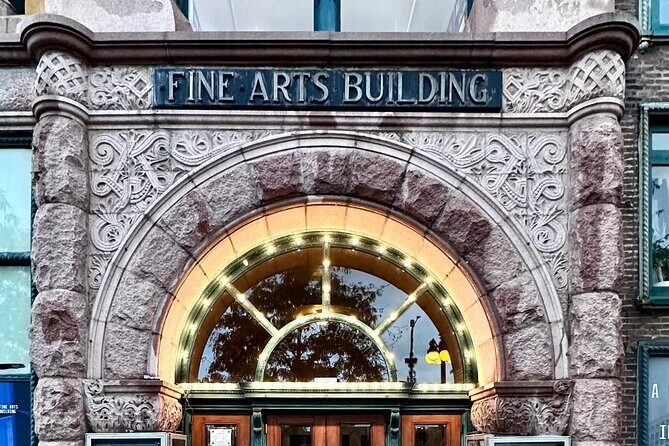
- 10 floors of studios and workshops packed into one historic interior
- Hallways unchanged since 1898, with a straight line back to the building’s earliest layout
- Solon Spencer Beman’s vision explained in a way that helps you read the space
- Small group (max 10), which means more attention from the guide
- Stops highlighted through the experience include the Studebaker Theatre and a stringed instrument workshop
- You can ride a manual operated elevator during the tour
A 125-year-old Chicago studio building on Michigan Ave
The Fine Arts Building sits at 410 Michigan Ave, and it’s the kind of place you pass without realizing what’s inside. This tour treats it like a living time capsule: you’re stepping into a structure that’s about 125 years old, tied to Solon Spencer Beman’s architectural legacy.
Beman is the thread that helps the building make sense. He’s known for designing the town of Pullman and the Pullman Palace Car Company, so the stories don’t stay trapped in one building—they connect Chicago’s big industrial-era ambitions to the way spaces were planned for real life.
You can also read our reviews of more tours and experiences in Chicago.



Why this $45 ticket feels fair for what you get
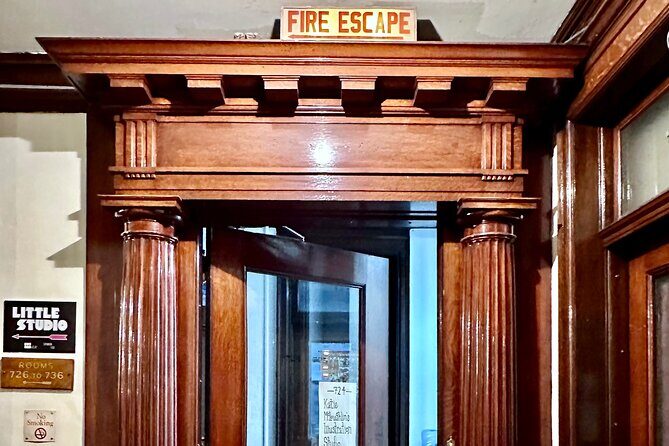
At $45 per person, this isn’t the cheapest thing on Michigan Ave. But the value comes from access: you’re getting inside a historic building with a guide who can point out what most people would never notice on a casual walk-by.
The tour runs about 1 hour to 1 hour 30 minutes, which is a good length for people who want detail without committing to a whole half-day. And since the group is kept small—10 travelers max—you’re more likely to get your questions answered and to keep your bearings as you move through the interior.
Also, the ticket is mobile, which makes it easy to manage on the day. You’ll still want to plan ahead: booking is often around a few days in advance on average, so don’t wait until the last minute.
Meeting time, location, and how the pace really works
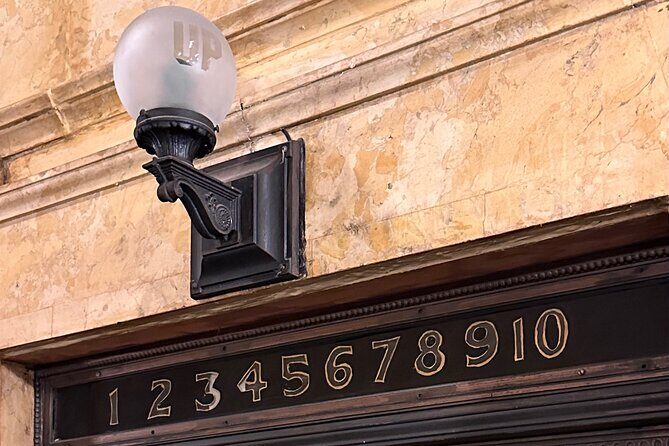
This starts at 10:00 am and ends back where you begin, at 410 Michigan Ave. The meeting point is right in a high-traffic part of the city, and it’s near public transportation, which helps a lot if you’re doing multiple stops in a single day.
Expect the tour pace to feel like a group walk-through rather than a slow museum drift. The building’s layout includes stairs, and the tour guidance expects you to have moderate physical fitness to keep moving. If stairs make you nervous, wear supportive shoes and plan to take your time without falling behind.
One more practical note: keeping the group together matters. The experience is small, but if people arrive late, it can still affect the flow—so it’s worth aiming to be there early and ready to start.
Solon Spencer Beman: the architect behind the story
The most important background isn’t a long biography—it’s what his design thinking does to the experience. The tour frames the Fine Arts Building as the work of a major architect, Solon Spencer Beman, and then points you toward the building’s design logic as you go.
Beman’s connection to Pullman matters because it puts Chicago’s architecture in context. Pullman wasn’t just another industrial suburb; it was a planned world shaped by big ideas about work, housing, and structure. When you connect that history to what you see in the Fine Arts Building, the building stops being just old brick and becomes a planned environment for creative labor.
You’ll come away with a clearer sense of why this space was built the way it was—especially as the guide ties the physical details to the people who used the studios over time.
The 10 floors and the hallway maze dating back to 1898
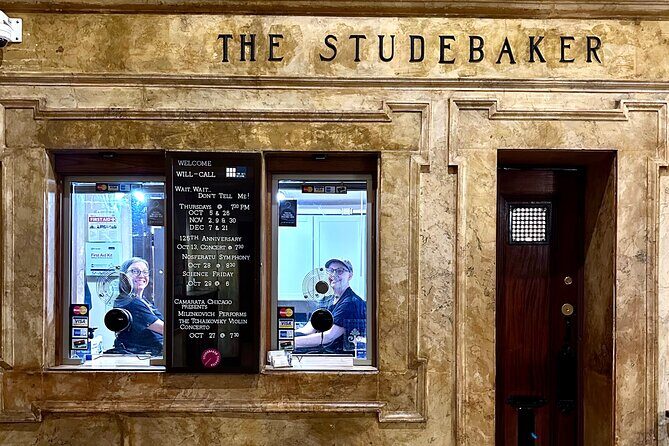
Most of your time is spent inside the Fine Arts Building itself. The core experience is the sense that you’re moving through a 10-floor interior that feels remarkably stable compared to how fast neighborhoods change.
A standout detail is the idea that you’ll wander through hallways that have been remarkably unchanged since 1898. That’s not just a trivia line—it’s what makes the building feel like a time capsule. When you’re looking at the same corridors and structural rhythm, the past stops being abstract.
You also get the backstory of how the building came to be. The tour explains that it’s connected to the former Studebaker Brothers Carriage Company Showroom, which relocated in 1896. That link helps you understand why the building’s “creative” identity wasn’t instant—it grew from earlier commercial use and then became a home for artists and makers.






Artists, studios, and the people who made it a creative workplace
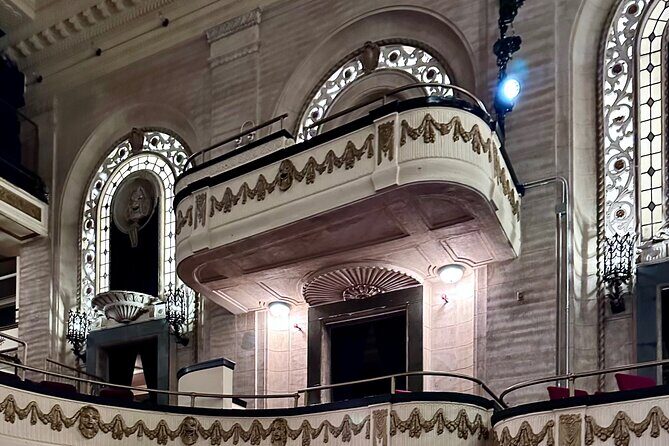
The Fine Arts Building isn’t presented as a monument. It’s presented as a workplace for different kinds of creators—painters, photographers, music instructors, architects, lawyers, stringed instrument makers, and booksellers. That mix is part of why the tour feels human.
You’ll notice the way different studio types shape how you move and what catches your eye. The tour emphasizes the artists behind the doors, and you end up seeing the building as a set of small ecosystems: places where craft, planning, and daily routine all mattered.
A lot of the praise centers on how the guide makes those stories feel concrete. Ronnie Frey, in particular, is highlighted for turning building details into character-driven history—exactly the kind of explanation that helps you picture who worked where and why.
The Studebaker Theatre and the instrument-making stop
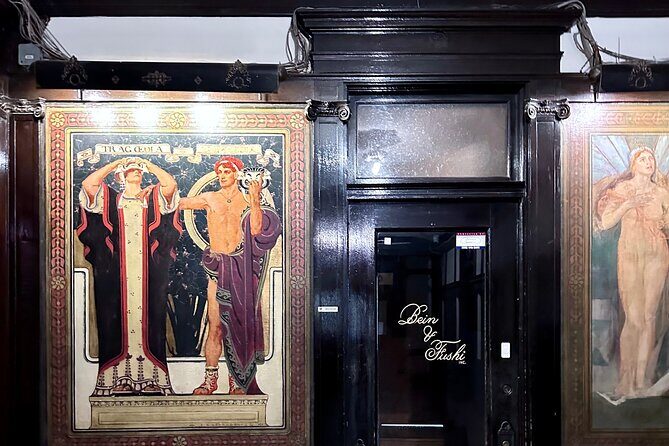
Even though there’s one main location, the tour spotlights specific interior highlights. Two of the most mentioned are the Studebaker Theatre and a stringed instrument workshop.
The Studebaker Theatre functions like a story anchor. It breaks up the studio-hallway flow and gives you a sense of how performance and public-facing spaces fit into an environment known for making things.
The stringed instrument stop adds a different kind of energy: you’re not just hearing about history; you’re seeing the practical craft angle. Several visitors call this an unexpected bonus, which tells you the tour has more than one kind of appeal—architecture fans get the building, and craft lovers get real detail too.
Views from inside: Board of Trade and Willis Tower sightlines
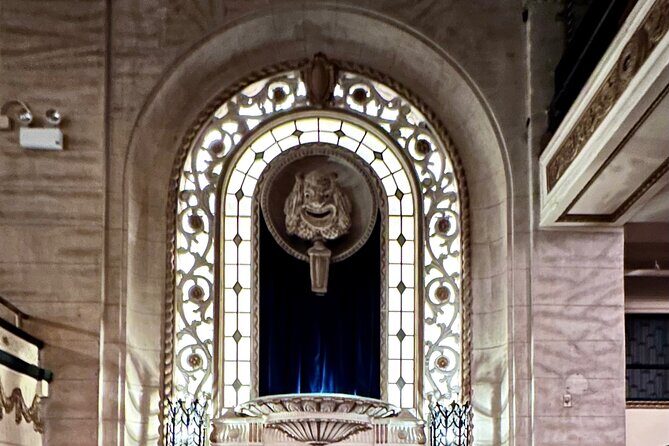
One thing I like about this tour is that it doesn’t trap you entirely indoors. It includes moments where you see the wider city from inside the building.
From the experience, you can get views that include the Board of Trade and Willis Tower. That contrast matters. You’re learning about a historic interior, but you’re also reminded that this building sits inside a still-evolving Chicago skyline.
When you connect the skyline views to what you learn about the building’s past uses, it gives you perspective: Chicago doesn’t pause for history, but history still shapes what’s standing around you.
The manual operated elevator and small details worth noticing
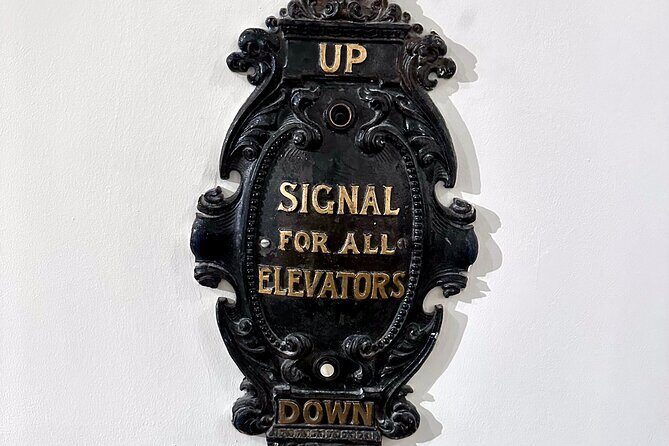
A big “wait, really?” moment comes with the manual operated elevator. Even if you’ve taken plenty of historic elevators in other cities, a manual one changes the feeling—slow and mechanical in a way that makes the moment more physical.
And it’s not just about the ride. It’s what the elevator represents in the tour: how the building’s design supported daily life for working people back when the city ran on different rhythms.
You’ll also pick up details through the guide’s pointing and explanations. Visitors specifically mention attention to hands-on work and the way materials and surfaces were crafted, including the kind of tilework and interior finish that rewards close looking. If you tend to notice trim, floor details, and the “how was this made?” aspect, you’ll get more out of the tour.
Photos on your phone: a simple help that makes the stories stick
One of the clever tools mentioned is that your guide provides a link on your phone. That lets you see supporting photos like the old exterior and other historical images tied to what you’re walking past.
This matters more than it sounds. A building can be hard to visualize when you’re looking at it only in its current state. The photo link helps you build a mental overlay of then vs. now, so the history doesn’t stay stuck in the guide’s voice—it stays in your head while you’re standing in the space.
Who should book this and who might prefer a different option
This works best for you if you like architecture that comes with character. If you enjoy studio spaces, handmade craft details, and stories about specific past tenants and industries, you’ll likely feel “I get it” pretty quickly.
It’s also a good fit for people who want an indoor activity that still feels like Chicago. It’s calm compared to outdoor architecture marathons, and the small group size makes it feel personal.
Consider skipping (or at least planning carefully) if you have trouble with stairs or longer indoor walks. The tour calls for moderate physical fitness, and the building’s layout means you’re going to move and pause at the pace the group sets.
Should you book the Chicago Fine Arts Building tour?
I’d book it if you want a high-signal, short-and-satisfying inside look at Chicago’s architectural story—especially if you’re curious about Solon Spencer Beman and the Pullman connection. At $45 for about 1 to 1.5 hours with max 10 people, it’s strong value for the access and storytelling focus.
I’d think twice only if stairs are a hard no for you, or if you want a more relaxed sit-down museum style. This is an active walk-through where the details are the point.
If you’re doing a day in Chicago that includes other major landmarks, this tour adds a very different flavor: you’ll leave with a better understanding of how creativity and craft were built into the city’s physical structure.
FAQ
How much does the Fine Arts Building inside tour cost?
It costs $45.00 per person.
How long is the tour?
The tour lasts about 1 hour to 1 hour 30 minutes.
Where do I meet the guide?
You meet at 410 Michigan Ave, Chicago, IL 60611, USA.
Is a mobile ticket used?
Yes. This activity uses a mobile ticket.
What’s the maximum group size?
The tour has a maximum of 10 travelers.
Is there a fitness requirement?
You should have a moderate physical fitness level. The tour includes stairs.
What’s included in the price?
The price includes history and knowledge of the Fine Arts Building and Solon Spencer Beman.
Is tipping included?
No. Tipping and gratuities are not included.
What if the weather is bad?
This experience requires good weather. If it’s canceled due to poor weather, you’ll be offered a different date or a full refund.