REVIEW · HOP-ON HOP-OFF BUS
Chicago: Hop-on Hop-off Sightseeing Tour by Open-top Bus
Book on GetYourGuide →Operated by Big Bus - Chicago · Bookable on GetYourGuide
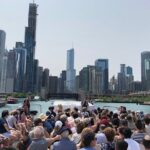
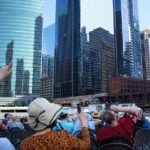
Chicago’s skyline looks better from the top deck. This hop-on hop-off ride strings together the city’s must-sees like Willis Tower and Millennium Park, plus the Chicago Riverwalk with digital stories in English and Spanish. I like the freedom to hop off, do your thing, and come back when you’re ready. I also like the practical touches: real-time bus tracking in the app and earbuds included so you can follow the narration without fumbling. One drawback to plan for: the recorded audio can occasionally feel a bit out of sync, and some earbud volume or speaker issues can pop up depending on the bus you get.
You can use it as a quick orientation day, or stretch it into a 2- or 3-day loop if you want time for shopping and viewpoints. I especially like that the route is built for “grab a landmark, then move on” days, not a single long show. If you’re sensitive to wind (Chicago has opinions) or you expect live, perfectly timed commentary every moment, build in a little cushion.
In This Review
- Key things to know before you board
- How the hop-on hop-off loop helps you see Chicago your way
- Starting point at the Chicago Riverwalk: where your day actually begins
- Riverwalk and Willis Tower: the downtown power-shot
- Small drawback to watch
- Millennium Park and the Art Institute area: art meets skyline
- Why this stop zone matters
- The Magnificent Mile and the State Street theater belt: shopping time without stress
- 360 CHICAGO, River North, and the bridge-and-tower views
- Watch the audio earbuds
- Navy Pier and Lake Michigan: the payoff for the ride
- Museum Campus and Adler Planetarium: where time turns into learning
- The self-guided walking tours: good add-on, not a must
- The River Architecture Boat Cruise add-on: how to make Chicago feel 3D
- Using the Big Bus app and real-time tracking
- Price and value: is around $45 a good deal?
- Comfort, weather, and sound: what can make or break the experience
- Driver energy matters more than you’d expect
- Who this tour suits best
- Should you book the Chicago Big Bus hop-on hop-off?
- FAQ
- How long is the hop-on hop-off ticket valid?
- What sights can I reach with the bus route?
- Are attraction tickets included?
- Is the audio commentary in multiple languages?
- What is the best way to activate my ticket?
- Are there rules for children?
Key things to know before you board
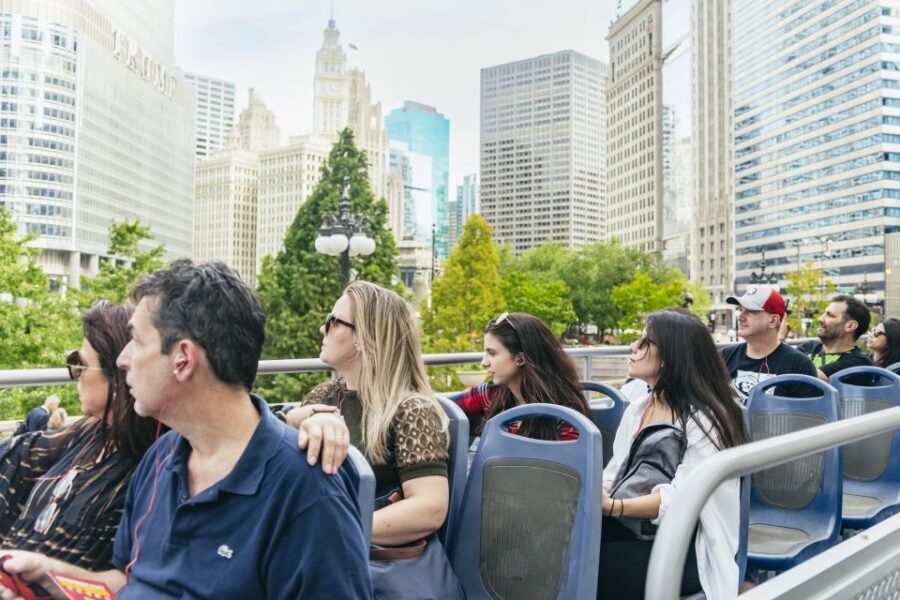
- Open-top double-decker views: great for skyline photos, even if the weather isn’t perfect
- Real-time app tracking: you can time your hop-on instead of wandering in circles
- Digital commentary in English and Spanish: stories plus practical hints as you pass landmarks
- Hop off where the action is: Millennium Park, Willis/360 CHICAGO area, Riverwalk, Magnificent Mile, Navy Pier
- Optional add-ons: self-guided walking tours and a Chicago River Architecture Boat Cruise, if you choose them
- Drivers can make the day: names like Candace and Anton show up in the best experiences
How the hop-on hop-off loop helps you see Chicago your way
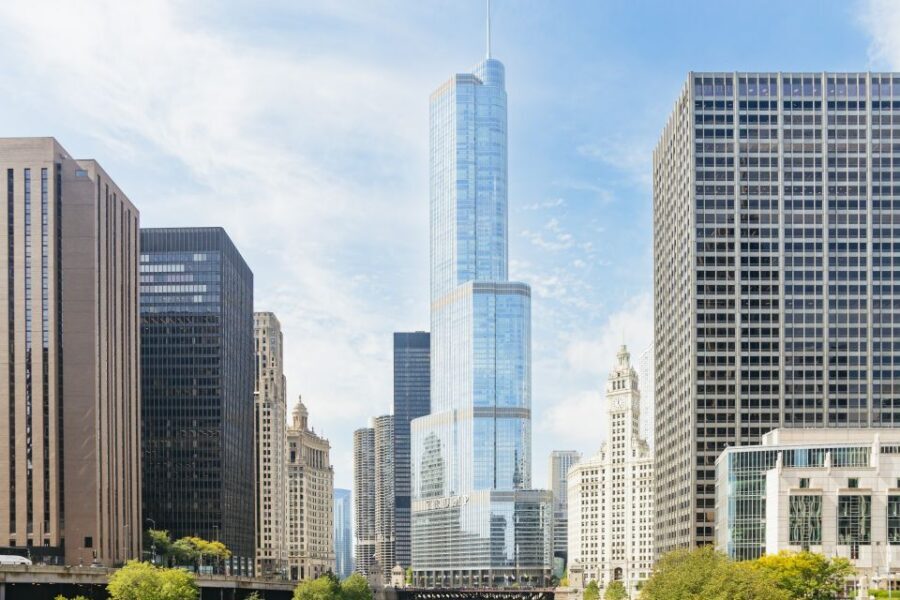
The simplest way to think about this tour is as a moving sightseeing basecamp. You don’t have to “finish the whole thing” in one go. You can ride, hop off for food or photos, and hop back on later using the same ticket window.
For a first trip, that’s huge. Chicago is spread out, and downtown landmarks are close enough to hit in a day but far enough that walking-only plans can get tiring fast. From the top deck, the big buildings and lakefront look more dramatic. From the lower deck, you get shade and a calmer ride when the wind is strong or it’s raining.
The route also supports different travel styles:
- If you’re a planner, hop off, do a big-ticket stop, then come back to catch the next segment.
- If you’re a wanderer, hop off at River North or the Magnificent Mile and just roam, then rejoin the loop when you’re ready.
You can also read our reviews of more tours and experiences in Chicago.
Starting point at the Chicago Riverwalk: where your day actually begins
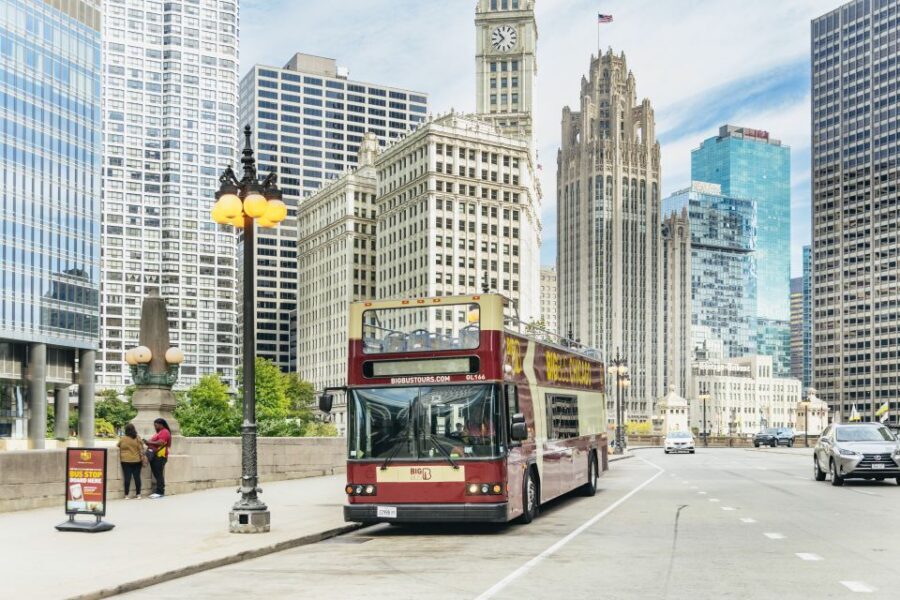
Your starting area is set up around the Chicago Riverwalk at 98 E Wacker Dr, near the Michigan and Wacker corner. That’s a smart launch point. You’re already in a scenic zone where boats, bridges, and riverside views anchor the city’s story.
One practical note: the meeting point can vary by option booked, so I’d treat it like a navigation check-in, not a casual “I’ll find it.” The good news is that the Riverwalk area is easy to orient from once you’re there, and it’s also a natural place to grab a first snack before your first hop.
Riverwalk and Willis Tower: the downtown power-shot
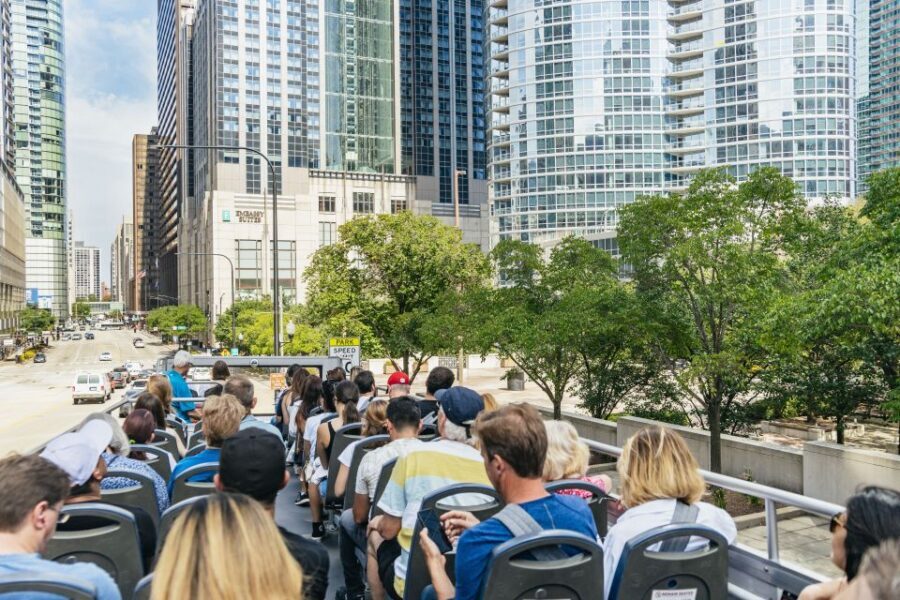
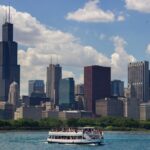
From the Riverwalk, you pass through the high-impact downtown spine toward the Willis Tower area and the skyline stretches you came to see. Even if you never step inside Willis, riding by gives you a sense of scale. Chicago’s towers don’t just sit there. They rise. And they do it right over the street-level grid.
This segment is also a good time to decide your “view strategy” early. A lot of people want one major observation stop, and you have options on the route (including Willis-related sights and the 360 CHICAGO area later). If you already know which viewpoint you want, consider doing it earlier rather than later. Weather and daylight can be fickle.
Small drawback to watch
If you’re hoping for a perfect, uninterrupted narration while you’re focused on photos, don’t. Recorded audio is tied to the bus route and timing, and sometimes it can drift. That’s not a deal-breaker. Just expect that you might need to glance at the screen/app or catch pieces of the story when the bus is moving again.
Millennium Park and the Art Institute area: art meets skyline
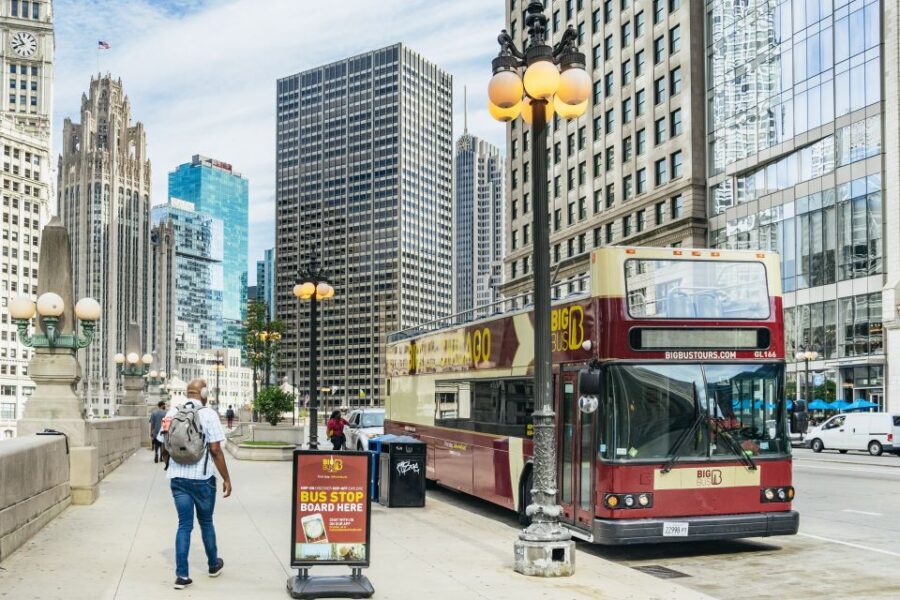
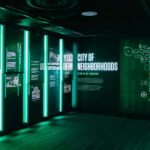
As you roll past Millennium Park and toward the Art Institute of Chicago zone, the tour shifts from “big buildings” to “Chicago’s cultural center.” This is where the city starts feeling less like a skyline postcard and more like a place with personality.


Why this stop zone matters
- Millennium Park is one of those areas where you can easily spend time without buying another ticket right away, since the surroundings and photo angles are the point.
- The Art Institute area gives you choices: if you want museums, you’ll know where to branch off. If not, you still benefit from knowing what’s nearby.
A small planning tip: if you want good photos, don’t wait until you’re bored to hop off. Hop off, take the shots, then decide if it’s worth a longer stop. The hop-on nature makes that quick decision easy.
The Magnificent Mile and the State Street theater belt: shopping time without stress
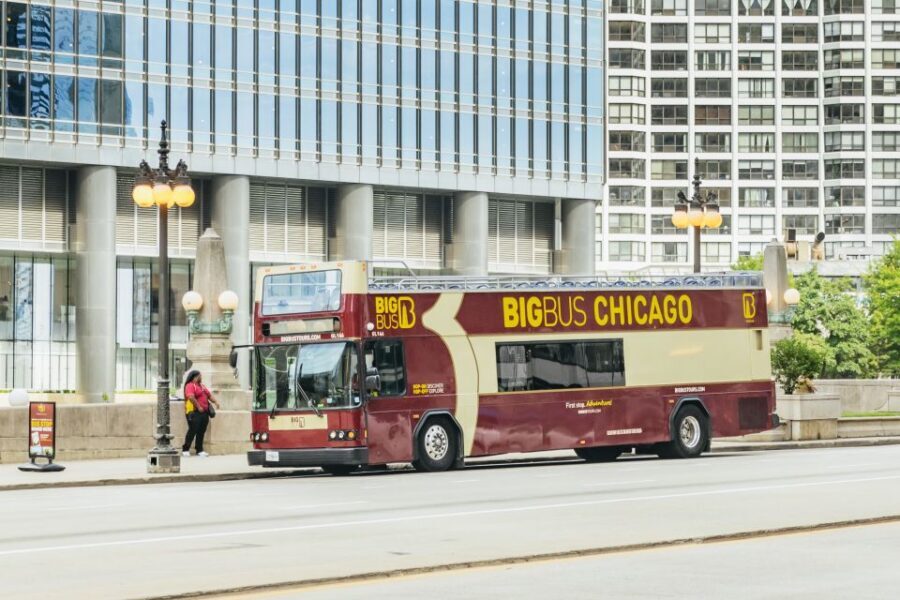
The route also reaches the Magnificent Mile, which is one of Chicago’s biggest retail stretches. It’s also where the city’s “downtown energy” shows up in storefront density and people-watching.
Then there’s the State St. Theater District angle. If you’re in Chicago for a show, or you just like the vibe of theater blocks, this bus gets you there without needing to stitch together multiple transit steps.
I like this part of the loop because it supports a very real travel need: you’ll need a break at some point. A shopping stop isn’t just for shopping. It’s for:
- grabbing water and snacks,
- ducking into a café,
- and resetting your feet for the next hop.
360 CHICAGO, River North, and the bridge-and-tower views
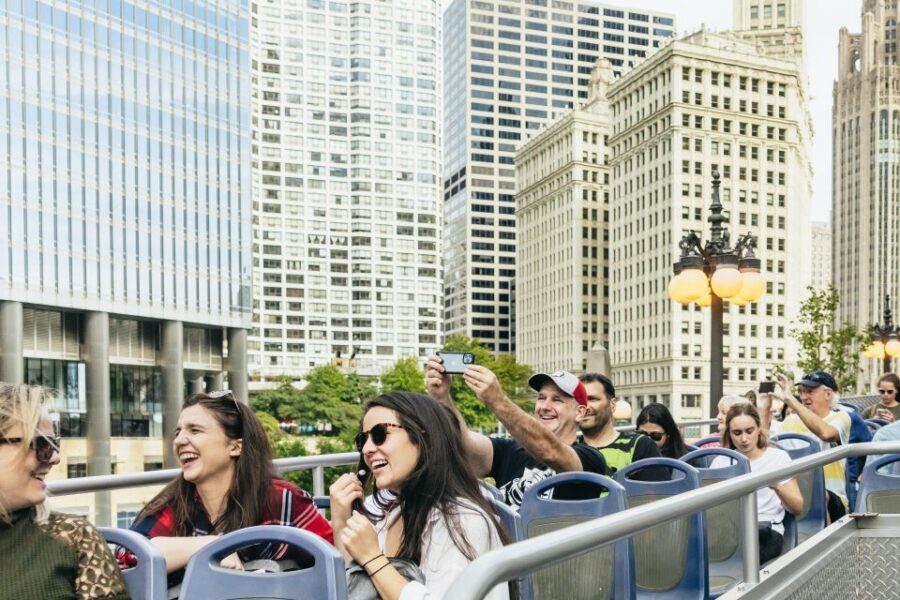
You’ll pass through the 360 CHICAGO area and River North as the loop keeps feeding you skyline angles. River North is also one of those neighborhoods where it’s easy to wander into good food choices. The bus can drop you near the action so you’re not locked into a single meal plan.
This segment is also a smart place to position yourself if you care about views. Since you can hop off and return, you’re not stuck with one angle or one photo window. You can do a quick pass, then come back later if the light changes.
Watch the audio earbuds
The included earbuds are convenient, but a few experiences mention headset fit and volume quirks. If you’re picky about audio, consider bringing your own earbuds or a small personal headphone setup with a comfortable fit. Chicago wind also loves to interfere with loose earbud placement.
Navy Pier and Lake Michigan: the payoff for the ride
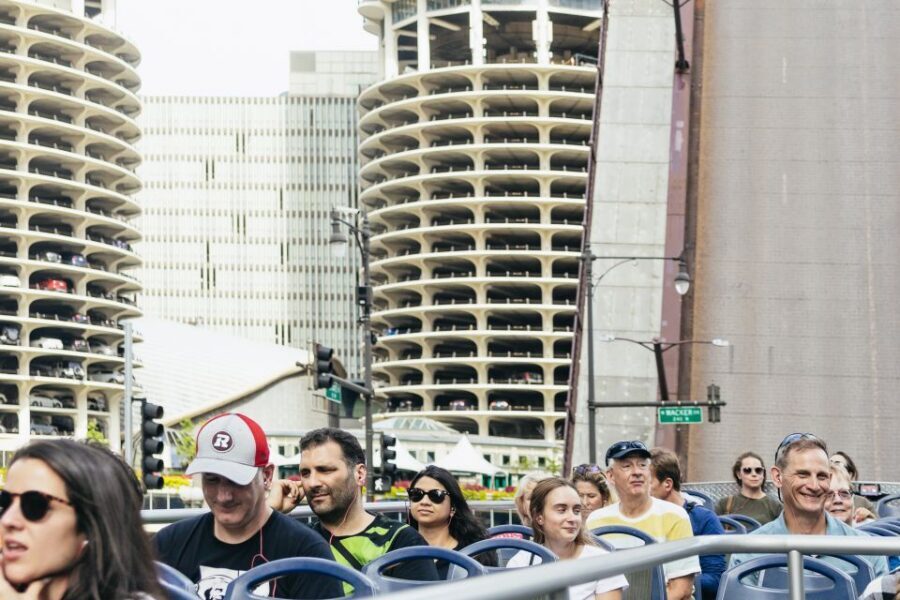
The tour’s highlights call out Navy Pier, and it makes sense. If downtown towers are Chicago’s “vertical” personality, Navy Pier is the “horizontal” one. Lake Michigan is right there, and the whole area shifts how the city feels.
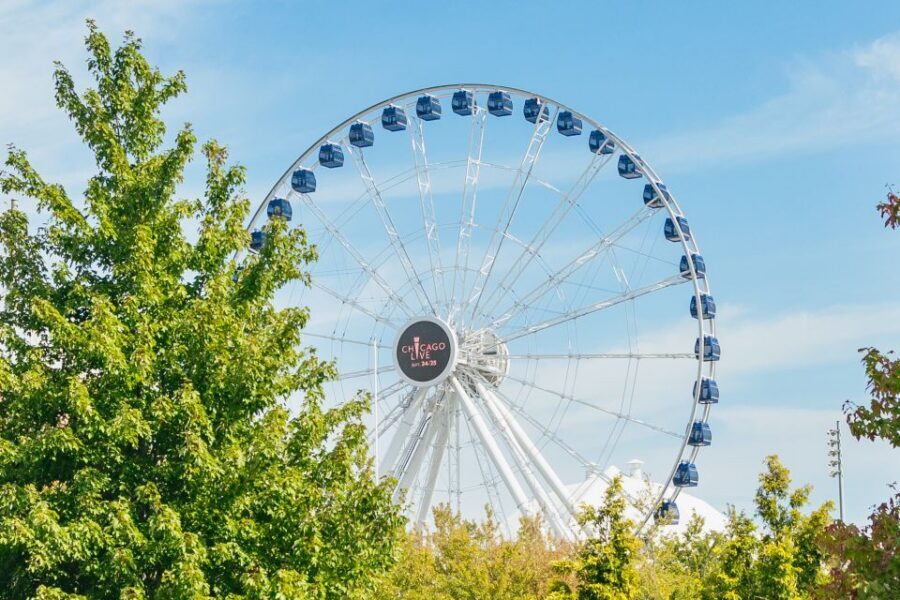
Navy Pier is also useful because it’s not only views. It’s a cluster of activities. You can ride something like the Ferris wheel there, eat with lake views, or just take a slow walk along the waterfront.
A practical reality check: if it’s windy or rainy, the open-top ride can be tough up high. In that case, hop down to the lower deck for comfort, then back up later when conditions improve.
Museum Campus and Adler Planetarium: where time turns into learning
The Museum Campus area (with Adler Planetarium called out) is another zone where you can go big or go casual. If you want a full museum block, plan for it. If you want a lighter stop, you can still benefit from the area’s walkability and the way the skyline and lakeframe the campus.
This is a good neighborhood to pair with a longer break if you’re building a 2- or 3-day plan. In a single-day rush, museum zones can eat time fast.
The self-guided walking tours: good add-on, not a must
If you select the option, you get 4 self-guided audio walking tours designed to complement the downtown bus route. The topics include things like Architecture and Chicago Riverwalk, among others.
I like these when you want something more grounded than a bus narration. Walking tours can slow you down at the exact places where details matter. It’s also easier to take photos when you’re not fighting traffic and bus stops.
If you’re short on time, you can skip them and still get a strong overview. The bus itself covers the big landmarks and gets you oriented fast.
The River Architecture Boat Cruise add-on: how to make Chicago feel 3D
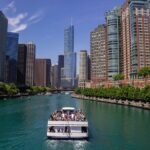
If you choose the boat option, you can add a Chicago River Architecture Boat Cruise. I think this is one of the most logical add-ons in Chicago because it turns the architecture from “seen” to “understood.”
From the bus, buildings look tall and dramatic. From the river, you get a different perspective on massing, density, and why the city’s designs belong next to water.
If you’re trying to pack a tight itinerary, prioritize the boat cruise over piling in extra stops. It gives you a different angle on the same story.
Using the Big Bus app and real-time tracking
The free app is one of the tour’s most practical tools. It gives you route info and live bus tracking, which helps you time your return to the stop. That’s the real win of hop-on hop-off: you’re not stuck playing the guessing game.
Here’s how I’d use it:
- Before you leave a stop, check where the next bus is relative to your stop.
- If it’s close, take your time shopping or eating without panicking.
- If it’s far, do a shorter activity and plan to catch the next one.
Also, activate your ticket either through the app or at Stop #1 (Chicago Riverwalk at 98 E Wacker Dr) with Big Bus staff. Doing this ahead of time saves awkward delays when you’re standing in the street looking for your bus.
Price and value: is around $45 a good deal?
At $45 per person for a 1- to 3-day ticket option, the value comes from two things: coverage and convenience.
You’re paying for:
- an easy, low-effort way to reach many top sights in one corridor,
- open-top views (big part of the experience),
- and digital narration plus planning support via the app.
Where the value can slip is if you hop off too often for long activities and then discover you needed more time than you have. One example from actual experiences: tight daylight schedules can feel rushed, especially if major events shut down roads. If you only have one day and you want observation decks plus museums, consider a 2-day approach or pick fewer priorities and let the tour do the connecting.
If you’re traveling with kids, or if you’re tired of transit transfers, this is often worth the price because it reduces decision fatigue.
Comfort, weather, and sound: what can make or break the experience
This tour is set up for comfort choices. You can ride on top for views, or stay below for a break from wind and weather. On rainy days, the covered ride can still be manageable, but visibility and photo quality can drop.
Then there’s audio. The general idea is engaging digital commentary with earbuds provided. But there are a few real-world issues you should plan around:
- recorded audio can be out of timing with the exact scenery,
- some buses may have speaker or earbud problems,
- and earbuds might be quieter than you want, with fit issues that make you adjust them.
Also, road closures happen in Chicago. If there’s an event like NASCAR, some stops can shut down. The tour can’t control that, but it means you might need to adapt your day and be ready for detours.
Driver energy matters more than you’d expect
Many of the best moments come from the human element. Names like Candace, Anton, and Felicia show up with enthusiasm and strong storytelling beyond the recording. If you’re lucky, the driver adds energy and local tips that make the whole ride feel like a guided day, not a headset track.
Who this tour suits best
This is a great match if:
- you’re in Chicago for the first time and want a fast orientation,
- you want an easy way to reach multiple neighborhoods without building a transportation plan,
- you like freedom and don’t want a rigid schedule,
- you’re mixing “must-see sights” with shopping and meals.
It may not be your best fit if:
- you need live, perfectly timed narration all day,
- you’re extremely sensitive to audio timing or headset fit,
- you only have a few hours and want to do everything with no flexibility.
Should you book the Chicago Big Bus hop-on hop-off?
Yes, if you want a simple, efficient way to hit Chicago’s top downtown landmarks and keep your day flexible. It’s especially smart for first-time visitors and for anyone who wants a low-stress mix of views, shopping zones, and waterfront time at Navy Pier.
I’d book it if your plan is more about building a good day than checking boxes. It works when you treat it like a tool: ride to move between key areas, then hop off for your real priorities.
Skip it or adjust expectations if you’re chasing the most immersive, perfectly synchronized narration possible, or if you only have a short window and expect every stop to work exactly as planned. In that case, pick the most important viewpoint, leave time for walking, and let the bus handle the connections.
FAQ
How long is the hop-on hop-off ticket valid?
The ticket is valid for 1 to 3 days, depending on the option you choose.
What sights can I reach with the bus route?
The top hop-on hop-off sights include Navy Pier, Millennium Park, Skydeck Chicago & Willis Tower area, the Chicago Riverwalk, Museum Campus, 360 CHICAGO, Chicago River Cruises, and more.
Are attraction tickets included?
No. Admission to attractions is not included.
Is the audio commentary in multiple languages?
Yes. The digital commentary and audio guide are available in English and Spanish.
What is the best way to activate my ticket?
You can activate by downloading the Big Bus app, tapping Add Booking, entering your booking reference, then pressing Activate on the day of travel and showing your activated ticket to the driver. Or you can redeem a voucher and activate with Big Bus staff at Stop #1 at 98 E Wacker Drive, on the corner of Michigan and Wacker, or with any driver at any stop.
Are there rules for children?
Children under 3 can travel for free, but they must be accompanied by one adult per child. They are not allowed to occupy seats designated for paying passengers. Unaccompanied minors are not allowed.