REVIEW · 360 CHICAGO DECK
Chicago: Magnificent Mile Tour With Optional 360 Chicago
Book on GetYourGuide →Operated by ExperienceFirst · Bookable on GetYourGuide
A 2-mile walk that tells the whole city story. This Magnificent Mile tour connects parks and skyline icons, from early Chicago-era details to the towers you see today. I especially like how you get both the big-picture architecture lessons and the fun street-level surprises like the world’s largest Starbucks. One thing to plan around: if you upgrade to 360 Chicago, heights aren’t optional, and the experience isn’t a fit if you get vertigo.
You’ll start near Millennium Park and follow the guide along Michigan Avenue, building your understanding as you go. I also like that the stops aren’t just photo ops; you learn what to look for in Art Deco, Beaux-Arts, and neoclassical facades, then see those styles tied to real landmarks. The potential drawback is simple: it’s still a walking tour, so comfortable shoes matter, even at a leisurely pace.
If you choose the optional add-on, you finish with a self-guided visit to 360 Chicago, where you can linger on the observation deck. I like that you don’t have to rush the views, and you can pair the street history with a skyline viewpoint. Still, skip the upgrade if you’re afraid of heights or you know vertigo will be an issue.
In This Review
- Key Things I’d Prioritize on This Tour
- Where the Tour Begins: Federal Building Columns on Michigan Avenue
- Millennium Park First Look: Why the Lakefront Matters to the Story
- Chicago Riverwalk and the Michigan Avenue Trail: Walking With a Purpose
- Wrigley Building and Tribune Tower: Architecture Styles You Can Spot Fast
- Magnificent Mile Storefront Stops: From Luxury Blocks to the Largest Starbucks
- Rush Street and the Walk Toward 360 Chicago
- Optional 360 Chicago Upgrade: 1,030 Feet Over Lake Michigan
- Price and Value: Why $39 Can Feel Like a Steal Here
- Pace, Walking Distance, and What to Bring
- Who This Tour Fits Best (and Who Should Skip It)
- Should You Book the Magnificent Mile Tour With Optional 360 Chicago?
- FAQ
- How long is the Magnificent Mile walking tour?
- Where do I meet the guide for this tour?
- Is the 360 Chicago visit included?
- Is TILT included with 360 Chicago?
- How far do you walk?
- What should I bring?
- Is the tour okay for people who don’t like heights?
Key Things I’d Prioritize on This Tour
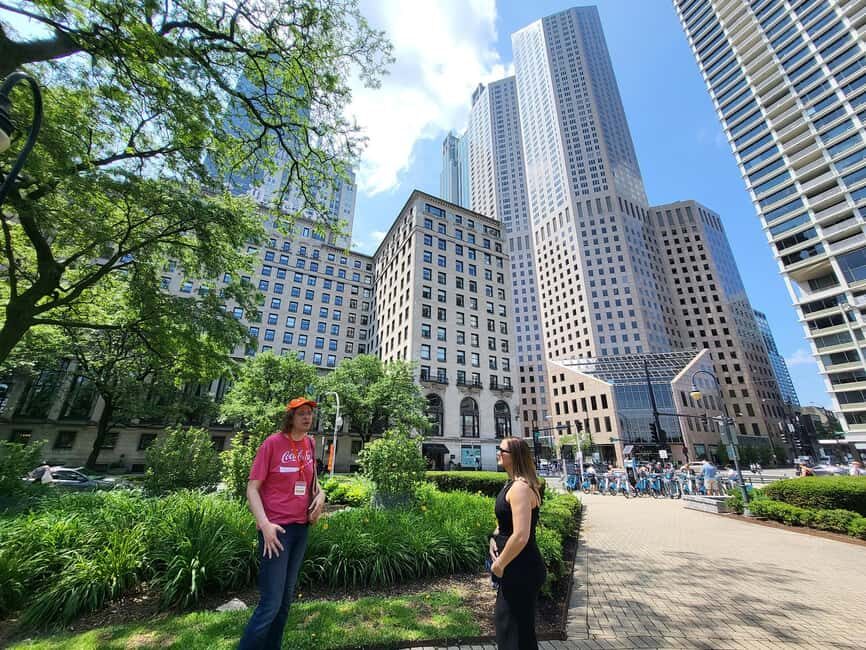
- Federal Building Columns meeting point: easy to find, with the guide in an orange ExperienceFirst hat.
- Millennium Park + lakefront context: a strong first setting for understanding Chicago’s growth.
- Architecture styles you can spot fast: Art Deco, Beaux-Arts, and neoclassical details that make buildings feel readable.
- Landmarks plus shopping streets: Wrigley Building, Tribune Tower, and even the world’s largest Starbucks.
- A calm, doable pace: about 2 miles on foot, built for an enjoyable 2–3 hour outing.
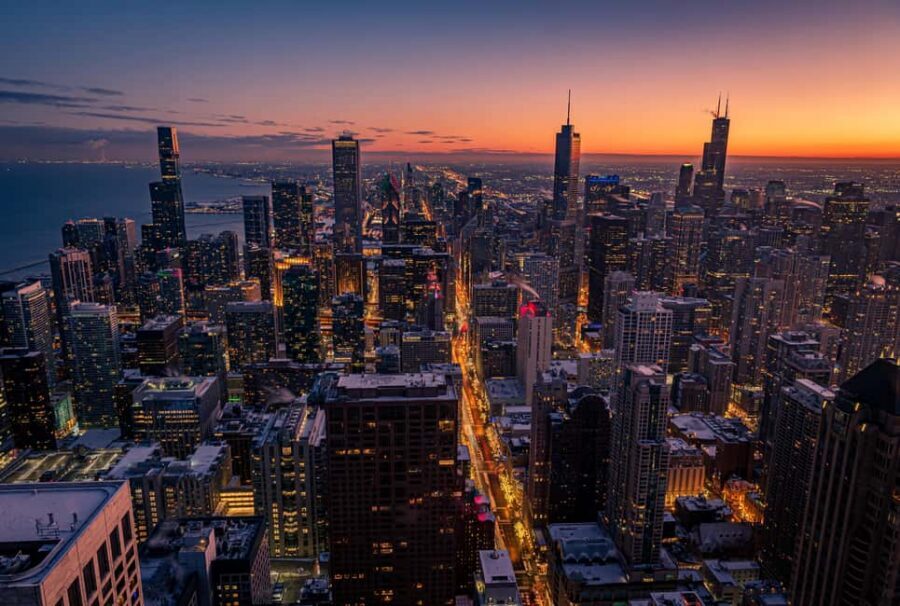
- 360 Chicago upgrade after the walk: 1,030 feet up for panoramic Lake Michigan views.
Where the Tour Begins: Federal Building Columns on Michigan Avenue
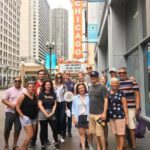
You’ll meet on the north side of the Cancer Survivors’ Garden in front of the Federal Building Columns, at the corner of Field Boulevard and E. Randolph Street. Look for your guide wearing an orange hat that says ExperienceFirst—this is one of those small details that saves time and stress.
From the start, the location helps you get oriented. You’re dropped into the exact Chicago rhythm that makes the Magnificent Mile area feel special: a mix of grand civic spaces and landmark commercial architecture. That means even before you start walking, you’re already in the right frame of mind for a skyline-focused day.
If you’re the kind of person who likes to know where you are before you chase photos, you’ll appreciate this setup.
You can also read our reviews of more tours and experiences in Chicago.
Millennium Park First Look: Why the Lakefront Matters to the Story
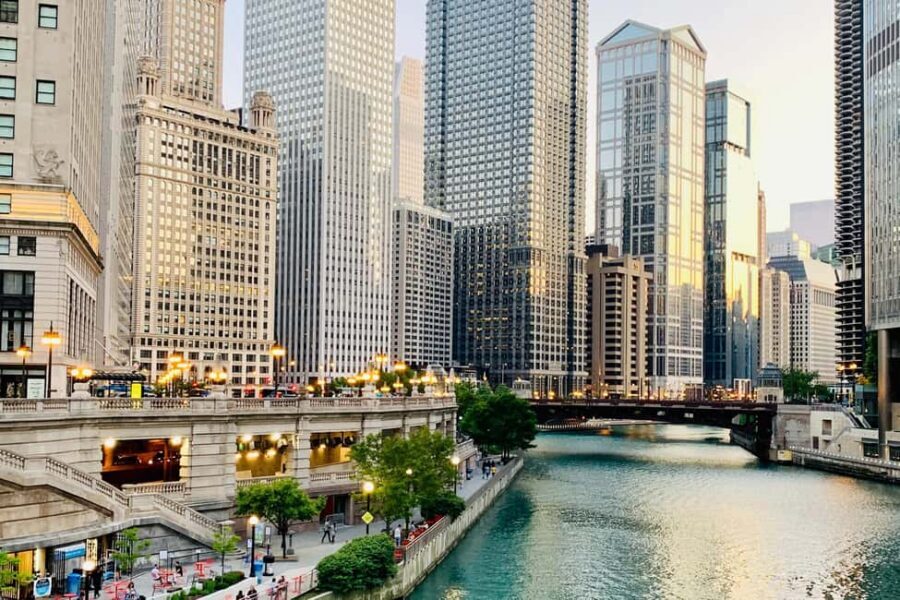
The tour kicks off with a guided stop at Millennium Park, with sightseeing as part of the experience. This is a smart choice because the park gives you open space and big visual payoff right away, plus it anchors your route near Lake Michigan.
Then the guide starts tying the scenery to Chicago’s bigger timeline. You’re not just hearing names of buildings; you’re learning how the city’s growth shaped what you see on Michigan Avenue today. It’s also a good moment to reset your eyes—parks help you look at skyline architecture with fewer distractions.
Practical note: if you plan to take lots of photos, do it early here. Once you move into busier streets, it’s still enjoyable, just not as easy to pause for that one perfect angle.
Chicago Riverwalk and the Michigan Avenue Trail: Walking With a Purpose
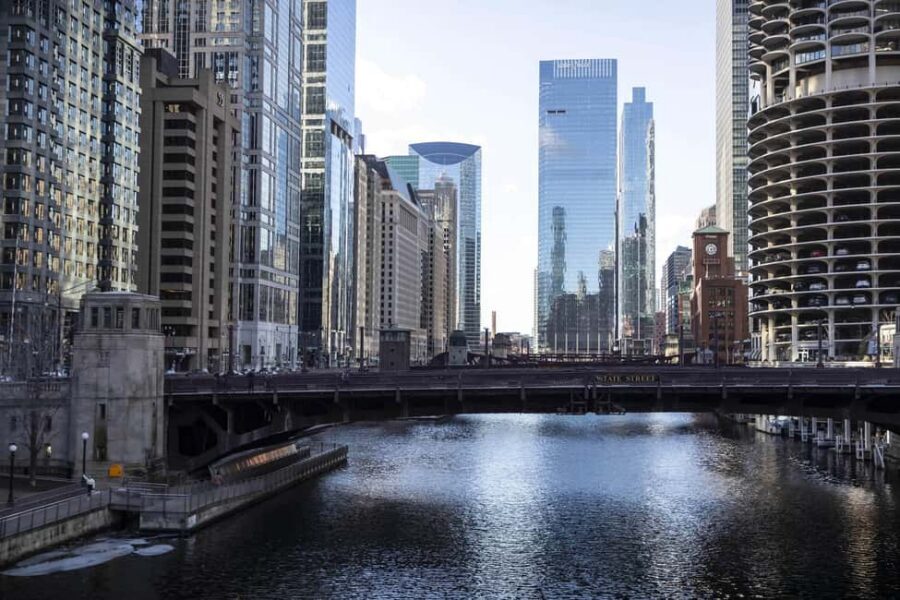
After Millennium Park, the route connects to the Chicago Riverwalk and then pushes deeper into the Magnificent Mile. This part of the walk is where the tour feels like a guided “how-to-see” lesson. The guide helps you notice design details you might otherwise skip—things like the way building facades reflect different eras.
You’ll also get a sense of Chicago’s public space culture. Parks and riverfront areas aren’t separate from the skyline story; they’re part of how the city became what it is.
One practical reason I like the structure: you’re not bouncing around randomly. The path keeps moving, and the context builds stop by stop, so you finish with a clearer mental map of the area.
Wrigley Building and Tribune Tower: Architecture Styles You Can Spot Fast
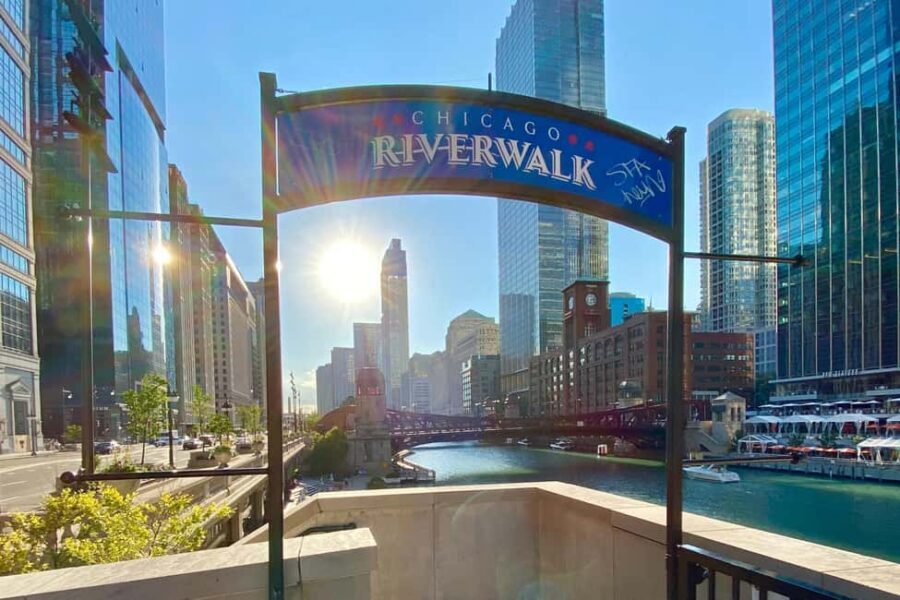
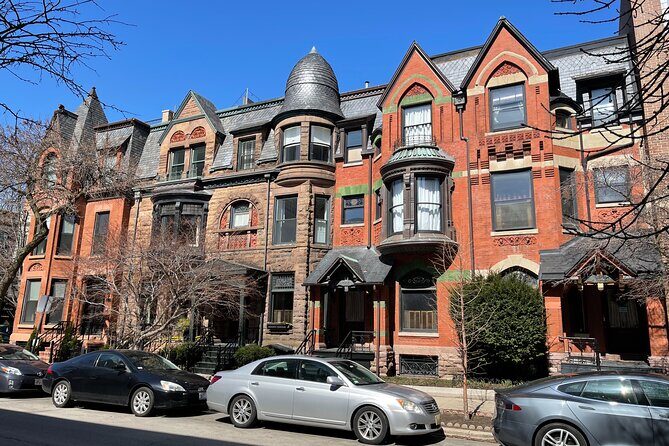
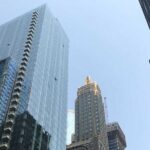
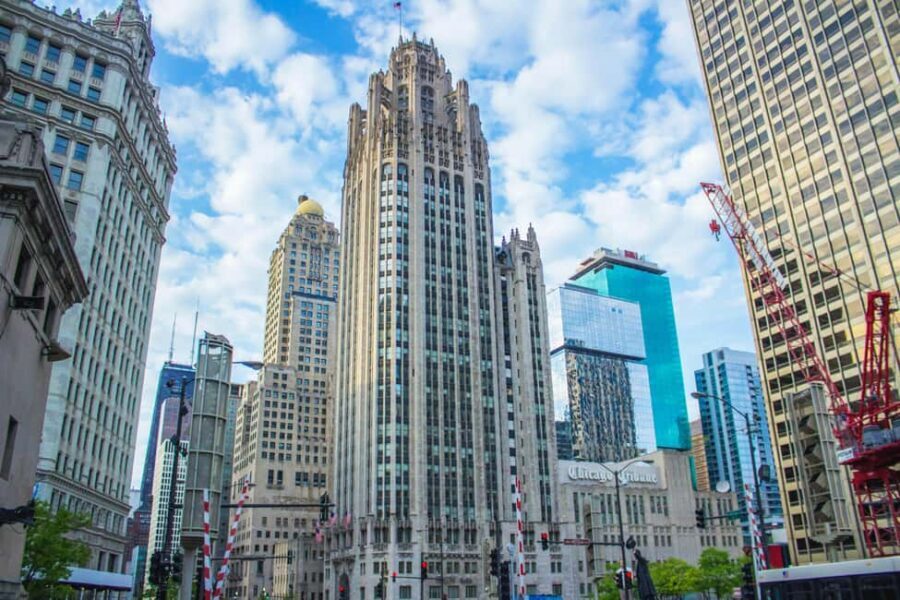
This is the heart of the tour for architecture lovers. You’ll learn about major landmarks like the Wrigley Building and the Tribune Tower, along with other buildings that frame the Magnificent Mile’s character.
What I like most here is the combination of story and sightline. You don’t just hear that certain buildings are famous—you learn what to look for, which makes your photos feel smarter. The tour highlights architectural categories like Art Deco, Beaux-Arts, and neoclassical styles, so you start connecting details to time periods.
A possible consideration: if you’re coming in already knowing a lot of Chicago architecture, you might still enjoy this, but you may find yourself wanting deeper technical information. The guide focuses on history and what you can see in the streetscape, not architectural engineering trivia.
Still, if you’re at all curious, this section is where the walk stops feeling like generic sightseeing and becomes genuinely memorable.
Magnificent Mile Storefront Stops: From Luxury Blocks to the Largest Starbucks
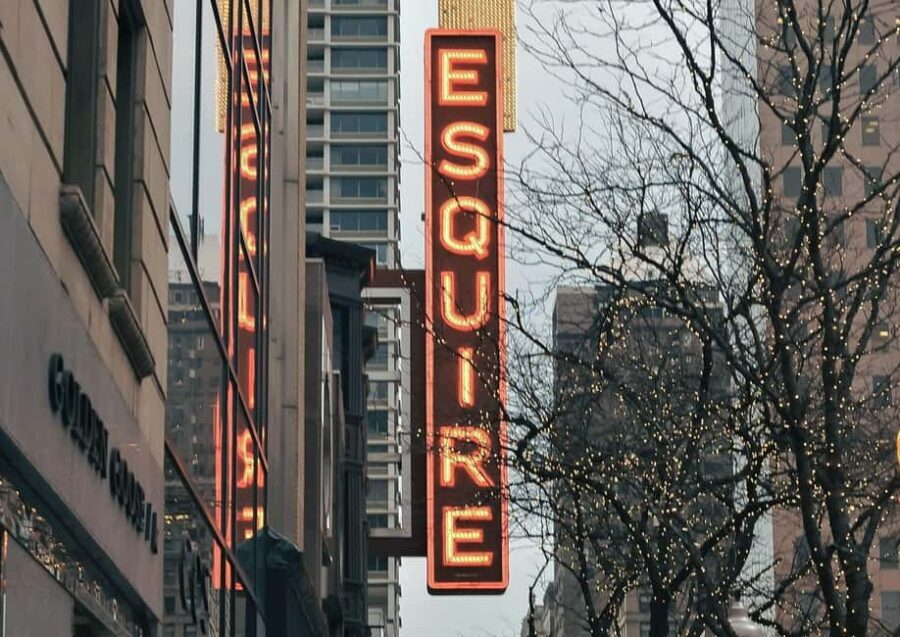
The tour doesn’t only stay with buildings. You’ll also pass eye-catching storefronts that make Michigan Avenue feel like a living museum—just with retail in the foreground.
Expect surprises like the world’s largest Starbucks and a Harry Potter-themed shop, plus shopping and luxury stops such as Cartier and St. Laurent. Even if you don’t plan to buy anything, these places add texture. They also help you understand how the Magnificent Mile became a global-style shopping corridor, not just a set of old towers.
What this does for the overall experience is practical: it breaks up the architecture focus with street-level color. You get to enjoy the city rather than treat it like a classroom.
If your personal travel style is strictly “history only,” you might skim these sections more than others—but the guide uses them to keep the route lively.


Rush Street and the Walk Toward 360 Chicago
You’ll pass additional stops along the way, including Rush Street, and then you’ll wrap up near the former John Hancock Center. The finish location matters because it naturally sets up the optional upgrade.
This part of the route is basically your transition from learning about the city’s architecture to seeing it as a whole. By the time you reach the end of the walking portion, you’ll be ready to look down over Michigan Avenue and connect what you learned to the broader view.
Even if you don’t upgrade, the walk still feels complete because it covers the major landmarks and the styles that define this stretch of Chicago.
Optional 360 Chicago Upgrade: 1,030 Feet Over Lake Michigan
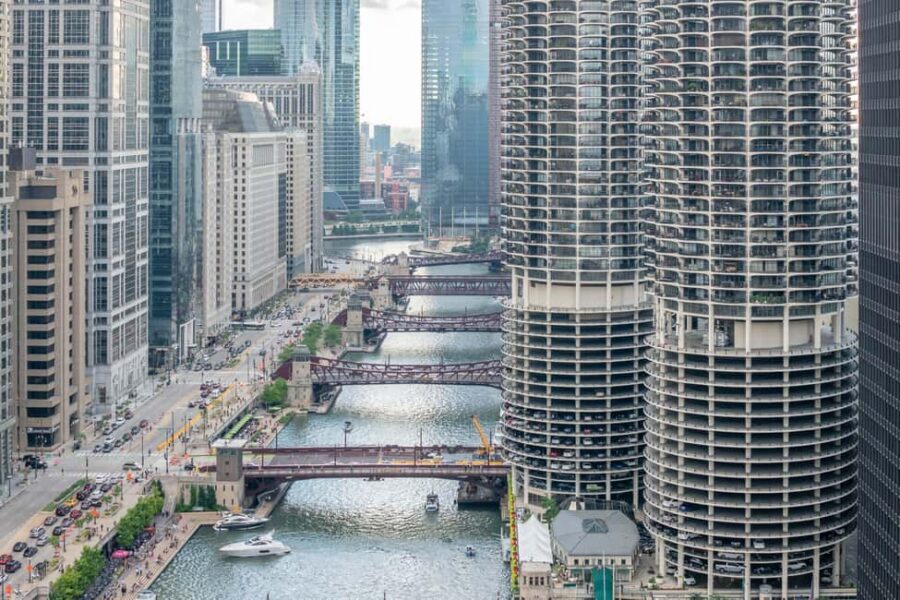
If you upgrade, you head up to 360 Chicago for panoramic views. You’ll be at 1,030 feet, and the payoff is big: you can see Lake Michigan and the clusters of skyscrapers below.
The upgrade is self-guided after the walking tour, which is a real advantage. You can linger as long as you like on the observation deck, and you don’t have to keep pace with the group. This makes it easy to take photos, re-check your route from earlier, and compare what the guide pointed out from street level.
Two important reality checks:
- This ticket does not include TILT, though you can purchase TILT on-site if you want the extra thrill.
- If you’re afraid of heights or have vertigo, this is not suitable.
If you’re on the fence about the upgrade, I’d base your decision on your comfort level with heights, not on FOMO. The views are fantastic, but your body’s comfort matters more.
Price and Value: Why $39 Can Feel Like a Steal Here
At $39 per person, this tour is priced like a smart “one afternoon” choice. You’re paying for a professional local guide, a structured route along Michigan Avenue, and major landmark coverage without needing to plan anything.
Here’s how I’d think about value:
- The guided portion is short enough to fit in a travel schedule (about 2–3 hours).
- You cover multiple architectural styles and major sites, not just one iconic building.
- If you upgrade, the day also includes a major skyline experience at 360 Chicago.
It’s the kind of deal where you don’t have to be an architecture expert to get your money’s worth. Even casual visitors usually benefit because the guide helps you see details and understand why they matter.
Just remember: this is still a walking tour. If you hate walking, the time window won’t change the fundamentals.
Pace, Walking Distance, and What to Bring
The walk covers about 2 miles at a leisurely pace, and comfortable shoes are the one item you should not skip. Two miles sounds easy until you add city sidewalks, stops, and standing around for views and building details.
Good news: the tour is wheelchair accessible, so if mobility is a concern, you can still consider it. The height option is a separate issue, though. 360 Chicago is not suitable if you’re afraid of heights or have vertigo.
If you’re bringing a camera, also bring something you can keep steady while walking. The story points you toward specific facades and skyline lines—so you’ll want to be able to switch between looking and shooting without getting flustered.
Who This Tour Fits Best (and Who Should Skip It)
This experience is ideal if you want a guided architecture walk that doesn’t feel academic. You’ll learn about Chicago’s skyline story through landmarks like the Wrigley Building and Tribune Tower, plus you’ll get fun street-level moments along Michigan Avenue.
It’s also a strong choice if you like mixing city “big ideas” with practical sightseeing. Millennium Park, the Chicago Riverwalk, and the Magnificent Mile area are all high-impact stops, so you finish the day with a clear sense of place.
You should skip the 360 upgrade if heights bother you, because the observation deck experience is part of the optional value. And if you know vertigo is an issue, plan around that reality.
Should You Book the Magnificent Mile Tour With Optional 360 Chicago?
Book it if you want an easy-to-follow architecture route with real landmark variety, plus the option to add panoramic views afterward. The mix of Millennium Park, riverfront scenery, Michigan Avenue landmarks, and the chance to see the skyline from 360 Chicago makes it a strong use of a couple of hours.
Don’t book (or skip the upgrade) if you’re uncomfortable with heights, or if you prefer to wander without a guide. This tour works because you’re guided—there’s a story structure to the route.
If you’re traveling with someone who likes different things—architecture, parks, and iconic city views—this format gives everyone something to grab onto.
FAQ
How long is the Magnificent Mile walking tour?
The experience lasts about 2 to 3 hours, depending on the starting time and how the group moves through the route.
Where do I meet the guide for this tour?
Meet your guide on the north side of the Cancer Survivors’ Garden in front of the Federal Building Columns, at the corner of Field Boulevard and E. Randolph Street. The guide will be wearing an orange hat that says ExperienceFirst.
Is the 360 Chicago visit included?
The 360 Chicago ticket is included if you upgrade. If you don’t upgrade, you won’t go up to 360 Chicago.
Is TILT included with 360 Chicago?
No. TILT is not included, but you can purchase it on-site if you want it.
How far do you walk?
The tour covers about 2 miles at a leisurely pace.
What should I bring?
Wear comfortable shoes. You’ll be walking and stopping along the way.
Is the tour okay for people who don’t like heights?
The walking tour itself is fine, but the 360 Chicago upgrade is not suitable for people afraid of heights or those with vertigo.