REVIEW · WALKING TOURS
Chicago Walking Tour: Connecting Past and Present
Book on Viator →Operated by Chicago Architecture Center · Bookable on Viator
Skyscrapers make sense with a good guide. This Chicago Architecture Center walking tour turns famous buildings into an easy timeline, with a certified expert talking as you walk. I love how you get insider stories tied to what you’re looking at, and I love that a short 1 hour 45 minute plan hits multiple big-name sights without turning it into a long slog.
You start with a quick stop that sets the context: admission to the CAC galleries. Then you head outside for short, focused looks at major buildings, with the guide doing the heavy lifting to explain the city’s architectural eras and the architects behind them, including Renzo Piano and Frank Gehry.
One possible drawback: outside viewing is the main event, and only the CAC galleries admission is included. If you want to go inside every stop, you may need to plan extra visits and tickets beyond this tour.
In This Review
- Key highlights worth your attention
- Entering The Chicago Architecture Center: where the tour gets its brain
- The walk is the lesson: Wrigley Building and the art of quick looking
- Daley Center views: civic space, city planning vibes
- Reliance Building stop: architecture that shows the passage of time
- Jay Pritzker Pavilion: modern public space in the middle of it all
- What the guide does with Renzo Piano and Frank Gehry context
- How much time do you actually spend walking?
- Price and value: why $35 can make sense for architecture lovers
- What to bring (and what to plan for) so you’re comfortable
- Who should book this Chicago architecture walk?
- Should you book this Chicago Architecture Center walking tour?
- FAQ
- What is the duration of the Chicago walking tour?
- Where do I meet the guide?
- What’s included in the $35 ticket?
- Is admission included for every building you visit?
- Is food or drink provided?
- How big is the group?
- Are pets allowed?
- What’s the cancellation policy?
Key highlights worth your attention
- Small group, up to 15 people, so you can actually ask questions
- Admission to the CAC galleries included at the start
- Certified architectural expert narration throughout the walk
- Short, efficient exterior stops that still teach you what to notice
- Big names and big eras, with context for Chicago’s past and modern moments
- Easy meeting point near public transportation, so you’re not stuck hunting a distant corner
Entering The Chicago Architecture Center: where the tour gets its brain
The tour begins at the Chicago Architecture Center, 111 E Wacker Dr. You’ll start there and go straight into the experience with 10 minutes in the galleries. The ticket is included, so you’re not worrying about lining up for entry or paying extra just to get started.
This little gallery warm-up matters more than it sounds. Standing outside in a wind-tunnel city is one thing. Having a quick reference point for Chicago’s architectural ideas first is another. It helps you connect details you’d otherwise miss—like how buildings reflect changing design priorities, and how different architects shaped what the city became.
You’ll also hear framing that makes the rest of the walk easier to understand. The tour is built around the idea of connecting past and present, and that starts with giving you a mental map of architectural eras before you ever see the street-level views.
A practical note: this is not a long museum detour. You’re there for a short window, then you’re moving. So if you’re the type who wants to read every panel, you may feel a little rushed at the beginning. Still, the time is tight by design, so you can keep the day efficient.
You can also read our reviews of more walking tours in Chicago



The walk is the lesson: Wrigley Building and the art of quick looking

After the galleries, the tour stays on foot and moves into quick stops that let you see Chicago’s scale up close. The schedule keeps each building view to about 5 minutes, including the Wrigley Building area.
Here’s the value of those short stops: a good architecture guide doesn’t just point. They teach you how to look. During the Wrigley Building viewing time, expect commentary that helps you notice how the building presents itself to the street—how mass, detailing, and the overall style communicate the era it came from.
Even if you’ve seen photos of the Wrigley Building a hundred times, the point of this tour is to help you understand what makes it feel like it belongs to Chicago. The guide’s narration turns the view from a postcard into a clue.
Also, you’re in a small group, with a maximum of 15 people. That matters on tight city sidewalks. It makes it easier to hear the explanation without constantly playing catch-up or craning your neck.
One thing to keep in mind: because you’re viewing from outside and the included tickets don’t cover building entry, you’re relying on the guide’s storytelling to fill in the context. If you’re expecting a lot of inside access, adjust your expectations early and you’ll enjoy the tour more.
Daley Center views: civic space, city planning vibes
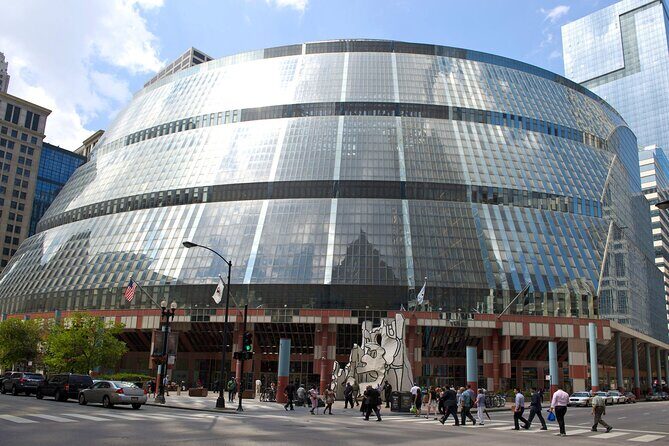
Next up is the Daley Center. You’ll get another short exterior look for about 5 minutes, with narration focused on the surrounding buildings.
This stop is a reminder that architecture in Chicago isn’t just about commercial icons. The city also tells stories through civic design—how government buildings relate to the street, how public space feels, and how different eras leave their fingerprints on the built environment.
In a quick viewing window, you won’t be able to study every angle. That’s why the guide’s job is so important. They’ll point you toward what’s worth noticing in the space you have. The goal isn’t to memorize details. The goal is to train your eye for patterns so you can keep understanding Chicago after the tour ends.
If you like walking city-to-city and spotting how planners shape everyday life, you’ll probably enjoy this stop. If you only care about one style of landmark, the civic emphasis may feel less exciting. The tour tries to balance the big famous commercial sights with the bigger picture of how the city works.
Reliance Building stop: architecture that shows the passage of time
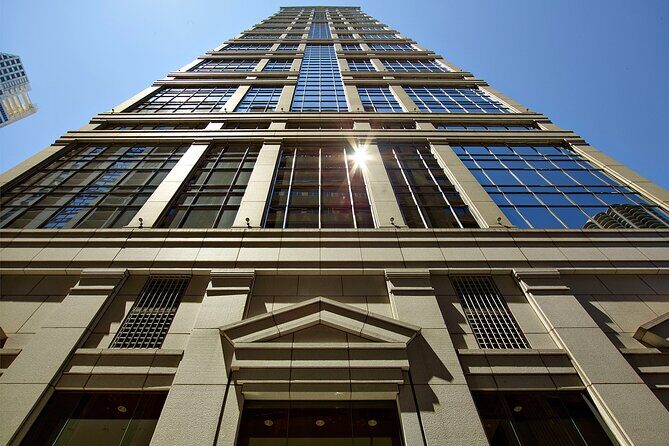
The Reliance Building is another brief viewing stop, again around 5 minutes. You’ll see the building and surrounding structures, with the guide using the moment to connect the dots across architectural eras.
This is where the tour’s core promise—connecting past and present—gets real. Chicago’s architecture can feel like a nonstop timeline of bold choices, new ideas, and upgrades to what came before. The guide helps you understand how those choices fit together as a city story instead of random individual sights.
Without going inside, you still get plenty of information if you listen for what the guide emphasizes. Pay attention to how the building’s form and style relate to nearby spaces. That is often the easiest way to see transitions between eras on a short walk.
One practical tip for this part: keep your schedule brain off. Don’t treat the stop like a photo mission where you rush to get your shot. Give the guide a minute to talk, then look again. You’ll catch details the first glance misses.
Jay Pritzker Pavilion: modern public space in the middle of it all
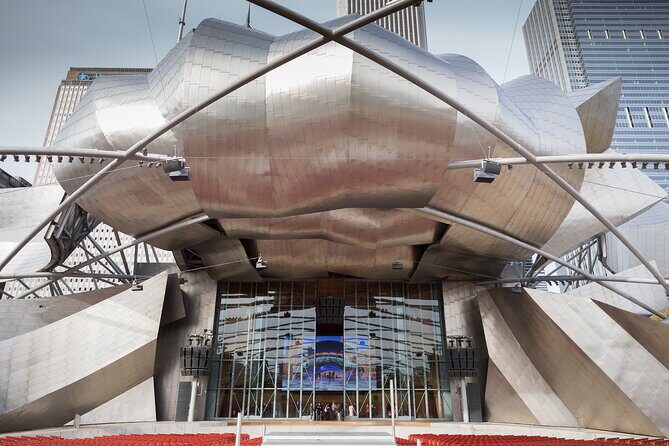
You end the exterior viewing portion of the walk at the Jay Pritzker Pavilion area. Expect another short stop, roughly 5 minutes, plus some narration about the pavilion and surrounding buildings.
This stop is the “present” side of the past-and-present theme. Even if you’ve never been to this specific spot, a pavilion in a major city often signals a different kind of architectural thinking: space designed for public gatherings, performance, and community life.
In other words, this isn’t only about height and form. It’s also about how buildings help people use the city. The guide’s narration here is useful if you want to see how Chicago’s architecture includes modern civic and cultural priorities, not just older skyscraper swagger.
You’ll then wrap back at the Chicago Architecture Center, so the tour closes where it started. That makes your timing easier and keeps the experience feeling organized rather than like a random walk that leaves you wondering where you are.






What the guide does with Renzo Piano and Frank Gehry context

The tour overview highlights starchitects including Renzo Piano and Frank Gehry. Even if you don’t see every single building tied to those architects in the short route, the storytelling matters because it gives you context for how Chicago modernized and who influenced that shift.
A great architecture guide can make famous names useful instead of just decorative. Here, the idea is that you understand the why behind the city’s look—how design thinking changed over time, and why certain contemporary buildings feel like a leap from older styles.
This kind of context is what makes the walk worth repeating in your head later. You leave with a stronger sense of what to notice when you spot a new building on your own: details, materials, and the design goals that seem to drive them.
Guides featured in participant notes—like Betsy, Matthew, and Jill—are especially praised for being entertaining and clear. The thread you’ll want to experience is the same: not a textbook lecture, but a guide with enthusiasm that makes the city feel readable.
How much time do you actually spend walking?

The duration is listed at about 1 hour 45 minutes. In that time, you’ll start at the CAC galleries (10 minutes), then hit a sequence of short outdoor viewing stops (each around 5 minutes), while the guide keeps you moving at a comfortable pace.
Short stops are not a flaw here; they’re the point. Chicago can be huge. A longer tour would likely turn into endurance walking. This one is built to be concentrated and digestible.
If you like your tours active but not exhausting, this format fits. Wear comfortable shoes. Even with short blocks between stops, Chicago sidewalks can add up fast.
Also, the itinerary is subject to change. That’s normal for city walking tours. Don’t build a tight schedule around exact minute-by-minute positioning. Treat it like a plan with smart flexibility.
Price and value: why $35 can make sense for architecture lovers

At $35 per person for about 1 hour 45 minutes, the big value question is what’s included versus what isn’t.
Here’s the clean breakdown based on the tour info:
- Included: admission to the Galleries of the Chicago Architecture Center
- Included: narration by a professional, certified guide
- Included: walking tour featuring famous buildings (mostly via exterior views)
- Not included: coat check, food and drink, storage for luggage or strollers
So you’re not paying just for “someone to point at buildings.” You’re paying for a guided interpretation plus included CAC entry. In a city where you can spend hours wandering without learning what you’re seeing, that guide narration is the main reason the tour feels efficient.
The small group size (maximum of 15) also supports the value. In a bigger group, architecture explanations become a blur. Here, the format is more likely to keep the information clear.
As for timing: this is often booked about 25 days in advance on average. That doesn’t mean you’ll never find space last minute, but it’s a hint that people plan this one early. If you’re traveling on a busy weekend, booking sooner is a safer move.
What to bring (and what to plan for) so you’re comfortable
This is a walking tour, and while the stops are short, you still need to be ready to move. Bring:
- Comfortable walking shoes
- Weather-appropriate layers
- A light bag you can carry easily (since there’s no storage for luggage or strollers)
Plan on meals separately. Food and drink aren’t included, and there’s no mention of a scheduled break for snacks. If you’re sensitive to hunger, consider eating before the start so you can stay focused through the walk.
Also, no coat check is provided. If you’re bringing a heavier jacket, keep it on hand during the tour or plan accordingly.
If you need accessibility-related planning, this tour notes that most travelers can participate and service animals are allowed. Pets are not allowed. If you have a special situation, it’s worth checking in before you go.
Who should book this Chicago architecture walk?
This tour is a great match if you want:
- A fast way to get your bearings in Chicago architecture
- A guided storyline that connects eras and famous names
- Exterior building viewing with expert narration instead of a museum-only visit
- A small-group experience where you can actually hear the guide
It may be less ideal if:
- You want long time inside major buildings (the tour includes CAC galleries, but other stops don’t include admission)
- You prefer a self-guided museum pace where you can linger at every detail
- You’re traveling with luggage you need to store, since storage for luggage isn’t part of the tour
If you’re doing Chicago for the first time and want one high-quality architecture orientation, this one is built for that job.
Should you book this Chicago Architecture Center walking tour?
If you like the idea of learning Chicago architecture in a short, organized walk, I think you should strongly consider booking. The tour’s structure is efficient: you start with included CAC galleries, then you get a sequence of guided exterior views that teach you how to notice details and connect eras.
The stand-out ingredient is the guide narration. The strongest feedback centers on guides like Betsy, Matthew, and Jill for being informative, fun, and clear, with a love for the city that makes the architecture feel approachable. For $35, you’re paying for expert storytelling and a short time commitment that still covers major sights.
Book it if you want an architecture primer that leaves you with a better eye. Skip it if your goal is building entry after building entry. This tour is about seeing and understanding, not collecting lots of tickets.
FAQ
What is the duration of the Chicago walking tour?
It lasts about 1 hour 45 minutes (approx.).
Where do I meet the guide?
You meet at the Chicago Architecture Center, 111 E Wacker Dr, Chicago, IL 60601. The tour ends back at the same meeting point.
What’s included in the $35 ticket?
Admission to the Galleries of the Chicago Architecture Center and narration by a professional, certified guide are included, along with a walking tour that features well-known Chicago buildings.
Is admission included for every building you visit?
Admission is included for the CAC galleries at the start. For the other listed stops, admission tickets are not included.
Is food or drink provided?
No. Food and drink are not included.
How big is the group?
The tour has a maximum of 15 travelers.
Are pets allowed?
Pets are not allowed, but service animals are allowed.
What’s the cancellation policy?
You can cancel for free up to 24 hours in advance for a full refund. If you cancel less than 24 hours before the experience start time, the amount paid is not refunded.