REVIEW · 360 CHICAGO DECK
Magnificent Mile Tour With Optional 360 Chicago Upgrade
Book on Viator →Operated by ExperienceFirst · Bookable on Viator
Chicago’s Mag Mile is more than shopping. This 2-hour walking tour strings together architectural highlights with a possible stop at 360 Chicago for big skyline payoff.
I love the tight mix of famous sights and design eras: Millennium Park, the Chicago Riverwalk, then a focused stroll along Michigan Avenue. I also like how the guide keeps it moving while pointing out what you’re actually looking at, from Art Deco details to late Modernist building styles.
One heads-up: this route is for architecture on Michigan Avenue and nearby streets, not a dedicated photo stop for the Bean.
In This Review
- Key Points Before You Go
- Entering the Day at Federal Building Columns (and Why It Matters)
- Millennium Park to Chicago Cultural Center: Lakefront Views and Italian Details
- Riverwalk Architecture: Beaux Arts, Art Deco, and the 1920s Connection
- Magnificent Mile on Foot: Big Brands, Art Deco to Modernist
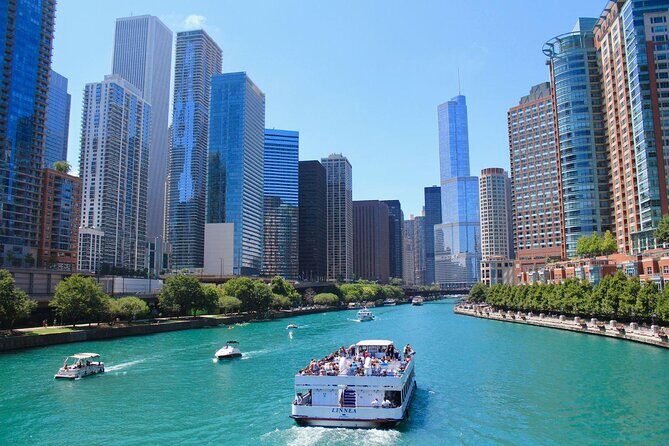
- Crossing Into the Chicago River: Luxury Storefronts and Classic Public Spaces
- The 360 Chicago Upgrade: Views from 1,030 Feet Up
- What the Guide Actually Brings (Ben, Chris, and the Art of Keeping It Fun)
- Price and Value: Why $39 Can Work (or not)
- Best For Who: First-Timers, Curious Walkers, and Gift-Bag Seekers
- Quick Practical Tips (So You Enjoy It More)
- Should You Book This Magnificent Mile Tour?
- FAQ
- How long is the Magnificent Mile Tour?
- How much does it cost?
- What time does the tour start?
- Where do I meet and where does it end?
- Is the tour offered in English?
- What’s included in the base tour?
- If I upgrade, what do I get at 360 Chicago?
- Does the 360 Chicago ticket include the TILT ride?
- Can I cancel for a full refund?
Key Points Before You Go
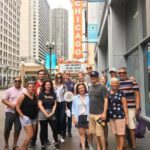
- Small group size (max 20) helps you ask questions and keep pace without feeling rushed
- Two choices in one day: guided walking tour first, optional self-guided 360 Chicago after
- Stop-by-stop architecture clues make big city buildings easier to read
- Brand-name storefronts without the shopping stress (hello, large Starbucks and luxury facades)
- Guide energy is a standout, with humor and clear explanations like Ben and Chris mentioned in feedback
Entering the Day at Federal Building Columns (and Why It Matters)
The tour starts at the Federal Building Columns on E Randolph Service St. It’s a smart way to begin because you’re already at a central “orientation” spot before you head into the lakefront and the river corridor.
You’re on a guided walking format, about 2 hours total. You’ll be moving between major areas, which is great if you’re here for the first time and want the city’s layout to click quickly.
The tour is offered in English, and it runs with a mobile ticket. You’ll also be near public transportation, which helps if you want to pair this with other plans before or after.
You can also read our reviews of more tours and experiences in Chicago.
Millennium Park to Chicago Cultural Center: Lakefront Views and Italian Details
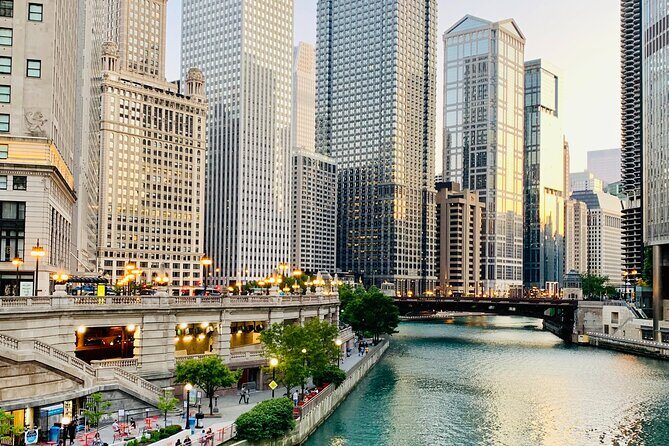
Your first stop is Millennium Park. The guide starts by meeting you at the Federal Building Columns and filling you in on the history of Chicago’s lakefront, so the area doesn’t feel random when you see it.
From there, you get a quick look at the Chicago Cultural Center nearby—specifically the Italian Renaissance style elements. This is one of those stops where you can almost “hear” how the city expresses itself through design. Even if you don’t consider yourself an architecture person, the visuals do the heavy lifting.
If you’re hoping for a long sit-down moment, don’t. This is a walking tour, so you’ll get just enough time to absorb and photograph key angles before moving on.
Riverwalk Architecture: Beaux Arts, Art Deco, and the 1920s Connection
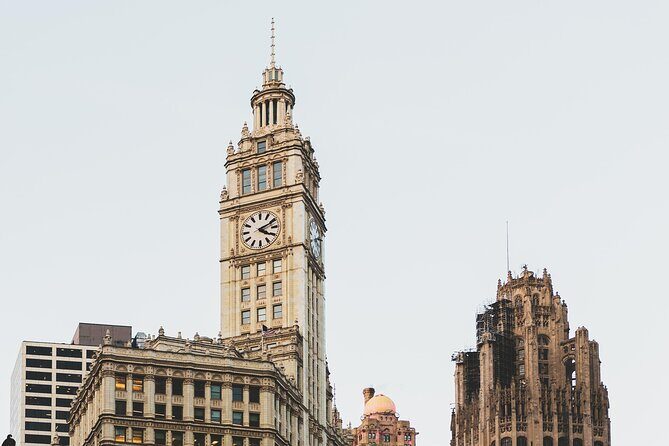
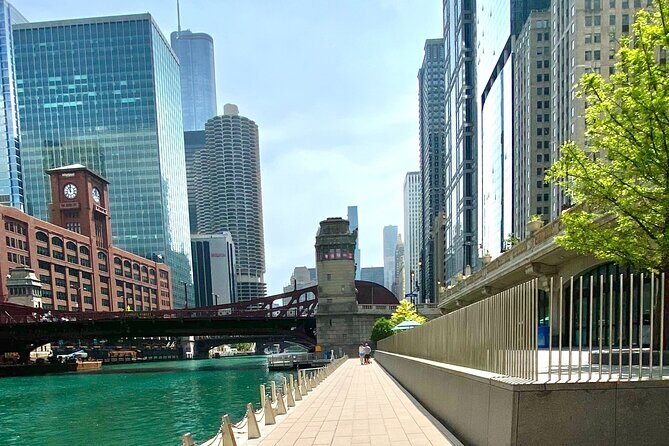
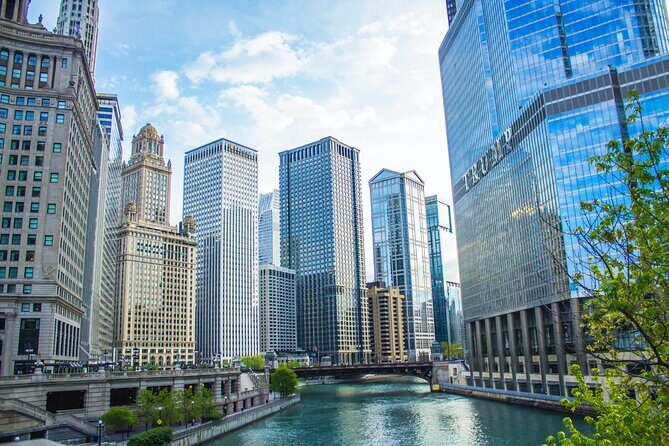
Next comes the Chicago Riverwalk, where the vibe changes from park openness to river architecture. You’ll admire the beauty of Beaux Arts and Art Deco movements along the water, and you’ll also learn how the Chicago School of Architecture shaped what you’re seeing.
A fun detail here is the way the guide links the buildings to the 1920s. Rather than listing addresses, you’ll get a mental picture of how these styles fit together in one stretch.
Practical note: bring your eyes for the façade details. The Riverwalk is one of those places where a small design feature can explain a lot about the era of the building—if someone points it out.
Magnificent Mile on Foot: Big Brands, Art Deco to Modernist
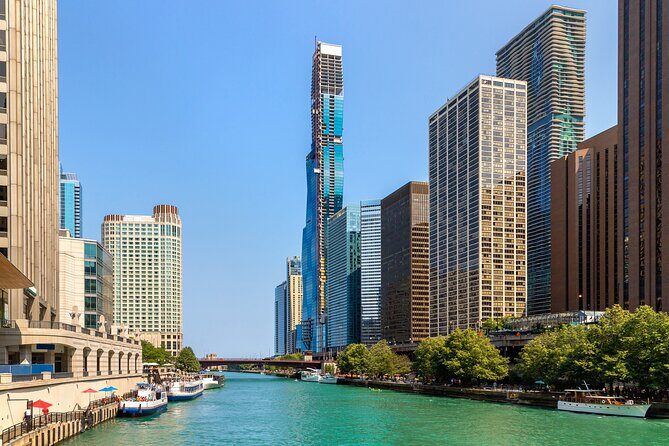
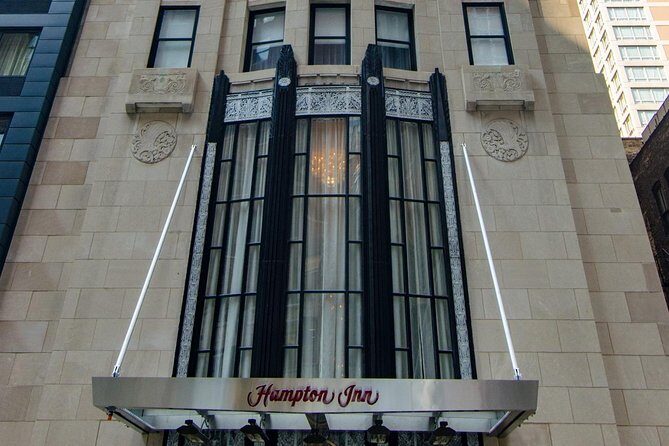
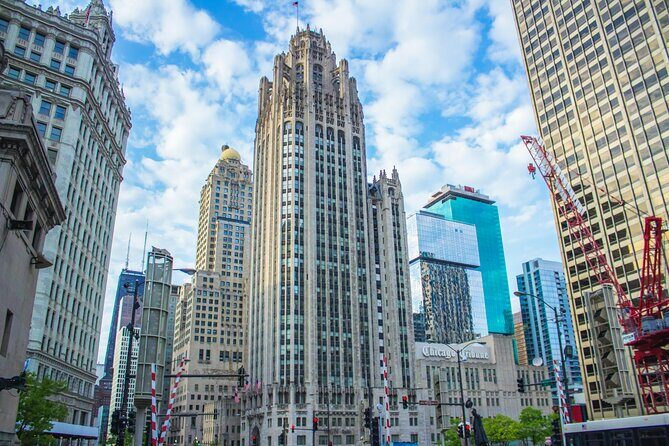
The main event is the Magnificent Mile, and the tour does a nice job of using the street as an open-air architecture guide. You’ll see major buildings and storefronts while you’re still learning how the design language shifts over time.
This is also where the tour gets fun and specific with pop-culture and retail stops. You’ll spot the world’s largest Starbucks retailer. You’ll also see Burberry’s unique façade, and the Harry Potter themed store outside Orlando—an especially memorable detour for anyone who wants a little surprise mixed into a serious architecture walk.
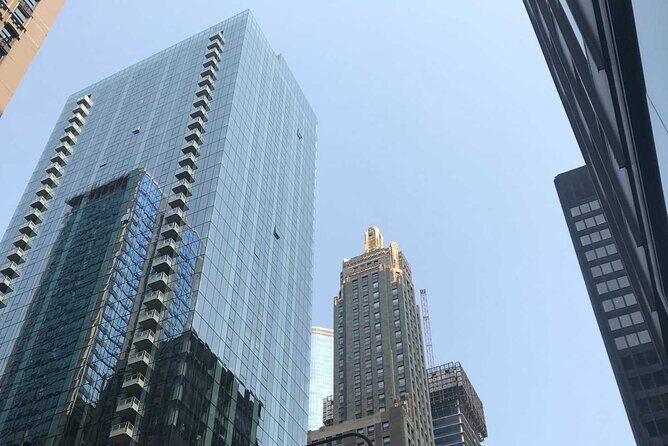
On the architecture side, you’ll be watching the evolution from Art Deco to late Modernist along the way. That’s a big deal for first-time visitors: instead of just thinking, Chicago has tall buildings, you start recognizing what era each building is speaking from.
One consideration: the Magnificent Mile is a busy shopping corridor. The guide keeps the route tight, but you’ll still be walking through a real city street with real foot traffic.
Crossing Into the Chicago River: Luxury Storefronts and Classic Public Spaces
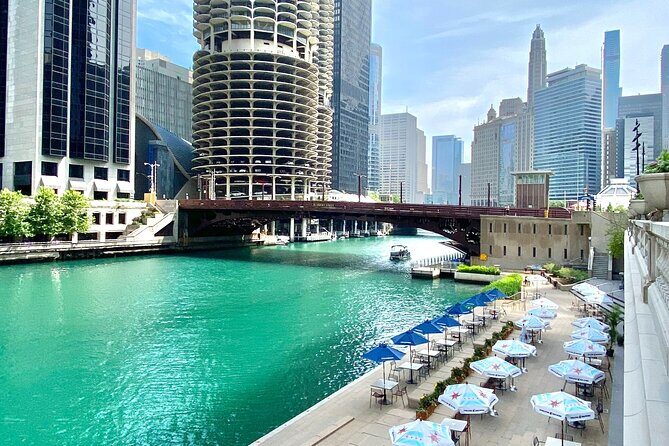
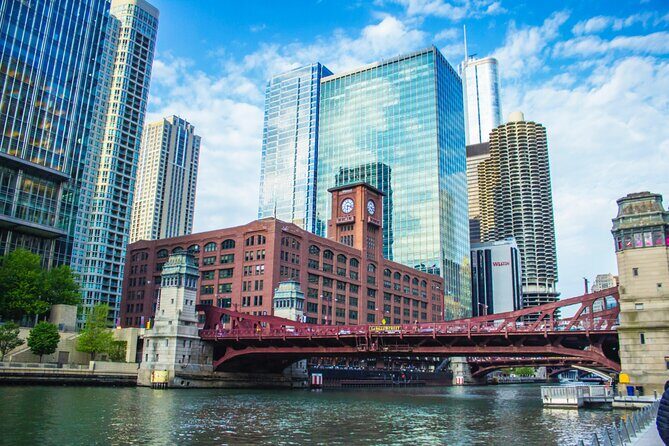
After the Magnificent Mile stretch, the tour shifts to the Chicago River area, where high-end retail and commercial entertainment sit close together. You’ll walk past storefronts associated with luxury brands like St. Laurent and Cartier.
You’ll also pass the Esquire Theater. Even if you don’t go inside, it helps anchor the street scene as more than just shopping. It’s part of Chicago’s built character—places where commerce and culture overlap.
This stop is shorter, so treat it like a visual palate cleanser. You’ll get the sense of scale and variety, then you’re ready for the big view upgrade if you chose it.


The 360 Chicago Upgrade: Views from 1,030 Feet Up
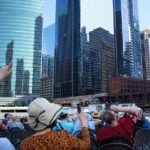
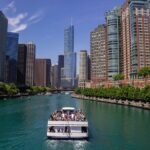
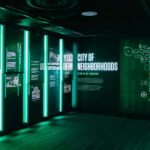
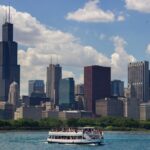
If you upgrade, your tour ends at 360 Chicago at 875 N Michigan Ave, on the 94th floor. The ticket gives you access to the observation deck, and you’ll get sweeping views of the Magnificent Mile and Lake Michigan from 1,030 feet up.
Here’s the best practical part: your 360 visit is self-guided. That means you can slow down for photos, take time at the best angles, and linger as long as you like. It turns the tour from a strict schedule into something you can shape.
Also, your 360 ticket does not include the TILT thrill ride. If you want that extra jolt, you can purchase the TILT upgrade on-site.
If you like “one guided thing + one flexible thing,” this add-on fits that style perfectly.
What the Guide Actually Brings (Ben, Chris, and the Art of Keeping It Fun)
The biggest quality signal in the feedback is guide delivery. Guides like Ben and Chris are called out for being engaging, entertaining, and quick with explanations—plus a light touch of humor.
That matters because architecture tours can turn into lectures if the pace is wrong. On this route, the guide’s job is to connect what you see to why it exists, while keeping you moving between stops.
You’ll also get help with Chicago suggestions, which is handy. A good guide doesn’t just tell you what the building is; they help you decide what’s worth your time after the tour ends.
Price and Value: Why $39 Can Work (or not)
At $39 per person, this is positioned as an easy, high-yield introduction to Michigan Avenue and nearby architecture. The base price includes the guided walking tour and access to key parts of the route, with a professional local guide.
The value gets stronger if you upgrade to 360 Chicago. Then you’re getting a second “level” of experience: street-level architecture during the walk, then a high-elevation perspective where you can connect the dots across the city.
The only time it might not be worth it is if you’re chasing only one specific attraction. This tour is not a dedicated photo campaign for every iconic name. It’s architecture-first, street-scene second, with optional skyline views layered on.
And since the tour is booked around 22 days in advance on average, it can be smart to lock in sooner—especially if you want a specific day of the week.
Best For Who: First-Timers, Curious Walkers, and Gift-Bag Seekers
This tour fits well if you want an organized way to explore Chicago’s center without planning every turn. You get a clear sequence: lakefront, river corridor, then Michigan Avenue and the river again.
It also works for locals who like architecture re-reads. The design eras and building styles give you a fresh lens, even if you’ve walked these streets before.
And if you’re traveling with friends or family who just want something fun mixed in, the large Starbucks and the Harry Potter themed store add real energy to the walk.
If you want to go slow and do deep museum-style reading at each stop, you might find the time brief. This is built for movement and broad coverage.
Quick Practical Tips (So You Enjoy It More)
Wear comfortable shoes. You’ll be walking between several landmarks and shopping corridors. Bring water, especially if you’re doing it on a warm day.
If you upgrade to 360 Chicago, plan your timing so you’re not racing to other reservations right after. Self-guided observation time is one of the main reasons the upgrade feels worth it.
Finally, set expectations: this route focuses on architectural building styles and major areas along Michigan Avenue and the river. If your must-do list includes the Bean as the main attraction, you’ll need a separate plan.
Should You Book This Magnificent Mile Tour?
Book it if you want a structured, fun route that teaches you how to read Chicago’s architecture while you walk the most famous stretch of Michigan Avenue. The guide-led storytelling plus the option to see the city from 1,030 feet up is a strong combo for the price.
Skip it (or add a separate stop) if your priority is a single specific photo location rather than architectural context. This isn’t built around a Bean-focused detour, and the tour time is better spent learning what makes these buildings and streets work together.
If you like guided walking tours that give you both facts and momentum, this one is an easy yes.
FAQ
How long is the Magnificent Mile Tour?
The tour is about 2 hours (approx.).
How much does it cost?
The price is $39.00 per person.
What time does the tour start?
The start time is 10:00 am.
Where do I meet and where does it end?
You meet at the Federal Building Columns, E Randolph Service St, Chicago, IL 60601, and the tour ends at 360 Chicago, 875 N Michigan Ave (94th floor), Chicago, IL 60611.
Is the tour offered in English?
Yes, it is offered in English.
What’s included in the base tour?
You get a guided walking tour of Michigan Avenue, visits to areas such as Rush Street and Millennium Park, and a professional local guide.
If I upgrade, what do I get at 360 Chicago?
If you upgrade, you’ll receive a 360 Chicago observation deck ticket for self-guided time. The views include the Magnificent Mile and Lake Michigan, and you’ll be 1,030 feet up.
Does the 360 Chicago ticket include the TILT ride?
No. The 360 Chicago ticket does not include TILT. You can purchase the TILT upgrade on-site if you want it.
Can I cancel for a full refund?
Yes. You can cancel up to 24 hours in advance for a full refund, and the cut-off is based on the experience’s local time.