REVIEW · MUSEUMS
American Writers Museum Admission Ticket
Book on Viator →Operated by American Writers Museum · Bookable on Viator
Writers love this place. The American Writers Museum turns American literature into hands-on experiences, with interactive exhibits and public vintage typewriters that make the craft feel real, not schoolbook. One possible catch: it’s a compact museum packed with ideas, so if you prefer slow, airy pacing, you may feel a bit overwhelmed.
I like that you can plan it cleanly: pick your entry time, use a mobile ticket, and stay for roughly 1 to 5 hours. The price is $16 per person, and the museum also includes complimentary guided tours at 3pm each day it’s open, plus a free bookmark gift. If you’re someone who likes structure, those timed pieces help you get value fast.
In This Review
- Key highlights you’ll feel right away
- American Writers Museum Admission Ticket: What You’re Really Paying For
- Booking Your Timed Entry Without Overthinking It
- Your First Room: Writers Hall and the City’s Literary Map
- A Nation of Writers: How Voice Changes Across Genres
- The Mind of a Writer: Games and Interactive Creativity
- Wintrust Chicago Gallery: Local Connections You Can Actually Feel
- Meijer Gallery Temporary Exhibit: My America and Today’s Writers
- The Roberta Rubin Writer’s Room: Tools of the Trade
- The 3pm Complimentary Guided Tour: When It’s Worth Joining
- How Long Should You Spend Inside? 1, 3, or 5 Hours
- What Kind of Traveler Will Enjoy This Most
- Accessibility and Comfort Details That Matter
- Should You Book the American Writers Museum Admission Ticket?
- FAQ
- How much is the American Writers Museum admission ticket?
- How long does the visit take?
- Is the ticket mobile?
- Are guided tours included?
- Is parking included with the ticket?
- Do tickets expire?
- Are there any discounts for students?
- What is the cancellation policy?
Key highlights you’ll feel right away
- Timed entry that fits your schedule, with about 1 to 5 hours to explore
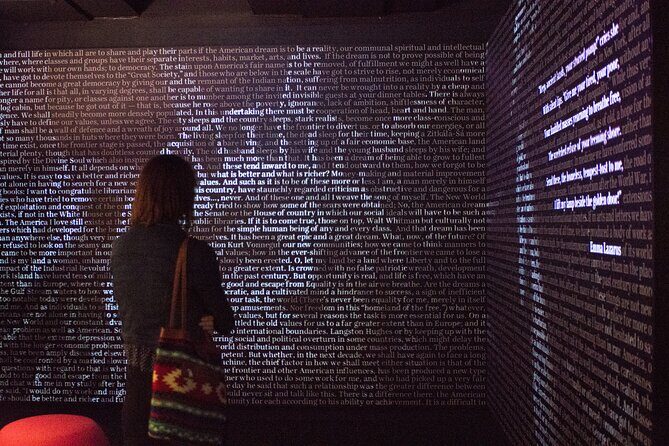
- A hands-on Writers Hall focused on authors’ hometowns and affiliate homes
- The Mind of a Writer area built for creativity through games and immersive prompts
- A working writers-room theme at The Tools of the Trade in the Roberta Rubin Writer’s Room
- Temporaries in the Meijer Gallery, including My America: Immigrant and Refugee Writers Today
- Small-group guided tours (complimentary at 3pm) with a maximum of 50 travelers
American Writers Museum Admission Ticket: What You’re Really Paying For
At $16 per person, this ticket isn’t just a ticket to read labels. It’s a ticket to understand how writers shape voice, craft, and culture—then try it yourself. That matters, because lots of museum experiences stop at information. This one aims for participation.
You’ll also get some easy planning value. You choose an entry time and how long you want to stay (roughly 1 to 5 hours). Since the ticket is mobile, you can keep your logistics simple once you’re in Chicago. And with an average rating of 4.9/5 and a strong 97% recommendation rate, it’s safe to say this museum hits its target audience.
The museum is also limited in group size (maximum 50 travelers). That’s a good sign if you don’t want to feel swallowed by a crowd while trying interactive stations.
You can also read our reviews of more tours and experiences in Chicago



Booking Your Timed Entry Without Overthinking It
This is the type of attraction I recommend booking ahead, even though it’s flexible. On average, this museum is booked about 17 days in advance, which tells me plenty of people are planning their Chicago days intentionally.
Here’s how to think about timing:
- If you want the most “guided” feel, aim for the complimentary guided tours at 3pm (offered daily when the museum is open).
- If you want more freedom, choose any entry time that works for your day and build your own flow through the galleries.
Two practical notes that help you avoid friction:
- Parking is not included, so plan on public transit or walk-friendly routing.
- Tickets are valid for a year from the original date, which is useful if your trip dates shift.
If you like simple museum days (arrive, follow a route, stop where something grabs you), this ticket fits that style. If you need quiet beyond quiet, you might pick an off-peak time for a more relaxed pace.
Your First Room: Writers Hall and the City’s Literary Map

Your visit typically starts in Writers Hall, where the focus is on writers’ hometowns and the museum’s Affiliate homes. This is a smart way to begin, because it grounds big ideas—American literature, genre, voice—in real places and real origin stories.
You’ll see how writers are connected across geography and time. The museum also frames American writing as something wider than famous book titles. It stretches across mediums and categories, so you’ll encounter the sense that voice can show up in many forms, not just novels.
Why this section is valuable: it shifts you from passive reading to pattern spotting. You start asking questions like:
- What places shaped these people?
- How do communities and identities show up in writing?
- What counts as “an American voice” across eras?
If you’re the type who gets energized by seeing connections, you’ll get a lot out of this early orientation.
A Nation of Writers: How Voice Changes Across Genres
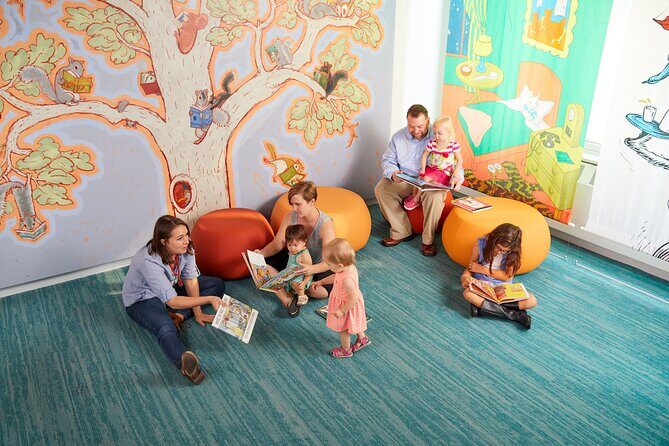
After Writers Hall, you’ll move through A Nation of Writers, where the museum celebrates authors emblematic of a unique American voice across history and genre. One of the best parts here is the breadth. You’re not asked to care about only one kind of writing.
This is also where the museum uses an expansive idea of American writing, reaching from poets to sportswriters. That matters because it gives you permission to take writing seriously even when your tastes aren’t “classic literature” only.
If you like museums that teach you how to look, this section sets up a framework. It helps you read the rest of the experience with sharper eyes: you’re not just collecting facts—you’re seeing how craft and identity travel together.
The Mind of a Writer: Games and Interactive Creativity
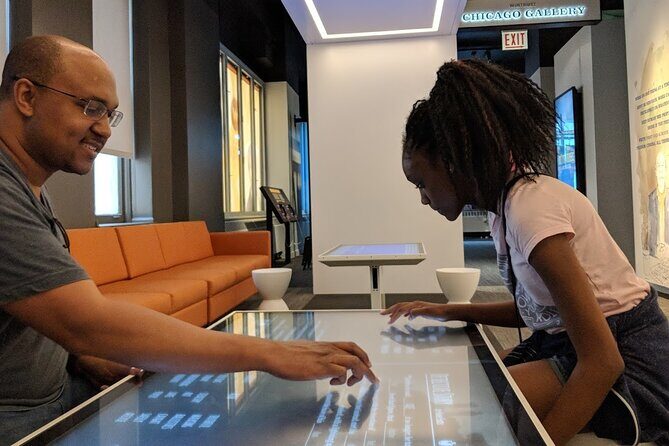
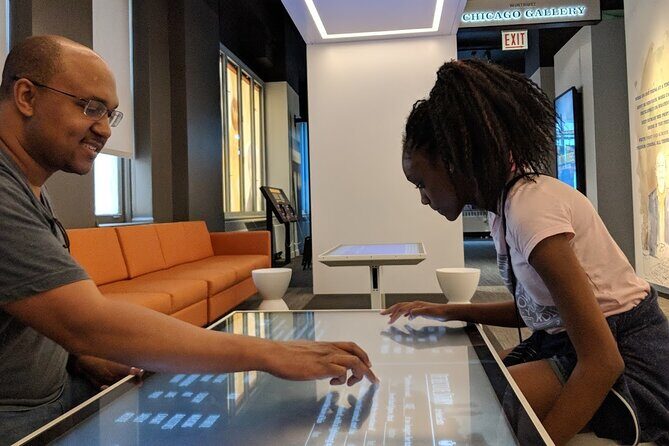
The Mind of a Writer is where things get practical in a different way. The museum uses interactive offerings—games and immersive elements—to demystify how famous writers work and think.
This is a good stop if you’ve ever found writing advice too abstract. Here, you’ll have prompts that nudge you into creativity rather than just observing it. Even if you don’t consider yourself a writer, you’ll likely enjoy the “try it” feel.
Potential drawback to keep in mind: because the museum packs a lot into a relatively compact layout, interactive sections can feel like information overload if you hit them back-to-back. Pace yourself. Give your brain a breather between stations.
You can also read our reviews of more museum experiences in Chicago






Wintrust Chicago Gallery: Local Connections You Can Actually Feel
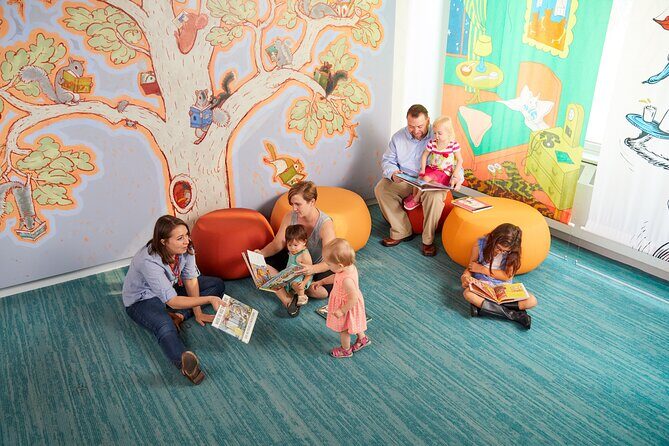
The Wintrust Chicago Gallery brings the focus closer to home by highlighting writers, literary influencers, characters, and groups that shaped Chicago’s literary tradition.
I like this kind of gallery because it does more than list Chicago names. It ties writing to a sense of place and community, which makes it feel less like trivia and more like cultural history you can understand quickly.
If you’re visiting Chicago for the first time, this is also a nice bridge. You get context for why the city produces certain kinds of voices. And if you already know some Chicago literature, you’ll probably enjoy seeing which threads the museum emphasizes.
Meijer Gallery Temporary Exhibit: My America and Today’s Writers
In the Meijer Gallery, you’ll find the temporary exhibit My America: Immigrant and Refugee Writers Today. This part focuses on contemporary writing by immigrants through different themes.
Temporary exhibits can be hit-or-miss in some museums. Here, the theme matters because it connects writing to lived experience and modern identity. You’re not just reading the past; you’re seeing how writers contribute to conversations that are happening now.
If you want a visit that feels emotionally current (without turning into a debate museum), this is one of the sections I’d prioritize. It also pairs well with the museum’s “American voice” idea from earlier galleries, because you can compare how voice shows up across time.
The Roberta Rubin Writer’s Room: Tools of the Trade
Now for one of the most fun parts of the ticket: The Tools of the Trade in the Roberta Rubin Writer’s Room. This exhibit centers on the tools used by famous American writers through history, from Frederick Douglass to Helen Keller to Maya Angelou.
This room turns writing into something tangible. Instead of treating writing as a mysterious gift, the museum shows it as a craft with methods, habits, and tools. You start thinking about process: how a writer gathers ideas, forms sentences, and returns to revise.
You may also encounter vintage typewriters that are available for public use. That’s a standout from visitor feedback because it gives you a physical sense of how writing once worked. Even if you only spend a few minutes there, it’s the kind of interaction that makes the museum memorable.
If you love “how it’s made” topics—whether it’s photography, cooking, or music—this writers-room area will likely click for you.
The 3pm Complimentary Guided Tour: When It’s Worth Joining
One of the best ways to get value here is to align your visit with the complimentary guided tours at 3pm daily when the museum is open. Since these tours are included with admission, you’re not paying extra to understand what you’re seeing.
I see guided tours as a tool, not a requirement. If you join, you’ll likely get clearer navigation through themes and exhibit goals. If you skip, you can still make sense of everything at your own pace—but the 3pm tour gives you a shortcut to what the museum wants you to notice.
Because the museum caps the experience at a maximum of 50 travelers, the tour should feel manageable. That’s important for interactive places, where you want time to look and participate, not just listen and rush.
How Long Should You Spend Inside? 1, 3, or 5 Hours
The museum’s visit window is about 1 to 5 hours, which is useful because it supports different travel styles. Here’s a practical way to choose.
If you have about 1 hour:
Focus on the “big idea” galleries—Writers Hall, A Nation of Writers—and spend your time in the interactive area that interests you most. Add The Tools of the Trade if you’re short on time. Skip the temporary exhibit only if you must.
If you have about 3 hours:
This is the sweet spot. You’ll have time for the themed galleries plus a slower pass through interactive stops and the writers-room tools. You can also pause longer at the Wintrust Chicago Gallery for context.
If you have about 5 hours:
Use the extra time to go deeper where something grabs you. Spend more time at hands-on stations, and linger longer over the temporary exhibit’s themes. This is also a good length if you’re traveling with kids or with a writing hobbyist who wants to try everything.
Since the museum can feel information-dense, longer doesn’t always mean better. Aim for quality pauses, not marathon speed.
What Kind of Traveler Will Enjoy This Most
This ticket fits best if you like museums that do more than display. You’ll probably enjoy it if you:
- love literature but want a museum experience that feels hands-on
- enjoy Chicago culture and want a connection to local literary tradition
- like interactive exhibits and physical objects (like typewriters and writing tools)
- want to learn about American writing as a living thing across genres and voices
It may feel less ideal if you prefer quiet, minimal displays with lots of open space. Because the content is packed, you may find you want extra pacing or you might prefer shorter visits.
Also, it can be a very nice stop for people who like creative prompts. The games and interactive “Mind of a Writer” format makes it easier to engage even if you’re not a lifelong literature reader.
Accessibility and Comfort Details That Matter
This museum is set up to be more navigable than many smaller venues. You’ll find button activated doors at the building entrance, elevator access to the second floor, and restrooms including a large gender-neutral family restroom with wide stalls and grab bars. Service animals are allowed too.
There’s also a good “planning clarity” piece: most travelers can participate, so you won’t be guessing about whether parts of the museum are reachable.
Should You Book the American Writers Museum Admission Ticket?
I’d book it if you want a Chicago experience that’s both educational and hands-on without feeling like a textbook. At $16, the included guided tour at 3pm and the interactive writers-room approach help the ticket feel like more than a simple entry fee.
If you’re the type who likes to try something—type on a vintage machine, play with creative prompts, and see how writing tools shape process—this is a strong match. And if your schedule is busy, the timed entry and ticket validity for a year give you a cushion.
If you’re someone who needs a slow, low-stimulation museum day, plan a shorter visit and start with the galleries that feel most relevant to you. Pick a focus, then let the rest be bonus.
FAQ
How much is the American Writers Museum admission ticket?
The ticket price is $16.00 per person.
How long does the visit take?
Your visit typically lasts about 1 to 5 hours.
Is the ticket mobile?
Yes, this experience uses a mobile ticket.
Are guided tours included?
Yes. Complimentary guided tours are available at 3pm daily when the museum is open.
Is parking included with the ticket?
No, parking is not included.
Do tickets expire?
Tickets are good for a year from the original date.
Are there any discounts for students?
Students qualify for the senior rate and must present a valid student ID upon arrival.
What is the cancellation policy?
You can cancel for a full refund up to 24 hours in advance of the experience’s start time. If you cancel less than 24 hours before, the amount paid will not be refunded.