REVIEW · WORKSHOPS
Exclusive Sushi-Making Class in Chicago (Includes 3-Course Meal)
Book on Viator →Operated by Cozymeal Cooking Classes · Bookable on Viator
Sushi night, but you’re the chef. This small-group sushi-making class in Chicago teaches you the key moves for rolling and seasoning, then puts your skills to work on a 3-course meal. I love the maximum 8-guest size (you get real attention), and I also like how the chef coaching is geared to your comfort level, even if sushi rolls are new to you.
One thing to plan for: it’s BYOB, so drinks like wine or beer aren’t included. If you’re used to classes that handle everything, remember to bring your own.
In This Review
- Key Highlights You’ll Notice Fast
- A Tiny Sushi Class in Chicago Where You Learn by Doing
- Your Menu: Spicy Ahi-Tuna Roll, Shrimp Tempura Roll, Tōgarashi Fruit
- Course 1: Spicy Ahi-Tuna Roll
- Course 2: Shrimp Tempura Roll
- Dessert: Tropical Fruit with Tōgarashi and Honey
- The Real Itinerary: From Knife Skills to Rolling, One Step at a Time
- Step 1: Settle in and learn the technique you’ll use
- Step 2: Build and roll the Spicy Ahi-Tuna
- Step 3: Roll the Shrimp Tempura with crispy-care discipline
- Step 4: Finish with tōgarashi fruit and a sweet-spicy ending
- Chef Coaching Makes This Feel Like a Class, Not a Performance
- Price and Value: Why $125 Can Make Sense Here
- Timing and Logistics: What You Should Know Before 6:30 pm
- Who Should Book This Sushi-Making Class?
- Dietary Needs: How Flexible Is This?
- Should You Book This Cozymeal Sushi-Making Class in Chicago?
- FAQ
- How long is the sushi-making class?
- What is the group size?
- Where does the class meet in Chicago?
- What time does it start?
- What do you make and eat during the class?
- Is the class BYOB?
- Is the class offered in English?
- Can the class accommodate dietary needs?
- Is there a mobile ticket?
- Are service animals allowed?
- Is the experience refundable or changeable?
Key Highlights You’ll Notice Fast
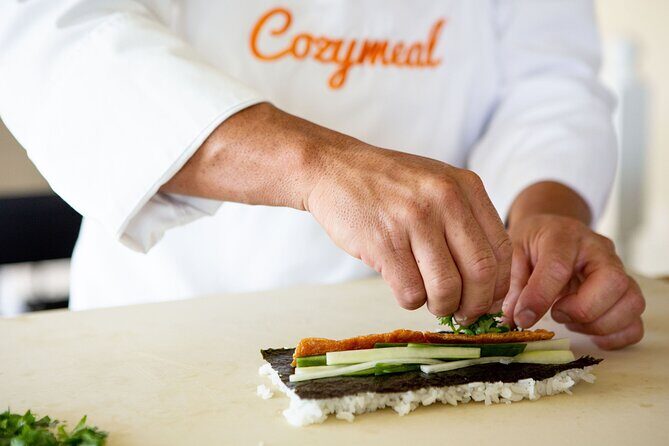
- Chef-led knife skills and rolling technique that help you build sushi you can actually repeat
- A real 3-course structure: spicy ahi-tuna roll, shrimp tempura roll, and a sweet-spicy tōgarashi fruit dessert
- Max 8 people for hands-on guidance instead of watching from the sidelines
- Chef Kumi-style teaching that keeps things easy to follow and interactive
- BYOB-friendly so you can turn it into a relaxed date-night vibe
- Dietary needs can be considered if you message ahead about restrictions
A Tiny Sushi Class in Chicago Where You Learn by Doing
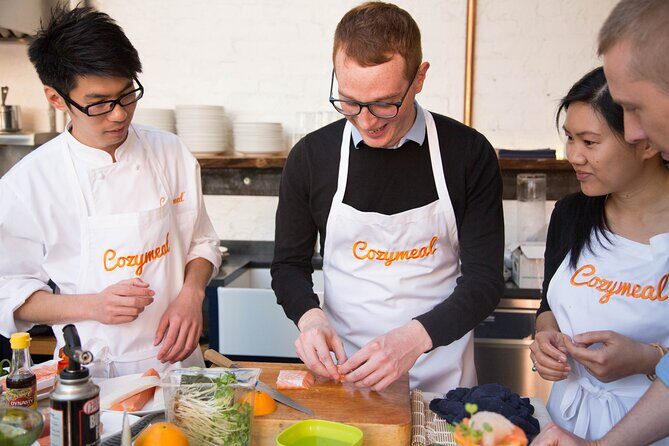
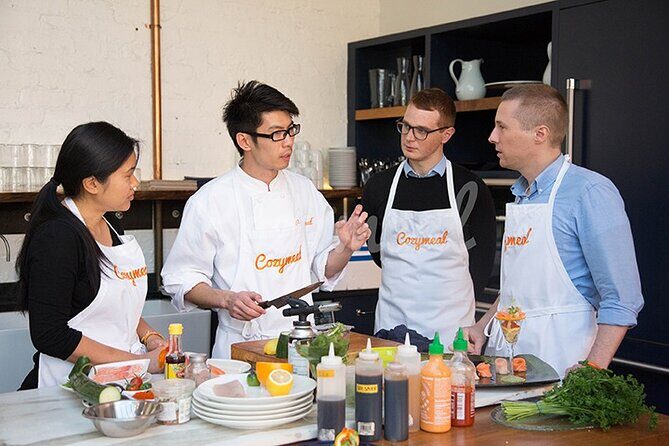
This is the kind of sushi-making experience that works because it stays small. With a maximum of 8 travelers, the chef can slow down when you need it, correct hand positions, and explain why certain techniques matter. That’s a big deal, because sushi is one of those foods where small details make the difference between a roll that holds together and one that turns into a rice-and-filling situation.
The venue is cozy and made for hands-on cooking. You’re not just learning recipes; you’re learning process. You’ll work with tools, handle ingredients, and practice the motions that create clean edges, even rice distribution, and a roll that looks good even before you taste it.
You’ll also feel the date-night energy. One of the strongest themes from the experience is how fun and interactive it stays, not stiff or lecture-heavy. And when the chef checks in with your skill level, it reduces the common panic of trying something technical in front of strangers.
Possible drawback to consider: you might want a drink plan. Since it’s BYOB, show up ready to bring wine or beer if you’re hoping to sip during the class.
You can also read our reviews of more tours and experiences in Chicago



Your Menu: Spicy Ahi-Tuna Roll, Shrimp Tempura Roll, Tōgarashi Fruit
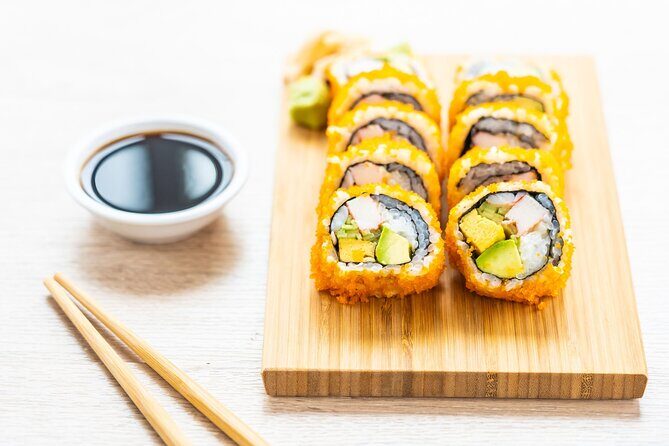
The menu is simple on paper and more interesting in execution. You’ll make two sushi rolls and a dessert, which means you’ll get practice across different textures: creamy, crispy, and sweet-spicy.
Course 1: Spicy Ahi-Tuna Roll
This first roll starts with fresh ahi tuna and builds heat and depth with spicy aioli. It’s also flavored with oyster sauce plus a mix of cucumber, scallions, and avocado for that creamy crunch-and-fresh balance. Then you roll it—properly—so you get a neat slice, not a messy stack.
What I like about starting here: it’s a great way to learn rolling fundamentals while the filling stays relatively manageable. You’re learning how to spread and shape, while still tasting something that feels classic and satisfying.
Course 2: Shrimp Tempura Roll
Next comes the shrimp tempura roll, where the cooking challenge shifts a bit. You’ll work with crispy shrimp tempura paired with jalapeño and cucumber, finished with a drizzle of miso aioli. That means you’re coordinating crunchy texture with a sauce that needs to be used thoughtfully so it doesn’t swamp the roll.
This course is where you learn how to handle contrast—crisp inside, fresh outside. If your first roll feels a little loose, this second one is your chance to tighten up your technique and get more confident.
Dessert: Tropical Fruit with Tōgarashi and Honey
Then you end sweet and spicy. You’ll get tropical fruit, seasoned with tōgarashi and drizzled with honey. It’s not just dessert; it’s a palate reset that also mirrors the sushi theme: bold flavor combinations that aren’t purely sweet.
The best part is that dessert helps you wrap your brain around Japanese-inspired balance—heat plus sweetness—without needing any complex plating. You finish feeling like you completed a full meal, not just a cooking workshop.






The Real Itinerary: From Knife Skills to Rolling, One Step at a Time
Even though the class is about sushi, it’s structured like a skill-building session. The flow usually goes from basics to practice to meal time.
Step 1: Settle in and learn the technique you’ll use
You start at the meeting point at 2316 S Leavitt St apt 3, and the chef helps you get oriented. Since this is offered in English, you can ask direct questions and get clear instructions without guessing.
You’ll get guidance on knife skills and rolling methods. Knife work matters because sushi prep isn’t only about cutting food—it’s about precision. The way you handle ingredients affects texture, bite, and even how clean your roll slices look.
Step 2: Build and roll the Spicy Ahi-Tuna
Then you move into making the first roll. Expect instruction on how to distribute ingredients and roll without overstuffing. This is where the small group size really earns its keep. When people are working at different speeds, you need hands-on corrections, not general advice.
If you’re nervous about sushi technique, this part tends to be the confidence builder. The chef can slow you down, show the motions, and adjust how you’re gripping and rolling so you feel in control.
Potential consideration: if you’re brand-new to rolling, don’t worry about perfection on roll number one. The point is to practice the fundamentals and adjust fast.
Step 3: Roll the Shrimp Tempura with crispy-care discipline
After the first roll, the pace typically feels like it picks up—because you’re applying the same rolling fundamentals to a different filling. Shrimp tempura can be less forgiving if you treat it casually, since it’s meant to stay crisp.
You’ll learn how to balance filling amount and sauce drizzle. Using miso aioli in the right way keeps the roll flavorful without turning it soggy. That’s a practical lesson you can carry into cooking at home.
Step 4: Finish with tōgarashi fruit and a sweet-spicy ending
Dessert is the lightest part, but it’s still part of the teaching. You’ll learn how tōgarashi works as a spice touch, not as a “make it hot” tool. Combined with honey and fruit, it’s a reminder that Japanese-inspired flavor often comes down to balance.
Once you’ve made everything, you eat what you prepared. That matters more than people think. Cooking classes can feel abstract if you don’t get to taste your results. Here, the meal is the proof of the technique.
Chef Coaching Makes This Feel Like a Class, Not a Performance
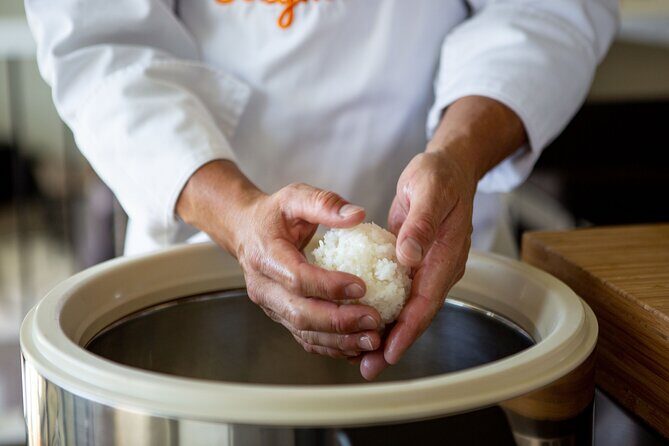
One of the most praised parts of this experience is the teaching style. The chef keeps things interactive and fun, while still giving you clear step-by-step guidance. If you’re the type who learns faster by doing (most people do), you’ll probably like how the chef works with your skill set rather than treating everyone the same.
Chef Kumi is specifically mentioned as a standout, with a welcoming approach and instructions that make the process easier to follow. That lines up with the overall goal: you should leave feeling proud of what you created, not just entertained.
Another strength is that the class gives you practical kitchen skills beyond sushi. You’ll likely pick up everyday habits: knife basics, how to manage textures, and how to think about assembling flavors rather than only copying a recipe.
Price and Value: Why $125 Can Make Sense Here
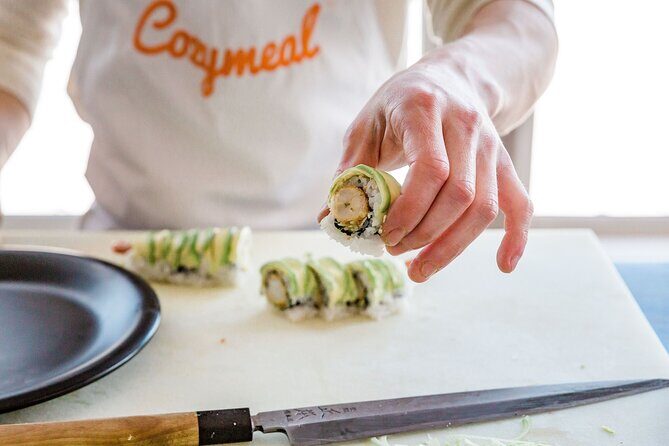
At $125 per person for an experience that runs around two hours, you’re paying for three things: the chef’s time, hands-on coaching, and ingredients that become a full meal.
Here’s how the value adds up for your decision:
- You’re not just watching. With a group capped at 8, you get direct instruction and corrections. That’s a big factor in why the class can feel worth it even though it’s not long.
- You make a complete 3-course meal: two rolls plus dessert. That’s more than many classes that stop after one dish.
- BYOB can make the evening feel more complete. If you bring wine or beer, you effectively extend the experience without paying extra for drinks through the organizer.
When it’s worth it most: if you want to learn sushi technique you can repeat, especially as a couple or small group outing. If your goal is only to taste sushi, you might find cheaper ways to eat in Chicago. But if you want the skills, the price is easier to justify.
Timing and Logistics: What You Should Know Before 6:30 pm
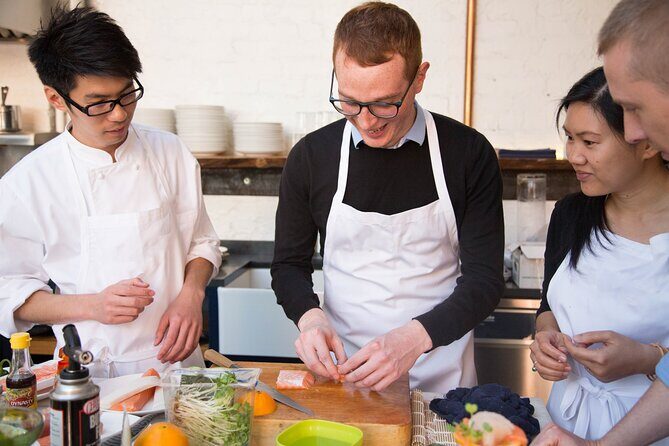
The class starts at 6:30 pm and ends back at the meeting point. The listed location is 2316 S Leavitt St apt 3, Chicago, IL 60608.
That start time is great for a dinner plan that feels special but still manageable. You can treat the class as your main evening activity: show up, cook, eat, and then head out after.
A small-but-real detail: it uses a mobile ticket. So bring your phone and make sure you have offline access or good battery. Nothing slows down the vibe like scrambling at check-in.
Who Should Book This Sushi-Making Class?
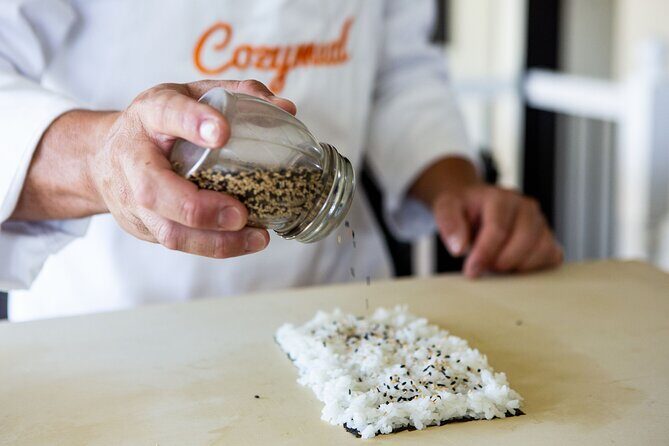
This class fits best if you’re one of these people:
- You want to learn sushi rolling and knife skills with direct feedback.
- You’re planning a date night and want something more interactive than dinner-and-a-show.
- You cook at home and like the idea of adding a new skill you can use again.
- You’re traveling with a partner and want an experience designed for small groups.
It also works for beginners. The chef approach is flexible, and the class is designed to make you comfortable. If you’re worried you’ll mess up, that’s exactly when good coaching matters.
Dietary Needs: How Flexible Is This?
This experience is designed to accommodate a variety of dietary needs. The best practical move is to let the operator know in advance so the chef can tailor the experience as much as possible to your restrictions.
What you should expect: sushi classes often use specific ingredients by default, so your options depend on what can be adjusted without breaking the teaching process. Still, the fact that dietary needs are considered ahead of time is a helpful sign, especially for visitors who don’t want to compromise completely.
If you have allergies or strict dietary limits, message early and be clear about what you need.
Should You Book This Cozymeal Sushi-Making Class in Chicago?
I think you should book if you want a hands-on sushi class where you actually learn the mechanics: knife skills, rolling technique, and how to balance flavors like spicy ahi-tuna, crispy shrimp tempura, and tōgarashi fruit with honey. The small group size (8 maximum) is the real differentiator, and the teaching style—fun, interactive, and adjusted to your comfort—makes it easier to walk out confident.
I’d skip it if you’re mainly looking for a cheap meal or you’re not interested in learning. The class is built around cooking and practicing, not just eating.
If you do book, bring a good attitude and plan for BYOB. Arrive a few minutes early, be ready to roll up your sleeves, and treat the first attempt like practice. By the second roll, you’ll likely feel your hands catching on to the pattern.
FAQ
How long is the sushi-making class?
It runs about 2 hours.
What is the group size?
The class is limited to a maximum of 8 travelers.
Where does the class meet in Chicago?
It starts at 2316 S Leavitt St apt 3, Chicago, IL 60608, USA.
What time does it start?
The start time is 6:30 pm.
What do you make and eat during the class?
You’ll prepare a spicy ahi-tuna roll, a shrimp tempura roll, and a tropical fruit dessert infused with tōgarashi and honey.
Is the class BYOB?
Yes, it’s a BYOB event, and guests are welcome to bring wine and beer.
Is the class offered in English?
Yes, it is offered in English.
Can the class accommodate dietary needs?
The experience is designed to accommodate a variety of dietary needs. Let them know in advance, and they’ll do their best to tailor the experience.
Is there a mobile ticket?
Yes, the tour uses a mobile ticket.
Are service animals allowed?
Yes, service animals are allowed.
Is the experience refundable or changeable?
No. It’s non-refundable and cannot be changed for any reason. If it’s canceled because the minimum number of travelers isn’t met, you’ll be offered a different date/experience or a full refund.