REVIEW · WALKING TOURS
Walking Tour: Chicago’s Loop – Home of the Modern Skyscraper
Book on Viator →Operated by L Stop Tours · Bookable on Viator
Chicago’s Loop is architecture you can walk into. On this small-group outing, I love how it mixes famous facades with inside access and the kind of local context that makes downtown feel personal. You’ll cover major names tied to early skyscraper ambition—then end with one of the city’s most jaw-dropping sights, the world’s largest Tiffany dome.
Two things I especially like: first, the ten-person cap, which keeps the pace friendly and questions easy; second, the mix of stops that go beyond photos, like seeing manually operated elevators at the Fine Arts Building. One thing to consider is the walking plus transit stair travel—some parts of the L train aren’t set up for elevators—so come with moderate fitness and comfortable shoes.
In This Review
- Key Things You’ll Notice on This Loop Architecture Walk
- Why The Chicago Loop Still Feels Like a Living Architecture Textbook
- Meeting at Michigan Avenue and How a 10-Person Group Changes the Feel
- Fine Arts Building: A Classic Stop That Lets You See the Stuff You Can’t Photo Well
- Harold Washington Library Center: Hidden Gems Beyond the Usual Must-See List
- Monadnock Building: When the World’s Biggest Office Idea Comes Up Close
- Marquette Building: A National Landmark With Built-In Historical Weight
- Revival Food Hall: A Quick Break Where You Can Refuel Your Walking Legs
- Quincy and the L Train Hop: Cover More Ground Without Feeling Like You’re Sprinting
- Macy’s on State Street: Architecture You Can Miss If You Only Look Straight Ahead
- Chicago Cultural Center and the World’s Largest Tiffany Dome
- Price and Value: Why $65 Can Make Sense for This Route
- Practical Tips to Make the Most of the Walk (So You Enjoy It, Not Just Survive It)
- Who This Tour Fits Best
- Should You Book This Chicago Loop Architecture Tour?
- FAQ
- How long is the Chicago Loop architecture walking tour?
- What is the starting time and where do we meet?
- Is the group size small?
- Does the price include transit and the guide?
- Are interior attractions included or do I need to pay separately?
- Is food included?
- Do I need to be able to climb stairs?
Key Things You’ll Notice on This Loop Architecture Walk
- A small-group size (max 10) that keeps the tour from feeling like a crowded museum line
- Inside stops at landmark buildings, not just streetscape sightseeing
- Tom’s Chicago perspective, including stories tied to how the city grew and planned itself
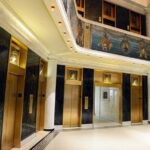
- Manually operated elevators at the Fine Arts Building, a rare hands-on look at the past
- The Tiffany dome at the Chicago Cultural Center, including why it’s such a big deal
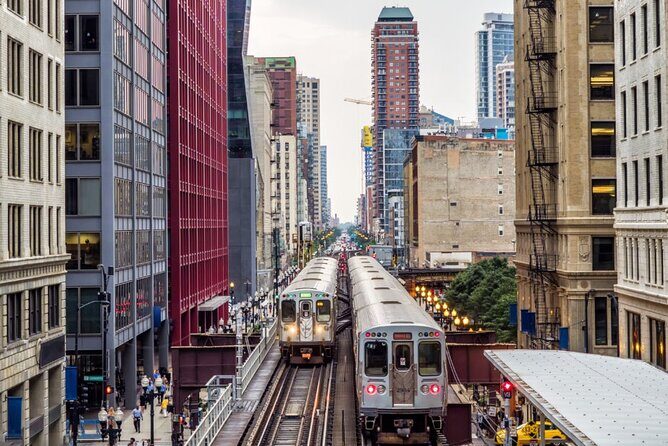
- An L train ride that breaks up the walking and helps you cover more ground quickly
Why The Chicago Loop Still Feels Like a Living Architecture Textbook
If you only see Chicago from the river or from a skyline overlook, you miss a big part of the story. The Loop is where the city basically built its résumé in stone, steel, terra-cotta, and brick—and you can trace the changes block by block. On this walk, you’re not just reading about skyscrapers. You’re moving through the spaces that were designed for offices, crowds, retail, and civic pride.
What makes the Loop especially good for a guided visit is the sheer density. You can’t “wander” your way into the right doors fast enough if you don’t know what to look for. This tour solves that problem with a tight route and a local expert who ties details to a bigger picture: early skyscraper design ideas, how downtown grew, and why certain buildings became landmarks.
And yes, you’ll still get the classic wow moments. The trick here is that the wow moments don’t come from random stops. They come from buildings that tell a clear story about Chicago’s modern identity.
You can also read our reviews of more walking tours in Chicago



Meeting at Michigan Avenue and How a 10-Person Group Changes the Feel
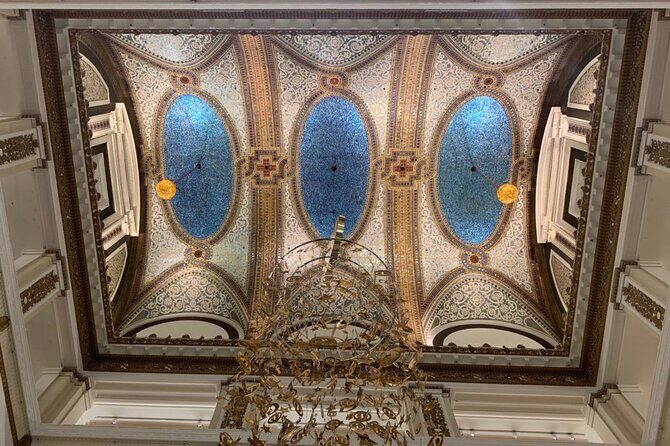
You start at the Fine Arts Building at 410 S Michigan Ave. The tour begins at 10:00 am, and it runs about 3 hours 30 minutes. You’ll have a mobile ticket, and you’ll be near public transportation—handy if you’re also hopping around town before or after.
The biggest practical difference on a small group capped at ten is time. With a bigger crowd, you get swept along and spend your brainpower on keeping up. Here, you can actually pause, look up, and ask questions when something catches your eye. That’s a big part of why the experience lands well: you get a personal flow, not a bus-rush vibe.
The guide on this tour is a lifelong Chicago resident and is often named Tom. In real terms, that shows up as pacing and attention to details—like slowing down when a feature matters, not when the schedule says it does. You’ll also have transit bits where the group can regroup, then head out again together.
Fine Arts Building: A Classic Stop That Lets You See the Stuff You Can’t Photo Well
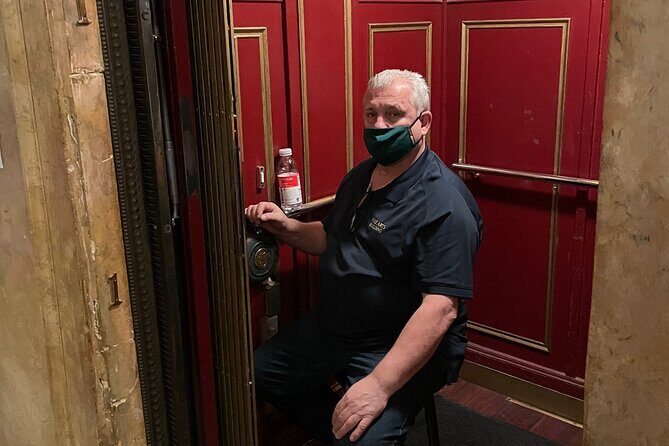
This is where the tour sets its tone. You meet in the lobby and get a guided look inside the Fine Arts Building, and you’ll spend about 30 minutes there. The highlight you’ll hear about is the presence of manually operated elevators—the kind of feature that’s hard to fully appreciate until you’re standing there seeing how it works.
Why I think this stop is worth the time: it anchors the whole “modern skyscraper” theme. Skyscrapers sound like they’re all about height, but the real change is how people move through buildings—how elevators, lobbies, and floor plans shaped daily life. That’s exactly what you get a feel for when you encounter something that’s still operating in a more old-school way.
Drawback? If you’re not into interior details and you mainly want skyline shots, you might want more outdoor viewpoints. But if you like architecture as a lived system—entry, lift, circulation—this place is a strong opener.
Harold Washington Library Center: Hidden Gems Beyond the Usual Must-See List
After the Fine Arts Building, you head to the Harold Washington Library Center for about 30 minutes. This stop is a good reminder that Chicago’s civic spaces matter as much as its office towers.
Here, the tour focuses on hidden gems and exhibits. Even if you think of libraries as quiet corners, the Loop’s library buildings show how downtown planning included culture and public learning, not just commerce. You get a chance to slow down a bit, reset your eyes, and see a different type of architecture—less about corporate ambition, more about civic purpose.
One practical note: libraries can be calmer than commercial interiors. That’s great for attention and photos without constant foot traffic, but it also means you’ll want to listen closely when the guide points out small details.
Monadnock Building: When the World’s Biggest Office Idea Comes Up Close
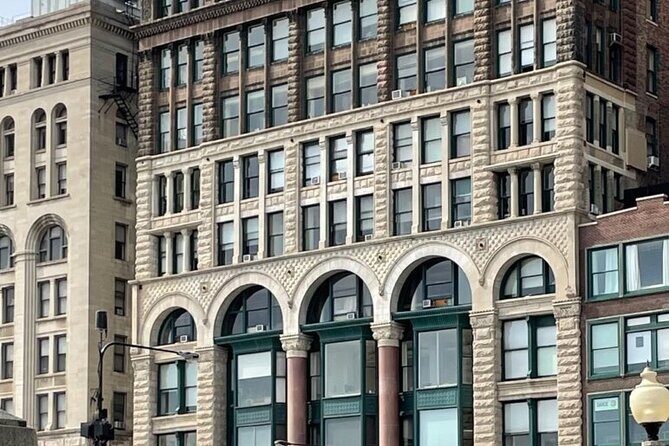
Next up is the Monadnock Building, with about 15 minutes. This is a short stop, but it’s a big-name one. You’ll learn about it as what was once considered the largest office building in the world.
That alone makes it interesting, but the deeper value is how it reflects early skyscraper thinking. In the era when building taller was new, big questions centered on economics, engineering limits, and whether rent-worthy space could justify the cost. The guide helps you connect that ambition to what you can actually observe in the building’s form.
I like quick stops like this when the guide provides context, because you leave with a mental framework instead of just a quick glance. If you prefer longer interior time, this one may feel a bit tight—but it’s still memorable.





Marquette Building: A National Landmark With Built-In Historical Weight
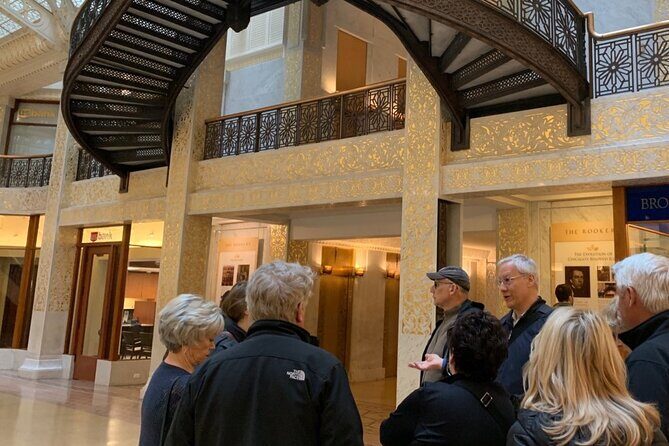
Then you move to the Marquette Building, also around 15 minutes. It’s a national landmark, and the tour focuses on its significance.
For me, the Marquette stop works because it keeps the story moving: you’re not just collecting one impressive facade after another. You’re building an understanding of how Chicago’s early skyscraper era stacked up landmark against landmark, and how downtown became a stage for big architectural statements.
If you’re the kind of person who loves having a “why this matters” explanation, this stop will land. If your style is more photo-first, use this moment to look closely at the building’s character lines and proportions—details that you can still appreciate even in a short window.
Revival Food Hall: A Quick Break Where You Can Refuel Your Walking Legs
You’ll stop at the Revival Food Hall for about 30 minutes. This is your chance to grab a snack or a drink. Refreshments aren’t included, so treat it as your on-the-ground break time.
I like including a food stop like this because it changes how you experience the rest of the tour. After a few architectural interiors, your brain starts seeking variety. A food hall is a natural shift back to real downtown life—people working, eating, moving around. Even if you keep it simple, it helps you finish the tour with energy.
Timing-wise, a longer mid-tour pause also helps if you need a restroom break or just want a moment to sit without feeling rushed.
Quincy and the L Train Hop: Cover More Ground Without Feeling Like You’re Sprinting

At about the halfway point, you board the L train at Quincy for a quick ride to the final two destinations. This part matters more than it sounds.
First, it keeps the tour efficient. The Loop is compact, but stopping to walk between certain interiors can turn into a marathon if you’re also sightseeing on your own. Second, the short transit segment gives you a clear reset: look up from your phone, check the surroundings, and then refocus when you arrive.
One consideration: the tour notes that not all train stations have elevators, so you should be ready to climb stairs at least some of the time. If stairs are tough for you, wear supportive shoes and plan your pace. This doesn’t sound like a problem for most people, but it’s a real factor for comfort.
Macy’s on State Street: Architecture You Can Miss If You Only Look Straight Ahead
The tour includes a visit to Macy’s on State Street for about 30 minutes. This is a classic Chicago stop because it’s not just shopping. The big payoff is architectural detail—specifically, the tiled dome that’s easy to miss if you’re just trying to shop your way through.
The best part of a guided visit here is that you don’t waste time hunting. The guide points out what makes it special and helps you see it from the right angles.
If you want a practical tip: once you’re inside, take a minute to look upward before you decide where to go next. The tour experience pushes you to do that, which makes the whole stop more rewarding.
Chicago Cultural Center and the World’s Largest Tiffany Dome
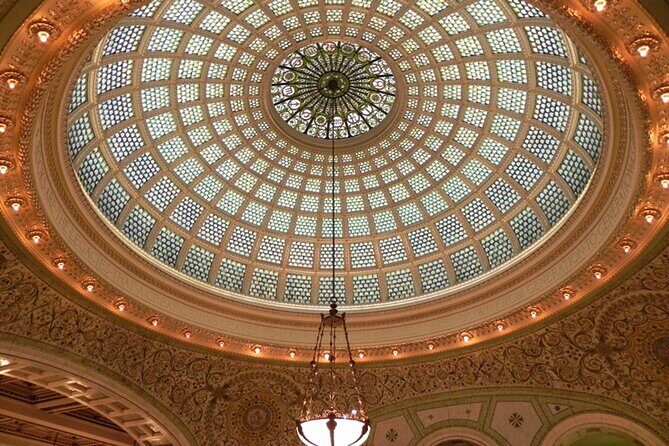
Your final major stop is the Chicago Cultural Center for about 30 minutes. This is where the tour delivers a headline moment: you’ll get a peek at the world’s largest Tiffany dome.
Even if you’ve seen photos of stained-glass style ceilings before, it’s different in person because your brain can’t “scale” the space from an image. You get a sense of size and design intent at the building scale. It also works well as a closing stop because it shifts from “early office skyscraper era” to “Chicago’s civic identity,” showing how downtown also supported art and public culture.
In other words, the tour ends where Chicago shows off. Not with a skyline stunt, but with a crafted interior feature meant for people to appreciate.
Price and Value: Why $65 Can Make Sense for This Route
The tour costs $65 per person, lasts about 3 hours 30 minutes, and includes transit tickets plus a local expert guide. Many of the building visits are marked as admission free within the tour context, which matters for value. If you tried to replicate this day solo, you’d spend time figuring out what’s worth entering, then pay separate admission and transportation costs along the way.
So how do you decide if it’s a good deal for you?
- If you want inside access and a guided explanation, the value is stronger. You’re paying for the “seeing the right things” advantage.
- If you mainly want random streets and big exterior views, you might find cheaper self-guided options. But you’d likely miss the elevator and dome-style inside details that make this tour special.
The small group also plays into value. Less crowd pressure usually means more attention to the features you came to see.
Practical Tips to Make the Most of the Walk (So You Enjoy It, Not Just Survive It)
Here’s how to set yourself up for a smooth day:
Wear shoes you don’t mind walking in for a while. The Loop is flat-ish, but the tour is still a full morning with multiple stops.
Plan for stairs. The tour notes moderate physical fitness is expected and that you should be able to climb stairs because not all L train stations have elevators.
Bring a charged phone for the mobile ticket. You’ll want that ready at check-in.
If you’re the type who likes taking photos, remember you’ll be indoors at several stops. Move slowly. Look around, then shoot. If you chase your camera first, you’ll miss the context that makes the architecture click.
Who This Tour Fits Best
This is a strong choice if you:
- Want to understand Chicago architecture instead of just collecting landmark photos
- Like small groups and a conversational pace
- Enjoy interior details, history context, and explanations tied to the real spaces
- Appreciate a guide who knows downtown life firsthand, like Tom, who’s described as personable and accommodating and who paces so you can actually enjoy the buildings
It’s also a good fit for first-timers to Chicago’s Loop because it gives you a sensible path through the city’s architectural identity without forcing you to guess what to do next.
Should You Book This Chicago Loop Architecture Tour?
I’d book it if you want the Loop’s architecture to feel connected, not random. The standout reason: you get inside stops, a tight ten-person group, and a guide who can explain the “why” behind the buildings as you move through them. If you care about the details—manual elevators, civic interiors, and dome-level craftsmanship—this tour turns a normal city walk into a focused architecture lesson.
I’d pause before booking only if stairs and transit steps are a dealbreaker for you or if you’re strictly after outdoor skyline shots. Otherwise, it’s a smart way to see downtown Chicago’s modern story in a single morning—at a price that’s fair for what’s included and for how smoothly it’s paced.
FAQ
How long is the Chicago Loop architecture walking tour?
It runs for about 3 hours 30 minutes.
What is the starting time and where do we meet?
The tour starts at 10:00 am at the Fine Arts Building, 410 S Michigan Ave, Chicago, IL 60605.
Is the group size small?
Yes. The tour has a maximum of 10 travelers.
Does the price include transit and the guide?
Yes. The tour includes transit tickets and a local expert guide.
Are interior attractions included or do I need to pay separately?
Many of the stops are listed as admission ticket free, meaning you don’t pay separate admission for those visits as part of the tour.
Is food included?
No. You can take a break at Revival Food Hall, but refreshments aren’t included in the tour price.
Do I need to be able to climb stairs?
Yes. The tour notes that not all train stations have elevators, so you should be able to climb stairs and have moderate physical fitness.