REVIEW · MUSEUMS
Illinois Holocaust Museum Experience360 Admission
Book on Viator →Operated by Illinois Holocaust Museum and Education Center · Bookable on Viator
A Holocaust Museum that teaches, with tech and heart.
This Experience360 visit hits hard in the best way, with VR survivor stories and a hologram conversation that turns history into real human voices. I also like how staff make time for questions, not just nods and exits. One heads-up: it’s emotionally intense, and it’s not recommended for kids under 12.
You’ll spend about 1 to 2 hours inside this guided-style experience, then you can slow down with the museum’s main exhibits. The museum stays open daily from 10:00 AM to 5:00 PM, and you’ll get a mobile ticket that makes entry easy. It’s priced at $12 per person, which is a strong value for a “technology + story” experience that also leads you into the museum’s broader exhibitions.
In This Review
- What You’re Really Paying For: $12 for VR, Holograms, and Full Exhibition Access
- Experience360 Stop by Stop: From Call-to-Action to Hologram Conversations
- Stop 1: Call-to-Action Gallery — Why This Museum Exists
- Stop 2: Karkomi Foundation Gallery — Big Picture, Clear Anchors
- Stop 3: Northern Trust Virtual Reality Theater — Survivor Childhood, Place by Place
- Stop 4: ITW Stories of Survival — Object. Image. Memory
- Stop 5: Holographic Conversations with Holocaust Survivors — Ask Questions, Get Human Answers
- The Museum Part After Experience360: Why Full Exhibition Access Matters
- Staff, Questions, and Real-World Human Touch
- Getting the Timing Right: How 1–2 Hours Plays in a Chicago Day
- Who This Works For (and Who Should Reconsider)
- Value Check: Is $12 a Good Deal?
- Practical Tips Before You Go
- Should You Book Experience360?
- Key Takeaways at a Glance
- FAQ
- How long does the Illinois Holocaust Museum Experience360 take?
- What does the admission include?
- What time is the museum open?
- Is the ticket mobile?
- Is it recommended for children?
- Can I cancel and get a full refund?
- Can I bring a service animal?
What You’re Really Paying For: $12 for VR, Holograms, and Full Exhibition Access
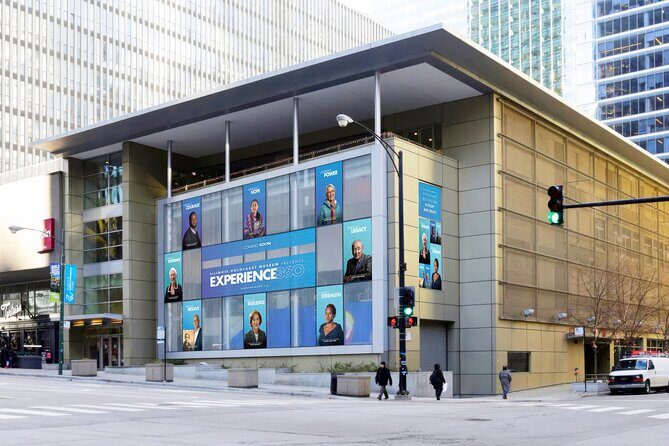
At $12, the price feels like it’s aimed at getting more people in the door, not pricing people out. For that money, you’re not just watching videos. You’re walking through purpose-built galleries, then sitting in a Virtual Reality Theater, and later engaging with holographic presentations designed to bring survivor testimony into the room with you.
You also get access to all museum exhibitions included with your admission. That matters, because the Experience360 portion is powerful, but it works best when you connect it to the museum’s wider context and artifacts afterward. If you only do the tech and skip the exhibits, you’ll miss the “why” behind the stories.
One practical point: since booking averages about 15 days in advance, plan ahead so you can pick a time that fits your day. Most people can participate, but the museum’s content is serious and you should treat it like a learning and reflection visit, not a quick stop.
Experience360 Stop by Stop: From Call-to-Action to Hologram Conversations
Experience360 is built like a guided path. Each stop sets a different emotional or intellectual “angle,” and together they help you understand what happened, what survived, and how memory gets carried forward.
You can also read our reviews of more museum experiences in Chicago



Stop 1: Call-to-Action Gallery — Why This Museum Exists
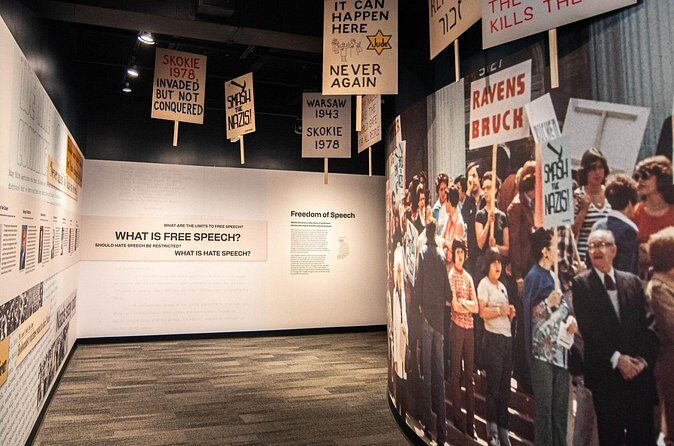
You start in the Call-to-Action Gallery, where the museum frames its mission and why it was founded in Skokie. This is the setup. It helps you understand the point of the museum before you get hit with the heavier material.
If you like clarity before emotion, this first room does that job. It helps you avoid walking in cold, which can make the rest harder to follow and harder to respect.
Stop 2: Karkomi Foundation Gallery — Big Picture, Clear Anchors
Next you move into the Karkomi Foundation Gallery for an overview of the Holocaust and World War II. This part gives structure. It matters because the rest of the experience is personal: hometowns, hiding places, objects, written memory.
Without this “timeline scaffolding,” personal stories can feel like isolated moments. With it, they click into a larger story and you can track cause and consequence more easily.
Stop 3: Northern Trust Virtual Reality Theater — Survivor Childhood, Place by Place
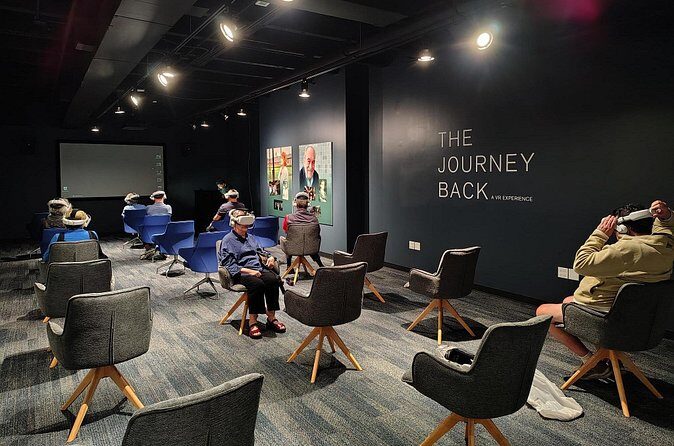
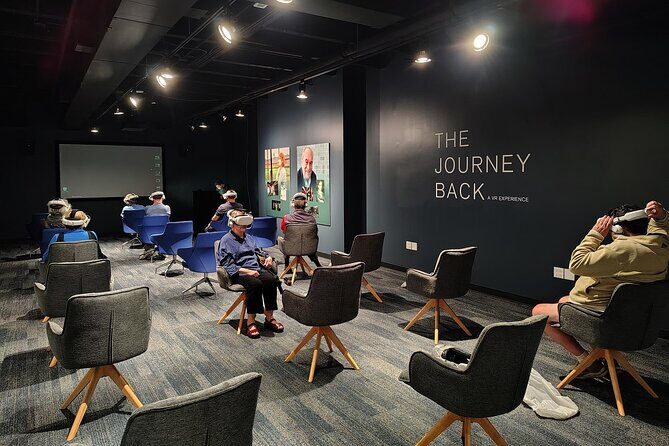
Then comes the Northern Trust Virtual Reality Theater. The focus here is accompanying survivors through childhood hometowns and places of hiding.
This is where technology earns its place. VR can easily become entertainment. Here, it’s used for learning and empathy—guided by survivor perspectives rather than general history footage. The effect is often more immediate than a standard display, because you’re seeing place through the shape of memory.
Practical note: if you’re sensitive to emotional content, know that this is the point where the visit can start to feel heavy. You don’t need to “power through” in one mood. You can pause, take a breath, and reset.
Stop 4: ITW Stories of Survival — Object. Image. Memory
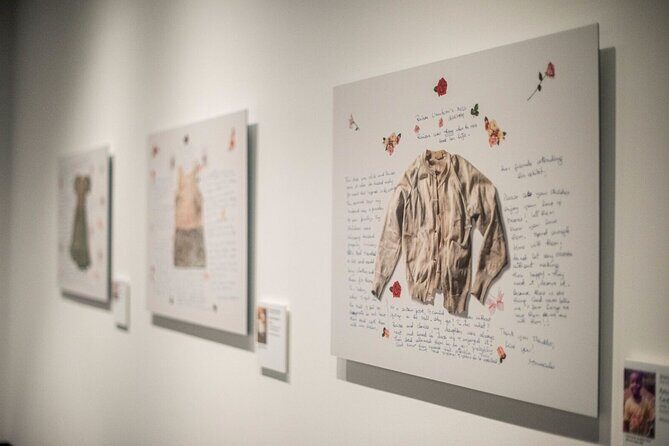
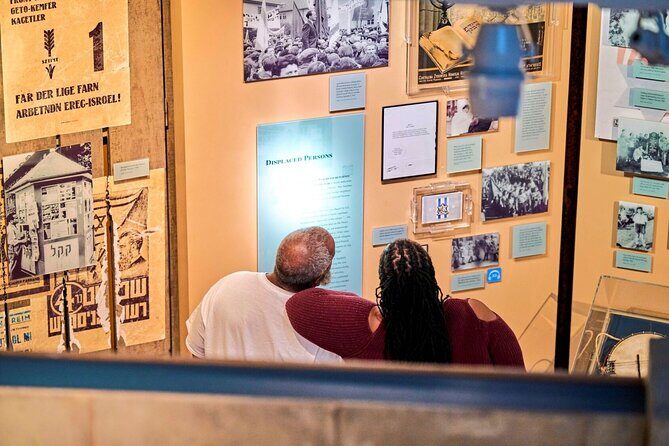
After VR, you shift into the ITW Stories of Survival: Object. Image. Memory exhibition. This section leans into how remembrance works: artifacts, images, and written testimony.
I like this section because it slows you down. VR is about real-time experience; this part is about interpretation and meaning. You’re not just absorbing facts. You’re looking at how survival gets stored, described, and passed on.
If you learn better by seeing physical items and reading testimony, this stop is likely the one you’ll want to revisit for extra time.






Stop 5: Holographic Conversations with Holocaust Survivors — Ask Questions, Get Human Answers
Finally, you reach the emotional centerpiece: interactive ‘conversations’ with Holocaust Survivors using holographic technology.
This is not a one-way presentation. You’re encouraged to ask questions. That question-and-response style is where the experience shifts from viewing history to speaking with it. In past visits, people have emphasized how much they got from the chance to ask lots of questions.
The tone can feel intimate. If you’re the type who gets quiet in museums, plan for that. It’s okay to let the message land without rushing to fill the silence.
The Museum Part After Experience360: Why Full Exhibition Access Matters
Your ticket includes access to all museum exhibitions, and that’s where you can turn what you just felt into what you can explain.
Some visitors highlight that a guided look at the main spaces can happen after the VR experience, led by staff who are friendly and ready to answer questions. You might leave VR with big feelings and a few unanswered “how did this connect to…” thoughts. The museum galleries are where those connections can get answered.
This is also where you can choose your pace. If you need to step away for a moment, you can. If you want more time with objects, you can. If you want to stick to the most personal sections, you can.
One thing to keep in mind: the museum includes a broader approach in its exhibitions. You may see information presented across multiple genocides rather than focusing only on the Holocaust. That can broaden your understanding, especially if you’re trying to grasp patterns of persecution and the importance of remembering beyond a single event.
Staff, Questions, and Real-World Human Touch
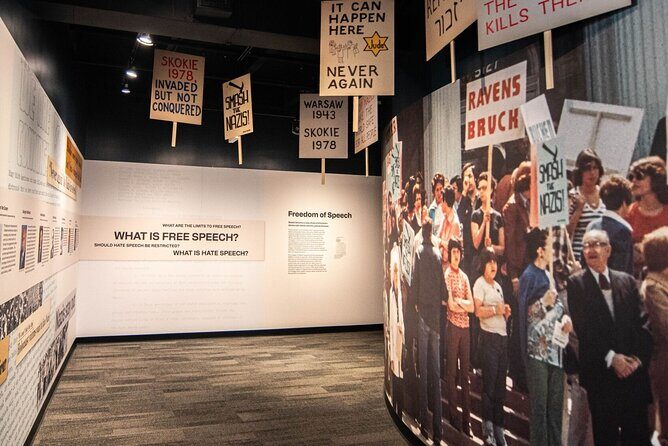
The technology is the headline, but the museum experience is also about people. Visitors consistently mention staff as approachable and willing to answer questions.
Some examples from prior visits include named guides such as Tom, plus staff members MJ and Val, who were described as informative and kind while answering questions and sharing extra context. Another memorable element is the presence of survivor storytelling through voices like Michael, a second-generation Holocaust survivor, who shared family history in a way that created a strong personal connection.
You don’t need a background in Holocaust history to enjoy this. If you are curious, ask. The experience is designed for questions, not passive watching.
And yes, bring your Kleenex if you’re the kind of person who gets moved easily. More than one visitor has suggested that you’ll want it.
Getting the Timing Right: How 1–2 Hours Plays in a Chicago Day
Plan for 1 to 2 hours for Experience360 itself. That time can stretch or shorten based on what you choose to do and how long you spend on each gallery segment.
I recommend building this into your day with some buffer. This isn’t a “stamp and run” attraction. It’s a reflective museum experience, and it helps to have a moment afterward to decompress.
If you only have a lunch-break window, you might still fit in part of it, but you’ll likely want to return. A first visit can make you realize there’s more to see than time allows.
Also, since your entry uses a mobile ticket and the visit is open daily 10:00 AM–5:00 PM, you have flexibility. Still, it’s smart to reserve ahead given the typical booking lead time.
Who This Works For (and Who Should Reconsider)
This is a strong fit if you:
- Love history that connects to real testimony
- Want VR and holograms used for learning rather than spectacle
- Like museums where you can ask questions and get thoughtful answers
- Prefer a visit that blends structured context with personal stories
It’s likely not the best fit if you:
- Want something light or casual
- Are bringing children under 12 (it’s specifically not recommended)
- Need a very low-emotion environment
Most visitors can participate, and service animals are allowed. The museum is also near public transportation, which makes it easier to combine with other Chicago plans.
Value Check: Is $12 a Good Deal?
In pure dollars, $12 is modest. But value isn’t only price. The value here is what that ticket includes:
- Access to the museum’s exhibitions
- Experience360’s tech-based storytelling (VR plus holographic conversations)
- Built-in opportunities to ask questions and get extra context
If you’re already interested in Holocaust education and you like the idea of VR and holograms used respectfully, it’s a solid deal. If you were hoping for a short, purely visual show with no museum follow-up, you might feel the time is better spent elsewhere. But if you’re the kind of traveler who wants meaning and learning, this is priced like it wants you to stay with it.
Practical Tips Before You Go
A few things will make your visit smoother and more respectful:
- Plan for strong emotions. This is not a comedy museum, even if the day is sunny outside.
- Bring a little patience. The question-and-conversation parts can slow the pace in a good way.
- If you get pulled toward artifacts and written testimony, give that section extra time after VR.
- If you’re traveling with limited time, decide early whether you want to focus mostly on Experience360 or balance it with the main exhibitions.
Should You Book Experience360?
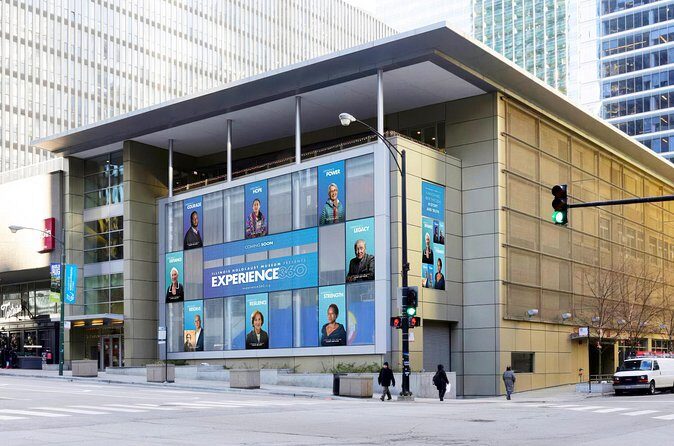
If your goal is an educational visit that uses technology to bring survivor stories forward, you should book. Experience360 is built to connect history, memory, and empathy, and the full museum access turns it from a single show into a fuller learning experience.
Book it sooner if you can. Even with mobile tickets and flexible hours, reserving ahead helps you lock in the time slot that fits your schedule.
If you’re unsure because you’re worried it will be too intense, consider your comfort level with serious topics. The content is heavy, and the emotional impact is real. That doesn’t mean you shouldn’t go. It means you should go prepared.
Key Takeaways at a Glance
VR tells survivor place-memory through childhood and hiding
Holographic conversations encourage questions, not just watching
You get full museum exhibition access with your ticket
The path starts with mission context, then moves to personal testimony
Staff support questions, and named guides like Tom (plus MJ and Val) have been highlighted by visitors
FAQ
How long does the Illinois Holocaust Museum Experience360 take?
Plan for about 1 to 2 hours, depending on how much you choose to see and do during the Experience360 portion.
What does the admission include?
The ticket includes admission to Illinois Holocaust Museum Experience360 and access to all of the museum’s exhibitions.
What time is the museum open?
The museum is open daily from 10:00 AM to 5:00 PM.
Is the ticket mobile?
Yes, you’ll use a mobile ticket.
Is it recommended for children?
It is not recommended for children under 12.
Can I cancel and get a full refund?
Yes. You can cancel up to 24 hours in advance for a full refund.
Can I bring a service animal?
Yes, service animals are allowed.