REVIEW · CHICAGO
Soul House Tour
Book on GetYourGuide →Operated by Chicago Personal Neighborhood Tour · Bookable on GetYourGuide
Homes tell stories fast. This one lets you see famous Black Chicago figures’ houses up close, then pause for photos. You’ll cover major names across decades, from political power to music and civil rights, all in a 2-hour loop with a live guide.
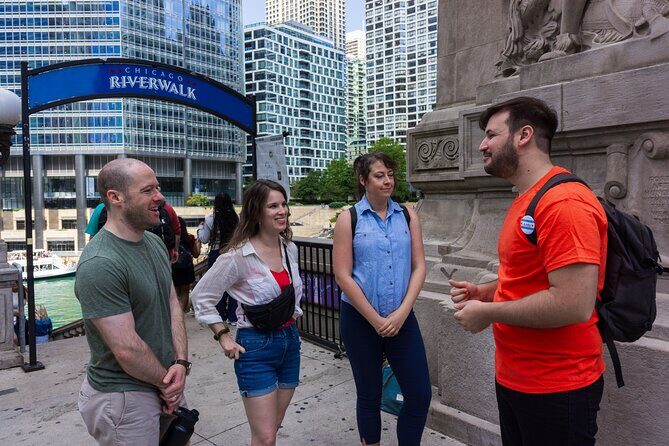
What I really like is the small-group format (typically 2–11 people). It feels calm and personal, not rushed like the bigger sightseeing crowds. The other big win: the tour guide is interactive and conversation-forward; in one standout example, Steven gets called out as very informative and engaging.
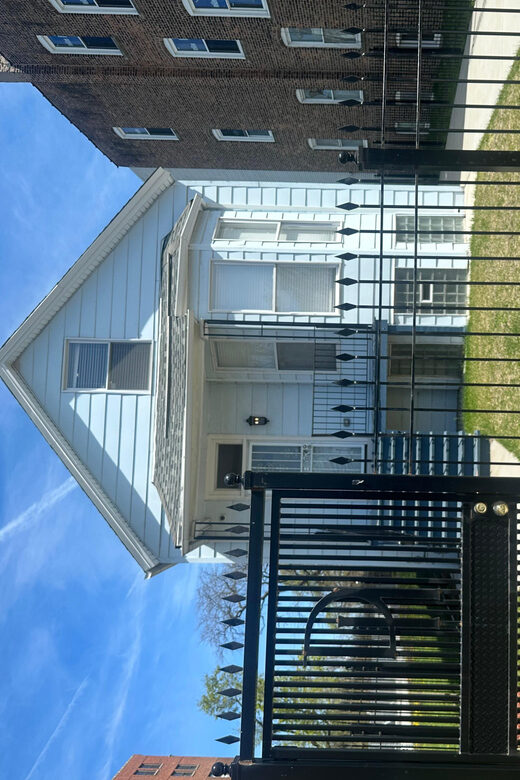
One consideration: you’re touring 12 homes on the outside for photo stops, so it’s more about quick, meaningful context than long, inside-the-building visits. And if you’re traveling with kids, note that it’s not suitable for children under 9.
In This Review
- Key things to know before you go
- Soul House Tour in Chicago: what the experience is really about
- Starting at the Chicago Theater: your easiest meeting point
- The small-group setup (2–11 people) makes a big difference
- The souvenir booklet: the tour’s memory system
- Stop 1 focus: the 44th president and the way politics shows up in neighborhoods
- Michelle Obama’s childhood home: how a city shapes leaders
- Kanye West’s childhood home: fame built from familiar streets
- Ida B. Wells: activism that changes what people think is possible
- Nation of Islam homes: faith, leadership, and community impact
- Muhammad Ali’s home: a sports legend with real cultural gravity
- Emmett Till’s childhood home: respect, context, and quiet attention
- Nat King Cole and entertainers: culture you can see and name
- What the tour schedule feels like in real life (and how to prepare)
- Price and value: is $65 for 12 homes a fair deal?
- Who should book the Soul House Tour?
- Should you book the Soul House Tour?
- FAQ
- How long is the Soul House Tour?
- How much does it cost?
- What will we see during the tour?
- Where is the meeting point?
- Is the tour a bus tour?
- Are photos allowed?
- What language is the tour offered in?
- Is the tour suitable for children?
- What’s included in the ticket price?
- Is gratuity or food included?
Key things to know before you go
- Small group, flexible pacing: usually 2–11 people with time to take pictures.
- 12 houses in 2 hours: tight schedule, built around photo moments and guide talk.
- Souvenir booklet included: all houses plus a write-up that helps you remember what you saw.
- Guided by Chicago-born-and-raised storytelling: you’re not just looking at homes, you’re getting context.
- Major figures, big themes: politics, activism, entertainment, and faith all show up.
- Photo stops outside homes: plan for standing around briefly while you capture the moment.
Soul House Tour in Chicago: what the experience is really about
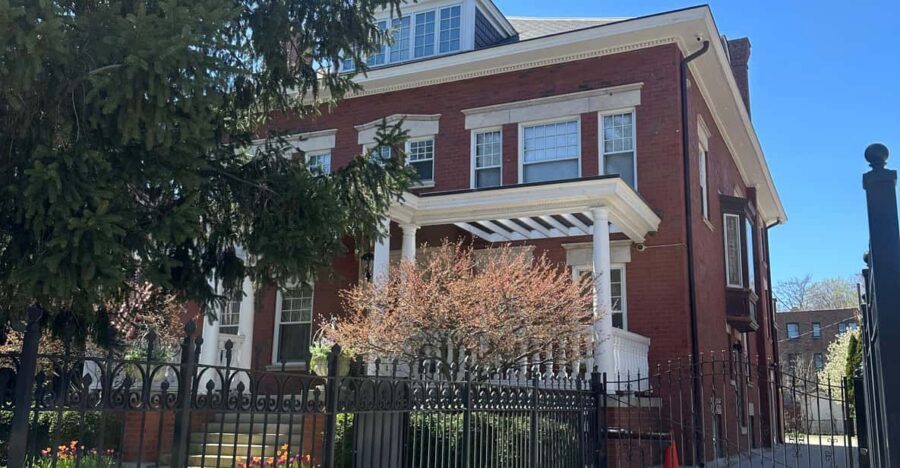
This is a guided look at Chicago through the lives of famous Black residents. Not in a vague, general way. The tour focuses on specific homes and specific people, and it moves at a pace that lets you stop, look, and take pictures without feeling like you’re getting shooed along.
The value here is how the guide ties each house to a story you can actually carry with you. You’re not just learning names. You’re learning why those homes mattered—politically, culturally, and socially. And because it’s a small group, the talk can stay human instead of turning into a lecture you can’t hear.
At $65 per person for a 2-hour experience, you’re paying for three things: a guide, time at 12 photo stops, and a souvenir booklet that includes descriptions of the homes. If you like guided tours where the person talking clearly cares, this price starts to make sense. If you want a self-guided wandering day with no structure, you might feel constrained.
You can also read our reviews of more tours and experiences in Chicago.



Starting at the Chicago Theater: your easiest meeting point
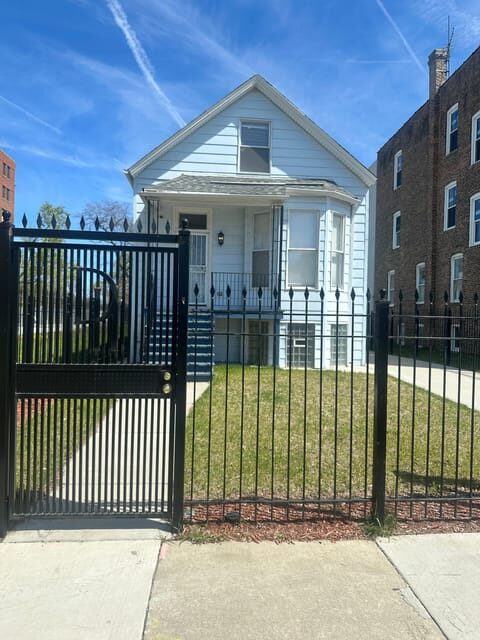
Your meeting point is right at the Chicago Theater (175 North State). That’s a helpful detail because it’s easy to orient yourself in the Loop, and you don’t need to decode a complicated neighborhood address system before you even start.
From there, your guide takes over and you get into the rhythm of the tour: brief introductions, then a look at the exterior of the next home, then time to take photos. The schedule is built for short stops. So if you’re the type who wants to linger for ages and stare at every detail, you’ll need to go with the flow.
One practical tip: treat the first few minutes like orientation. Have your camera ready. Know where you’ll stand for photos. In a small-group tour, you’ll feel the difference between being ready and fumbling.
The small-group setup (2–11 people) makes a big difference
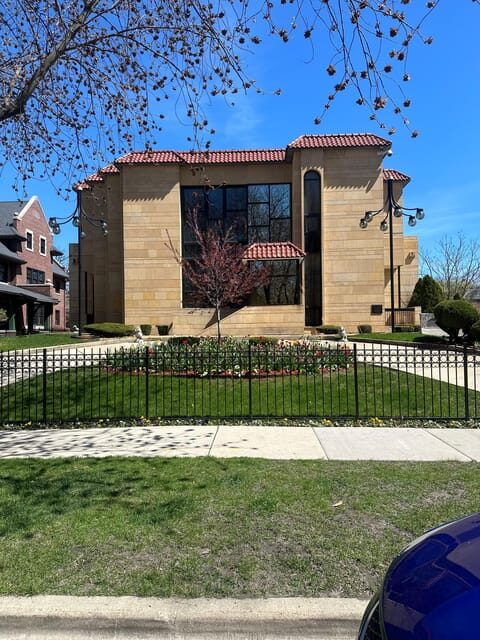
Most big-name Chicago tours run like a conveyor belt. This one doesn’t. The group is typically 2–11 people, which changes the whole experience.
First, you’ll hear the guide better. Second, you can ask questions without feeling like you’re interrupting a machine. Third, the photo time feels realistic. You’re not squeezed into a 20-second stop just to prove you were there.
This format also helps you get more out of the hardest stops on the itinerary. When the tour moves into sadder parts of American history—like the visit connected to Emmett Till—the guide’s pacing matters. In a smaller group, the conversation has room to stay respectful and thoughtful.
The souvenir booklet: the tour’s memory system
You’ll get a souvenir booklet with the homes you visit and a write-up on each. That’s not a throwaway detail. A booklet like this is what turns a good two hours into something you can revisit later.
Here’s why that matters in practice: home visits and photo stops happen fast. Your camera is great, but it doesn’t explain the why. The booklet gives you the context you might miss while you’re trying to frame the shot. Later, when you’re back in your hotel or apartment, you can look at what you saw and connect it to what the guide emphasized.
Think of it as your take-home version of the tour talk. If you like learning while you move through a city, this feature makes the experience feel more complete.
Stop 1 focus: the 44th president and the way politics shows up in neighborhoods
The tour starts with a major political figure: the 44th president of the United States. Starting here isn’t random. It sets a theme early—that the story of Black Chicago isn’t only about art and activism. It’s also about political access, influence, and national impact.
From a “what you’ll feel” point of view, this first stop acts like a tone-setter. It tells you the guide will connect each home to larger life paths, not just local fame. Then the tour follows with the childhood home tied to the former first lady. The idea is to show you how Chicago shaped people who later became household names.
A quick note on expectations: you’re going to be looking at homes from the outside with photo time. So don’t come expecting a formal interior museum moment. The learning happens through the guide’s narrative and your booklet.






Michelle Obama’s childhood home: how a city shapes leaders
After the opening political reference, the tour moves into the childhood home connected to the former first lady. This is where you start seeing the Chicago theme get more personal.
The point isn’t just star power. It’s the way a childhood neighborhood can plant values and confidence that follow people into national roles. And with the tour’s format—quick, guided stops plus a booklet—you get a structured way to connect early life to later public life.
If you enjoy social history that connects personal development to broader events, this segment tends to land well. You’re seeing the geography of influence, not just hearing the headline version.
Kanye West’s childhood home: fame built from familiar streets
Next up is Kanye West’s home, specifically his residence from childhood until his music success. That detail matters because it keeps the story grounded. Instead of presenting success like it fell from the sky, the tour links it to a place that shaped him before the world knew his name.
Why I think this stop is a smart inclusion: music history often gets told through albums, tours, and industry milestones. Here, you’re reminded that creative lives have early roots. Chicago’s streets show up as part of the origin story.
You’ll have a chance to take pictures outside the home, and you’ll want to do it with intention. Frame your shot, but also listen while the guide explains what to pay attention to. The best part isn’t the photo. It’s the story that attaches to it.
Ida B. Wells: activism that changes what people think is possible
The tour then turns to civil rights activism with the home of Ida B. Wells. Calling her a fiery activist is accurate to her reputation, and this stop shifts the emotional tone of the experience.
This is where the tour earns its name, Soul House Tour. Wells is a reminder that soul isn’t just style or culture. It’s moral urgency. It’s pushing back against injustice even when it’s dangerous.
Practical advice for this part: slow down mentally. If you’re snapping photos constantly, you might miss the guide’s key points. This is one of those stops where you’ll feel the weight of the narrative more when you let it land.
Nation of Islam homes: faith, leadership, and community impact
The tour includes the home of the founder of the Nation of Islam, Elijah Muhammad, and then it also visits the home of his successor, Louis Farrakhan.
These stops add another layer to the tour’s approach: it’s not only about mainstream celebrity figures. It covers movements, leadership, and institutions that shaped community life and debate in Chicago and beyond.
Because both homes are tied to major figures, the guide’s job is to explain how leadership transitions matter. It’s also a chance to see how faith can function as identity, structure, and public presence.
This segment may feel more complex depending on your background knowledge. If you like learning new angles and asking questions, you’re in the right place. If you prefer strictly light entertainment stories, this may be a sharper turn.
Muhammad Ali’s home: a sports legend with real cultural gravity
Next comes Muhammad Ali, often called The Greatest. This stop works because Ali’s story crosses categories: athletics, politics, identity, and charisma.
From a tour-goer perspective, Ali’s home is a moment where the conversation can broaden. It’s not just about boxing greatness. It’s about why Ali mattered to the way people thought about power and dignity.
You’ll likely have time for a quick photo outside, then the guide will connect Ali’s Chicago roots to his larger life. If you’re an Ali fan, this is a clear highlight. If you’re not, it still functions as a gateway into understanding how celebrity intersects with identity.
Emmett Till’s childhood home: respect, context, and quiet attention
Then the tour moves to the childhood home of Emmett Till. Sadly, this stop is heavy, and it’s important to treat it that way.
This is not an easy photo op in the usual sense. Even if you can take a picture outside, you’ll get more out of the stop by listening and letting the history sit. The guide’s narrative is what turns the location into understanding.
Consider this before you book if you travel with kids close to the minimum age. It’s not about being squeamish—it’s about choosing an age and mindset where the emotional weight can be handled well.
Also, if you’re the type who needs a break after intense history stops, plan your timing. The tour is two hours total, so you won’t have long recovery time on-site.
Nat King Cole and entertainers: culture you can see and name
The tour rounds out with homes of entertainers such as Nat King Cole, plus others. This is the segment that brings the energy back up, without pretending the earlier parts didn’t matter.
Entertainment homes on a tour like this do more than give you recognizable names. They highlight how Chicago shaped artistry that carried far beyond the city limits. You’ll likely hear how these performers fit into Chicago’s cultural landscape and how that landscape influenced their paths.
For photo-taking, this is often where people feel most comfortable. It’s easier to treat these stops like a celebration of legacy rather than a history lesson with tears attached.
Still, the guide’s context is what keeps it from becoming a simple celebrity parade. You’re watching the tour connect culture to community.
What the tour schedule feels like in real life (and how to prepare)
Over 2 hours, you’ll cover 12 homes with guide conversation and photo stops. That means you should expect a quick rhythm: brief introduction, exterior look, photo time, then move on.
To prepare well:
- Bring your camera and extra battery or storage. You have multiple stops.
- Wear comfortable shoes. Even if the walking isn’t long, you’ll be outside for photo pauses.
- Stay mentally ready for topic shifts. The tour moves from politics to faith to activism to celebrity to tragedy.
If you want a slow, contemplative neighborhood walk, this isn’t that kind of day. It’s a guided hit of Chicago’s Black legacy with enough structure to keep you oriented.
If you want something more like a lecture, you might find the photo breaks interrupt the flow. But the photo time is part of the point: you get to connect the story to a physical place, not just information.
Price and value: is $65 for 12 homes a fair deal?
At $65 per person, the price is anchored to a clear package: 12 homes, a guided tour, photo time, and a souvenir booklet. You’re also getting a guide described as interactive and informative (Steven is specifically praised), which is where the real value usually lives.
Here’s how I’d judge it for your money:
- If you’ll actually use the booklet afterward, the value goes up.
- If you enjoy learning with a person who keeps the conversation moving, it feels worth it fast.
- If you already know the stories and just want a quick photo tour, it might feel pricey for a two-hour exterior-only format.
For most people who want an organized way to learn Chicago through notable Black residents, it’s solid value. You’re not paying just to stand near buildings. You’re paying for interpretation and pacing.
Who should book the Soul House Tour?
You’ll probably love this tour if you:
- Like guided history with specific people tied to real Chicago locations.
- Want more than a list of names, and prefer a guide who explains the connections.
- Enjoy photo stops but also want context while you’re taking them.
- Appreciate discussions about activism, leadership, culture, and tragedy in one coherent route.
You might hesitate if you:
- Want an interior tour or museum-style experience (this is built around house exteriors and photo moments).
- Are traveling with kids under the recommended minimum age, since it’s not suitable for children under 9.
Should you book the Soul House Tour?
Yes, if you’re looking for a focused Chicago experience that connects famous Black lives to the neighborhoods where those stories began. The small-group size, the included booklet, and the guide’s interactive style—especially the way Steven delivers information—are the big reasons it’s worth your time.
Book it if you want a guided “see and learn” loop that fits into a busy travel schedule. Skip it if you want a long, freeform wandering day or you’re uncomfortable with the emotionally serious stop tied to Emmett Till.
If you book, come ready to listen as much as you come ready to take pictures. The tour works best when you do both.
FAQ
How long is the Soul House Tour?
The tour lasts 2 hours.
How much does it cost?
The price is $65 per person.
What will we see during the tour?
You’ll tour 12 homes of famous Chicagoans and have time for photos at those stops.
Where is the meeting point?
Pickup/meeting is at the Chicago Theater, 175 North State.
Is the tour a bus tour?
No. It is not a bus tour. The tour runs with small groups, typically 2–11 people.
Are photos allowed?
Yes. You have an option to take pictures outside of the homes during the photo stops.
What language is the tour offered in?
The guided tour is in English.
Is the tour suitable for children?
No. It is not suitable for children under 9.
What’s included in the ticket price?
Included are the guided tour of 12 homes, photo opportunities at those homes, and a souvenir booklet with information about each stop.
Is gratuity or food included?
No. Gratuity and food are not included.