REVIEW · GANGSTERS & GHOSTS TOURS
Chicago Gangsters and Movies Tour
Book on Viator →Operated by Magnifico Tours · Bookable on Viator
Mob stories meet movie scenes on foot. In about 90 minutes, a small group walks a tight Loop route where real crimes and screen moments share the same sidewalks, from the Riverwalk to the Chicago Cultural Center. It is part true-crime chat, part film nerd tour, and very practical for seeing a lot without bouncing around the city.
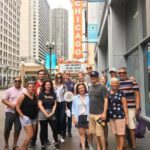
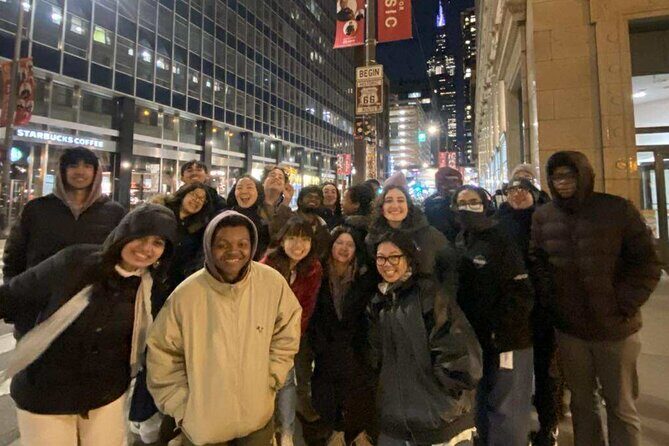
I love the way the guide, Andre, keeps things clear and fun. You get thoughtful context, plenty of chances to ask questions, and even included souvenir photos taken as you explore.
The only real drawback I’d watch for is finding the start. The meeting point can be a little tricky, so plan to arrive early—one tip is to look around outside The Chase building, near the Chicago Cinema.
In This Review
- Key highlights to know before you go
- The big idea: mob legends meet recognizable film scenes
- Price and time: is $35 worth it?
- Meeting at 238 N State St and other practical notes
- Riverwalk stories at Stop 1: 238 N State St
- River North tunnels and John Dillinger at Stop 2
- The Picasso at Stop 3: Ferris Bueller to The Blues Brothers
- Rookery Building at Stop 4: architecture plus mob movie scenes
- Art Institute of Chicago at Stop 5: making a museum visit better
- Chicago Theatre at Stop 6: Al Capone plus stage-and-screen fame
- Chicago Cultural Center at Stop 7: Tiffany dome and The Untouchables
- Who should book this tour (and who might skip it)
- FAQ
- FAQ
- How long is the Chicago Gangsters and Movies Tour?
- Where does the tour start and end?
- What time does the tour run?
- How much does it cost?
- What language is the tour offered in?
- Is this a walking tour or does it include a vehicle?
- What’s included in the price?
- Is tipping included?
- Is the tour accessible and can service animals join?
- Do I need to buy entry tickets for the stops?
- What is the cancellation window?
Key highlights to know before you go
- Guide Andre’s slow, clear storytelling that works for both movie fans and first-timers
- Included souvenir photos so you leave with more than just memories
- A tight 90-minute walking loop through the Riverwalk, the Loop, and major landmarks
- Film locations tied to real mob moments you can still see from the street
- Up to 25 people for a smaller-group feel and more back-and-forth
- A lot of the route is indoors or sheltered, which helps on colder afternoons
The big idea: mob legends meet recognizable film scenes
This tour has a simple goal: show you Chicago through the lens of movies and criminal history—without turning it into a scary lecture. You walk past real buildings and spots that have been used on camera, then your guide connects the dots to names, motives, and plotlines you might already know.
What makes it feel different is the pace and the focus. It is not a long museum day. Instead, you get short stops with a story attached to each one, so you’re always looking up, checking details, and thinking: I’ve seen this on-screen, but I never knew what it was connected to.
And it helps that the group stays small. With a max of 25 people, questions don’t get lost in the shuffle. The energy stays friendly, too—one big win is how the guide keeps different ages engaged, from kids to grandparents.
You can also read our reviews of more tours and experiences in Chicago.
Price and time: is $35 worth it?
At $35 per person for about 1 hour 30 minutes, you’re paying mainly for two things: a guide who can connect mob history to film locations, and the time-saving convenience of a prepared route. You’re also getting souvenir photos included, which is more valuable than it sounds if you like having proof you were there (and not just blurry selfies in a hurry).
Most stops are listed with free admission, so you’re not hit with extra entry fees during the walk. You do still want to plan for comfort—this is a walking tour with no vehicles provided—so good shoes matter more than buying anything extra.
If you are the type who likes a mix of pop culture and real-life context, this price makes sense. If you only want one lane—either movies only or crime stories only—you may find yourself wishing for more time in just one direction. The tour is designed for a blend, and it stays in that lane.
Meeting at 238 N State St and other practical notes
You start at 238 N State St and finish at the Chicago Cultural Center (near Millennium Park, the Bean, and the Chicago Riverwalk). The start time is 2:00 pm, and the walking route is laid out so you can keep moving without long gaps.
You’ll get a mobile ticket, and confirmation comes at booking time. The tour is offered in English, and the guide adjusts pace as needed so the story lands clearly.
A few practical points you’ll thank yourself for:
- Bring a camera, because you’re getting included souvenir photos but you’ll likely want your own shots too.
- Wear comfy shoes. This is a Loop-and-Riverwalk style walk, not a sit-down tasting menu.
- Arrive early if you can. One clear lesson from past experiences is that the meeting point can be easy to miss, especially if you’re looking from a distance. A helpful landmark is the Chase building area near the Chicago Cinema.
Good news for logistics: the route is described as fully accessible and you only need to be able to keep a steady walking pace. Service animals are allowed, and the area is near public transportation.
Riverwalk stories at Stop 1: 238 N State St
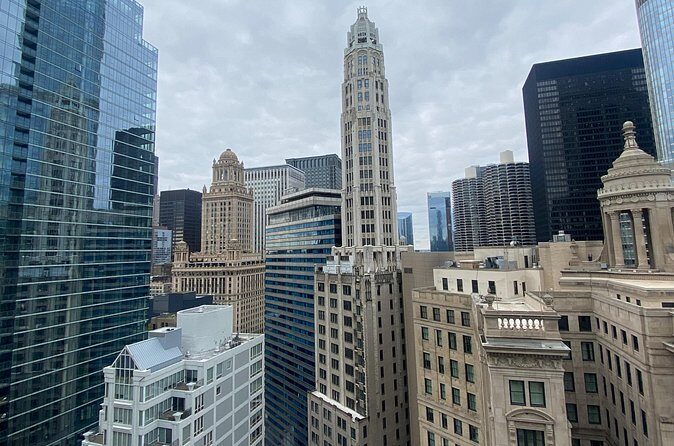
Your tour kicks off at 238 N State St, right where the Chicago Riverwalk vibe is most on display. The Riverwalk is one of the city’s best-known filmed landmarks, and the tour uses that as the opening chapter.
This first stop works well because it sets the tone without overwhelming you. You hear mob stories tied to the kind of places cameras love—waterfront sightlines, bridges, and that classic downtown river view. You’re not just being told history; you’re standing in the real geography where stories could play out.
The drawback to know is simple: the Riverwalk area can feel more exposed than later stops. If weather is cold or windy, dress for it. The good news is the overall route includes parts that are sheltered or indoors, so you’re not stuck outside the whole time.
River North tunnels and John Dillinger at Stop 2
Next you head into River North, where the tour focuses on underground and close-to-home danger. You’ll learn about underground tunnels used by the Chicago Outfit, and you’ll visit the spot where John Dillinger saw his girlfriend for the very last time.
This is where the tour really becomes true-crime specific. The setting isn’t just a backdrop; it’s part of the story. When you hear about tunnels and last sightings, your brain starts mapping how these events could have moved through the city.
On top of that, the movie tie-ins are practical. You’ll hear about film locations connected to The Dark Knight and The Fugitive—and your guide connects those references back to the streets and corridors around you, not just random film trivia.
One thing to keep in mind: this stop blends history and cinema language. If you do not know either series well, you might still follow along because the guide provides context. But if you already like one of them, you’ll get extra satisfaction.

The Picasso at Stop 3: Ferris Bueller to The Blues Brothers
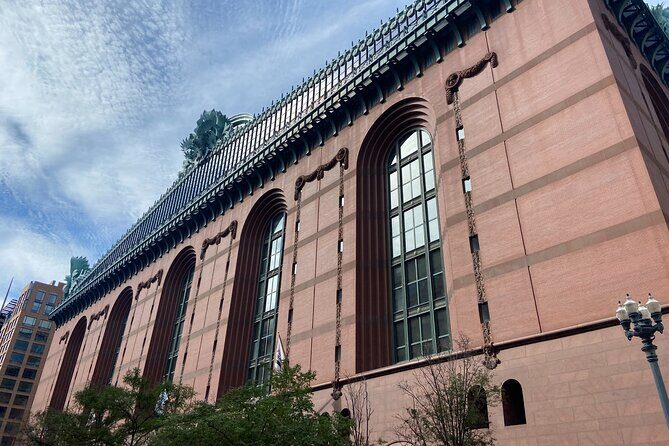
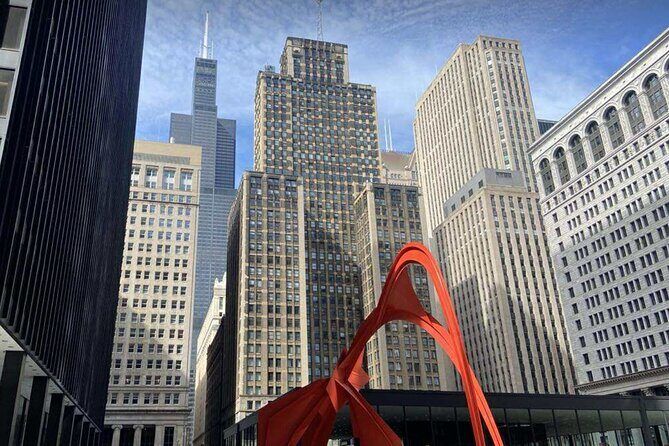
At The Picasso, the tour shifts from underground and rooftops to a skyline icon you can’t miss. This area is described as a filming location for major Chicago movies, and you’ll revisit scenes from The Fugitive, The Blues Brothers, and Ferris Bueller’s Day Off.
Why this stop matters is that it changes the mood. You go from tense backstory to something more playful and recognizable. Even if the crime history is heavy, standing in a known filming location puts distance between you and the darker stories. It feels like Chicago as pop culture, not just Chicago as cautionary tale.
You’ll also hear true-crime legends connected to this corridor of power. That combination—fun movie titles plus real names and rumors—keeps the tour from feeling like a single-note lecture.
Practical tip: this is a good moment to slow your pace and look around. Public art like The Picasso draws cameras, and you’ll want to take in what’s visible from different angles before the group moves on.
Rookery Building at Stop 4: architecture plus mob movie scenes
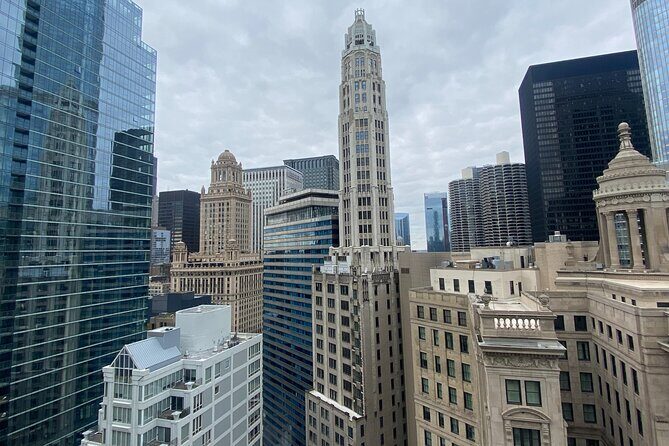
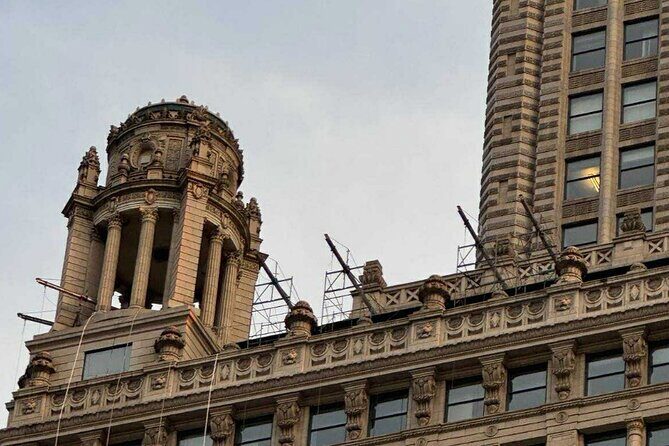
The tour then turns into a true Loop highlight at the Rookery Building. This is one of those places where you can feel Chicago’s status as a cinematic city. The backdrop here connects to The Dark Knight and The Untouchables, plus the stop includes a look at beautiful architectural interiors.
What I like about this stop is the balance. You get story and you get style. You’re still hearing about mob characters and why certain places drew crime-era attention, but you’re also learning how the architecture itself shapes the drama—how light hits stone, how rooms feel formal, and how these spaces lend themselves to film framing.
One consideration: since this stop includes interior time, it helps to check what kind of footing and temperature conditions you’ll find inside. The tour is described as accessible, but older buildings can still involve floors and transitions. If you use mobility aids, it’s worth asking the guide how the group will handle the walking transitions on the day.
Art Institute of Chicago at Stop 5: making a museum visit better
Stop 5 is the Art Institute of Chicago, and this one is a smart pivot. Instead of only focusing on crimes tied to the streets, the tour connects the history of the Art Institute and Chicago’s cultural scene to infamous stories.
This stop also helps you as a visitor because it’s not just about seeing the building. Your guide talks about how to make the most out of a visit to the Art Institute and points you toward art pieces used in famous movies.
Even if you don’t go inside right away beyond the tour’s time window, you’ll leave with a sense of what to look for later. I like this approach because it turns your next hours in the museum from wandering to hunting with purpose.
The main drawback? The Art Institute is huge. The tour time here is brief, so you might not see everything the institute is famous for. Plan to use what you learn as a checklist, not as a full museum substitute.
Chicago Theatre at Stop 6: Al Capone plus stage-and-screen fame
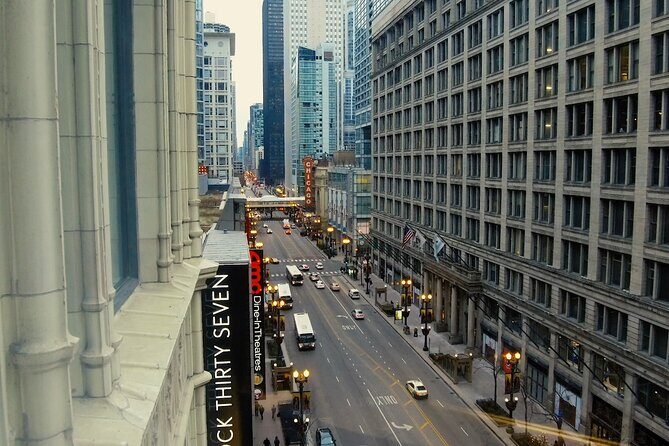
The tour heads to the Chicago Theatre, a landmark with heavy mob-era connections through Al Capone history. You also get a film-and-music angle here: it’s described as a filming location for live music and comedy albums, and it connects to audiences in Public Enemies and The Dark Knight.
This is a fun stop if you like showbiz Chicago, because the theatre isn’t just about one story. It’s about how criminals, performers, and public attention all intersect in the city.
What makes it land is the way your guide uses the theatre’s identity. You’re not only hearing names. You’re learning why these grand public venues matter—why cameras return to places where crowds gather and where the city’s image gets manufactured.
Practical note: theatres can be echo-y and crowded around entrances, even when you aren’t going inside. If you’re sensitive to tight spaces, arrive ready to stand back and listen for a moment while others shift positions.
Chicago Cultural Center at Stop 7: Tiffany dome and The Untouchables
The walk ends at the Chicago Cultural Center, located at 78 E Washington St. This is a strong finale for two reasons: the architecture is striking, and the film connection is clear.
The tour describes this stop as a filming location of the climactic scene for The Untouchables. You also explore the former Chicago Public Library space, including the largest Tiffany glass dome in the world, plus other art exhibits inside.
This is where the “mobsters and movies” idea feels most complete. Before the tour ends, you get a visual payoff: a place that looks like history and art at the same time, with a pop culture reference that makes it easier to remember.
Since the Cultural Center sits close to big daytime attractions like the Bean and Millennium Park, it’s easy to keep going after you finish. I like ending here because it gives you options: you can stretch your legs outdoors, grab coffee, or plan a separate museum stop without trekking back across town.
Who should book this tour (and who might skip it)
Book it if you like one or more of these:
- Movies with recognizable Chicago locations, especially The Dark Knight, The Fugitive, Ferris Bueller’s Day Off, The Untouchables, and The Blues Brothers
- True-crime storytelling that connects history to real streets and buildings
- A guide-led walk where you hear context as you look at the scene, rather than reading about it later
You might skip it if:
- You hate walking for about 1.5 hours and want a mostly seated experience
- You want a deep museum session or a full theatrical history program. This tour is short and focused, not a complete archive visit.
It’s also a good choice for mixed groups. The guide’s style is described as keeping kids, parents, and grandparents engaged, which is rare for a true-crime-meets-movies format.
One more smart move: if you’re visiting in a cold snap, wear layers. Even though the route includes more sheltered parts, you’ll still feel the fact that you’re outside between stops.
FAQ
FAQ
How long is the Chicago Gangsters and Movies Tour?
It runs for about 1 hour 30 minutes.
Where does the tour start and end?
It starts at 238 N State St, Chicago, IL 60601 and ends at 78 E Washington St, Chicago, IL 60602 at the Chicago Cultural Center.
What time does the tour run?
The start time is 2:00 pm.
How much does it cost?
The price is $35.00 per person.
What language is the tour offered in?
The tour is offered in English.
Is this a walking tour or does it include a vehicle?
It is a walking tour with no vehicles provided.
What’s included in the price?
You get souvenir photos included.
Is tipping included?
Tips or gratuity for the tour guide are not included.
Is the tour accessible and can service animals join?
The route is described as fully accessible, and service animals are allowed.
Do I need to buy entry tickets for the stops?
Admission is listed as free for the stops, and the tour includes no extra admission fees at the listed stops.
What is the cancellation window?
Free cancellation is available up to 24 hours in advance of the experience start time for a full refund.