REVIEW · CITY TOURS
Best of Chicago: Architecture & Highlights City Private Tour
Book on Viator →Operated by WeVenture · Bookable on Viator
Chicago is a city that rewards looking up. This private downtown walk mixes iconic landmarks with the stuff most people miss, all while you learn the story behind Chicago’s architecture as you go. You also get practical extras like popcorn and chocolate tastings, plus a train pass for an easy day out. My favorite part is the personal pace—and one tradeoff to plan for is that the Chicago Riverwalk stop is skipped during winter months.
I like that you’re not stuck on a big bus route. This tour moves on foot through downtown so you can actually see details like façades, street-level design, and the way Chicago’s buildings “talk” to each other. The downside is simple: it’s still a walking tour, so you’ll want decent shoes and a willingness to move even when you’re just popping between sights.
In This Review
- Key things I’d watch for before you go
- Your starting point: the Chicago Theatre and a neon-led kickoff
- Chicago Pedway: an indoor shortcut and a winter superpower
- That 10-story city offices stop: history in plain sight
- Picasso in public: art you can actually plan around
- Chicago Riverwalk: the big views stop (but not in winter)
- The Wrigley Building: a classic clocktower moment
- Tribune Tower: journalism meets architecture
- Magnificent Mile: your architecture walk turns into a street stroll
- Millennium Park and The Cloud Gate: where the tour lands
- Snacks and small comforts that actually help
- Private guiding: why the group size matters
- Pace and timing: how to dress and plan your day
- Value check: $245 per group, up to 12
- Who this tour suits best (and who might want something else)
- Should you book Best of Chicago: Architecture & Highlights City Private Tour?
- FAQ
- How long is the private tour?
- Where do we meet, and where does the tour end?
- What does the price include?
- Does the tour include the Chicago Riverwalk?
- Is this tour private or shared?
- Can I get a full refund if plans change?
Key things I’d watch for before you go
- Private group up to 12 means the guide can answer your questions and adjust the pace.
- Downtown on foot makes architecture feel real instead of like postcard viewing.
- Train pass + snacks are included, which helps if you’re out for most of your daytime exploring.
- Pedway coverage is a smart add-on, especially when Midwestern weather isn’t cooperating.
- Seasonal route: the Riverwalk stop isn’t part of the plan in winter.
- Expect at least one “how did that get here?” moment, including public art like Picasso.
Your starting point: the Chicago Theatre and a neon-led kickoff
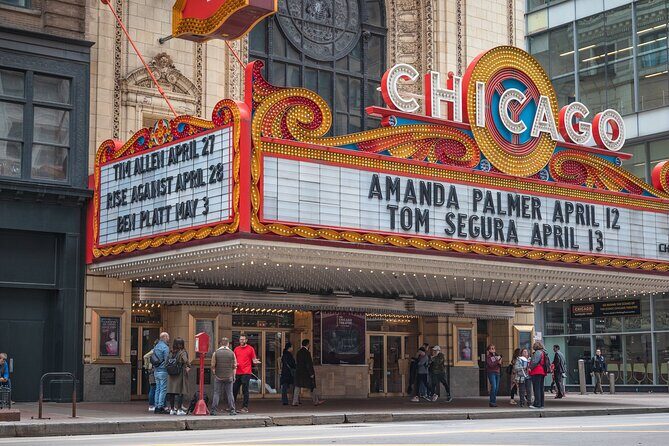
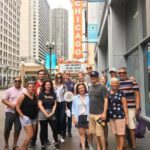
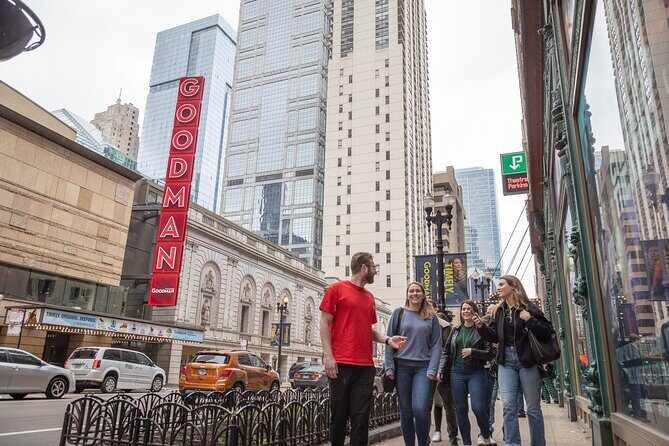
Your tour meets at the Chicago Theatre, at 175 N State St. It’s a strong choice for first-timers because you’re already in the thick of downtown, near where Chicago’s theater-and-retail energy spills onto the sidewalks.
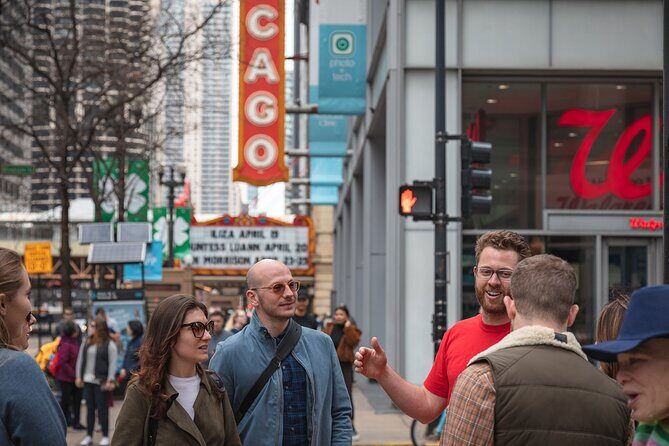
The meeting point also sets the tone. You start under the famous neon sign and then you’re quickly walking into areas where the city’s architecture isn’t just in the background—it’s part of the route. Even if you’re not a hardcore architecture person, you’ll get why Chicago treats buildings like characters: each one has a personality, and your guide helps you spot it.
You can also read our reviews of more city tours in Chicago

Chicago Pedway: an indoor shortcut and a winter superpower
From there, you head into the Chicago Pedway network. This is the tunnel-and-bridge system that connects skyscrapers and retail spots, making it easier to move around without getting soaked by weather (or freezing through it).
What I like about the Pedway stop is how it changes your view of the city. Instead of only seeing Chicago from street level, you see how the buildings “edit” the city for daily life—people can commute and shop without constantly stepping outside. If you’re visiting in colder months, this stop alone makes the tour feel like more than a scenic stroll.
That 10-story city offices stop: history in plain sight
Next you pass a 10-story building that houses Chicago city government offices. Your guide points out the historical architecture details while you walk past, which is useful if you want to understand why Chicago looks the way it does beyond the postcard icons.
This is also one of those moments where a good guide changes the experience. On your own, you might just register it as another downtown office block. With commentary, you learn what to look for—proportions, styling, and how civic buildings fit into the same architectural “conversation” as commercial towers.
Picasso in public: art you can actually plan around
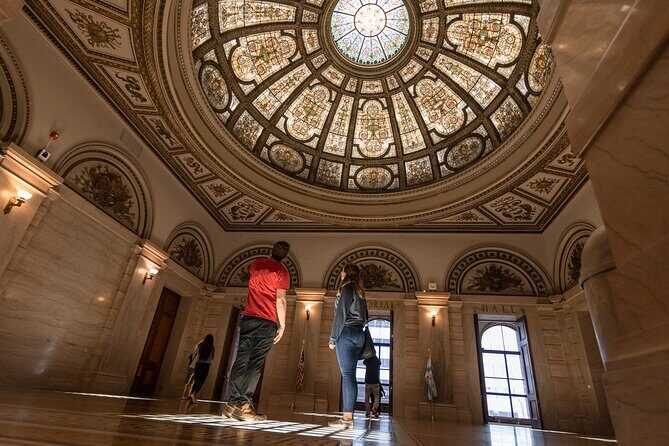
Then you get an up-close look at a Picasso public artwork. You’re not just standing there for a quick photo—your guide explains how it ended up in Chicago and how people responded to it when it arrived.
I enjoy this kind of stop because it balances the architecture focus. Chicago’s downtown isn’t only steel and stone; it’s also public art, civic decisions, and culture showing up in unexpected places. If you like street-level art, it gives your day variety without losing the theme.
Chicago Riverwalk: the big views stop (but not in winter)
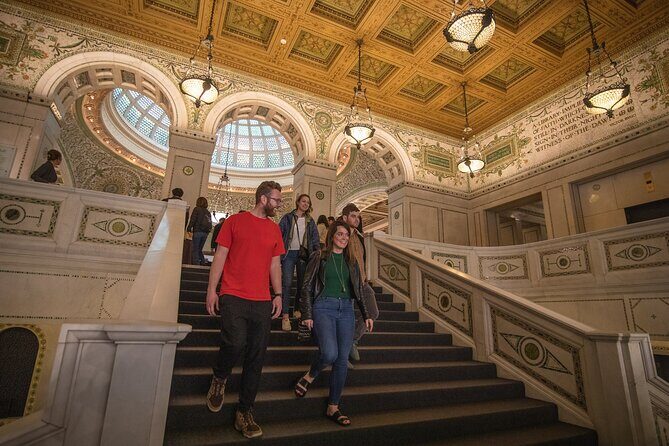
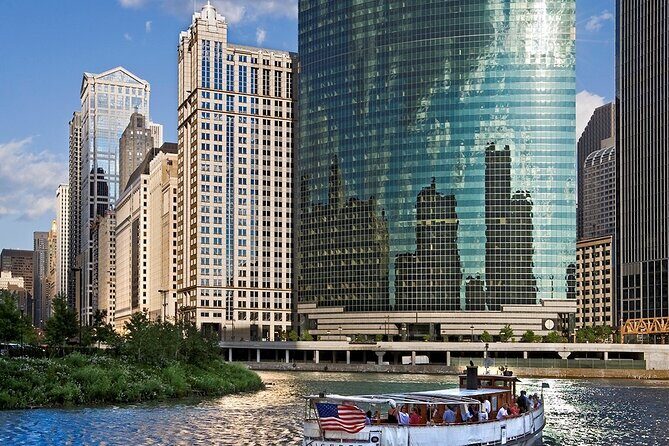
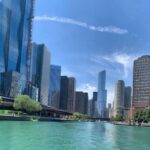
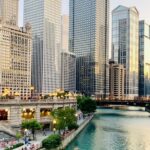
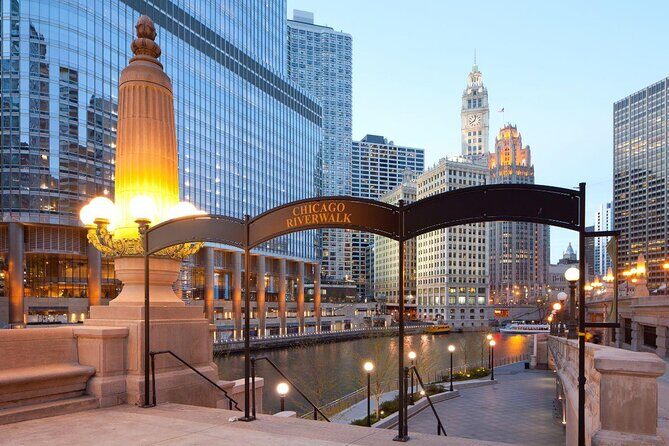
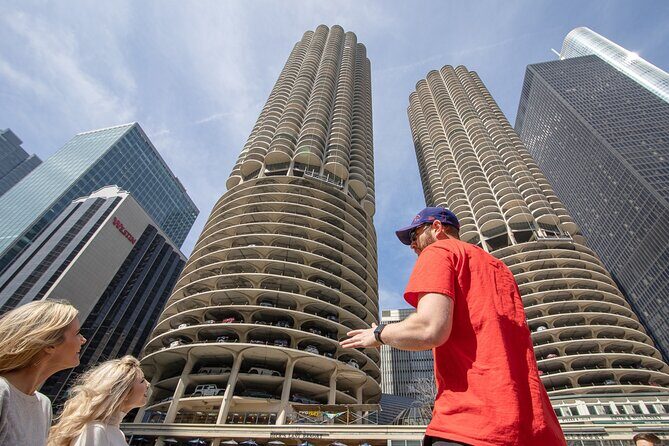
After Picasso, you may head down to the Chicago Riverwalk if the weather allows. You’ll get views over the water with landmarks like Marina Towers and the Britannica Building mentioned along the way.
One important planning point: this Riverwalk stop is not part of the tour during winter months. If your trip dates fall in colder season, don’t assume you’ll see the river as part of this specific route—your guide will follow the seasonal schedule.
You can also read our reviews of more private tours in Chicago




The Wrigley Building: a classic clocktower moment
You’ll pass the Wrigley Building, the early-1900s tower with its central clocktower. Even though it no longer houses the Wrigley Company, it remains one of those buildings you can’t really ignore once you learn what to look for.
The clocktower detail is especially helpful for first-time visitors. It gives you an easy visual anchor while you’re walking, and it helps you remember the building later even if you’re juggling multiple stops. This is also a good moment to slow down and look upward, because Chicago architecture often “hides” its best details above eye level.
Tribune Tower: journalism meets architecture
Next up is the building tied to The Chicago Tribune. This is where architecture and journalism overlap in a way that makes Chicago feel like Chicago—industry, communication, and design all in one frame.
Your guide helps you read the building as both a cultural landmark and an architectural object. And if you enjoy photography, this is the kind of stop where the exterior looks good from multiple angles as you continue walking.
Magnificent Mile: your architecture walk turns into a street stroll
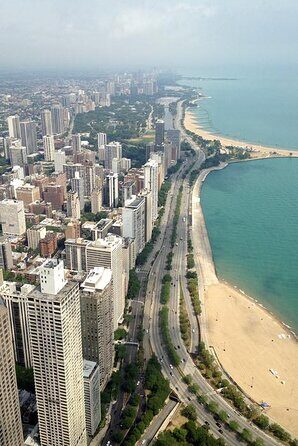
After the Tribune Tower area, you shift into walking along the Magnificent Mile. This part of the route is more than a transit corridor—it’s the famous shopping-and-street frontage area, with lakefront park views in the broader stretch.
I like this segment because the city opens up a bit. Even though you’re still on a walking tour, you’re not always in “look at the building” mode. You get a change of rhythm with views and a more relaxed vibe as you head toward your endpoint.
Millennium Park and The Cloud Gate: where the tour lands
Your tour ends at Millennium Park, in the area around The Cloud Gate—the sculpture most people call the Bean. You get plenty of time to see it up close, and it’s a great finish because you’ll be right in a hub where you can keep exploring.
This ending also makes practical sense. If you want dinner, a drink, or one more sight before calling it a day, your guide can point you toward options nearby, and you’re placed right where downtown activity is easiest to navigate.
Snacks and small comforts that actually help
This tour includes snacks and tastings: popcorn and chocolate. In at least one group experience, people specifically called out Garrett popcorn and Franco chocolate samplings—so if your guide sources local favorites, you may get those brands.
Food breaks matter on a walking tour. Even if it’s just tasting-size portions, it keeps energy steady and makes the route feel less like an exam and more like a guided day out. Plus, it gives you an extra way to experience Chicago beyond buildings.
Private guiding: why the group size matters
This is a private tour with your group only, up to 12 people. That size makes a real difference. You’re not competing with a crowd for attention, and it’s easier for the guide to answer questions without turning the tour into a rushed script.
Several guides have led groups on this route—names like Dash, Dave, Rich, and David show up in the guide mix. That matters because this kind of tour depends on the human factor: a guide who can turn architecture into stories (and fun facts) will make the same stops feel fresh.
Pace and timing: how to dress and plan your day
The tour runs about 2 hours. Stops are short—often around 15 minutes each—then you get longer time at Millennium Park (about 25 minutes) so you’re not just sprinting through the big finale.
To make it enjoyable, I’d plan your outfit around walking. Comfortable shoes are a must, and bring a layer for Chicago weather. If it’s cold or rainy, the Pedway segment can help you stay more comfortable during the core downtown walking time.
Value check: $245 per group, up to 12
The price is $245 per group (up to 12 people), which is actually a strong value if you’re traveling with friends or family. When you spread it across a full group, the per-person cost becomes pretty reasonable compared to the price of a few standalone activities.
Where the value shines most is this: you’re buying context. Instead of seeing Chicago icons with no thread connecting them, you’re getting a guided route that ties landmarks to architecture and city history as you move. If you’re the type who wants to understand what you’re looking at, this tour can save you time—and money—later when you decide what to do next.
Who this tour suits best (and who might want something else)
This works best if:
- It’s your first trip to Chicago and you want a clean orientation.
- You like walking, street-level details, and learning what to notice.
- You’re visiting in a group where you can fill up to 12 and share the group cost.
You might consider a different format if:
- You’re looking for a lot of time inside major attractions (this tour emphasizes walking and exterior-focused architecture moments).
- You want lots of long stops for photo ops at every site, since most stops are brief.
Should you book Best of Chicago: Architecture & Highlights City Private Tour?
Yes, if you want a fast, well-paced introduction to downtown Chicago that keeps things human. The private group setup, the Pedway stop for weather flexibility, and the included snacks make it feel like more than a basic landmark loop.
I’d book it especially on your first day in town. You’ll leave with a mental map of where things are and what kind of architecture Chicago does best, and Millennium Park is a convenient place to finish so you can keep exploring right away.
If your trip is in winter, adjust expectations for the Riverwalk segment. But even then, the mix of downtown walk, public art, classic towers, and the Pedway makes it a smart pick for getting oriented quickly.
FAQ
How long is the private tour?
It’s listed at about 2 hours.
Where do we meet, and where does the tour end?
You meet outside the Chicago Theatre at 175 N State St, and the tour ends in Millennium Park.
What does the price include?
It includes a local English-speaking guide, snacks (popcorn and chocolate tastings), and a train pass. Admission details depend on the stop—your tour notes that the Chicago Theatre admission ticket is not included.
Does the tour include the Chicago Riverwalk?
The Riverwalk stop is noted as dependent on good weather and is not part of the tour during winter months.
Is this tour private or shared?
It’s private. Only your group will participate.
Can I get a full refund if plans change?
Yes—free cancellation is offered up to 24 hours in advance of the experience start time for a full refund.