REVIEW · WALKING TOURS
Chicago: Magnificent Mile Walking Tour
Book on GetYourGuide →Operated by Chicago Architecture Center · Bookable on GetYourGuide
A dirt road becomes a shopping icon. This walk along North Michigan Avenue turns that idea into a clear, step-by-step story of how Chicago built the Magnificent Mile. I especially like how the route connects small, specific changes in the city (like Pine Street’s makeover) to the big landmarks you recognize today. I also like that you’re not stuck outside the whole time; you get interior looks and context through the Chicago Architecture Center. One drawback: the focus is mostly straight down the Michigan Avenue corridor, so if you crave wider detours, you may wish for more side streets.
The tour is run by the Chicago Architecture Center, and that matters. You start with admission to the CAC Galleries, where you can get your bearings fast with interactive models and a look at Chicago’s skyline evolution. Then your certified guide ties what you see in the galleries to what you’ll spot on the pavement.
You’ll cover key stops without it turning into an all-day grind, with a total duration of about 90 minutes. Expect a brisk walking pace, brand-name storefronts, and architecture details that you’ll notice more after your guide points them out. If you have mobility limits, it’s listed as wheelchair accessible, but it’s also noted as not suitable for some mobility impairments, so plan around the sidewalk-and-stairs reality.
In This Review
- Key Points You’ll Actually Care About
- Starting at the Chicago Architecture Center: Get Oriented Fast
- Pine Street to Paris on the Prairie: How One City Plan Changes Everything
- DuSable Bridge: The 1920s Move That Rewired the Downtown Edge
- North Michigan Avenue’s Icons: Stories Behind the Famous Facades
- 875 N. Michigan and the Real Meaning of Chicago’s Vertical City
- Medinah Athletic Club Interiors: Egyptian to Renaissance
- An Art Deco Office Building Stop: Bas Relief Panels Up Close
- From InterContinental to Storefronts: How Modern Brands Fit the Historic Street
- Price and Value: What $35 Buys You in 90 Minutes
- What About Timing, Weather, and Carry-Ons?
- Should You Book This Magnificent Mile Walking Tour?
- FAQ
- Where is the meeting point for the tour?
- How long is the Magnificent Mile walking tour?
- What is included in the ticket price?
- How much does the tour cost?
- Are pets allowed on the tour?
- Is the tour wheelchair accessible?
Key Points You’ll Actually Care About
- Pine Street to Magnificent Mile: A straight-line story for how a former dirt road became Chicago’s premier shopping strip.
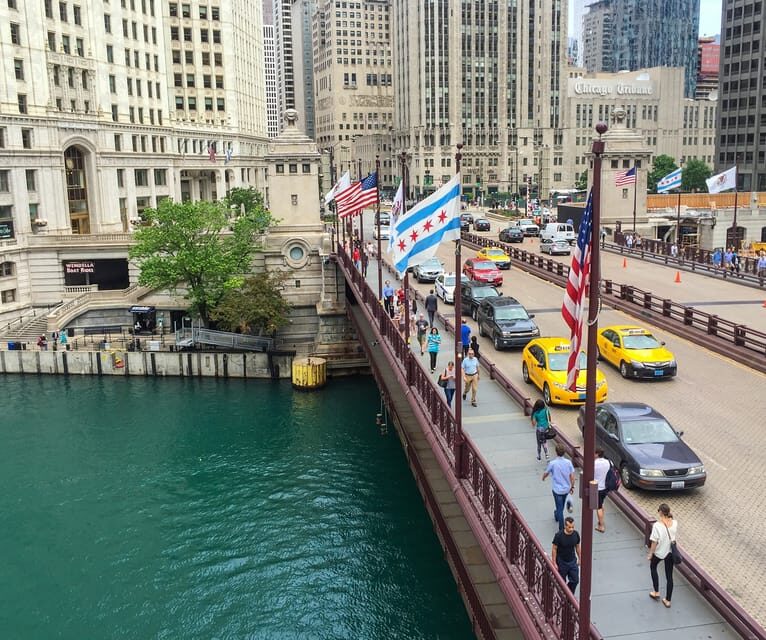
- DuSable Bridge as a turning point: You’ll hear how a 1920s bridge helped reshape a warehouse-and-factory area into a commercial district.
- Architectural icons, explained in plain English: Expect stories behind famous buildings along North Michigan Avenue, including Tribune Tower, Wrigley Building, and 875 N. Michigan (formerly the Hancock Tower).
- Inside stops that go beyond the sidewalk: You’ll see interior decor at the Medinah Athletic Club (Egyptian to Renaissance) and bas relief sculptural panels in an Art Deco office building.
- Branding meets skyline design: The tour connects vertical “mall” thinking, hotels, and tower design with the brands shown inside.
- Your ticket supports education in Chicago: CAC ticket purchases fund local programs like Girls Build!, Teen Fellows, and design competitions.
Starting at the Chicago Architecture Center: Get Oriented Fast
You begin at the Chicago Architecture Center, 111 E Wacker Drive. Before you hit North Michigan Avenue, you get admission to the CAC Galleries, which is a smart move for a short tour. Even if you only skim, the interactive model of Downtown Buildings helps you understand how the core of Chicago grew into what it is now.
This is where the tour earns its keep. Instead of just naming buildings, you get the bigger framework first: styles of architecture across Chicago and models showing how skyscrapers developed over time. When you later see the street’s famous faces, you’re watching architecture rather than just passing landmarks.
I also like that this is run by a nonprofit. Ticket purchases support Chicago Architecture Center education initiatives, including Girls Build!, Teen Fellows, and the Newhouse Architecture + Design Competition, and they help keep other community programs like Open House Chicago free for participants. That means your “tour time” doubles as support for local education, not just entertainment.
You can also read our reviews of more walking tours in Chicago



Pine Street to Paris on the Prairie: How One City Plan Changes Everything
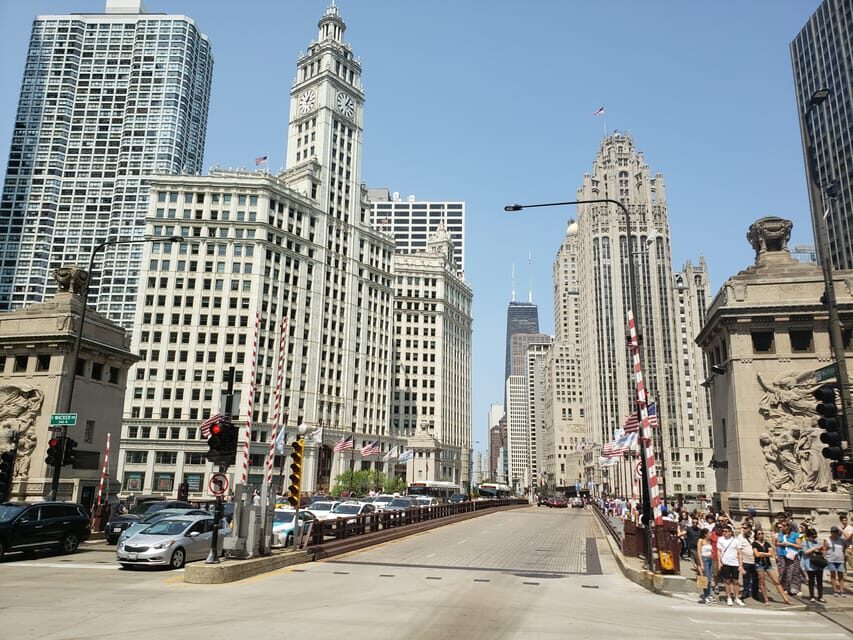
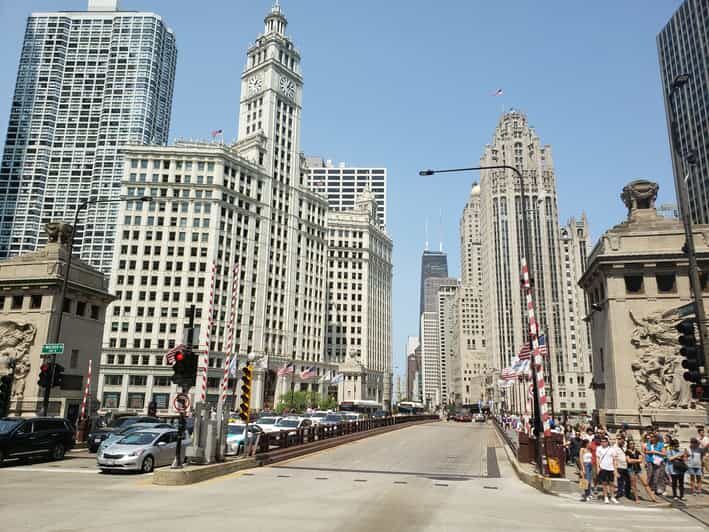
The story starts with a surprise: Pine Street began as a dirt road. From there, your guide builds the transformation into the idea Chicago aimed for with Paris on the Prairie. That phrase isn’t just branding; it connects to a planning mindset that shaped the look and feel of the city’s grand avenues.
You’ll hear how the widening of the avenue and the arrival of a more Parisian style of buildings took hold, with major influence credited to Daniel Burnham and the Plan of Chicago from 1909. This part of the tour is useful because it shows cause and effect. A plan leads to a street form, a street form supports development, and development creates the kind of skyline Chicago people are proud of.
And once you understand that, the Magnificent Mile doesn’t feel random. It feels like the result of choices made decades earlier—choices about transportation, density, and what kind of city experience people wanted to have when they walked out the door.
DuSable Bridge: The 1920s Move That Rewired the Downtown Edge
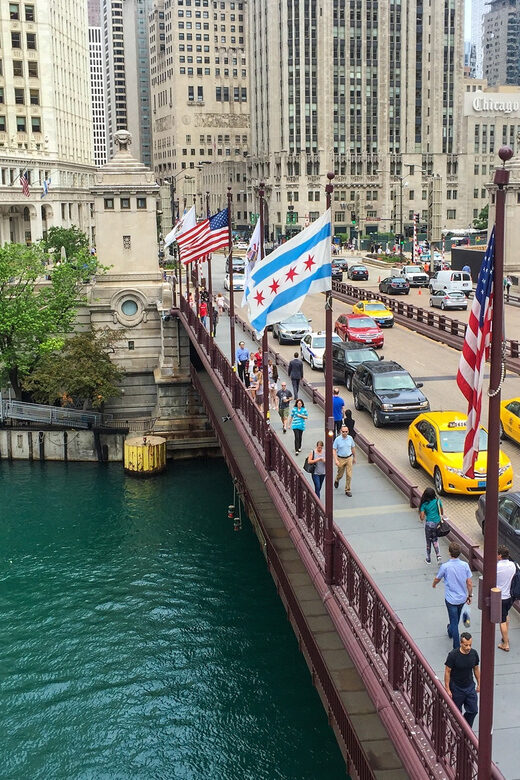
A short stop at DuSable Bridge gives you a different lens on the street. Instead of treating the Magnificent Mile as purely an elegant shopping stage, your guide explains its role in a bigger shift: in the 1920s, the bridge helped transform a warehouse and factory district into a commercial district.
This matters because it explains why North Michigan Avenue became such a high-value place. Bridges move people and connect areas, and once movement improves, land use follows. You’re basically learning the economic logic behind the aesthetics—why certain parts of Chicago rose faster, and why development clustered where it did.
Even if you don’t think about infrastructure when you travel, this stop helps you read the city. It turns the view into something you can decode: traffic, access, and commercial growth all shape what you see today.
North Michigan Avenue’s Icons: Stories Behind the Famous Facades
Then you get into the heart of the corridor—Michigan Avenue itself. This is the “walk-and-look” stretch, but with guided direction that keeps it from becoming autopilot.
You’ll learn the secrets and stories behind striking buildings that are known around the world, including Tribune Tower, the Wrigley Building, and 875 N. Michigan Avenue, which was formerly the Hancock Tower. Instead of just admiring them, you’ll connect the architecture to how Chicago markets itself: big public gestures, strong identities, and design that holds up at street level.
One stop worth lingering on is the Wrigley Building. You get about five minutes there, which sounds short until you realize the guide is using that time to focus you on the details that make it meaningful. With a little coaching, those minutes feel productive rather than rushed.
This section is also a good reminder that Chicago architecture isn’t just about height. It’s about presence—how buildings front the street, how they frame the walk, and how they create a skyline you can experience on foot.
875 N. Michigan and the Real Meaning of Chicago’s Vertical City
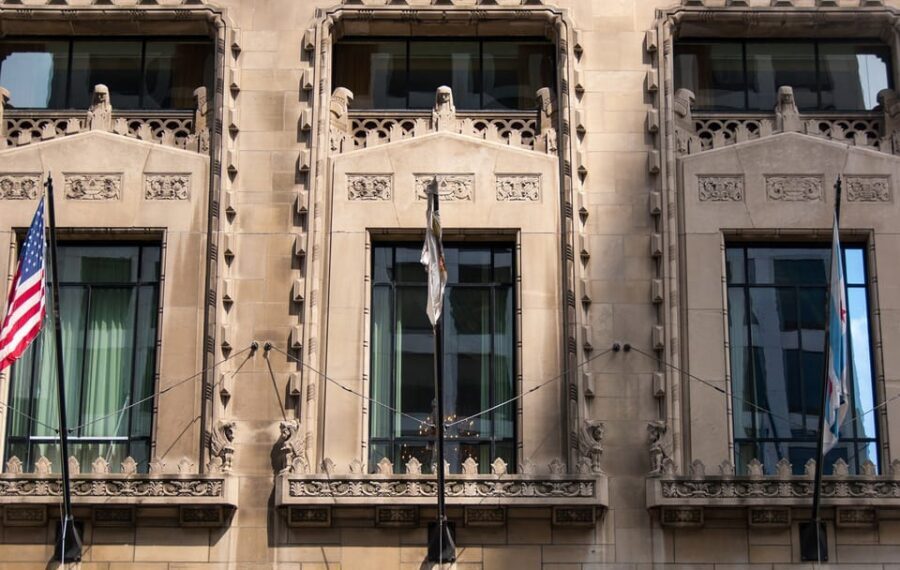
Your guide also brings up 875 N. Michigan Avenue (formerly the Hancock Tower). That detail is more than trivia; it shows how buildings can carry shifting identities over time. Chicago loves reinvention, and the skyline reflects that even when the structure stays put.
As you walk, you’ll notice something else the tour calls out: the Magnificent Mile isn’t only a shopping district. It’s a vertical city. Hotels, residential towers, and the idea of vertical malls shape how you experience the street—shops aren’t just at ground level, and the buildings aren’t just offices. The tour frames the corridor as a brand machine in stone, glass, and steel.
Your guide points out how buildings were designed to embody the brands sold inside. That’s why this district feels different from a normal “main street.” It’s an entire environment engineered to keep you moving up, browsing, and returning to the street when you need a break.






Medinah Athletic Club Interiors: Egyptian to Renaissance
One of the most interesting parts of this tour is that it goes indoors in meaningful ways. You’ll see inside the Medinah Athletic Club, with decor that ranges from Egyptian to Renaissance styles. That mix is a perfect example of how Chicago buildings didn’t just copy one look; they assembled design languages to create an atmosphere.
This stop is valuable because it teaches you to notice contrast. On North Michigan Avenue you get big civic and commercial statements. Inside the Medinah Athletic Club, you get a different story—one that’s more about mood, materials, and decorative choices than skyline bragging rights.
If you only wanted exterior views, you’d miss the point. This interior glimpse helps you understand why Chicago’s architecture has always been more than a photo backdrop. It’s built for living, working, and showing off taste.
An Art Deco Office Building Stop: Bas Relief Panels Up Close
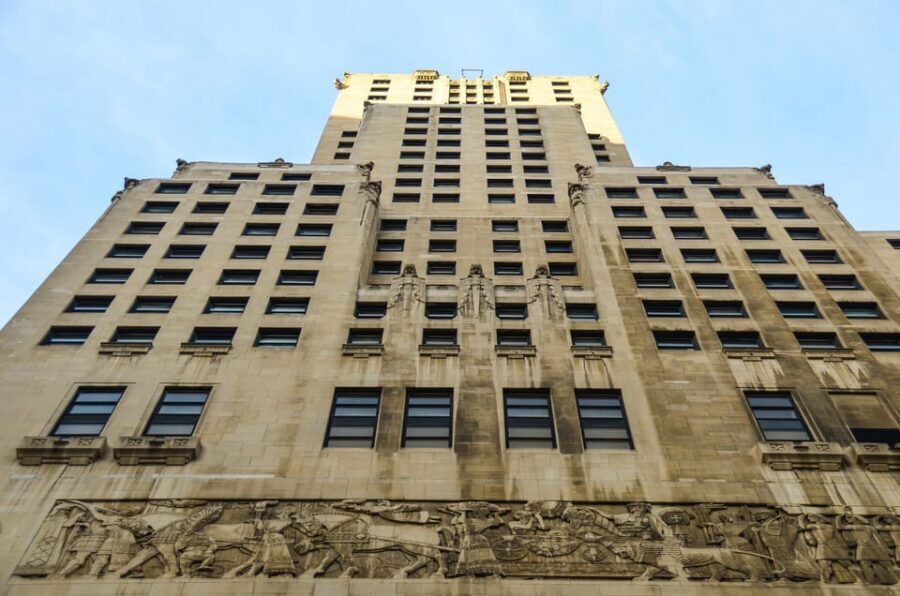
Another highlight is seeing bas relief sculptural panels inside an Art Deco office building. This is the kind of detail most people walk past. With a guide, you get a chance to slow down and look at how sculpture can be integrated into architecture, not just placed inside a museum.
Bas relief is one of those “once you know, you can’t unsee it” features. It sits between flat design and full sculpture, giving surfaces texture and depth that changes with the angle of light. Standing there with your guide, you’ll probably start noticing similar treatments on nearby facades.
For me, this is where a walking tour turns into an actual education. You’re training your eyes to recognize design choices and how they communicate style—especially when the style is as recognizable as Art Deco.
From InterContinental to Storefronts: How Modern Brands Fit the Historic Street
As you continue, the tour ties the corridor’s architecture to the modern shopping experience. You’ll visit the InterContinental Chicago Magnificent Mile, an IHG Hotel, again with about five minutes to take it in without it dragging. Hotels are a big part of why the Magnificent Mile works: they bring in visitors who want an efficient walk-to-everything experience.
Then you’ll spot brand-store stops along the way, including Burberry and Apple Michigan Avenue. You’re not there to browse for hours. The point is to connect storefront placement with the way the district is designed to funnel people through a highly curated environment.
This section is interesting even if you don’t shop much. It shows how Chicago’s architecture planning has continued into the present day: vertical development, prime frontage, and building-to-brand alignment. You start seeing the Magnificent Mile as a designed system, not a random cluster of famous shops.
Price and Value: What $35 Buys You in 90 Minutes
This tour is listed at $35 per group up to 1, with a 90-minute duration. On paper, that’s a short time. In practice, it works because it’s concentrated: you get a guided storyline that covers city planning, bridge-driven growth, major icons, plus interior architecture looks.
The included admission to the CAC Galleries is a key value piece. You’re paying for both the architecture education inside and the walking portion outside. And because the guide is described as professional and certified, you’re getting direction on what matters, not just a list of sights.
If you’ve got limited time in Chicago, this is a strong option. It’s a good “high signal” tour: less wandering, more connections between cause and effect in the city’s development. Just remember the tradeoff—this is not a deep neighborhood crawl. It keeps you mostly in the Magnificent Mile corridor.
What About Timing, Weather, and Carry-Ons?
This tour runs rain or shine, and it’s noted that there are no refunds due to weather. So bring a plan for a damp Chicago day: a light rain layer and shoes that handle slick sidewalks.
You also won’t have secure storage for luggage or strollers. If you’re traveling with bags, plan to travel light or handle luggage elsewhere. Pets are not allowed (service animals are welcome), so keep your packing list strict.
And about mobility: while it’s marked wheelchair accessible, it’s also listed as not suitable for people with mobility impairments. Since this is a walking tour with time outdoors, I’d treat that as a prompt to evaluate your comfort with sidewalk conditions and the pace.
Should You Book This Magnificent Mile Walking Tour?
Book it if you want a short, guided architecture story that connects planning decisions to the buildings you see every day. It’s especially worth it when you like details: you get interior looks at the Medinah Athletic Club and an Art Deco office with bas relief panels, plus an orientation at the CAC Galleries that makes the skyline make more sense.
Skip it or pair it with something else if you want a broader sweep beyond the Michigan Avenue corridor. The tour is focused, and one past reviewer wanted more territory and more streets. If you’re aiming for a wider neighborhood feel, you may want to add another Chicago walk that branches out.
If you’re a first-timer or you just want your bearings fast, this is a good use of an hour and a half. And if you’re the type who likes to understand the why behind the where, the Pine Street to Paris on the Prairie to Magnificent Mile storyline gives you that.
FAQ
Where is the meeting point for the tour?
Check in inside the Chicago Architecture Center at 111 E Wacker Drive, Chicago, IL 60601.
How long is the Magnificent Mile walking tour?
The tour lasts about 90 minutes.
What is included in the ticket price?
You get admission to the Chicago Architecture Center galleries plus a professional and certified guide.
How much does the tour cost?
The price is $35 per group up to 1.
Are pets allowed on the tour?
Pets are not allowed, but service animals are welcome.
Is the tour wheelchair accessible?
The tour is marked wheelchair accessible, but it is also listed as not suitable for people with mobility impairments.