REVIEW · WALKING TOURS
Chicago: Treasures of the Golden Age Walking Tour
Book on GetYourGuide →Operated by Chicago Architecture Center · Bookable on GetYourGuide
Chicago turns architectural history into a street-level story. This 2-hour walk focuses on the Golden Age (1890s–1930s) and follows the architectural glow-up along Michigan Avenue and State Street, with a local expert trained by the Chicago Architecture Center.
I especially like the mix of big-name landmarks and design styles—Beaux Arts, neo-Georgian, and neo-Gothic—plus the fact that the guide doesn’t just point; they explain why Chicago’s leaders were so determined to become a cultural metropolis after 1893. One thing to plan around: it’s a walking tour with no secure place for luggage or strollers, and the route involves enough time on your feet that it may not suit everyone with mobility impairments.
In This Review
- Key Takeaways Before You Go
- Golden Age Chicago on Michigan Avenue and State Street
- Starting at the Chicago Architecture Center Exhibits
- The Golden Age Design Styles You’ll Keep Hearing About
- Chicago Cultural Center and the Tiffany Dome Moment
- Marshall Field’s (Now Macy’s) and the Art of Department-Store Power
- Palmer House: A Restored 1920s Hotel With Real Personality
- The Guides: Stories That Make the Buildings Click
- How Much Walking Is It Really?
- Value Check: Is $35 a Smart Spend for What You Get?
- A Few Things to Plan So the Tour Feels Easy
- Who This Tour Fits Best (and Who Should Skip It)
- Should You Book Chicago: Treasures of the Golden Age Walking Tour?
- FAQ
- Where do I meet for the tour?
- How long is the walking tour?
- What’s included with the ticket?
- Are pets allowed?
- Is the tour wheelchair accessible?
- Can I bring luggage or a stroller?
Key Takeaways Before You Go
- Chicago Architecture Center–trained guidance: you’re getting a local expert voice grounded in the city’s architectural authority
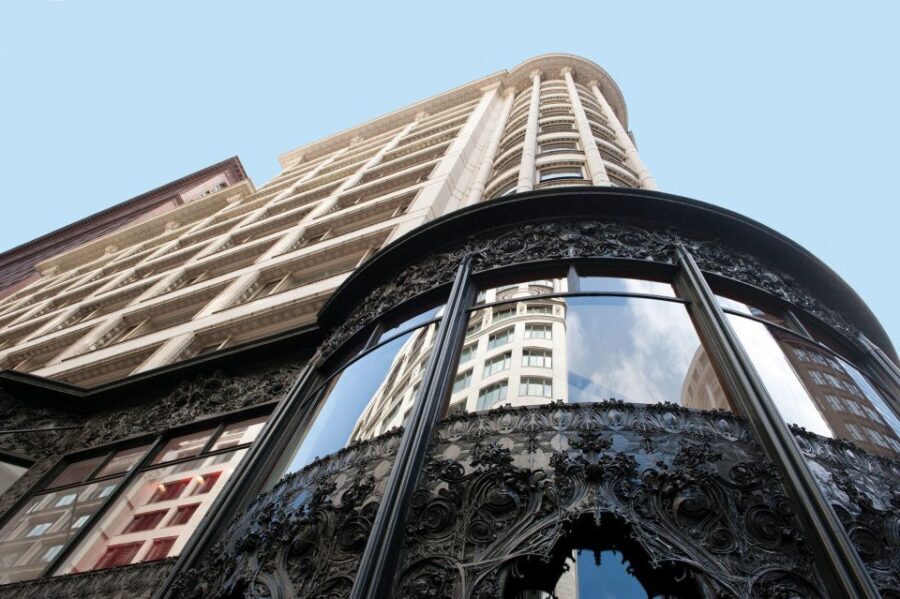
- Golden Age styles you can see fast: Beaux Arts, neo-Georgian, and neo-Gothic, tied to the people and ambition behind them
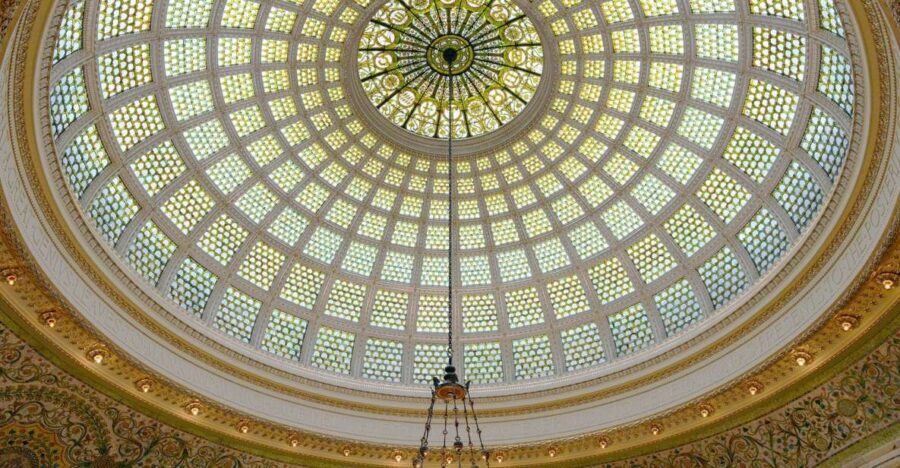
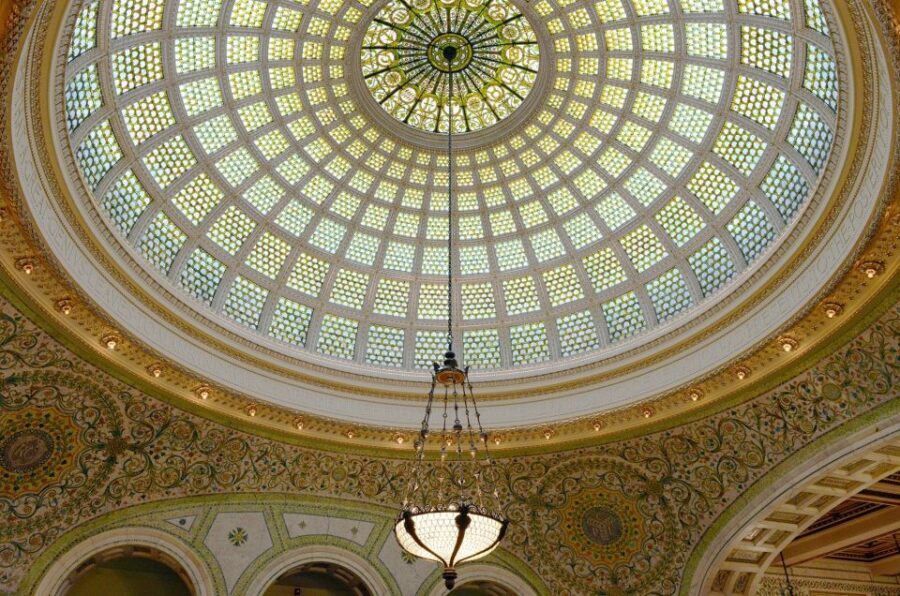
- Chicago Cultural Center visit: home to the world’s largest Tiffany dome, plus time to appreciate the interior drama
- Major Loop landmarks in 2 hours: you’ll cover enough ground to feel like you got the highlights without spending all day
- Some interior looks: the tour includes glimpses inside beloved buildings, not just photos from the sidewalk
- Worth it beyond the walk: admission to Chicago Architecture Center exhibits is included, and CAC ticket purchases support local education programs
Golden Age Chicago on Michigan Avenue and State Street
If you like cities that look dramatic even when you’re just crossing the street, Chicago delivers. This walking tour takes you straight into the Loop’s late-1800s-to-early-1900s building boom, when the city was showing off its new status with cultural buildings, department stores, skyscrapers, and concert halls.
The best part is how the guide connects style to reason. You’re not only learning what a building looks like. You’re learning what it meant. After the World’s Columbian Exposition of 1893, Chicago pushed hard to become a serious cultural metropolis. The architecture on this route is basically that ambition made stone, steel, and ornament.
I like that the tour focuses on the “why,” not just the “what.” You’ll hear about the men and women who inspired these projects, and you’ll see how revival styles borrowed from earlier eras—while still looking unmistakably Chicago.
You can also read our reviews of more walking tours in Chicago



Starting at the Chicago Architecture Center Exhibits
Check in at the Chicago Architecture Center, 111 East Wacker Drive. Before you start walking, you get admission to CAC exhibits. Think of it as your warm-up act: a chance to get your architectural bearings before you’re out on the sidewalks.
This matters more than it sounds. Once you’ve seen models, images, and key ideas inside, the exterior details you notice outside jump from random decoration to intentional design. And Chicago’s ornament can be so purposeful that it helps to have that context early.
Also, the CAC is a nonprofit organization, and ticket purchases directly support local education and community engagement projects. The tour is a sightseeing experience, but it’s also quietly funding programs like Girls Build!, Teen Fellows, and the Newhouse Architecture + Design Competition.
The Golden Age Design Styles You’ll Keep Hearing About
The tour doesn’t treat architecture like trivia. It frames it as a language. Expect the guide to repeatedly connect what you’re seeing to broader design trends from the late 19th and early 20th centuries.
Here are the styles you’ll hear about most:
- Beaux Arts: grand, formal, and proud of its symmetry and details
- Neo-Georgian: classic proportions and a more restrained, “old-world” feel
- Neo-Gothic: pointed forms and a vertical, cathedral-like energy
And there’s Chicago-specific meaning under that style mix. Chicago designers weren’t copying just to copy. They used revival styles to communicate confidence, permanence, and taste—during a period when the city wanted to be taken seriously on the national cultural stage.
You’ll also get names you can anchor your mental map to: Daniel Burnham, Louis Sullivan, and the firm Holabird and Roche. Even if you don’t know their body of work yet, the tour gives you a starting point so the names aren’t floating in your brain.
Chicago Cultural Center and the Tiffany Dome Moment
One of the standout stops is the Chicago Cultural Center, famous for the world’s largest Tiffany dome. Even if you’re not a “museum person,” this is the kind of building that makes you slow down. The point here isn’t just scale. It’s that the tour invites you to actually look—at how the space is shaped, how the details guide your eye, and how public culture was meant to feel in a city competing for attention.
You’ll also learn how the Cultural Center fits the bigger story: Chicago didn’t just want tall buildings. It wanted cultural institutions that signaled the city’s sophistication.
Practical tip: this is a building stop where you’ll benefit from good walking shoes. You’ll want to pause, angle yourself for views, and take in interior moments without rushing.
Marshall Field’s (Now Macy’s) and the Art of Department-Store Power
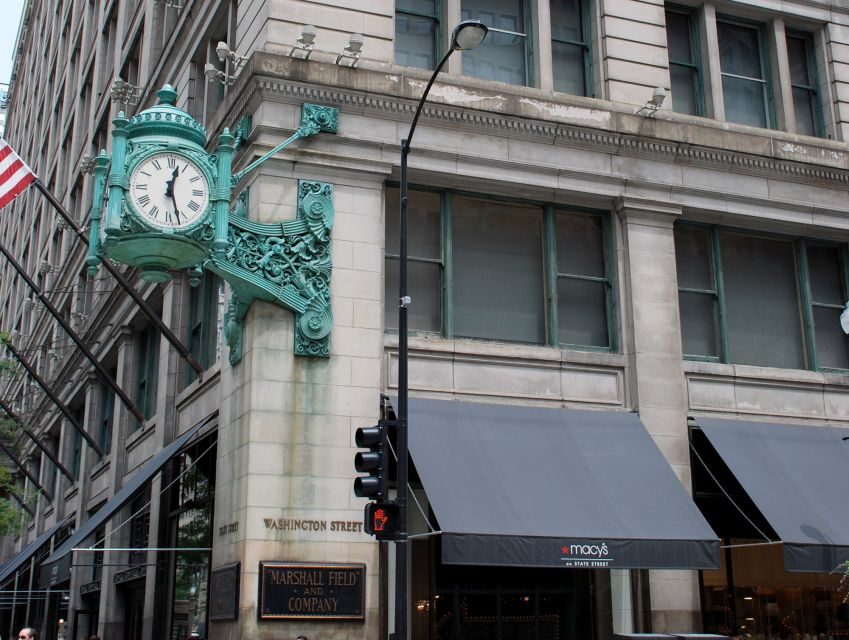
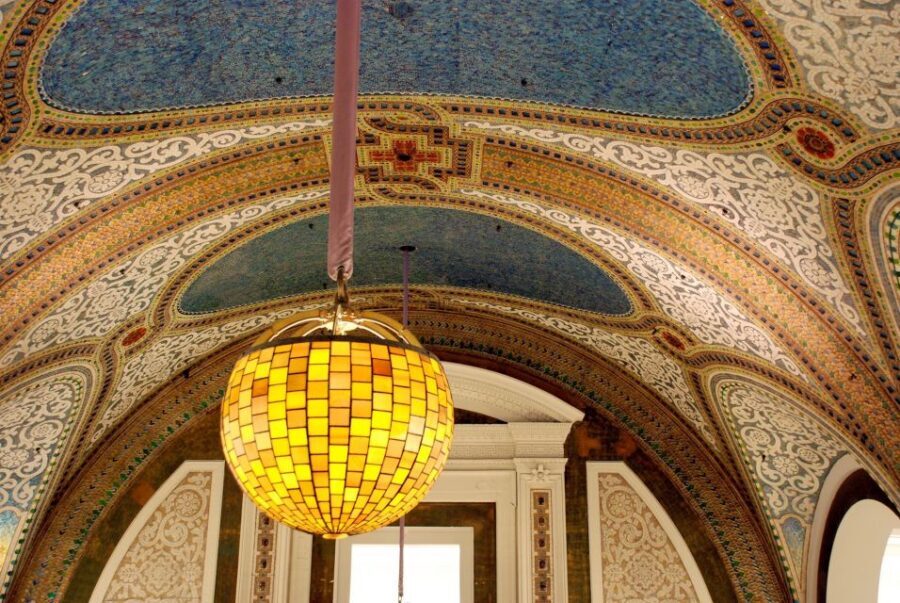
Next up is the Loop’s retail landmark: Marshall Field’s, now Macy’s on State. Department stores weren’t just shopping. In the Golden Age, they were civic stages—cathedrals for commerce—with architecture that helped turn buying into an experience.
What I like about this stop on the tour is that it ties a commercial building to the same citywide ambitions as museums, concert halls, and grand civic spaces. It also gives you a way to interpret details you might otherwise overlook: ornamental styles, how entrances and facades signal importance, and the way the building’s design supports its public role.
If you’re the type who likes seeing how “regular life” spaces reflect big design ideas, you’ll enjoy this. It’s a reminder that architecture isn’t only for government offices and banks. Chicago put its best design instincts into places people actually used.






Palmer House: A Restored 1920s Hotel With Real Personality
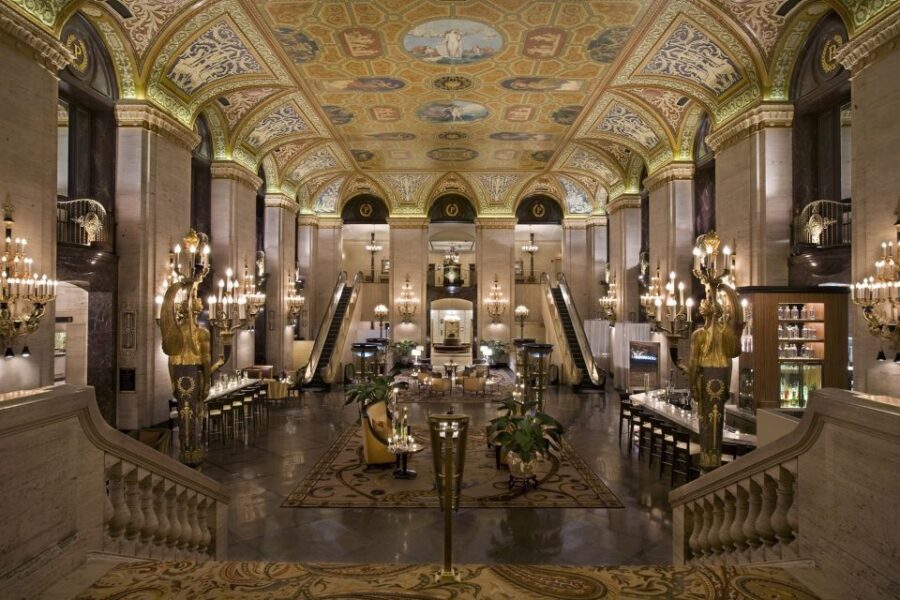
Then there’s the Palmer House, described as a beautifully restored hotel from the 1920s. Hotels are often underrated on architecture walks, mostly because they don’t look “official” like courthouses. But that’s exactly why this stop works.
In a city obsessed with status and arrival, hotels became symbols of hospitality and modern city life. The Palmer House stop helps you see how the Golden Age wasn’t only about monuments. It was about everyday prestige, where a visitor’s experience mattered.
The tour’s approach is also practical: you’re not stuck looking at one facade forever. You’re moving, hearing the story, and getting just enough interior access to make the building feel like a place, not a postcard.
The Guides: Stories That Make the Buildings Click
The tour’s guide training is a big part of its credibility. You’ll hear from someone trained by the Chicago Architecture Center—the city’s leading authority on architecture—and the effect is noticeable: the walk is organized around meaningful explanations, not random facts.
The vibe from guide names shows a pattern of engaging presentation. Some groups have had guides like Doug, Ron, Paul S, Jackeline, Maureen, John, and Tony. Across different groups, the recurring theme is that the guide talks with energy and makes the details feel readable, even when architecture gets technical.
I also like that the pacing seems designed for real sightseeing: enough time at each stop to look around, plus a steady rhythm so you don’t feel stuck waiting for the next group photo.
One practical note: since it’s a walking tour, you’ll want to be able to hear. Many groups use amplification (a microphone system is mentioned in at least one account), which helps when you step away slightly to get a better view.
How Much Walking Is It Really?
This tour runs 2 hours, and it’s a Loop walk centered on Michigan Avenue and State Street. That means steady foot time. If you’re planning for mobility limits, read this carefully: the tour is marked wheelchair accessible, but it’s also labeled as not suitable for people with mobility impairments.
Translation for your planning brain: if walking distances and uneven urban sidewalks are an issue for you, you should treat this as a potentially tough day. Also remember the “no luggage or large bags” rule. You’ll want to travel light.
Good footwear wins here. It’s not just comfort. Better shoes mean you can actually stop, look up, and enjoy the details without your legs saying, thanks but no thanks.
Value Check: Is $35 a Smart Spend for What You Get?
At $35 per group (with a small-group setup), you might wonder what’s included besides the walk. The answer is: more than you’d expect.
You get:
- A 2-hour walking tour
- A Chicago Architecture Center certified guide
- Admission to the Chicago Architecture Center exhibits
That CAC exhibits admission alone makes the ticket feel less like you’re only paying for narration on the street. You’re paying for context before the walk, plus expert storytelling while you’re outside.
Then there’s the nonprofit angle. The CAC is a certified nonprofit, and ticket purchases support education initiatives such as Girls Build!, Teen Fellows, and the Newhouse Architecture + Design Competition. That doesn’t change the architecture you’ll see, but it does mean your money isn’t only funding a one-time tour—it’s funding education and community engagement.
My value take: if you’ve got limited time in Chicago, this is an efficient way to get a concentrated dose of Golden Age architecture without building a DIY route from scratch.
A Few Things to Plan So the Tour Feels Easy
Here’s what you should keep in mind so you don’t get surprised on the day.
- No storage for luggage or strollers and no coat check. If you’re traveling light, great. If you’re carrying extras, plan ahead before you head to the meeting point.
- Rain or shine: the tour departs in bad weather too. You’ll want a rain layer and shoes that won’t turn your day into a slip-and-slide contest.
- ID required: bring a passport or ID card.
- Pets not allowed: service animals are welcome.
One more audio/experience tip: if you’re the kind of traveler who needs to hear every sentence, aim to stay near the guide when the group stops. Even with amplification, your best listening position helps.
Who This Tour Fits Best (and Who Should Skip It)
This walking tour is a strong match if you:
- Want a fast, high-quality architecture overview of the Loop’s Golden Age
- Enjoy learning how design styles connect to history and ambition
- Like seeing interiors when possible, not only street views
- Want an expert guide trained by the Chicago Architecture Center
You might want to choose something else if you:
- Need significant storage for bags or strollers
- Prefer minimal walking time
- Have mobility needs that make sidewalk walking difficult
Should You Book Chicago: Treasures of the Golden Age Walking Tour?
Yes, with one clear condition: you’re comfortable with a 2-hour walking plan and you can travel light.
I’d book it if you’re curious about why Chicago’s architecture looks the way it does—especially the revival styles—and you want that story told by someone trained by the city’s architecture authority. The Chicago Cultural Center stop, the Tiffany dome, the Marshall Field’s/Macy’s landmark, and the Palmer House interior glimpses make this feel like more than a generic highlights walk.
If you’re visiting for a short time and want the Loop’s Golden Age in a single, well-paced outing, this is a smart use of your hours. Bring comfy shoes, keep your hands free of big bags, and go in ready to look up. Chicago rewards that habit.
FAQ
Where do I meet for the tour?
You check in inside the Chicago Architecture Center at 111 East Wacker Drive, Chicago, IL 60601.
How long is the walking tour?
The tour lasts 2 hours.
What’s included with the ticket?
Your ticket includes admission to Chicago Architecture Center exhibits, the 2-hour walking tour, and a Chicago Architecture Center certified guide.
Are pets allowed?
No pets are allowed, but service animals are welcome.
Is the tour wheelchair accessible?
The tour is marked wheelchair accessible, but it is also labeled as not suitable for people with mobility impairments.
Can I bring luggage or a stroller?
There is no storage for luggage or strollers, and you should plan not to bring luggage or large bags. Coat check is not available.