REVIEW · GUIDED
Chicago: Wind and Souls Adults Only Guided Ghost Tour
Book on GetYourGuide →Operated by Ghost City Tours · Bookable on GetYourGuide
Chicago’s darker side has a walking route. This adults-only tour turns major sites into a story loop of gangsters, paranormal lore, and real tragedies you can’t brush off. I like that it doesn’t treat ghosts as pure entertainment; it threads the story through Chicago places you can actually point to—starting at the Chicago Theatre and moving street by street through the city’s most infamous addresses.
I also like how the tour keeps you busy with a steady rhythm of stops, not a long lecture. You’ll hit the Alley of Death, the Congress Plaza Hotel, and end with a Capone-linked finish at Exchequer Restaurant and Pub. One consideration: this is a 90-minute walking tour, so comfortable shoes matter, especially if you’re not used to standing and moving in the dark.
In This Review
- Key highlights at a glance
- Getting Started Outside the Chicago Theatre
- The Iroquois Theatre Fire: 602 Lives and Lingering Questions
- Alley of Death Behind the Nederlander Theatre
- Frederick H. Hild at the Chicago Cultural Center
- Lincoln Park’s Graveyard Under Your Feet
- Art Institute of Chicago: 300,000 Items Rumored Haunted
- Congress Plaza Hotel and Stephen King’s Chicago Connection
- Ending at Exchequer Restaurant and Pub with Al Capone
- Price and Timing: Is $34 Worth It?
- Who This Adults-Only Ghost Tour Fits Best
- Should You Book Wind and Souls?
- FAQ
- Where is the meeting point for the tour?
- How long is the Chicago: Wind and Souls Adults Only Guided Ghost Tour?
- How much does the tour cost?
- Is the tour guided and in what language?
- Is this tour suitable for children?
- Does it run in bad weather?
- Are video recordings allowed?
- Is hotel pickup and drop-off included?
- Is the tour wheelchair accessible?
Key highlights at a glance
- Iroquois Theatre Fire details: the tour explains the tragedy tied to the Chicago Theatre with a specific death toll.
- Alley of Death behind the Nederlander Theatre: the darker side of Chicago is right where the buildings pinch in.
- Frederick H. Hild at the Chicago Cultural Center: a specific ghost legend gets tied to a specific room and vibe.
- Lincoln Park’s graveyard history: you’ll look at the park differently after learning what’s under it.
- Art Institute rumors with scope: 300,000 items are mentioned in the haunted-collection talk.
- Congress Plaza Hotel and Stephen King: a famous literary connection gives the scare real teeth.
Getting Started Outside the Chicago Theatre
You’ll meet your guide just outside the Chicago Theatre near the walkway, which is a smart choice for a night tour. It puts you right at the start of the story, with a clear anchor for everything that follows.
This tour is English, adult-only (not for kids under 16), and it runs rain or shine. I’d treat that as a cue to dress for Chicago weather, not museum weather. If you’ve ever tried to do a history tour in sneakers that aren’t grippy, you’ll appreciate the simple instruction: bring comfortable shoes.
One more practical detail: there’s no video recording allowed. That’s not a huge deal, but it does change the feel of the tour. You’re more likely to pay attention in the moment, instead of half-recording and half-watching.
The vibe is also very guide-driven. The tour provider Ghost City Tours appears to lean on animated narration, and the ratings back that up: guides like Joe and Tory get called out by name for being excellent and for making the experience exciting and informative.
You can also read our reviews of more guided tours in Chicago


The Iroquois Theatre Fire: 602 Lives and Lingering Questions
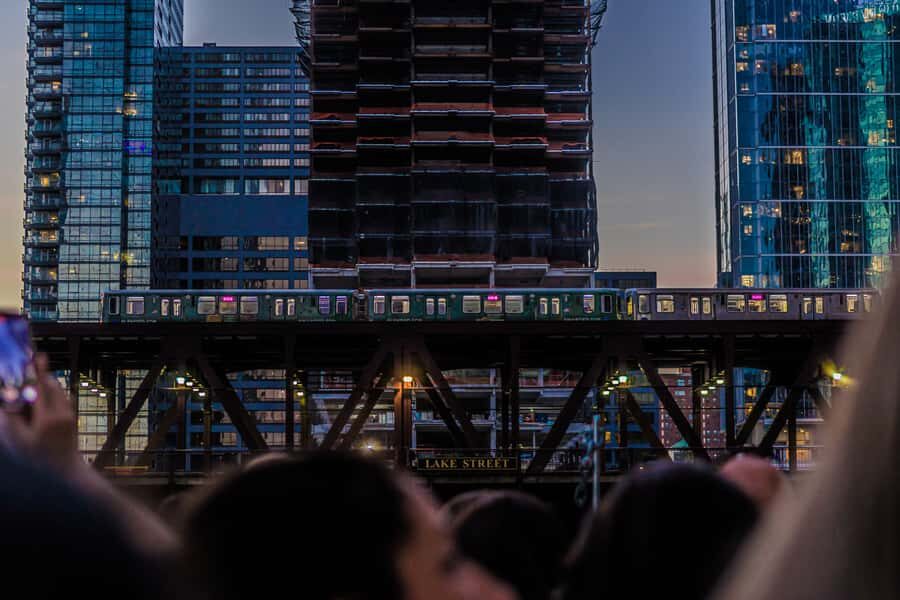
The tour kicks off at the Chicago Theatre, and it quickly grounds itself in one of the most painful chapters in Chicago performance history. You’ll hear about the Iroquois Theatre Fire, described with a very specific number: 602 lives were lost.
This is where the tour’s approach matters. It doesn’t ask you to ignore facts while talking ghosts. Instead, it uses the tragedy as the emotional baseline, so the paranormal talk doesn’t float off on its own. Even if you’re skeptical, it gives weight to why people still talk about the area and why the building’s story feels heavy at night.
For your experience, that means the scare isn’t just about spooky sound effects. It’s about the way a city holds onto memory—especially when the memory is tied to a place people once packed tightly together for entertainment.
Possible downside? If you’re more interested in light, fun hauntings, this start can feel serious fast. But if you want the ghost stories to have real Chicago context, this opening is the point.
Alley of Death Behind the Nederlander Theatre
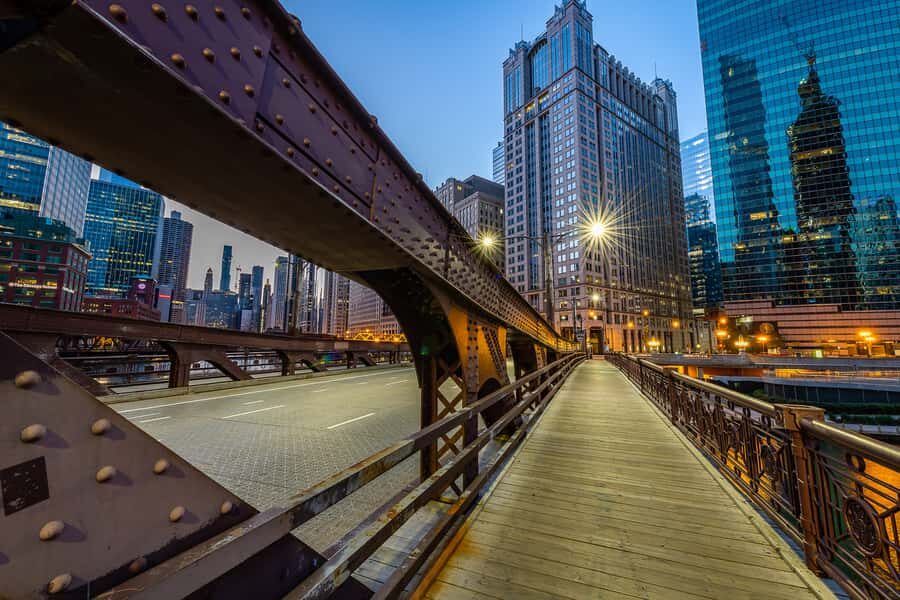
Next stop: the Alley of Death behind the James M. Nederlander Theater. This is the kind of location where darkness feels built-in. Tight corridors, changing sightlines, and the idea that people once moved through this space for plays and nightlife makes the storytelling land better than it would in an open plaza.
The tour links the setting to paranormal whispers that are still part of the story people tell about the alley. Even if you don’t take the supernatural literally, the atmosphere is what makes it work: you’re physically in the same geometry that supports the legend.
This is also a good moment for you to adjust your mindset. Instead of hunting for jump-scares, pay attention to how the guide frames the city’s underlayers—gangster life, fear, and the way rumors travel through a neighborhood.
If you’re the type who gets uncomfortable in narrow, dark spaces, just know this is one of the more intense-feeling segments of the walk.
Frederick H. Hild at the Chicago Cultural Center
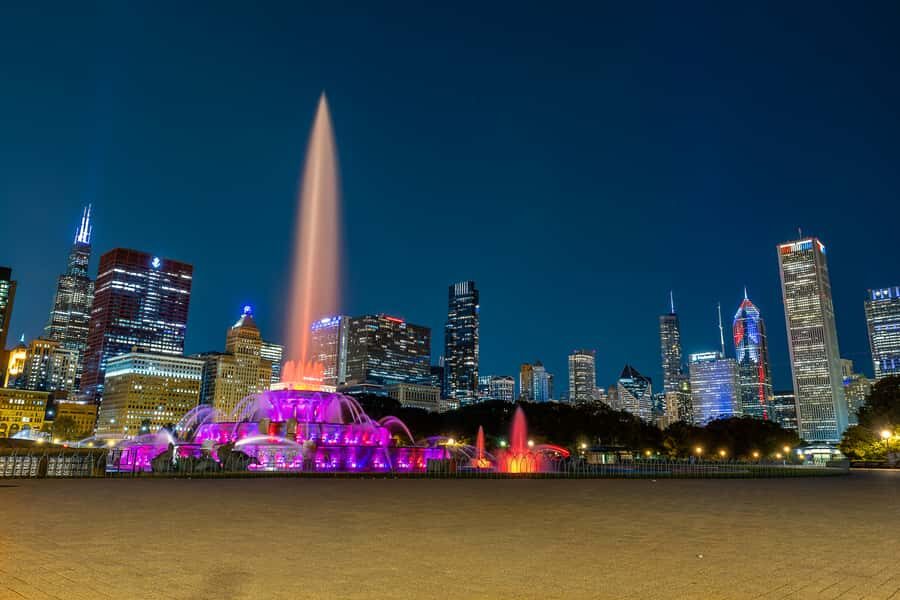
At the Chicago Cultural Center, the tour brings in a specific figure from the legend world: Frederick H. Hild, described as a ghostly librarian who roams the halls. That detail helps, because it turns a vague haunting into a more concrete idea of presence.
The value for you here is the contrast. You’re moving from outer-city grime and back-alley tension into a cultural landmark where the architecture and calm can make the story feel more eerie, not less. A librarian ghost is also a fun twist compared with the usual names-and-chains horror template.
I like this kind of stop because it gives your brain something to picture. You can imagine how a quieter building would amplify footsteps, creaks, and the sense of being watched—without the tour needing to invent special effects.
Again, the tour stays grounded in specific places and specific legends rather than telling generalized ghost folklore. That makes the experience easier to remember once you’re done walking.
Lincoln Park’s Graveyard Under Your Feet
Lincoln Park is where the tour gets especially thought-provoking. You’ll learn about bodies beneath your feet, and the story makes the park feel more like a graveyard than a green escape.
This is a key part of why this tour earns its high rating. “Haunted” stops aren’t only about ghost stories. They’re about the feeling that Chicago layers time onto itself. A park you might normally see as daylight-friendly can suddenly feel like it has a darker backstory you never asked about.
For your planning, this stop is also a reminder that you’ll be on your feet for the full 90 minutes. Lincoln Park is a good place to slow down mentally, but you’ll still want steady footing and weather-appropriate clothing.
If you prefer your ghost tour purely supernatural and not historical-macabre, this might be the stop that challenges your expectations. But if you enjoy the way true crime and tragedy inform the city’s myths, this is a strong one.






Art Institute of Chicago: 300,000 Items Rumored Haunted
Then you’re at the Art Institute of Chicago, where the tour brings in a haunting rumor with serious scale: over 300,000 items are mentioned as rumored to be haunted.
This is the kind of storytelling that works best when you’re open to interpretation. You can’t verify the rumor in any normal way, but it changes how you look at an art museum at night. Instead of thinking only about exhibits, you start thinking about the objects as survivors—things people handled, curated, and stored over time.
What you’ll likely appreciate is that this doesn’t turn into a long museum history lecture. It uses the haunted angle to make the massive institution feel personal and eerie.
Possible consideration: if you’re hoping for detailed artist-by-artist info, this isn’t that kind of tour. It’s built to keep moving and keep the atmosphere going, using the museum as a scene rather than a classroom.
Congress Plaza Hotel and Stephen King’s Chicago Connection
One of the most famous stops is the Congress Plaza Hotel, called out as one of America’s most haunted hotels and tied to a chilling inspiration for Stephen King.
This is where the tour becomes extra fun for readers and movie-watchers. When a major writer’s name gets connected to a place, it gives you a shortcut into the imagination: you can understand why the story keeps being retold, and you can see how Chicago locations become material for horror.
For your experience, that connection matters because it’s not just local legend; it’s a cultural bridge. If you’ve read Stephen King or watched his adaptations, this stop gives you a physical place to attach to what you already know.
The drawback is simple: the Congress Plaza Hotel stop may feel intense if you’re already mentally loaded from earlier tragedy-related stories. You’ll be moving from fire and death themes into a hotel legend that’s built for maximum creep factor. That’s part of the design, but it’s worth knowing.
Ending at Exchequer Restaurant and Pub with Al Capone
The tour wraps up at Exchequer Restaurant and Pub, where the ghost of Al Capone is said to still haunt Chicago’s streets, with his spirit etched into the city’s dark history.
This ending works because it blends two threads the tour has been weaving all along: gangster lore and haunting atmosphere. Capone is an easily recognized name, but the tour uses him in a local way—rooted in the city’s story rather than vague myth.
If you want a practical way to carry the experience home, this is it. You’ll leave with a clear last image in your mind: a real restaurant and pub tied to a legend you can repeat later, instead of only remembering alleyways and captions.
Just note: the tour includes a guide only. Food and drinks aren’t included, so plan to grab something afterward if you still have energy.
Price and Timing: Is $34 Worth It?
At $34 per person for a 90-minute guided walking tour, you’re paying for three things: access to a dedicated guide, a tight story structure, and a route that covers a lot of major landmarks without you needing to research each one separately.
Is that value? In my view, yes—especially because the stop list is built around specific Chicago locations tied to specific legends and tragedies. You’re not buying a generic ghost mash-up; you’re buying a curated sequence that moves you from the Chicago Theatre fire story to the Alley of Death, then across a set of distinct, recognizable sites.
It’s not a bargain if you only want a quick taste or you hate walking at night. But for people who enjoy historical storytelling with supernatural seasoning, the price-to-time ratio is fair.
Also remember what’s not included. No hotel pickup or drop-off, and no food or drinks. That’s normal for walking tours, but it means you should plan how you’ll get there and whether you’ll eat afterward.
Who This Adults-Only Ghost Tour Fits Best
This tour fits you best if you like:
- Crime-and-legend mashups where real tragedies get discussed alongside ghost stories
- A guide-led walk with strong momentum and specific place-based tales
- A night outing that doesn’t require museum tickets or long sit-down time
It’s not for you if:
- You want a kid-friendly version (it’s not suitable for children under 16)
- You need lots of time to stop, read, and linger like a daytime sightseer
- You hate stories involving death and fire
A nice bonus is that the tour is wheelchair accessible, so it’s designed to be approachable for more mobility needs than many walking-only ghost tours.
Should You Book Wind and Souls?
Book it if you want a guided night walk through Chicago that treats haunting stories as part of the city’s identity—gangsters, tragedies, and paranormal legends all attached to real addresses. The high rating and the named guide praise (Joe and Tory for being great) are a strong sign that the storytelling is doing the heavy lifting.
Skip it if you want gentle, kid-safe fun or if you’re hoping for long museum-style context and details inside exhibits. This is built for movement, mood, and story beats you can feel in the dark.
If you’re deciding today, I’d say this is a solid pick for adults who like their Chicago history with chills attached—and who can handle a comfortable-shoes, rain-or-shine walk.
FAQ
Where is the meeting point for the tour?
Meet your tour guide just outside of the Chicago Theatre near the walkway.
How long is the Chicago: Wind and Souls Adults Only Guided Ghost Tour?
The tour lasts 90 minutes.
How much does the tour cost?
It costs $34 per person.
Is the tour guided and in what language?
Yes, it includes a live tour guide, and the tour is in English.
Is this tour suitable for children?
No. It is not suitable for children under 16 years old.
Does it run in bad weather?
Yes, it takes place rain or shine.
Are video recordings allowed?
No, video recording is not allowed.
Is hotel pickup and drop-off included?
No. Hotel pickup and drop-off are not included.
Is the tour wheelchair accessible?
Yes, the tour is listed as wheelchair accessible.