REVIEW · HISTORICAL TOURS
Black Heritage Tour
Book on GetYourGuide →Operated by Chicago Personal Neighborhood Tour · Bookable on GetYourGuide
A Great Migration story, told by the people who lived it. This Black Heritage Tour takes you through key Chicago stops tied to the journey north, from the rail stations that brought thousands into the city to the neighborhoods that became home. I especially liked the way the guide frames each area with clear context and why it mattered, and I liked the photo-friendly stops that keep you from feeling like you are only looking out a window.
I also like that, even though it is a big bus, the experience is built around small groups for real conversation. One possible drawback: the tour is not a drop-in walking tour, and it does not list exact address-by-address stops, so you’ll want to be comfortable with a moving route and roadside views.
In This Review
- Quick Hits Before You Go
- A Small-Group Bus Ride Through the Great Migration Route
- Following the Trains Into Chicago (Not Just the Sights)
- Bronzeville and the Middle-Class Story You Can Actually See
- Pilgrim Baptist Church: Gospel Music’s Turning Point
- Celebrity Home Passes and the Elijah Muhammad Stop
- Jean Baptiste DuSable: The City’s Starting Point Framed for You
- First-Hand Stories That Make the Facts Stick
- How the Route Works: Pickup, Return, and Photo Moments
- Price and Value: Is $125 Worth It for a 4-Hour Tour?
- Who This Tour Suits Best (And Who Might Want Something Else)
- Extras You Can Add: Concerts, Restaurants, and Custom Needs
- Should You Book the Black Heritage Tour?
- FAQ
- FAQ
- Where does the Black Heritage Tour pickup?
- How long is the tour?
- What is the price per person?
- Is pickup included from downtown hotels?
- What does the tour focus on?
- Do you visit Pilgrim Baptist Church?
- Will I see celebrity-related locations?
- Does the guide share stories or only show locations?
- Can the route be customized?
- Is the tour suitable for children?
- How much notice is needed for larger groups?
Quick Hits Before You Go
- Small-group feel on a bus: big vehicle, but 90% of tours seat 11 people or less
- Great Migration route in plain language: you follow the path north to Chicago and the neighborhoods that grew from it
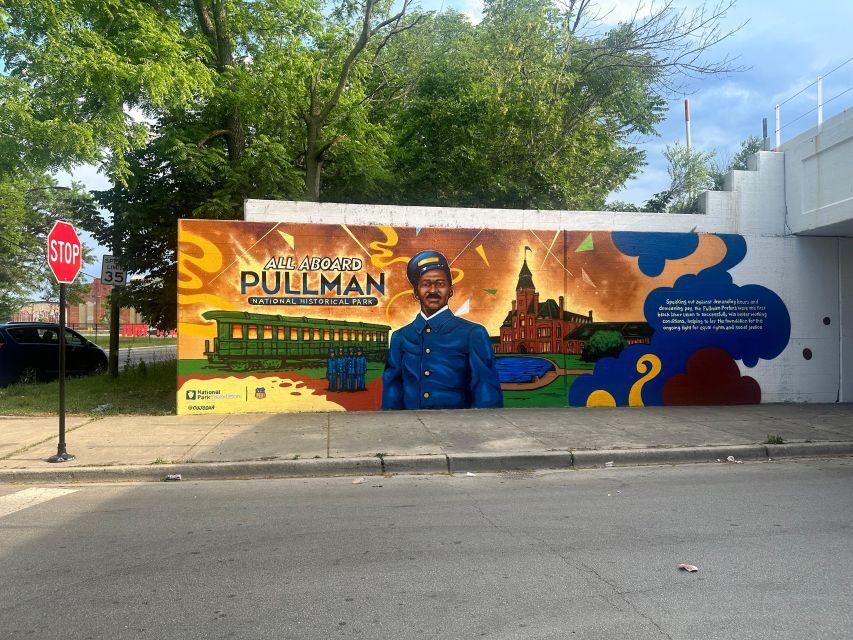
- Pilgrim Baptist Church stop: a key place tied to the birth of modern gospel music
- Photo opportunities built into the route: multiple chances to pause and shoot what you are learning
- Optional custom deviation: you can add flexibility if your group wants it
A Small-Group Bus Ride Through the Great Migration Route
This tour is a bus tour, but it does not feel like a sightseeing cattle call. The setup is a big bus, yet the practical reality is small-group seating for most departures. That matters because the guide can actually interact with you, answer questions, and keep the stories moving instead of getting swallowed by a loud group.
You’ll also appreciate the pacing. It is long enough to cover real ground and key neighborhoods, but short enough that the tour stays focused: 4 hours built around the Great Migration story as it played out in Chicago. If you want a single outing that ties together geography and meaning, this format works well.
One nice detail: custom deviation is optional. If you have a special interest or a specific need for your group, that flexibility can turn a good tour into a more personal one.
You can also read our reviews of more historical tours in Chicago
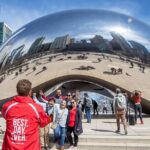


Following the Trains Into Chicago (Not Just the Sights)
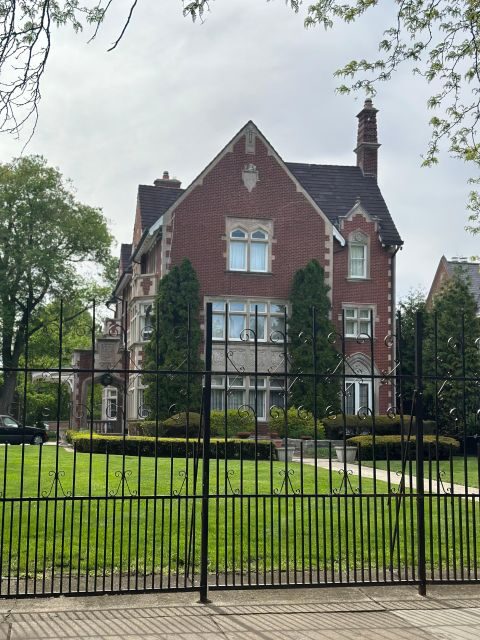
The Great Migration is usually taught as a big-wave headline. On this tour, you see how it connected to specific movement—especially the train stations where thousands arrived headed for Chicago’s largest Black neighborhood in America.
What I like here is the way the tour treats transportation as more than trivia. The rail arrival is the turning point. It is the moment when a life changes, when communities scale up, and when new cultural hubs get built fast. Watching the route on a bus and hearing the reasoning behind each stop gives you a mental map that stays with you long after the ride ends.
You’ll also hear about how Chicago’s Black neighborhoods evolved along the migration path. That makes the tour useful even if you have already read a few historical summaries, because you’re not memorizing dates—you are connecting the dots between routes and neighborhoods.
Bronzeville and the Middle-Class Story You Can Actually See
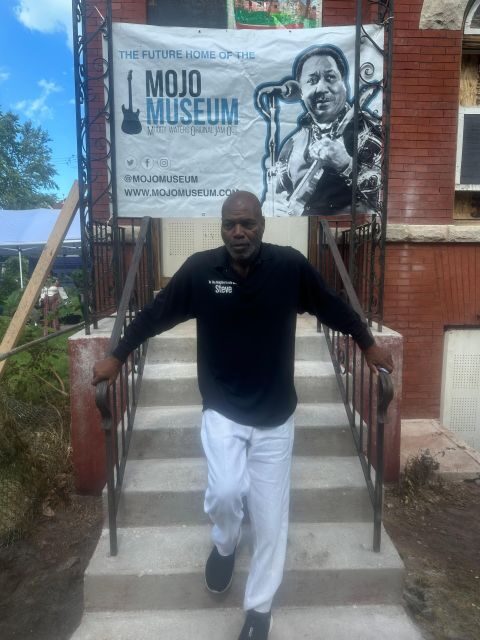
A major highlight is the Bronzeville focus. You’ll travel through streets tied to how your ancestors would have moved to the Black neighborhoods of Chicago, and Bronzeville is presented as the early-to-mid 1900s standout: the largest, most populated Black area in America.
Bronzeville is not described as one single iconic landmark. It’s framed like a living place—one that grew with people, businesses, culture, and family life. If you care about how communities functioned day to day, this angle is more satisfying than a tour that only points at monuments.
The tour also connects Bronzeville to what comes after it. Chicago becomes more than a final destination; it becomes the foundation for modern life in the city’s Black middle-class neighborhoods. I found that approach helpful because it makes the story feel grounded, not distant.
Pilgrim Baptist Church: Gospel Music’s Turning Point
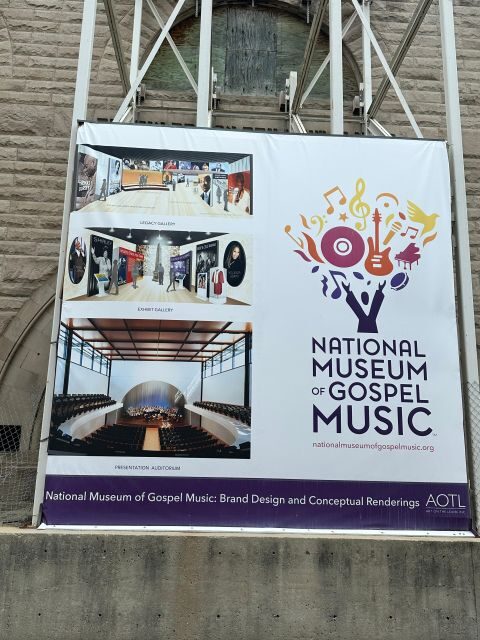
Chicago is tied to modern gospel music, and this tour brings you to Pilgrim Baptist Church, where modern gospel music is described as being born.
This stop works because the guide does not treat the church visit like a checkbox. You get names and themes that help you understand what you’re hearing and why it mattered, including Thomas Dorsey and Mahalia Jackson, among others. The point is to connect the music to the people and the community spaces where it took shape.
Practical note: since this is a bus tour with a church stop, you’ll want to arrive with a camera ready, but also be ready to listen closely during the guide’s explanation. The best moments here come from pairing what you see with what you’re told—rather than trying to capture everything at once.
Celebrity Home Passes and the Elijah Muhammad Stop
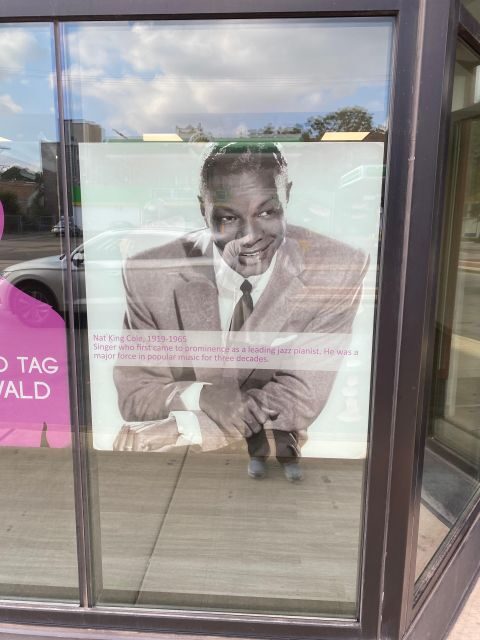
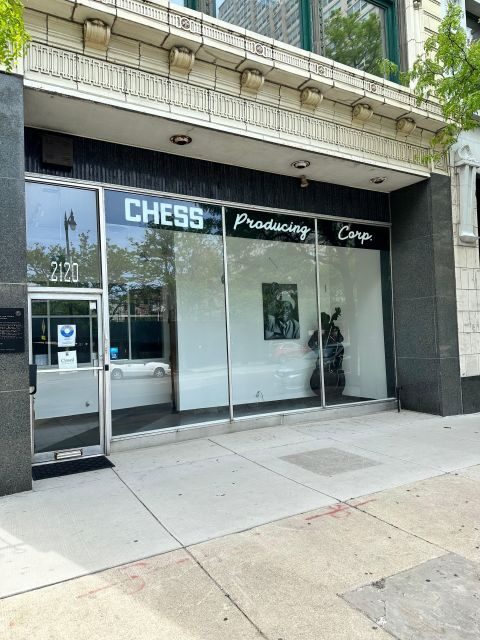
This tour includes a lot of roadside viewing, which can be surprisingly meaningful when the stories are specific. As the bus moves through the areas tied to this history, you’ll pass homes of notable Black figures who lived in Chicago, including Nat King Cole, Louis Armstrong, Muddy Waters, Jennifer Hudson, and others.
It’s the kind of detail that gives you a different sense of time. Instead of thinking about history as separate from modern culture, you see how famous names are linked to real neighborhoods and real geography.
You’ll also see the home of Elijah Muhammad, described as the Nation of Islam’s founder. Again, the value is not just the name—it’s the framing of why that home matters in the broader story of Chicago’s Black religious and political life.
If your goal is to understand the city as a network of places where people built influence, community, and movement, these passes add a lot.



Jean Baptiste DuSable: The City’s Starting Point Framed for You
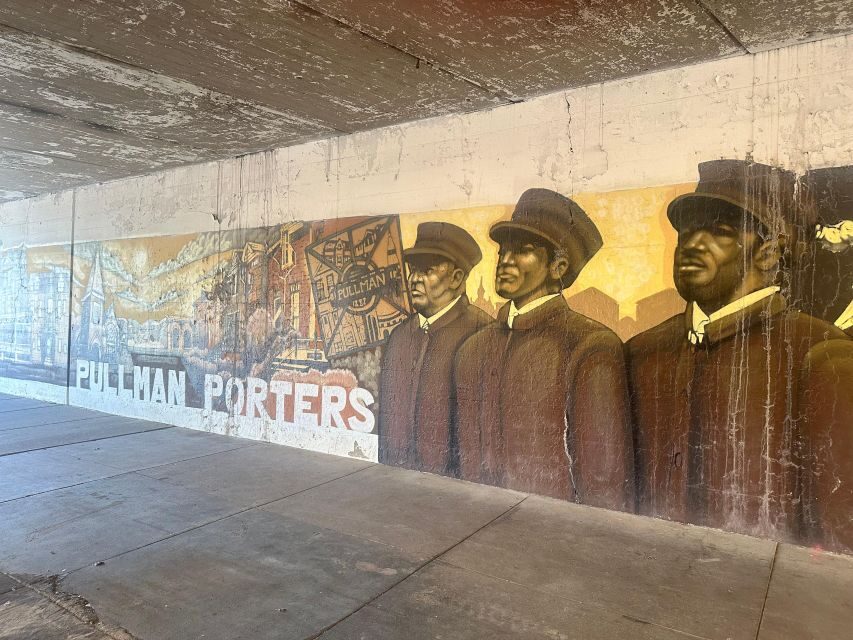
The tour includes a stop featuring Jean Baptiste DuSable, described as the father of Chicago. You’ll see the bus mentions this as part of what you view during the route.
I like this inclusion because it provides a grounding before the later Chicago neighborhood story unfolds. You get a sense that Chicago’s identity did not begin with one era. It started with settlers, trade, and community building—and then later waves of migration shaped what the city would become.
Even if you already know the basics of DuSable’s significance, the way this tour positions the Chicago origin story sets up the rest of the ride.
First-Hand Stories That Make the Facts Stick
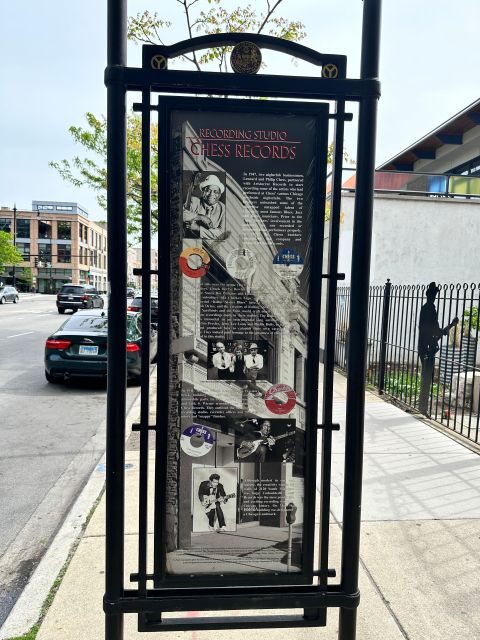
Here is the part that gives this tour its edge: the guide’s personal connection to the story. The guide lived this tour and was part of Operation PUSH, in meetings with Jessie Jackson, and lived across the street from the leaders of the Black Muslim movement.
That background changes the tone. The stories do not feel like a lecture. They feel like lived memory and community knowledge passed along.
You also get first-hand accounts, including a true story about Barack Obama giving his mother’s car a jump start. The tour ties that moment to the Great Migration narrative as his family stepped off the train into Chicago. That kind of connection is exactly what you want on a heritage tour: it links a historical movement to a specific human moment.
And if you like asking questions, this is a good match. One of the strengths of the experience is the guide’s engagement and willingness to answer your questions as you go.
How the Route Works: Pickup, Return, and Photo Moments
The tour runs out of the 60611 area. Pickup is described as starting at 60611, and you return to 60611 at the end.
There is also a clear downtown meeting point: pickup is in front of the Chicago Theater at 175 N State, with free pick-up from a downtown Chicago hotel. If you are coming from nearby suburbs, the tour notes it uses standard ride share fare for surrounding suburb pickup.
The duration is four hours, and the departure times vary, so you’ll want to check availability for your preferred start.
What you can expect during the ride:
- multiple photo opportunities
- guide engagement throughout the route
- time spent on explanation, not just driving
Also, if your group size hits 12 or more travelers, the tour requires 7 days notice. That’s the kind of detail that can help you avoid last-minute surprises.
Price and Value: Is $125 Worth It for a 4-Hour Tour?
At $125 per person for a 4-hour tour, the price is not a bargain-bus deal. It is priced like an experience where the value comes from the guide, the narrative depth, and the focused route.
That said, this tour has several things that make the cost feel more reasonable:
- Small-group seating for most departures (11 people or fewer for 90% of tours)
- a route tied to the Great Migration, not random city highlights
- a church stop at Pilgrim Baptist Church
- first-hand context and personal connection from the guide
If you want a quick sampler where you mostly point and look, you might find the price steep. But if you enjoy tours where you learn names, connections, and reasons—and you want those stories tied to real Chicago places—then $125 starts to look like a fair exchange.
Who This Tour Suits Best (And Who Might Want Something Else)
This is a strong match for adults and for anyone who wants more than surface-level stops.
It does come with one clear limitation: it is not suitable for children under 18. So plan for an adult-focused day.
Who will likely enjoy it most:
- you care about the Great Migration and how it shaped Chicago
- you want Bronzeville context and not just a few photos
- you like guided interpretation with time for questions
- you prefer a bus tour with conversation over a long walking day
If you’re mainly after architecture snapshots or museum-style content, you might prefer a different kind of tour. But if you want the Chicago Black Heritage story connected to streets, culture, and movement, this one makes a lot of sense.
Extras You Can Add: Concerts, Restaurants, and Custom Needs
The tour also offers additional services. If you want help building the rest of your day around the same themes, you can request transportation to concerts, restaurants, relatives, homes, shopping areas, and churches.
This is useful if you are visiting Chicago with limited time and you want local guidance beyond the tour itself. Just keep expectations realistic: the main structure is a four-hour bus route with specific stops, and the add-ons are there to extend your trip.
Should You Book the Black Heritage Tour?
I’d book this tour if you want an adult-focused Chicago day that connects the Great Migration route to real neighborhoods, real culture, and real people. The biggest reason is the guide’s personal grounding—Operation PUSH involvement, meetings with Jessie Jackson, and lived proximity to Black Muslim movement leaders—plus the first-hand stories that make the history feel immediate.
I would hesitate only if you dislike story-heavy tours or you want very precise stop-by-stop logistics that feel like a guided walking itinerary. This is about a guided bus circuit and interpretation, not a free-form wander.
If you like learning with context and you want the route to make sense after the ride ends, this tour is a solid choice.
FAQ
FAQ
Where does the Black Heritage Tour pickup?
Pickup is in the 60611 area, with meeting at the front of the Chicago Theater at 175 N State.
How long is the tour?
The tour duration is 4 hours.
What is the price per person?
The tour price is $125 per person.
Is pickup included from downtown hotels?
Yes. The tour includes free pick-up from a downtown Chicago hotel, with standard ride share fare for surrounding suburb pickup.
What does the tour focus on?
The tour follows the path of the Great Migration to Chicago, including routes connected to train travel into Chicago’s largest Black neighborhood area, plus stops tied to Bronzeville and gospel music.
Do you visit Pilgrim Baptist Church?
Yes. The tour takes you to Pilgrim Baptist Church, described as a place where modern gospel music is associated with its birth.
Will I see celebrity-related locations?
You’ll pass homes of Black celebrities who lived in Chicago, including Nat King Cole, Louis Armstrong, Muddy Waters, Jennifer Hudson, and others.
Does the guide share stories or only show locations?
You get insight, reasons, and analysis, with first-hand stories included as part of the tour.
Can the route be customized?
Custom deviation is optional.
Is the tour suitable for children?
No. It is not suitable for children under 18.
How much notice is needed for larger groups?
For 12 or more travelers, 7 days notice is required.
If you want, tell me your travel dates and whether you’re staying downtown, and I’ll suggest the best way to time your day around this 4-hour circuit.