REVIEW · ARCHITECTURE RIVER CRUISE
Chicago History and Architecture Walking Tour with Boat Cruise
Book on Viator →Operated by See Sight Tours USA · Bookable on Viator
Architecture in Chicago comes in layers. This 3.5-hour combo day blends a guided walk through downtown highlights with a narrated boat cruise, and it includes big photo moments like Cloud Gate. I like how the pacing mixes famous exteriors with real city infrastructure, so you understand Chicago beyond postcards.
The trade-off is time on your feet. Expect a solid walking day with a moderate fitness level, and you may also run into slower, confusing check-in moments when switching from the walking portion to the harbor cruise.
In This Review
- Key points to know before you go
- Why this Chicago architecture day feels efficient
- Start at Millennium Park: Cloud Gate and why The Bean works
- Consideration
- Millennium Park to the Riverwalk area: connecting parks and skyline
- Why this makes the tour smarter
- Chicago Pedway: the underground shortcut you’ll actually use
- What you’ll notice
- Consideration
- Chicago Architecture Center: where the story gets real
- Why it’s a good mid-tour stop
- Along Michigan Avenue: Wrigley Building, Tribune Tower, and major hotel architecture
- A practical tip
- Starbucks Reserve Roastery: quick stop, good break, big interior energy
- Consideration
- End at Navy Pier, then switch gears to the river cruise
- The Shoreline boat cruise: the part that usually wins people over
- Consideration
- Price and value: is $104 a smart buy?
- Who gets good value
- Who might feel it’s less value
- What to wear and how to pace yourself
- Should you book this Chicago architecture walking tour with boat cruise?
- FAQ
- How much does the Chicago History and Architecture Walking Tour with Boat Cruise cost?
- How long is the tour?
- Where does the tour start and end?
- Is the boat cruise included in the price?
- What language is the tour offered in?
- How many people are in a group?
- Is the tour ticket mobile?
- Are the main stops’ admissions included?
- What should I expect in terms of walking?
- Are service animals allowed?
- Are gratuities included?
Key points to know before you go
- Small group, smoother attention: Max 12 travelers helps the guide keep the day moving and answer questions.
- Weather-smart route: The Chicago Pedway gets you off the street and away from wind and rain.
- Architecture focused, not just sightseeing: You spend real time at the Chicago Architecture Center and see major landmarks along Michigan Avenue.
- Boat cruise does the heavy lifting for views: You get narration plus skyline/river perspectives that walking can’t match.
- Short stops, big variety: You hop between Millennium Park, the Riverwalk area, major towers, and then Navy Pier.
Why this Chicago architecture day feels efficient
Chicago is a city where architecture isn’t just something you look at. It’s something you walk through—sometimes above ground, often underground, and always along the river corridor that helped shape the skyline.
This tour is built around that idea. You start downtown near McCormick Tribune Plaza, hit the iconic Millennium Park sculpture, move through the Pedway, and end on Navy Pier for a narrated cruise. The walking portion keeps you close to the buildings that shaped Chicago’s image. Then the boat tour gives you the payoff: long river views and a running explanation of what you’re seeing.
And because it’s a small group, the day doesn’t feel like a cattle drive. If you’re traveling with first-timers, it’s also a nice way to show them how Chicago “works” in layers: park art, downtown shortcuts, riverfront design, and then the skyline from the water.
You can also read our reviews of more walking tours in Chicago

Start at Millennium Park: Cloud Gate and why The Bean works
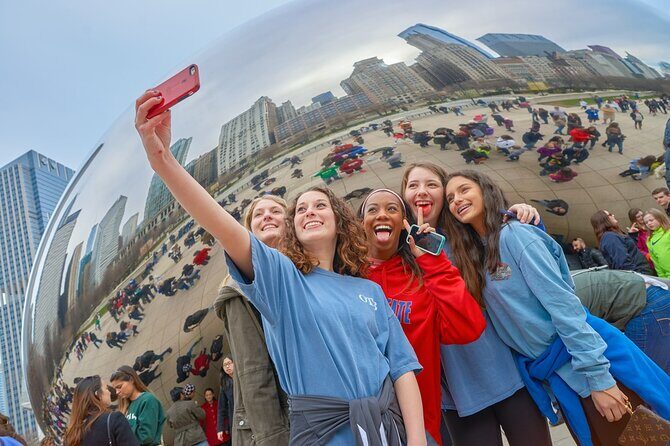
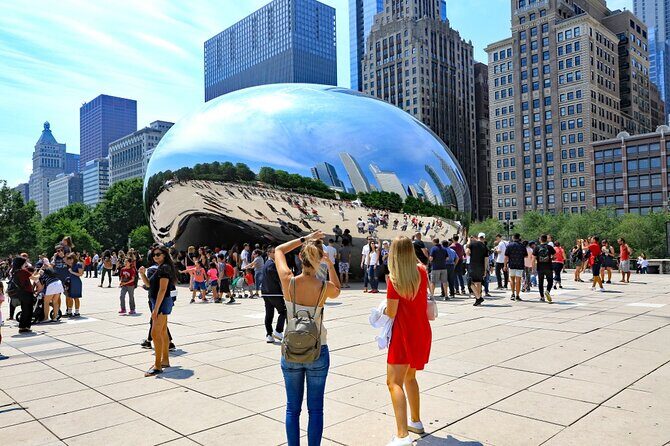
The tour’s first stop is Cloud Gate, also called the Bean, in Millennium Park. It’s polished stainless steel, and the magic is in the reflections. Move a few steps and the skyline warps across the surface; lean down and you’ll see the crowd’s distortions stretching toward you.
What I like about making Cloud Gate an early stop is simple: it’s one of the most photographed places in the city. Being there at the beginning usually gives you more time to enjoy it without feeling rushed. Plus, you’re in the right setting. Millennium Park isn’t just one sculpture—it’s an urban public space with the Jay Pritzker Pavilion and Crown Fountain nearby, and it’s designed for people to linger.
In practice, this stop is also a reminder that the city’s identity isn’t only old buildings. Chicago embraces public art as part of the urban experience.
Consideration
Millennium Park is open space, so dress for the weather. If it’s hot, bring water. If it’s cold or rainy, expect that you’ll still spend time outside.
Millennium Park to the Riverwalk area: connecting parks and skyline
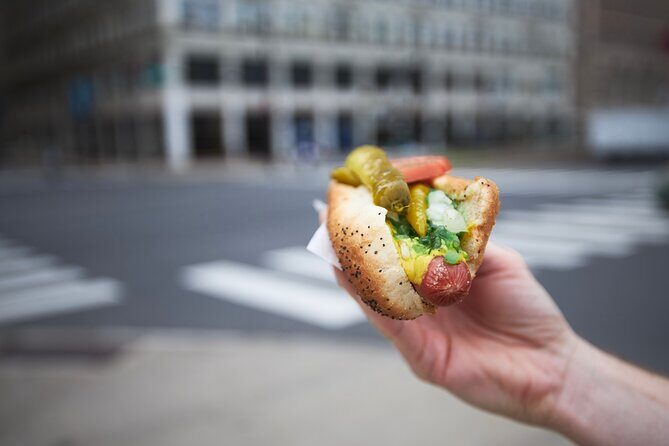
After Cloud Gate, the tour shifts focus toward the Chicago waterfront and the Riverwalk. This stretch matters because it’s the bridge between skyline-you-can-see and city-you-can-walk-through.
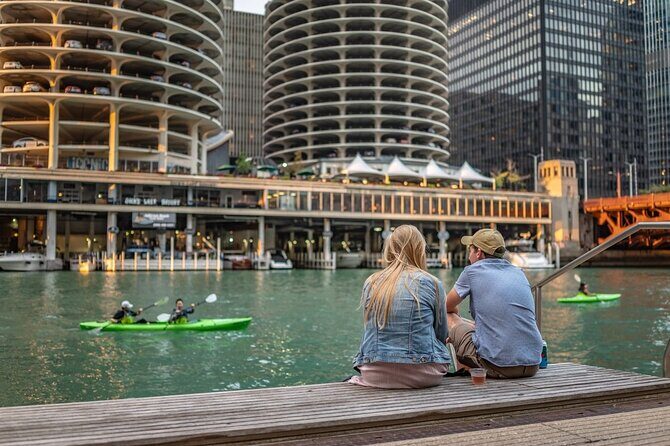
The Riverwalk is laid out for strolling: outdoor seating, dining nearby, and lots of spots to stop and look back toward the buildings. It’s also where you start feeling how the Chicago River shaped the city’s growth. The riverfront is now a place for people, not just industry.
Why this makes the tour smarter
If you only look up at towers, you miss the “how” of Chicago. The Riverwalk area helps you connect the architecture to the environment—water, bridges, and city planning all in one view line.
You can also read our reviews of more boat tours in Chicago


Chicago Pedway: the underground shortcut you’ll actually use
Next up is the Chicago Pedway, the network of underground tunnels, sky bridges, and concourses that connect buildings through downtown. It spans over 40 blocks, and the point is practical: weather-protected walking between major destinations like office buildings, hotels, and transit stations.
In a city where weather can change quickly, the Pedway is like a built-in buffer. Even if you’re not a person who loves underground spaces, you’ll get it fast: it’s an easy way to cover ground without battling cold wind or heat.
What you’ll notice
You’re not going to experience the Pedway like a tourist attraction with monuments. You’ll experience it like Chicago’s infrastructure—clean, connected, and designed to keep people moving.
Consideration
If you love open-air city views at every step, this is the part that can feel less scenic. Still, it’s a big reason the walking portion stays manageable.
Chicago Architecture Center: where the story gets real
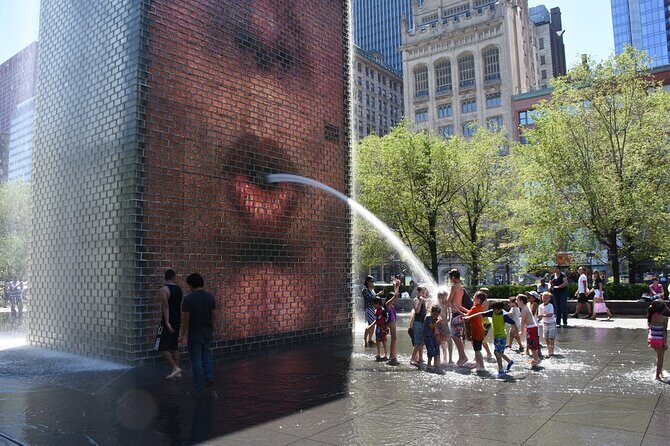
The tour includes time at the Chicago Architecture Center (CAC) on the Chicago River. This is where the “architecture” part turns from general sightseeing into structured learning.
The CAC is set up to highlight Chicago’s building legacy through exhibits, tours, and educational programs. It sits right along the river—so it’s in the same visual world as the buildings you’ll see outside. Even if you only spend part of your time there, it gives context for why certain styles and structures matter.
Why it’s a good mid-tour stop
By the time you reach the CAC, you’ve already seen the city’s layout: park sculpture, downtown connections, and major landmark areas. CAC is a natural place to reset your brain and start noticing details more clearly.
Along Michigan Avenue: Wrigley Building, Tribune Tower, and major hotel architecture
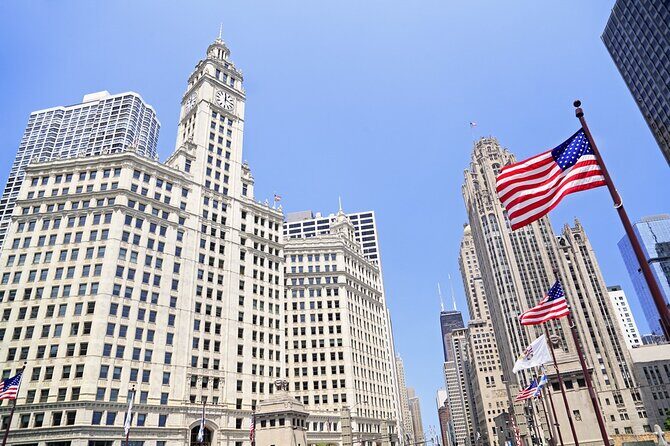
After the CAC time, you move through the downtown landmark belt, including stops at or near famous exteriors like:
- The Wrigley Building: Completed in the 1920s with distinctive white terra cotta and Spanish Colonial Revival details. It’s one of the city’s most recognizable faces.
- The Tribune Tower: A neo-Gothic skyscraper completed in 1925, known for ornate design and incorporation of stones from famous landmarks around the world.
- InterContinental Chicago Hotel: Located on the Magnificent Mile area, originally built in 1929 as the Medinah Athletic Club, with notable features like its Grand Ballroom and a junior Olympic size swimming pool.
This is where the tour does something valuable: it connects architectural styles to real-world purpose. These buildings weren’t built as museum pieces. They were built for companies, media, and grand civic life—then later absorbed into how visitors experience Chicago.
A practical tip
These are mostly exterior-focused stops. If you like photographing building details, bring your camera strap and take your time with angles. If you prefer wide shots, keep moving so you don’t get stuck at one corner while the group catches up.
Starbucks Reserve Roastery: quick stop, good break, big interior energy
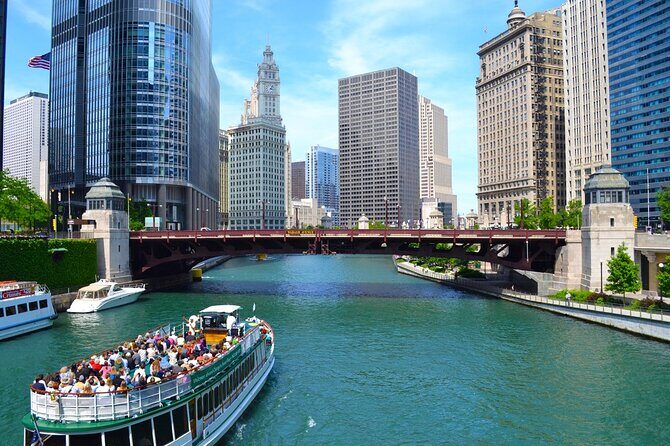
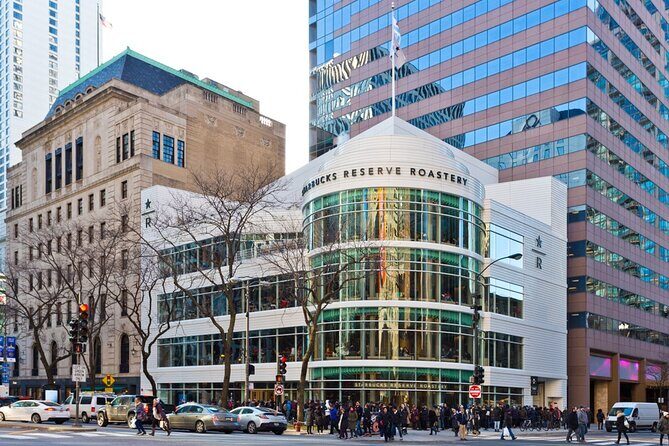
One of the most fun quick stops is the Starbucks Reserve Roastery, the largest Starbucks in the world. It spans five stories on the Magnificent Mile and opened in 2019, with on-site roasting plus exclusive Reserve blends and artisanal food offerings.
Even though it’s not the “core” of architecture, it’s a smart breather. It’s also a reminder that Chicago’s modern city identity isn’t only skyscrapers and river history—it’s everyday culture in big spaces.
Consideration
This stop is short (around 15 minutes). If your goal is coffee and snacks, you’ll need to move fast. If your goal is photos and a quick look, it’s perfect.
End at Navy Pier, then switch gears to the river cruise
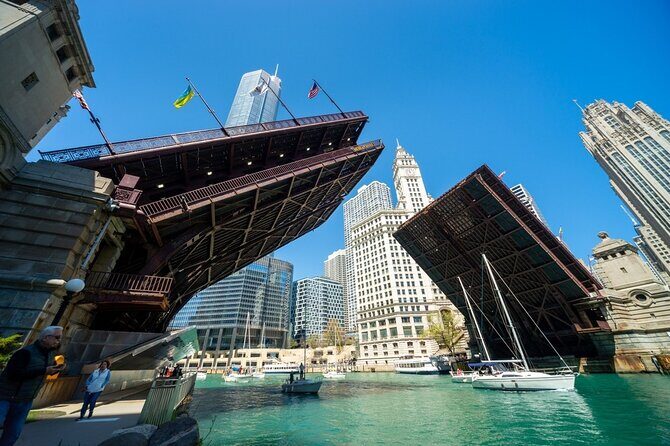
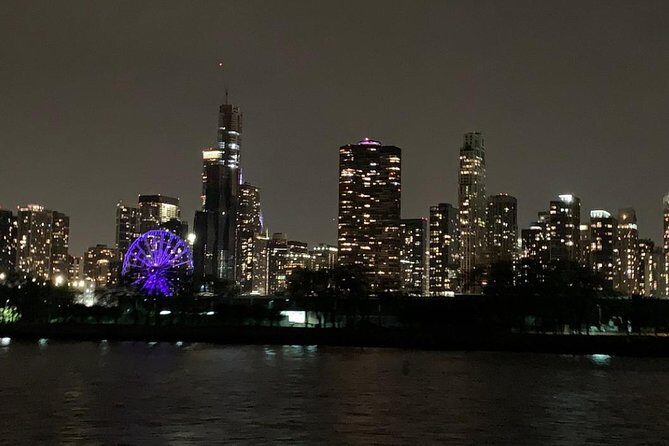
The tour finishes the walking portion at Navy Pier, which stretches along Lake Michigan with entertainment, dining, and cultural experiences. It includes a Ferris wheel and seasonal events, and it’s a year-round spot for skyline and lakefront views.
You’ll typically get about 30 minutes here. Think of Navy Pier as the decompression zone before the water portion—walk around a bit, get a final city look, and settle in for the cruise.
The Shoreline boat cruise: the part that usually wins people over
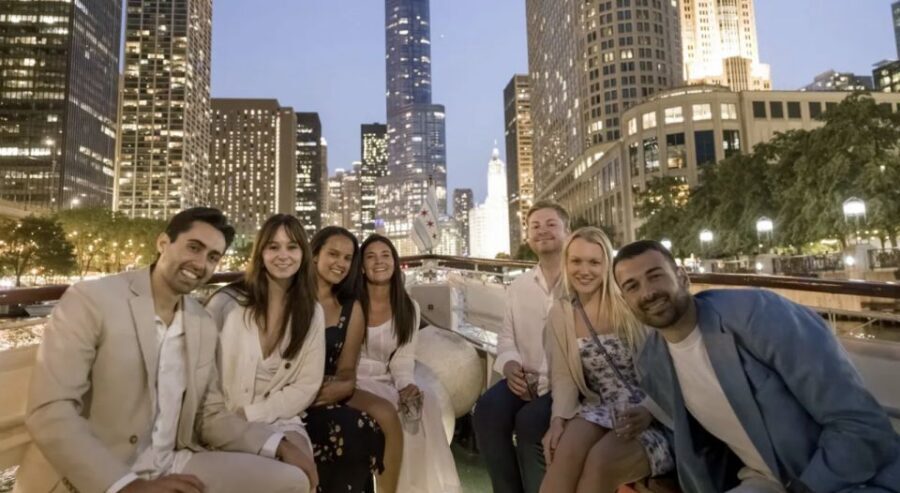
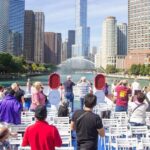
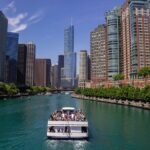
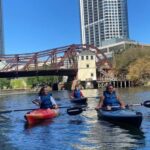
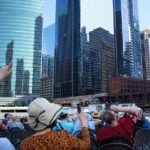
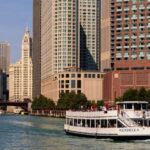
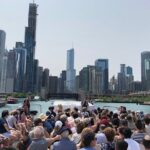
The big finale is the narrated boat tour with views of over 40 Chicago landmarks. The narration is designed to point out both the famous pieces and less obvious architectural features—plus the major monuments people come to see.
And here’s why this combo works: walking gives you scale up close. The boat gives you the city’s geography—how everything lines up along the river corridor and skyline.
The cruise portion runs about 1 hour 15 minutes, and it’s included in the price. If you’re only going to do one thing that gives you the Chicago “wow,” make sure you’re ready to sit back and watch the skyline build around you.
Consideration
Switching from walking to the harbor can feel slow if check-in staff are juggling tickets. If your day includes multiple ticket scans for different parts, I’d plan a little extra patience so it doesn’t throw off your mood.
Price and value: is $104 a smart buy?
At $104 per person for about 3 hours 30 minutes, you’re paying for two things:
- A guided walking route with multiple major landmark stops
- A narrated boat cruise that would cost more if you bought it separately
Where the value really comes from is not just the price tag—it’s the blend. You’re not stuck doing one mode of travel. You get architecture on foot (Bean, Pedway, CAC context, Michigan Avenue landmarks) and you get the skyline from water with narration.
Also, the group size is capped at 12, which usually means you don’t spend the day waiting for the slowest person to appear. Your time stays productive.
Who gets good value
- First-time visitors who want a structured architecture overview
- People who like both walking and views, and don’t mind a full afternoon
- Travelers who want narration instead of reading dozens of signs
Who might feel it’s less value
If you mostly want casual strolls with lots of free time, this schedule may feel tight. The stops are short, and the pace is meant to cover several key zones.
What to wear and how to pace yourself
This tour calls for moderate physical fitness, and you’ll be on foot for a meaningful chunk of the afternoon.
My practical advice:
- Wear comfortable walking shoes you trust. Chicago sidewalks can be unforgiving.
- Bring water. If it’s warm, you’ll want it before the day builds.
- Dress for quick weather changes. Even summer can feel dramatic by late afternoon.
- If you need a breather, use it. A good guide will check in and let you step aside when you need it.
Since the route includes both outdoor park areas and indoor-ish Pedway connections, layering helps.
Should you book this Chicago architecture walking tour with boat cruise?
If your goal is to understand Chicago architecture in a single afternoon, I think this one makes sense. The strongest reasons to book are the combination of Millennium Park’s Cloud Gate, the practical learning at the Chicago Architecture Center, the downtown walking shortcuts via the Pedway, and the payoff of a narrated cruise with views of 40+ landmarks.
Book it if:
- You want a guided structure and narration, not just free time
- You’re okay with a few hours of walking
- You want both iconic stops and real city flow
Skip it (or swap expectations) if:
- You want a mostly relaxed, low-walking day
- You’re sensitive to possible harbor check-in delays when transitioning to the cruise
FAQ
How much does the Chicago History and Architecture Walking Tour with Boat Cruise cost?
It costs $104.00 per person.
How long is the tour?
The tour runs about 3 hours 30 minutes, including the 1 hour 15 minute boat cruise.
Where does the tour start and end?
It starts at McCormick Tribune Plaza, 1 N Michigan Ave, Chicago, IL 60602, and ends at Navy Pier, 600 E Grand Ave, Chicago, IL 60611.
Is the boat cruise included in the price?
Yes. The Chicago boat cruise admission is included, and it comes with narration.
What language is the tour offered in?
The tour is offered in English.
How many people are in a group?
The tour has a maximum of 12 travelers.
Is the tour ticket mobile?
Yes, the tour uses a mobile ticket.
Are the main stops’ admissions included?
The itinerary lists admission as free for stops like Cloud Gate, the Pedway, the Chicago Architecture Center, and stops at Millennium Park and Navy Pier, and the boat cruise admission is included.
What should I expect in terms of walking?
The tour is designed for people with a moderate physical fitness level, and it involves walking through multiple areas of downtown.
Are service animals allowed?
Yes, service animals are allowed.
Are gratuities included?
No, gratuities are optional and not included.