REVIEW · HISTORICAL TOURS
Chicago: Architecture & True Crime History
Book on GetYourGuide →Operated by Local Chicago Tours · Bookable on GetYourGuide
Two themes, one Chicago walk. This tour blends Chicago architecture with true crime history in a Devil in the White City–style way. You’ll hear famous cases like Gacy and Holmes, then the lesser-known threads that give the city a darker edge.
I especially like how the guide connects the buildings you see to the stories you hear. The storytelling gets praised for being clear and compelling, and the guides are Chicago locals with real history-and-crime enthusiasm.
One consideration: if you don’t want murder and scandal in your sightseeing, this format can feel heavy. It’s not just pretty façades and trivia; it leans into the crimes behind the city’s glamour.
In This Review
- Key highlights worth planning around
- Chicago Architecture and True Crime: What This Tour Actually Feels Like
- Where You Start: Palmer House Canopy, Wabash Side, Poké Poké
- The 90-Minute Walk: A Compact Tour with Real Momentum
- Architectural Styles You’ll Notice (Even If You’re No Expert)
- True Crime Stories: Gacy, Holmes, and the City’s Dark Side
- The Guides: Chicago Locals Who Can Talk the Talk
- Price and Value: Is $35 for 1.5 Hours Worth It?
- Who This Tour Fits Best (And Who Might Want to Pass)
- Book It or Skip It: My Decision Guide
- FAQ
- Where is the meeting point?
- How long is the tour?
- How much does it cost?
- Is hotel pickup included?
- What language is the tour in?
- Do I get a live guide?
- When does the tour run?
- Is there free cancellation?
- Can I reserve and pay later?
- What crime stories does the tour cover?
Key highlights worth planning around
- Palmer House is your easy anchor point, right by Wabash and next to Poké Poké
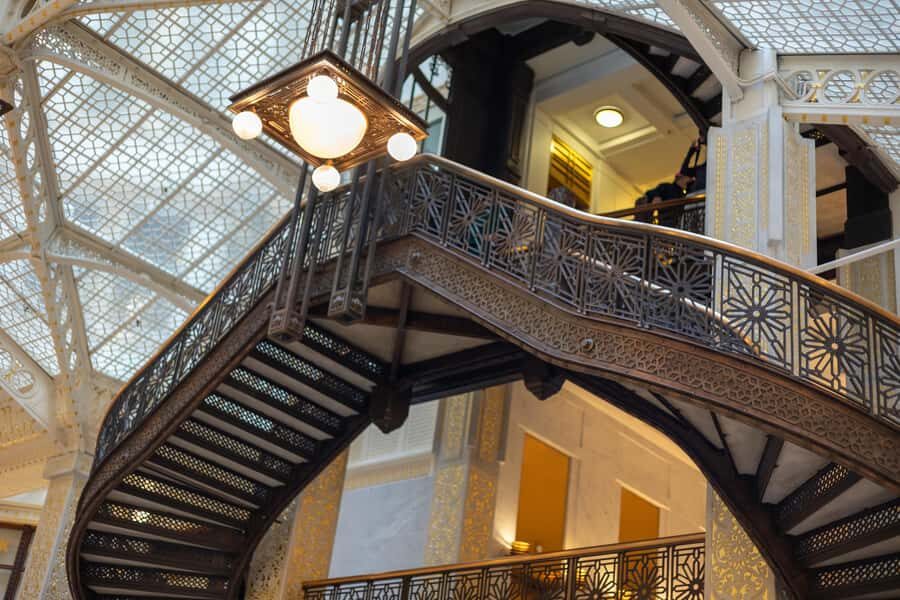
- Beaux Arts, Art Deco, and Modernist buildings show up in the same walk
- True crime stories mix famous killers (Gacy, Holmes) with lesser-known cases
- Local Chicago guides bring both history nerd and true crime nerd energy
- A tight 1.5-hour pace that can fit mornings or afternoons
Chicago Architecture and True Crime: What This Tour Actually Feels Like
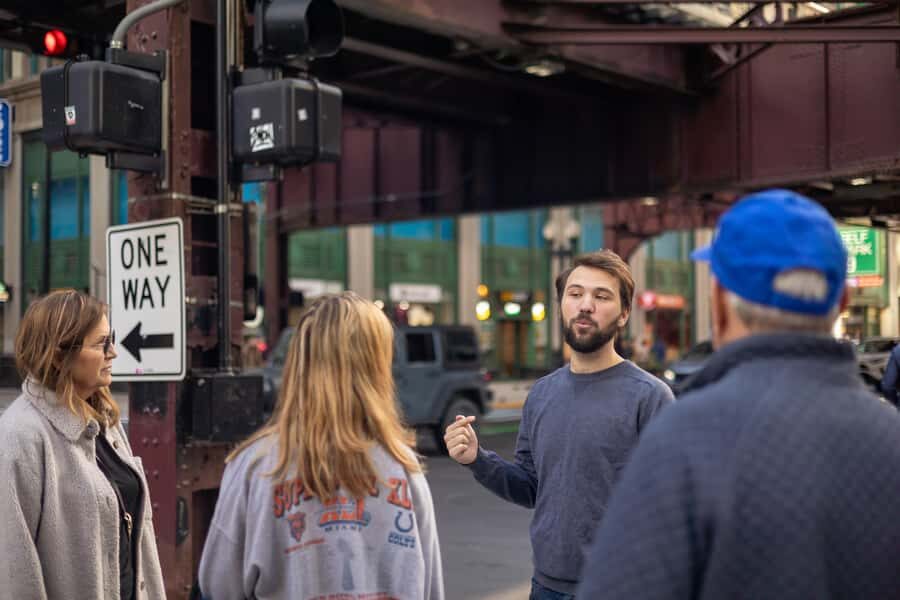
This is a one-and-a-half-hour walking tour that treats Chicago like a living storybook. The twist is that the plot isn’t only about engineering, design, and ambition. It also includes corruption, murder, and scandal, told alongside the city’s most recognizable architectural styles.
The best part is the pairing. Architecture becomes the soundtrack to the crime tales. Instead of hearing facts in a vacuum, you watch the city’s shape and details while the guide explains why these places matter.
The tone stays educational, not exploitative. In the feedback I’m using to shape this review, the guides are repeatedly credited for making the stories easy to follow and the walk enjoyable. That matters, because true crime history can go off the rails if the pacing is wrong.
You can also read our reviews of more historical tours in Chicago
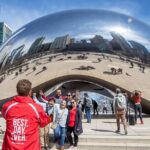


Where You Start: Palmer House Canopy, Wabash Side, Poké Poké
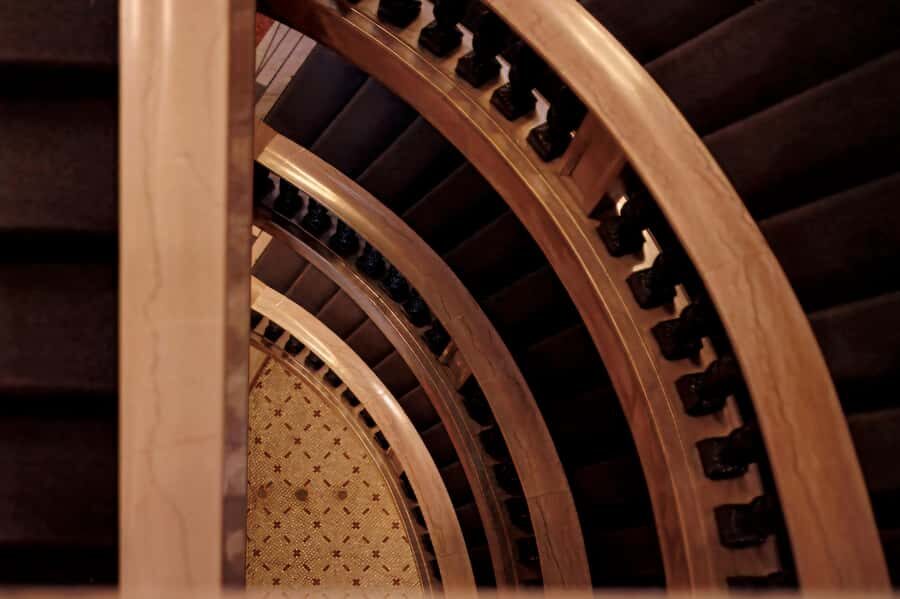
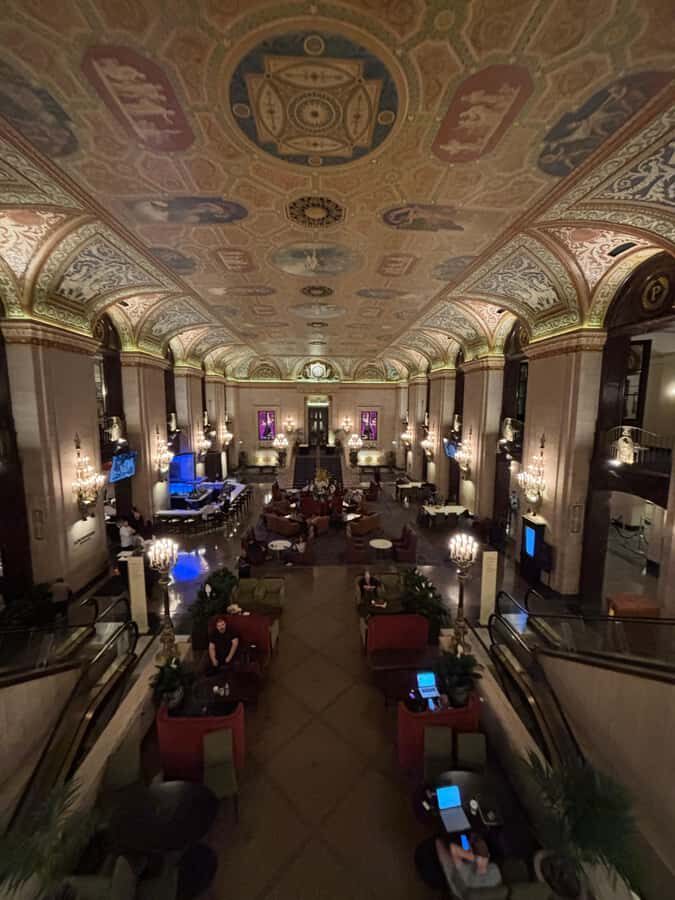
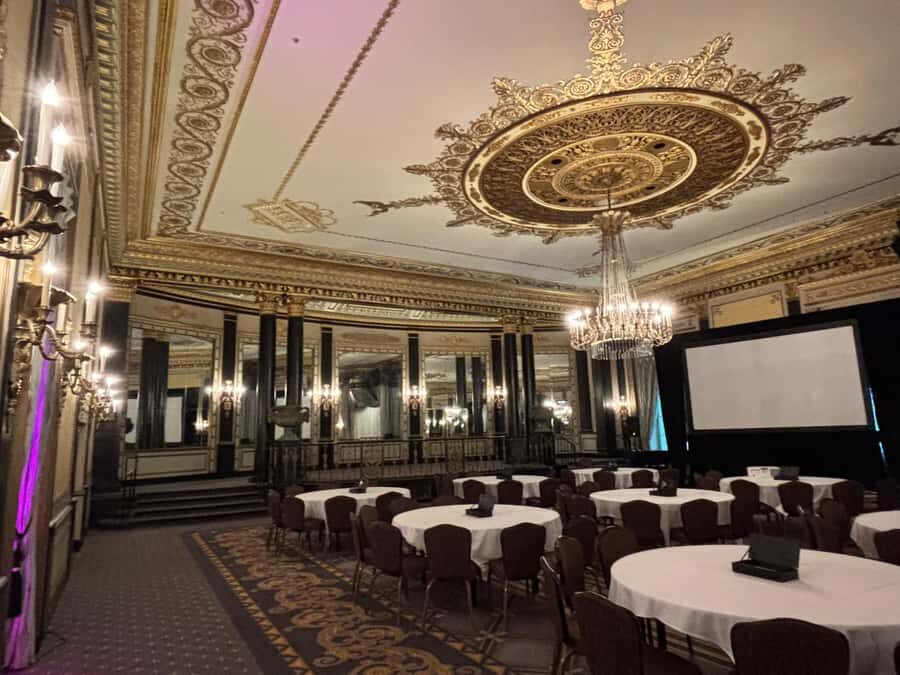
You meet under the Palmer House canopy on the Wabash side, right next to Poké Poké. That’s a big deal for a walking tour, because it removes the usual guesswork like Where exactly is the group forming?
Practically, it also keeps you in a convenient downtown pocket. You’re in a central area where it’s usually simple to come from nearby hotels, attractions, or transit stops. Just plan to arrive a few minutes early so you can get your bearings and don’t miss the first introductions.
Also note what’s not included: there’s no hotel pickup or drop-off. You’ll be walking from the meet point on your own plan. For most people, that’s fine. For guests staying slightly outside the center, it can mean adding a short ride before you start.
The 90-Minute Walk: A Compact Tour with Real Momentum
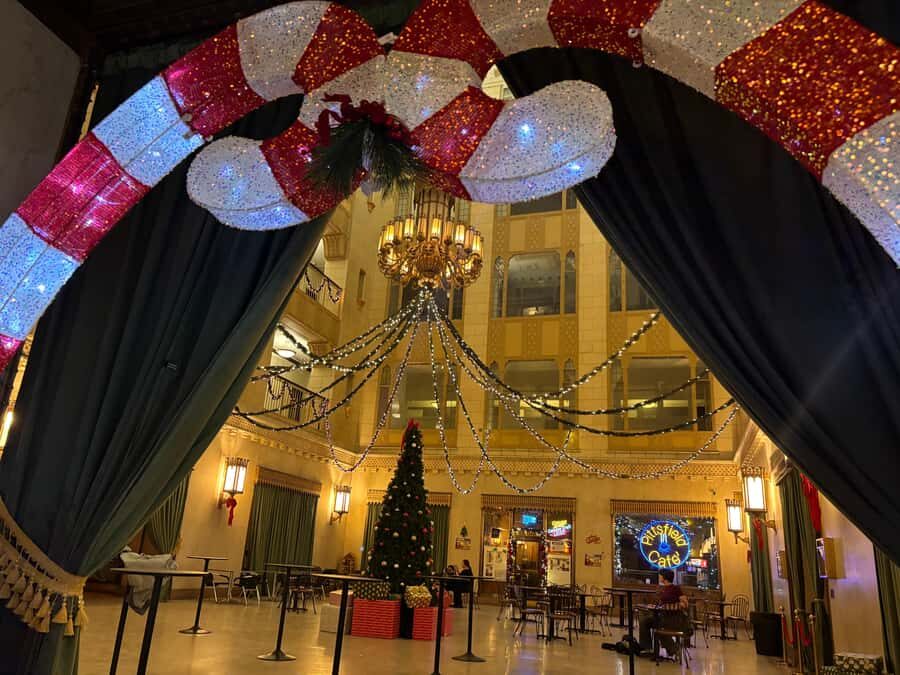
This tour lasts about 1.5 hours, and it typically runs in the morning and afternoon. That timing is ideal if you want something structured but not all-day. You get a guided thread through the city without feeling trapped.
The pacing also works well because it gives the guide room to connect ideas. You’re not bouncing between locations so fast you can’t absorb what you’re looking at. At the same time, you’re not stuck listening for so long that you start tuning out.
Since it’s a walking tour, I’d plan for real time outdoors. Comfortable shoes matter. And if weather turns, you’ll want to pay attention to what your guide says in the moment. In at least one recent experience, the guide adjusted the end of the tour due to thunderstorms, which suggests they’re thinking on their feet.
Architectural Styles You’ll Notice (Even If You’re No Expert)
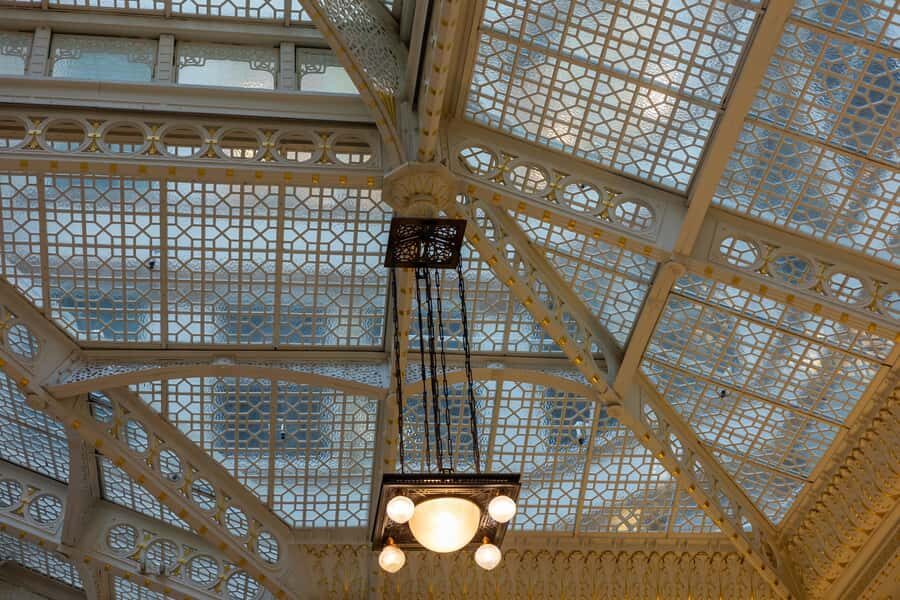
One of the clearest promises here is that you’ll see multiple architectural modes during the walk: Beaux Arts elegance, bold Art Deco, and sleek Modernist design. You don’t need to be an architecture buff to enjoy this part, because the guide’s job is to translate styles into plain language.
Here’s how the value shows up for you:
- With Beaux Arts, you usually get the sense of grand formality—details, symmetry, and a certain big-city confidence. On this tour, it helps you understand why Chicago projected power during the eras when these buildings rose.
- With Art Deco, you’ll notice stronger geometry and stylized ornament. It pairs well with the tour’s theme, because it’s the look of the city during its flashier, high-stakes moments.
- With Modernist design, the feel shifts toward clean lines and a more future-facing attitude. That contrast makes the true crime stories more interesting, because you’re looking at how the city can look forward while the past stays dark.
Even if you only catch fragments of each style, the tour helps you build a mental map. You start to connect design choices with historical mood, not just name-and-date facts.
True Crime Stories: Gacy, Holmes, and the City’s Dark Side
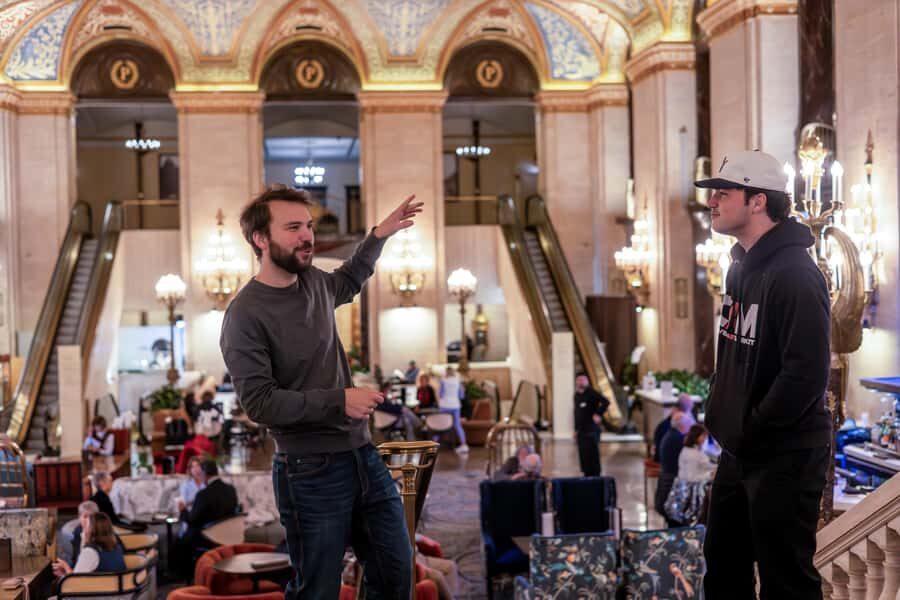
The tour’s core hook is true crime history woven into the architectural walk. Expect stories tied to serial killers like John Wayne Gacy and Ellen Holmes, plus other lesser-known cases.
What I like about this approach is that it treats crime history as part of the city’s real biography, not random shock content. The tour description points to themes like corruption, murder, and scandal. That framing makes the stories feel anchored to why Chicago changed over time.
A practical way to look at it: architecture tells you how a city wanted to look. True crime tells you how it also functioned—who had power, who got ignored, and what happened in the shadows while buildings gained prestige.
Just keep your own limits in mind. If graphic details or heavy subject matter will sour your day, you might want to skip this type of tour and choose a pure architecture option instead. If you can handle it, it’s a unique way to see Chicago beyond postcards.





The Guides: Chicago Locals Who Can Talk the Talk
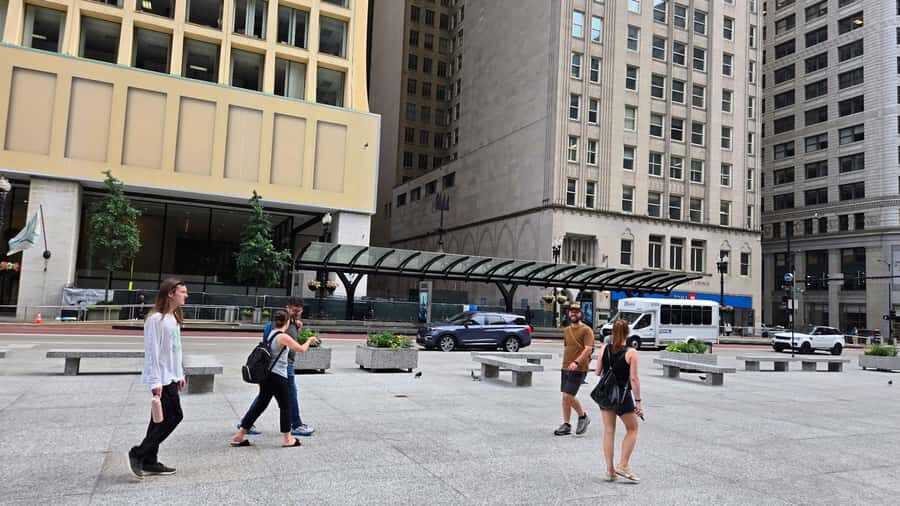
This is led by Chicago locals who are part history buffs and part true crime obsessives. That mix is exactly what you want for a tour like this, because one without the other tends to fall flat.
In the feedback I’m drawing from, one guide named Joseph gets singled out for being very knowledgeable and personable. People also appreciated that the walk felt enjoyable and that they learned about Chicago’s streets and history, not just one-off facts.
I also noticed a pattern: flexibility. One account described Joseph as being adaptable when thunderstorms hit, including modifying the end of the tour. That’s a quiet but important quality. It means you’re not just paying for a script—you’re paying for someone who can manage conditions and keep the experience moving.
Price and Value: Is $35 for 1.5 Hours Worth It?
At $35 per person for about 1.5 hours, you’re paying for two things at once: a guided architecture explanation and a guided true crime narrative. The value is strongest if you’re the type of person who likes your sightseeing with a storyline.
If you were buying two separate tours—one for architecture and one for crime—you’d almost certainly spend more time and likely more money than this single combined format. Here, the guide does the hard work of connecting the themes, so you don’t have to track history on your own.
You should also like walking tours as a format. This is not a sit-down talk. It’s a paced walk with information you pick up in the streets as you go.
Who This Tour Fits Best (And Who Might Want to Pass)
This tour is a great fit if:
- you want a Chicago architecture tour that goes beyond general facts
- you enjoy true crime history when it’s delivered in a structured, guided way
- you like learning through stories, not just reciting dates
It may not be a great fit if:
- crime history makes you uncomfortable, especially when it includes serial killers
- you prefer light, purely scenic sightseeing with zero dark content
- you don’t want to walk around for 90 minutes on your own time plan (since there’s no hotel pickup)
Book It or Skip It: My Decision Guide
I’d book this if you’re curious about how Chicago’s best-looking buildings and darkest stories overlap. The pairing of architectural styles with real crime history is what makes the experience memorable, and the guide quality seems to be a consistent strength. People also highlight how personable and adaptable guides can be, including adjustments for bad weather.
I’d skip it if you want a straightforward architecture-only tour or if you know you’re not in the mood for murder-and-scandal storytelling. With this concept, you’re choosing a tone, not just a topic.
FAQ
Where is the meeting point?
You meet under the Palmer House canopy on the Wabash side, right next to Poké Poké.
How long is the tour?
The tour is 1.5 hours.
How much does it cost?
It costs $35 per person.
Is hotel pickup included?
No. Hotel pickup or drop-off is not included.
What language is the tour in?
The tour guide speaks English.
Do I get a live guide?
Yes. The tour includes a live tour guide.
When does the tour run?
It’s usually available in the morning and afternoon.
Is there free cancellation?
Yes. You can cancel up to 24 hours in advance for a full refund.
Can I reserve and pay later?
Yes. You can reserve now and pay later.
What crime stories does the tour cover?
The tour includes famous tales like Gacy and Holmes, plus lesser-known stories.