REVIEW · HISTORICAL TOURS
Prairie Avenue Haunted History Tour and Ghost Hunt
Book on Viator →Operated by Chicago Hauntings · Bookable on Viator
Ghosts and mansions on Prairie Avenue—at night. This 8:00 pm Prairie Avenue Haunted History Tour and Ghost Hunt mixes Gilded Age storytelling with real ghost-hunting gear, guided by Tony. You start at the Glessner House and move through some of the neighborhood’s most famous buildings, with the lights down and the tales turned up.
What I like most is the way the tour handles both sides of the experience. You get practical Chicago history tied to specific houses, and you also get a chance to play along with the ghost hunt using the equipment you’re given.
One thing to think about first: it can get cold. This is a night walk and the experience depends on good weather, so dress for the evening chill so you can focus on the stories instead of shivering.
In This Review
- Key things to know before you go
- Prairie Avenue after dark: why this neighborhood works for ghost stories
- Meeting at Glessner House and meeting the guide style (Tony’s storytelling)
- How the ghost hunt part actually fits in (and how to enjoy it)
- Stop 1: Marshall Field Jr. Mansion for scandals and chills
- Stop 2: Clarke House Museum and the Greek Revival oldest-building vibe
- Stop 3: Keith House and the 1870s Prairie Avenue atmosphere
- Stop 4: Second Presbyterian Church for Gothic Revival haunt stories
- Stop 5: Prairie Avenue Historic District and the “Millionaire’s Row” storyline
- Value check: is $40 worth it for a 2-hour 20-minute night?
- What to wear and expect on a chilly Prairie Avenue walk
- Who this tour suits best (and who might want something else)
- Should you book the Prairie Avenue Haunted History Tour and Ghost Hunt?
- FAQ
- What time does the tour start?
- How long is the tour?
- How much does it cost?
- Where do we meet for the tour?
- Where does the tour end?
- What stops are included?
- Is admission included for the stops?
- Does the tour provide ghost-hunting equipment?
- Is the group size limited?
- What if it’s cold or bad weather?
Key things to know before you go
- A true two-in-one tour: history stops plus a ghost-hunt attempt using provided equipment
- Small group vibe: up to 25 people, so you’re not lost in a crowd
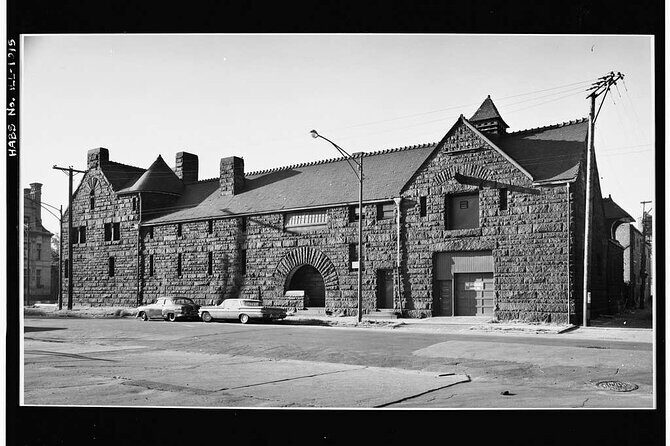
- Prairie Avenue Historic District focus: you’re walking the “Millionaire’s Row” storyline after dark
- Multiple standout landmarks: from grand mansions to a Gothic Revival church
- Free admission at each listed stop: you’re not paying extra for entry to the sites included
- Built for a date night: storytelling, humor, and spooky energy without feeling too heavy
Prairie Avenue after dark: why this neighborhood works for ghost stories
Prairie Avenue was Chicago’s original high-status address. In the 1800s and early 1900s, it became a stretch where wealthy families put their money into impressive homes and big statements, and that sets the stage for dramatic storytelling.
Night changes how you experience it. The walk feels more like a slow, guided “movie scene,” where each house becomes a chapter. And when Tony points out details you might miss in daylight, the buildings start to feel personal instead of just historical.
The best part is the balance. You’re not just chasing jump-scare vibes; you’re learning why these places mattered in Chicago, and then you’re given a chance to try spotting something spooky with the gear.
You can also read our reviews of more historical tours in Chicago


Meeting at Glessner House and meeting the guide style (Tony’s storytelling)
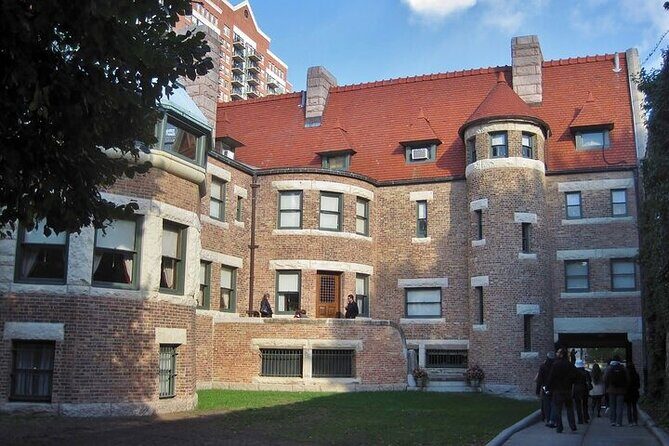
You meet at the Glessner House on S Prairie Ave at 8:00 pm. The plan keeps you moving, but it’s not rushed, and the pacing gives you time to absorb each location before you head to the next stop.
Tony runs the tour with a lot of energy and clear knowledge of the neighborhood. You can tell he likes the material, and he’s ready for questions, which matters on a ghost tour because people naturally want to know why a story is linked to a certain house.
This is also a practical win for first-timers. Starting at a known landmark helps you get your bearings fast, so you spend less time worrying about where to stand and more time listening.
How the ghost hunt part actually fits in (and how to enjoy it)
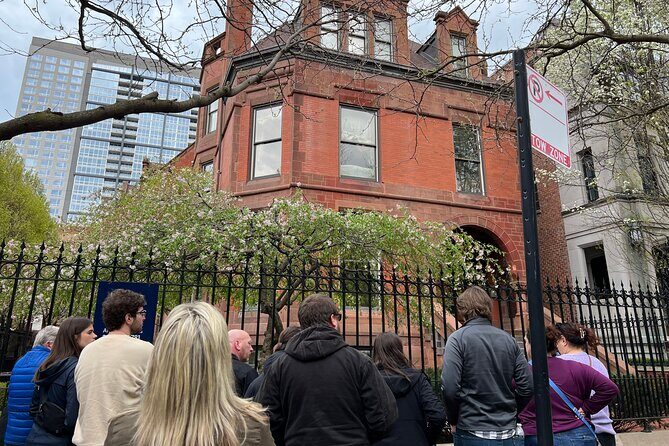
This tour doesn’t treat the hunt as a trick question. You’re given ghost-hunting equipment, and you’re encouraged to try to spot specters while you’re at the stops.
Think of it as a guided experiment in attention. You stay with your group, follow Tony’s lead, and use the equipment as a fun way to sharpen your senses in the dark. The goal isn’t to convince you of anything scientific; it’s to give you a shared activity that makes the stories feel more immediate.
If you like Halloween-style themes but also want real Chicago context, this approach hits that sweet spot. You get the “try it for yourself” feeling without losing the history thread.
Stop 1: Marshall Field Jr. Mansion for scandals and chills
Your first stop is the Marshall Field Jr. Mansion, where you’ll hear scandals and ghost stories tied to the property. Starting here matters, because it sets the tone right away: big-house drama plus the spooky stuff that always seems to follow old mansions.
Expect the time here to feel focused. With about 20 minutes, you’re not waiting around for a full visit like you would at a daytime museum. It’s more of a guided “story stop,” with Tony pointing out the building’s presence and shaping the narrative around it.
One drawback of a timed opener: if you love photos, you’ll want to multitask. Bring your phone and be ready for quick pauses, because the tour is designed to keep the pace moving.
Stop 2: Clarke House Museum and the Greek Revival oldest-building vibe
Next you go to the Henry B. Clarke House at the Clarke House Museum. This is a Greek Revival-style building, and the story leans into the darker side of Chicago’s past, including the fact that it’s tied to what’s described as Chicago’s oldest building.
The Greek Revival details help the haunting feel believable. When a structure has a strong, recognizable architectural style, it’s easier to imagine how it would have looked during its early years, and that gives Tony’s ghost stories more weight.
You also get a nice contrast from the first stop. Instead of starting with sheer wealth and mansion grandeur, this stop frames Chicago through an older foundation, then layers in the unsettled pieces of that era.



Stop 3: Keith House and the 1870s Prairie Avenue atmosphere
Your third stop is the Keith House, a distinct 1870s mansion right in the Prairie Avenue Historic District. This one keeps the tour moving through the neighborhood’s timeline, so you don’t just see one “type” of rich Chicago— you see more than one chapter.
With about 20 minutes, it’s again a story-driven visit. That’s a feature, not a flaw, because it keeps the evening from turning into long lines or slow moving interior time.
If you enjoy architectural character, this stop is a good one. A mansion from the 1870s has a different feel than the big names and later grandeur, and Tony’s storytelling helps you notice those differences.
Stop 4: Second Presbyterian Church for Gothic Revival haunt stories
After the mansions, the tour shifts to the Second Presbyterian Church of Chicago, a landmark Gothic Revival church. Here, the haunting angle comes from the idea of a house of worship with its own history and stories attached.
Churches change the soundscape at night. Even if you’re not imagining anything supernatural, the space has a way of making your brain pay attention. That’s where the tour’s format works well: it uses setting to support the theme.
This stop also widens your perspective. Prairie Avenue isn’t only about millionaires and houses; it’s about the institutions and community structures that shaped daily life too.
Stop 5: Prairie Avenue Historic District and the “Millionaire’s Row” storyline
The longest stop is the Prairie Avenue Historic District, where the tour covers the area from its earlier roots to its rise as the home of the 19th century rich and famous. You’ll hear how the story begins with an Indian trail and then shifts into the neighborhood’s era of fame and fortune.
This is where you get the most names and the biggest connections across Chicago. Tony ties the ghost stories to the people who shaped the city, including George Pullman, who designed the famous train sleeping car, and architect Henry Ives Cobb, who designed the Newberry Library.
You also hear about the Victorian-era characters who left their mark here, and the tour threads their scandals and legends into the night. The extra time—about an hour—helps because this is the portion where the neighborhood history becomes more than a list of buildings.
Value check: is $40 worth it for a 2-hour 20-minute night?
At $40 per person, this is priced like a specialized walking tour with a theme—and honestly, that makes sense. You’re getting a guided route through multiple notable landmarks, plus ghost-hunting equipment, and each listed stop notes free admission for the tour experience.
The duration—about 2 hours 20 minutes—is long enough to feel like an event, not a quick drive-by. And because it’s capped at 25 travelers, it doesn’t feel like a mass production.
If you love Chicago history but also want something fun and slightly spooky, the value is in the combination. Many history tours give you facts and stop there. Many ghost tours give you scares and stop there. This one tries to give you both in one evening, and the shared activity (the ghost gear) helps keep it lively.
What to wear and expect on a chilly Prairie Avenue walk
Even with good storytelling, your body still has to handle the night air. One review angle that shows up clearly is that it can be cold, so treat this like a real night out, not an easy stroll in a T-shirt.
Wear comfortable shoes you can walk in. Bring layers you can manage, and plan for the possibility that you’ll be standing and listening as the guide speaks outside in the evening.
Also, bring a small open mind. This tour is built for fun spooky curiosity, not courtroom-level proof. If you’re expecting it to be either 100% horror or 100% lecture, you might miss what it’s doing well.
Who this tour suits best (and who might want something else)
This is a strong pick for:
- Date nights where you want history plus a little thrill
- People who like stories tied to real buildings, not generic myths
- Folks who enjoy the idea of trying ghost-hunting tools as a group activity
- Anyone who wants to see Prairie Avenue’s famous architecture with a guide who connects the dots
It might feel less perfect if:
- You hate cold weather and don’t want to spend time outside at night
- You want long, in-depth museum-style interior time (this is mostly story stops and exterior viewing)
Should you book the Prairie Avenue Haunted History Tour and Ghost Hunt?
I’d book it if you want a night that feels different from the usual Chicago routine. The mix of Prairie Avenue mansion history with a structured ghost hunt makes the evening feel like a single coherent experience, not two unrelated activities stacked together.
It also helps that Tony’s style comes through clearly—he’s focused on both the neighborhood details and the fun of the ghost-hunting gear, and he welcomes questions. If you’re the kind of person who likes learning why a place earned its reputation, while also enjoying a spooky atmosphere, this tour is an easy yes.
Just be ready for the weather. Dress warm, keep an eye on the night air, and you’ll get the best version of this experience: history, humor, and a little creeping curiosity on Chicago’s famous stretch of mansions.
FAQ
What time does the tour start?
The tour starts at 8:00 pm.
How long is the tour?
The duration is approximately 2 hours 20 minutes.
How much does it cost?
It costs $40.00 per person.
Where do we meet for the tour?
You meet in front of the Glessner House at 1800 S Prairie Ave, Chicago, IL 60616.
Where does the tour end?
The tour ends back at the meeting point.
What stops are included?
The tour includes the Marshall Field Jr. Mansion, Clarke House Museum (Henry B. Clarke House), Keith House, Second Presbyterian Church of Chicago, and the Prairie Avenue Historic District.
Is admission included for the stops?
Each of the listed stops notes admission ticket free for the tour.
Does the tour provide ghost-hunting equipment?
Yes. You’ll use ghost-hunting gear during the tour.
Is the group size limited?
Yes, the maximum group size is 25 travelers.
What if it’s cold or bad weather?
The experience requires good weather. If the tour is canceled due to poor weather, you’ll be offered a different date or a full refund. This experience is non-refundable and cannot be changed for any reason if you cancel.