REVIEW · ARCHITECTURE RIVER CRUISE
Small Group History And Architecture Walking Tour of Chicago
Book on Viator →Operated by See Sight Tours USA · Bookable on Viator
Two hours is plenty for Chicago when you plan it right. This small-group walk starts at Millennium Park and the reflective Cloud Gate, then strings together architecture you can actually see and story points that make the city make sense. Expect public art, river views, underground shortcuts, and a finale at Navy Pier.
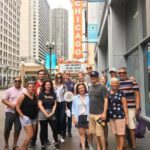
I especially like the way this tour mixes major landmarks with “how Chicago works” details, like the Chicago Pedway and the riverfront setup. I also like that you get a real guide-led narrative at a walking pace, with one guide named Andrew showing up often in feedback for being kind, organized, and great with questions.
One possible drawback: it’s a lot of stops in one afternoon, so if you’re sensitive to walking time or crowd crush at popular spots, you may want to take it a bit slower and plan for extra photos.
In This Review
- Key Highlights You’ll Notice Right Away
- A Smart Way to See Chicago in 2.5 Hours
- Millennium Park and Cloud Gate: The Start That Sets the Theme
- From the Riverwalk to River Energy: Views That Teach
- The Chicago Pedway: Underground Shortcuts That Save Time
- Chicago Architecture Center and the Riverfront Context
- Tribune Tower and DuSable Bridge: When History Has Shape
- Magnificent Mile Moments: Wrigley Building and a Historic Hotel Passing By
- Starbucks Reserve Roastery: Coffee Culture Meets Design
- Navy Pier Finale: Pick Your Next Step
- Who Should Book This Walking Tour (and Who Should Skip It)
- Should You Book This Chicago History and Architecture Walk?
- FAQ
- How long is the Small Group History and Architecture Walking Tour of Chicago?
- Where does the tour start and end?
- What’s the group size?
- Is the ticket mobile?
- Is admission included for the stops?
- Do I need to pay for coffee or snacks?
- What fitness level is required?
- What can I do after the tour ends at Navy Pier?
Key Highlights You’ll Notice Right Away
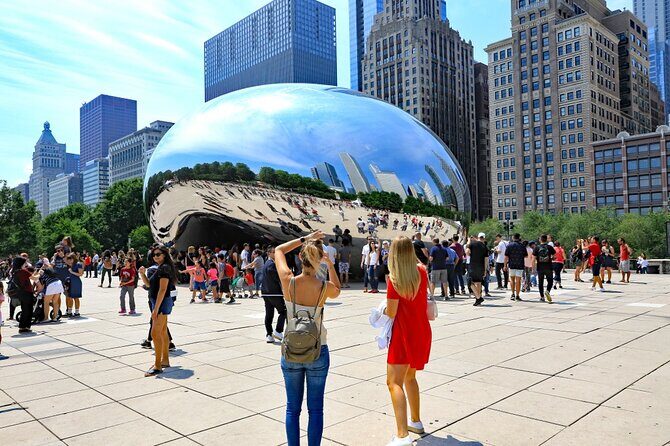
- Cloud Gate at Millennium Park: more than a photo—use the reflections to orient yourself
- Chicago Riverwalk views: best angles for reading the skyline from the water
- Chicago Pedway: weather-protected walking that connects downtown buildings over ~40 blocks
- Architecture Center stop: a quick reset to learn what you’re looking at along the Chicago River
- Magnificent Mile landmarks: Tribune Tower and Wrigley Building from the street, plus iconic hotel architecture passing by
- Starbucks Reserve Roastery: five-story coffee design stop that’s fun even if you skip the drinks
A Smart Way to See Chicago in 2.5 Hours

This tour is built for people who want a lot of Chicago without burning a whole day on logistics. You’re moving, but it’s a controlled walking route with a small group size capped at 10, so it doesn’t turn into a free-for-all. At about 2 hours 30 minutes, it’s long enough to get momentum and short enough that you’re still fresh for dinner afterward.
The price—$64.99 per person—isn’t just about “standing near buildings.” Your money goes toward guide time, interpretation, and getting you from one key area to the next without guessing where to go. Since the tour includes all fees and taxes and uses a mobile ticket, it’s the kind of day where you can keep planning stress low.
Practical note: you’ll likely want comfortable shoes. The route includes city streets plus underground pedestrian passages, and you’ll be walking continuously between stops.
Also worth mentioning: there’s one outlier kind of complaint in the provided feedback that centers on personal comfort and privacy. I can’t predict your guide, but you should feel safe. If anything feels off—like boundary-crossing texting or overly personal comments—say something right away and ask the operator for help.
You can also read our reviews of more walking tours in Chicago

Millennium Park and Cloud Gate: The Start That Sets the Theme
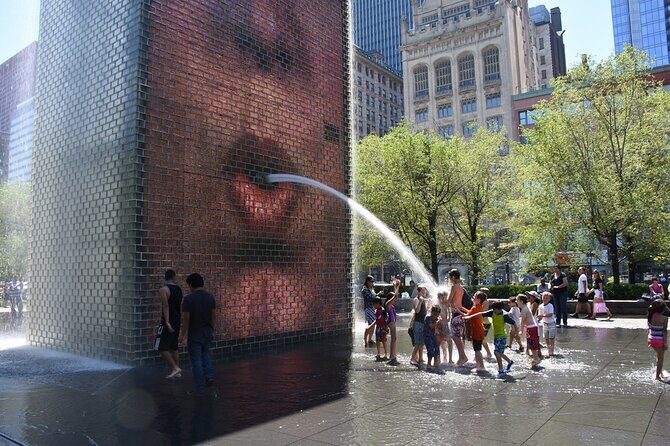
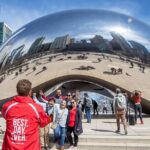
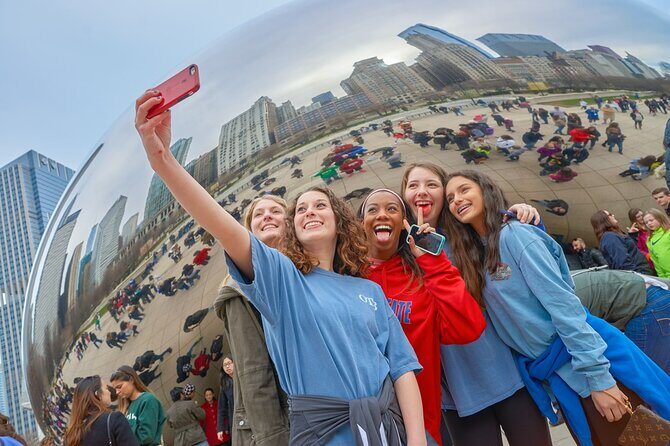
You begin at McCormick Tribune Plaza at 1 N Michigan Ave and roll right into Millennium Park. The first stop is Cloud Gate, the polished stainless-steel sculpture nicknamed The Bean. The fun part isn’t only the look—it’s how it mirrors the skyline and park around it. If you use it like a compass, you’ll start to “read” Chicago’s layout before you even leave the area.
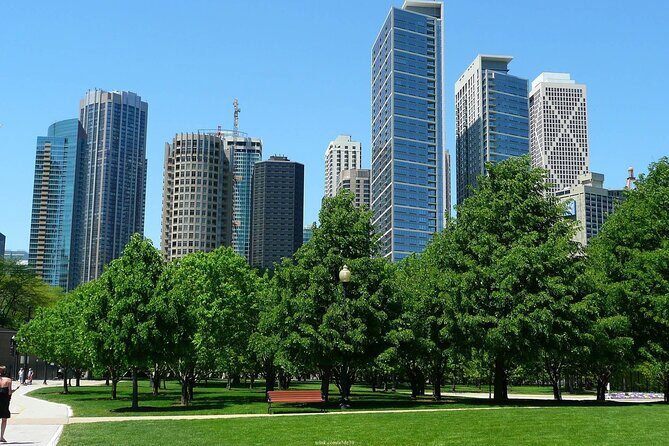
Millennium Park itself is a strong kickoff because it’s both art and city design. You pass through an urban green space that opened in 2004 and is known for hosting cultural events and public art. Even if you don’t stop long, it works as a tonal shift from office-district Chicago to something more human-scale.
Time-wise, you should plan for a quick photo loop and then a short reset with the group. Cloud Gate can get crowded, and that’s when “two minutes of posing” becomes “ten minutes of shuffling.” Go in with the expectation that you’ll want photos, then keep moving so you don’t lose the rest of the tour.
From the Riverwalk to River Energy: Views That Teach
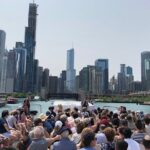
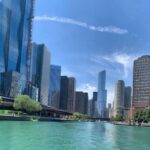
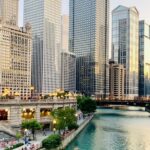
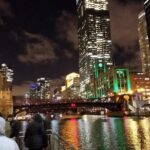
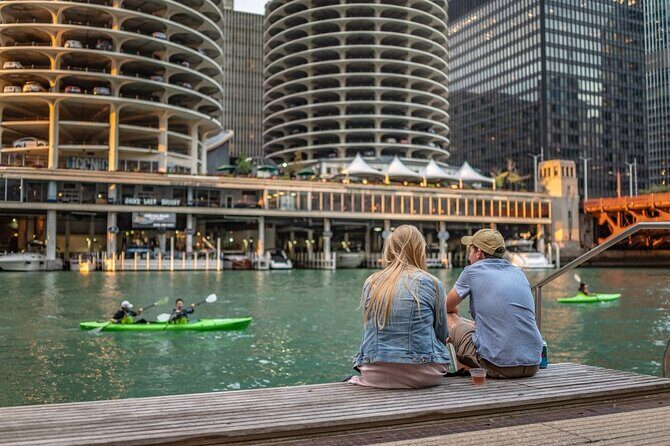
After Millennium Park, the tour heads toward the Chicago River waterfront and the Riverwalk. This is where Chicago stops being a list of buildings and starts feeling like a living system. You’ll find scenic walking paths and outdoor seating along the river, and you’ll get views that make the architecture look different than it does from street level.
The Riverwalk also matters because it’s part of Chicago’s modern “public life” story—places where people actually spend time. You can often see the effect of big-city planning decisions right here: the difference between an active edge and a dead one is obvious along the river.
A practical tip: if you’re the type who likes to take in views before photos, do that first along the Riverwalk. Chicago’s angles are best when you stand still and let your eyes adjust. Then go back for the quick shots.
This is also a good point in the route for the guide to connect themes—especially the city’s turning points like the Chicago Fire, which the tour explicitly covers. Hearing how the city responded to major disasters helps the skyline feel less random and more intentional.
The Chicago Pedway: Underground Shortcuts That Save Time
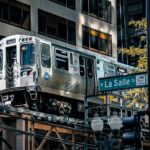
One of the most interesting parts of the tour is the Chicago Pedway. It’s an extensive network of underground tunnels, sky bridges, and concourses that links downtown buildings and transit areas. The scale is impressive—spanning over 40 blocks—and it’s one of those Chicago-only ideas that makes the city work even when the weather tries to ruin your day.
Why it’s worth your time: the Pedway isn’t just “a walk.” It changes your experience of the city. You start to understand why downtown feels efficient: office towers and hotels connect in a way that reduces street congestion for people moving between appointments.
If you get impatient with enclosed spaces, you might find some segments feel long. Still, it’s typically a big win if you’re visiting in a season where rain, wind, or extreme temperatures make street walking tiring.
Expect the guide to point out the little design differences and how the Pedway relates to the surface streets—so you don’t just pass through; you learn what you’re seeing.
Chicago Architecture Center and the Riverfront Context
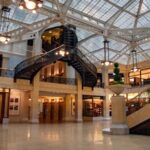
Next comes the Chicago Architecture Center (CAC) by the river. Even with a shorter stop, the value here is orientation. The CAC is a cultural institution focused on Chicago’s architectural legacy, and it’s positioned right on the Chicago River banks, which makes it easier to connect stories to what you’re literally looking at.
This stop is best for people who want their sightseeing to come with meaning. Instead of just admiring facades, you get a framework for the buildings: why certain styles show up, how design choices reflect Chicago’s history, and how the city’s approach to construction helped shape what you see downtown.
You’ll be near other river architecture, too, so it works like a “study break” before you move into the next set of marquee icons.
One small consideration: if you prefer long museum time, you might wish this stop was bigger. But for a 2.5-hour walking tour, it’s a smart way to keep momentum while still feeding your curiosity.
You can also read our reviews of more historical tours in Chicago



Tribune Tower and DuSable Bridge: When History Has Shape
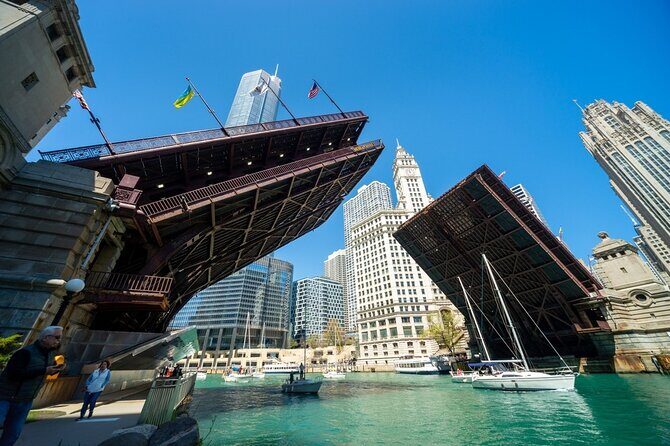
From the CAC area, the tour shifts to two landmarks that help you understand Chicago’s identity from different angles.
The DuSable Bridge is significant because it carries Michigan Avenue across the main stem of the Chicago River and connects to Chicago’s early history. Even if you don’t linger, it gives you a “hinge point” in the route—where you cross from one way of seeing the city to another.
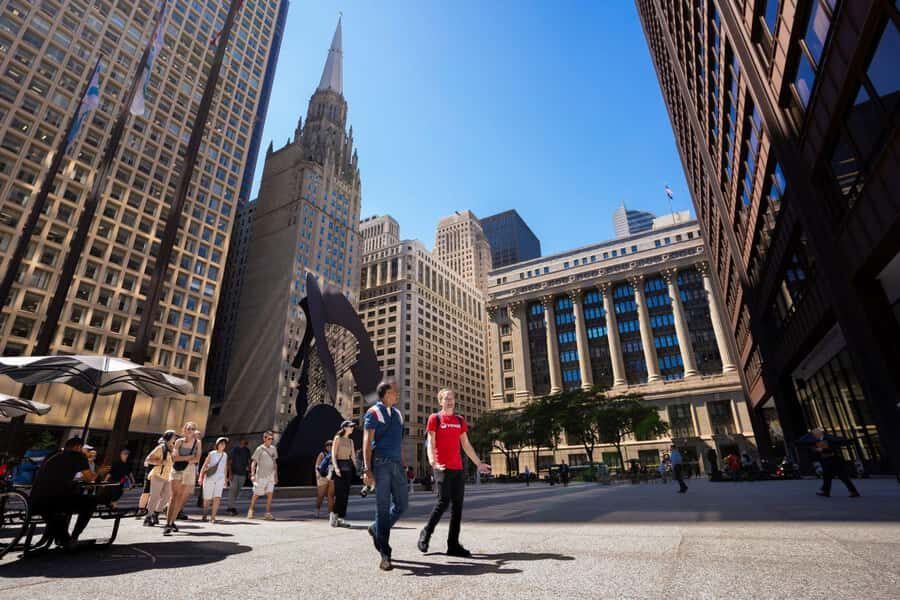
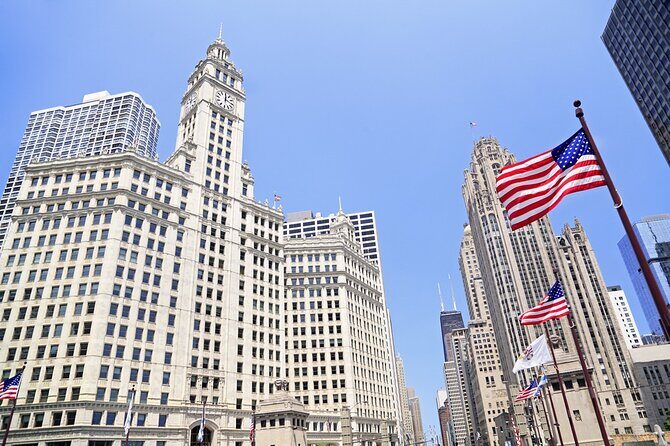
Then you reach the Tribune Tower, a neo-Gothic skyscraper completed in 1925 on Michigan Avenue. It was built for the Chicago Tribune newspaper, and the facade includes stones from famous landmarks around the world. That detail matters because it turns a newspaper headquarters into a kind of global symbol—something that feels ambitious in a very Chicago way.
If you like architecture with personality, this is one of the stops that feels most like a conversation with the past. The best way to enjoy it is to look at both the big silhouette and the smaller facade details—especially the stonework theme.
Magnificent Mile Moments: Wrigley Building and a Historic Hotel Passing By
As you move along the Magnificent Mile area, you’ll pass key landmarks that most first-time visitors recognize instantly.
The tour includes the Wrigley Building, known for its distinctive white terra cotta facade and Spanish Colonial Revival architecture. It’s an easy building to spot, and it helps you see how Chicago blends business power with visual flair.
You’ll also pass the InterContinental Chicago Hotel, located on the Magnificent Mile. This one has a backstory that adds depth to the day: it began as the Medinah Athletic Club in 1929 and still carries echoes of that grand, old-school spirit—plus it’s known for its opulent Grand Ballroom and a junior Olympic-size swimming pool.
Don’t worry if you don’t stop inside. Even from outside, the hotel architecture helps you connect Chicago’s sports-and-club era to later commercial development.
This portion works especially well if you want to build a mental map of downtown. After these passes, you’ll feel far less lost when you later wander on your own.
Starbucks Reserve Roastery: Coffee Culture Meets Design
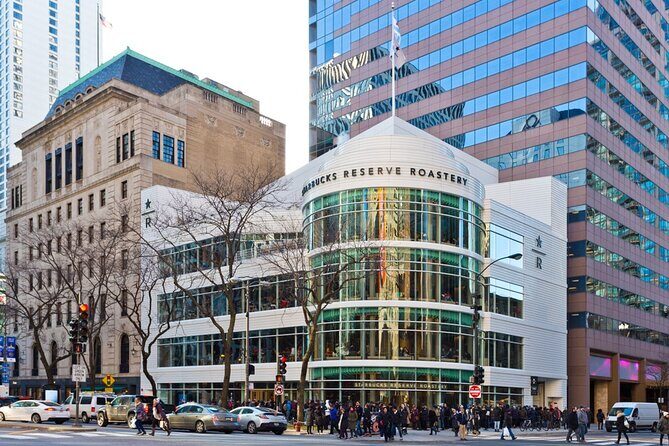
A major fun stop on this walk is Starbucks Reserve Roastery on the Magnificent Mile. It’s described as the largest Starbucks in the world, spanning five stories, and it opened in 2019. The concept here isn’t only to buy coffee—it’s to experience roasting, exclusive Reserve blends, and artisanal food.
It’s also a visual stop. The interior design and the multi-floor layout make it feel like a mini attraction even for people who don’t consider themselves coffee people.
Important practical point: the tour price covers the experience fees and taxes, but coffee and/or tea are not included. So treat this as a “pay if you want” stop. If you’re on a tight budget, you can still enjoy the atmosphere without ordering.
If you do order, keep it simple. You’ll already be walking, and you don’t want to spend the best part of your afternoon waiting in a long line or nursing a drink too slowly.
Navy Pier Finale: Pick Your Next Step
The tour ends at Navy Pier (600 E Grand Ave). This is a smart finish because it’s the kind of location where you can easily extend your day without hopping trains or coordinating transfers.
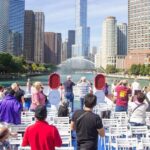
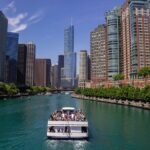
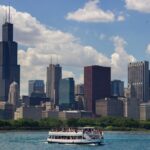
The big advantage: you’ll have the option to take an architecture cruise or keep exploring on foot. That’s a great match to what you just learned. A walking tour teaches the details at street level; a river cruise lets you see the big picture of Chicago’s skyline from the water.
Navy Pier itself is a year-round entertainment hub that stretches along Lake Michigan. It has museums, theaters, seasonal events, and a Ferris wheel. Even if you don’t buy a ticket, the lakefront air and the skyline views give your day a natural ending.
If the pier crowds bother you, just pick one direction to stroll first. You’ll find the most relaxing moments when you’re not fighting the main flow.
Who Should Book This Walking Tour (and Who Should Skip It)
This tour makes sense if you:
- want a small group (max 10) with a guide who can answer questions
- like architecture and want context, not just photos
- enjoy a mix of big icons and practical city design like the Pedway
- have limited time and still want a meaningful “Chicago overview”
It may not be your best fit if:
- you hate walking or need long breaks between stops
- you only want museum-style time rather than street-level interpretation
- you get overwhelmed by crowded photo spots at Millennium Park
One more thought: if you’re traveling with seniors or anyone who moves more slowly, the guide support you’ll hear about in the provided feedback includes extra care and pacing. Still, don’t assume it’s automatic—mention needs early if you can.
Should You Book This Chicago History and Architecture Walk?
Yes, I’d book it if your goal is a high-value Chicago day with real storytelling and lots of famous landmarks packed into a manageable 2.5 hours. The route ties together Millennium Park, the river, the Pedway, and major downtown architecture, and it finishes somewhere useful—Navy Pier—where you can add an architecture cruise.
Before you go, plan for walking time and remember that food and coffee aren’t included. If you’re sensitive about personal comfort, treat your boundaries seriously and make sure you’re interacting with staff in a normal, respectful way.
If you want one itinerary that makes your next Chicago steps easier—on foot, on the river, or just ordering dinner confidently—this is a solid pick.
FAQ
How long is the Small Group History and Architecture Walking Tour of Chicago?
It’s about 2 hours 30 minutes.
Where does the tour start and end?
The tour starts at McCormick Tribune Plaza, 1 N Michigan Ave, Chicago, IL 60602 and ends at Navy Pier, 600 E Grand Ave, Chicago, IL 60611.
What’s the group size?
The tour has a maximum of 10 travelers.
Is the ticket mobile?
Yes, the tour uses a mobile ticket.
Is admission included for the stops?
The stops listed include free admission ticket at points like Cloud Gate, Chicago Pedway, Chicago Architecture Center, and several others. The tour also includes all fees and taxes.
Do I need to pay for coffee or snacks?
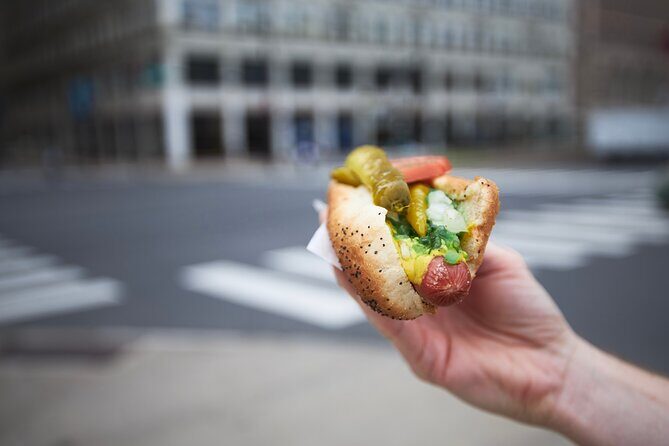
Yes. Coffee and/or tea are not included, and coffee and snacks on the tour are not included in the price. There’s also a classic Chicago savory treat available for additional cost.
What fitness level is required?
You should have moderate physical fitness since it’s a walking tour with several stops.
What can I do after the tour ends at Navy Pier?
You can choose to take an architecture cruise or continue exploring the area around Navy Pier.