REVIEW · ARCHITECTURE RIVER CRUISE
Chicago: Icons Guided Architecture Walking Tour
Book on GetYourGuide →Operated by Chicago Architecture Center · Bookable on GetYourGuide
Chicago’s skyline is a textbook you can walk through.
I like how this architecture-focused tour doesn’t just show buildings. It builds a story from the older downtown blocks up to today’s design icons, so you can connect what you see to why it looks that way. With guides like Teresa and Ron, the tone tends to be practical and question-friendly, with clear pacing and details that make the buildings feel readable.
I also love the variety: you’ll hit seven downtown stops covering 19th-century commercial design, Beaux-Arts, Mid-Century Modern, and Postmodern work, then wrap with Millennium Park. One possible drawback is simple: it’s a rain-or-shine walking experience, and there’s no storage for luggage or strollers, so you’ll want to travel light and wear good shoes.
In This Review
- Chicago Architecture Center Start: The Smart First Move
- 90 Minutes, Seven Stops: How the Tour Actually Works
- The 1890s Commercial Style Stop: When Chicago Learned to Build High
- Beaux-Arts and the Art of City Showing Off
- Mid-Century Modern: The Clean Lines Era
- Postmodern: When Designers Started Playing With Meaning
- Modern Icons: Gehry, Renzo Piano, and Adrian Smith
- Millennium Park Finale: Architecture Meets Art in Real Time
- What You Get (and What You Don’t) for the $35 Value
- Pacing, Notes, and the Kind of Guide You Want
- Who This Tour Fits Best
- Should You Book This Chicago Icons Architecture Walking Tour?
- FAQ
- Where does the tour start?
- How long is the Chicago Icons Guided Architecture Walking Tour?
- How many stops will I make?
- What kind of architecture will I see?
- Is the tour guided?
- Is it accessible for wheelchairs?
- Is the tour run in bad weather?
- What’s included in the ticket price?
- What’s not included?
- Are pets allowed?
- Where can I check before I go?
Chicago Architecture Center Start: The Smart First Move
You begin at the Chicago Architecture Center (111 E Wacker Drive). That location matters. This isn’t a random streetscape stroll; it’s tied to a place that’s built to explain architecture, so you start with the right mindset and context.
You’ll also get admission to the Chicago Architecture Center galleries as part of the tour. That’s a small but useful value add. A lot of people assume an outdoor walking tour is all outdoor time; here, you get a chance to make sense of what you’re about to see before you hit the sidewalk.
The meeting point check-in is also straightforward: have your mobile or printed ticket ready. That sounds minor, but on tight city trips, smooth logistics can save your day.
90 Minutes, Seven Stops: How the Tour Actually Works
This is a 90-minute guided walk with a live English-speaking guide. The schedule is built around momentum: you move through downtown in a way that keeps the explanations attached to what you’re seeing right then, not later in memory.
You’ll make seven stops in downtown Chicago, running from the late 1890s era through more modern additions. The pacing is a recurring compliment in guide feedback—especially the way guides adjust to questions without losing flow. That’s important because architecture tours can get either too lecture-heavy or too vague; this one is designed to keep you oriented.
Rain or shine is part of the deal. Chicago weather can be dramatic, so plan for layers and expect you’ll be outside for a good chunk of the time. If you’re the type who gets cranky when you’re walking in bad weather, you’ll want to prepare.
You can also read our reviews of more walking tours in Chicago



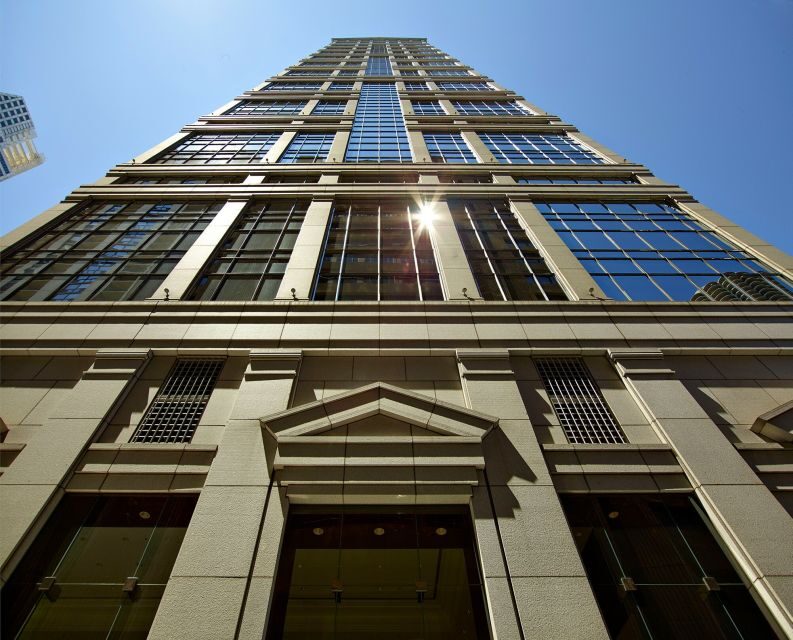
The 1890s Commercial Style Stop: When Chicago Learned to Build High

One of the early stops focuses on the famous 19th-century commercial style, tied to Chicago’s rise as an office and trade center. This is where you learn to spot the architecture language of a city growing fast—design choices that reflect business needs, not just aesthetics.
At this stage of the walk, you’ll get better at noticing structure details you might otherwise ignore: window rhythms, vertical emphasis, and the way buildings face the street with confidence. The guide stories here help connect those choices to the city’s economic momentum.
A practical takeaway for you: when you look at older downtown buildings, try to ask what problem each design solved. Was it about attracting attention at street level? Maximizing light? Signaling stability? That kind of thinking turns a wall of facades into something understandable.
Beaux-Arts and the Art of City Showing Off
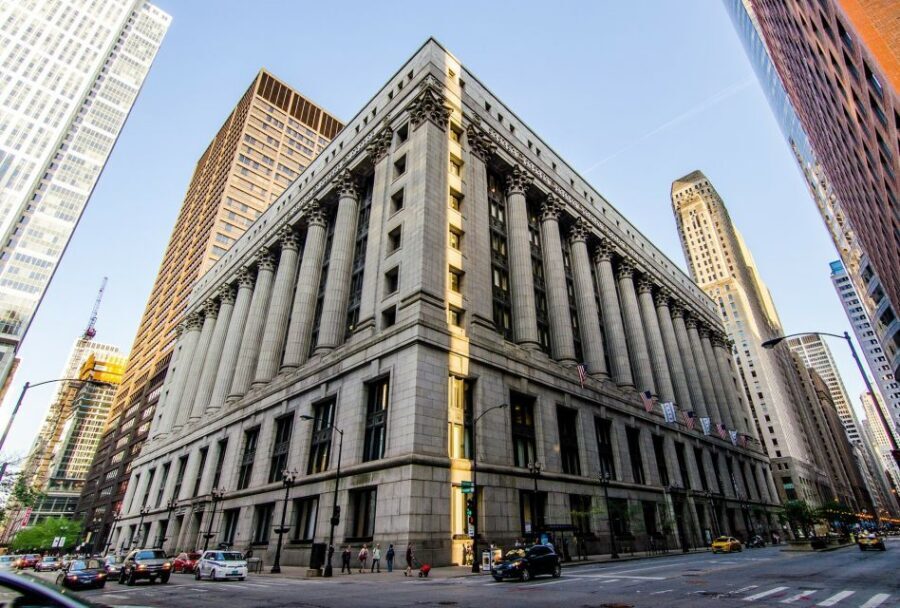
Next you’ll shift into Beaux-Arts territory. This is the style where you can feel the influence of grand European design—more formality, more ornament, and stronger composition.
What’s worth your attention during this portion is how the building becomes a visual statement. Guides typically point out elements like symmetry, classic detailing, and the way materials and proportions work together to make a structure look official and permanent.
Even if you’re not an architecture nerd, this stop helps you train your eye. You’ll start recognizing the cues that separate Beaux-Arts from more restrained design styles. And once you can see that difference, the rest of the skyline comparisons get much easier.
Mid-Century Modern: The Clean Lines Era
Then the tour moves into Mid-Century Modern. This part of the walk is a good reality check: architecture doesn’t stay stuck in one look. It changes with new priorities—technology, speed of building, new tastes, and different ideas about what a good building should do.
When you’re standing in front of Mid-Century Modern features, pay attention to simplification: cleaner lines, more emphasis on function, and less of the heavy ornament you saw earlier. The guide explanations tend to make the shift feel logical rather than random.
For you, this is where the tour starts feeling like a design timeline instead of a checklist. You’re learning what each style valued at the time, and how those values show up in what the buildings do.
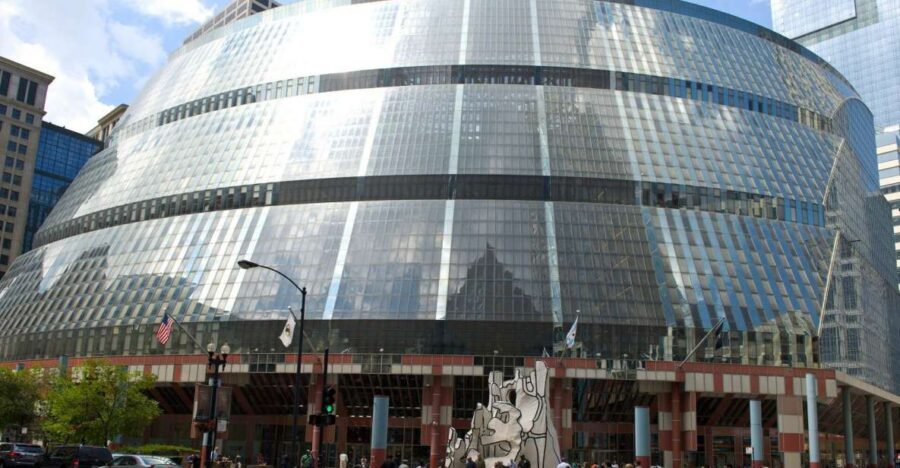
Postmodern: When Designers Started Playing With Meaning
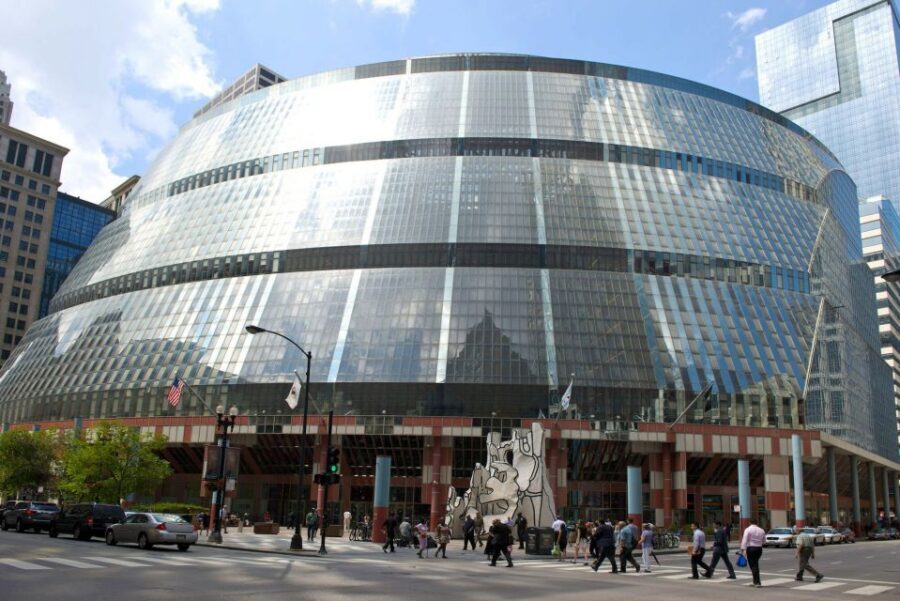
Next comes Postmodern—the style that often feels like a wink. Postmodern architecture can mix references, bend rules, and use symbolism more openly than some earlier approaches.
At this stage of the walk, the guide’s job is crucial. Without guidance, Postmodern can look like decoration without a purpose. With the right explanation, you start seeing how designers were responding to their era: reacting to modernism’s seriousness, challenging expectations, or bringing history back into the conversation in a new way.
I love that the tour compares what came before. You’re not just seeing styles in isolation; you’re watching how Chicago’s skyline evolves. Older buildings connect to newer additions in visible ways—scale, setbacks, materials, and the way neighborhoods anchor themselves over time.
You can also read our reviews of more guided tours in Chicago






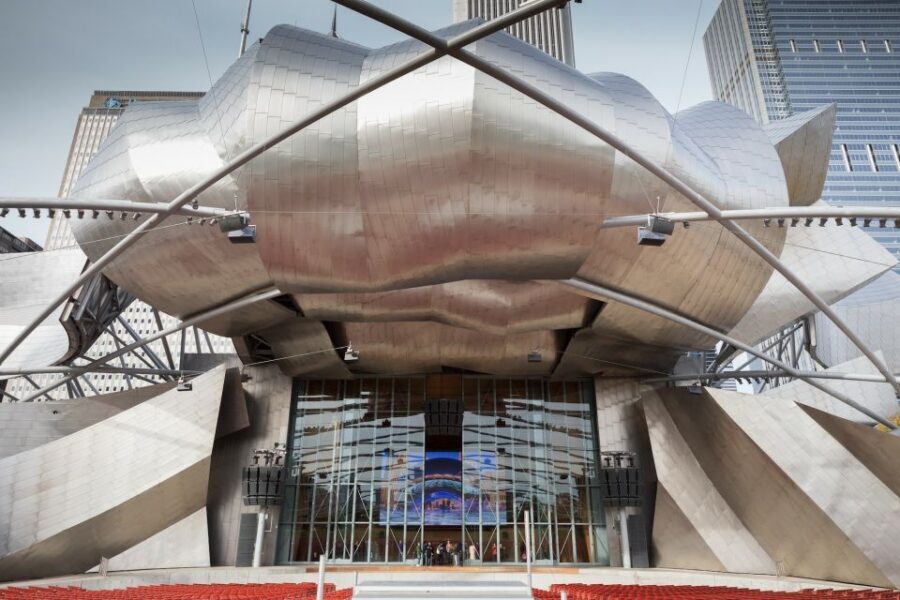
Modern Icons: Gehry, Renzo Piano, and Adrian Smith
The later portion of the walk brings in contemporary design you may recognize from elsewhere, including inspiration from Frank Gehry, Renzo Piano, and Adrian Smith. This isn’t about memorizing names; it’s about understanding how modern architects translate new thinking into a very physical skyline.
Here’s what you’ll likely notice as you progress: design language gets more fluid. Shapes and forms can shift away from strict symmetry. Materials and glass behavior become part of the architecture story, and buildings often respond to the city’s light and grid rather than simply obeying them.
This section also helps you answer a big question the tour is built around: what inspires design today? You’ll learn to connect present-day expression to past frameworks—especially how Chicago’s earlier commercial and civic styles set the stage for what designers could later experiment with.
If you’re a first-time visitor, this is the portion that makes the skyline feel personal. If you’ve been to Chicago before, it’s still valuable because you can watch the city’s architectural conversation continue instead of treating new buildings as unrelated “updates.”
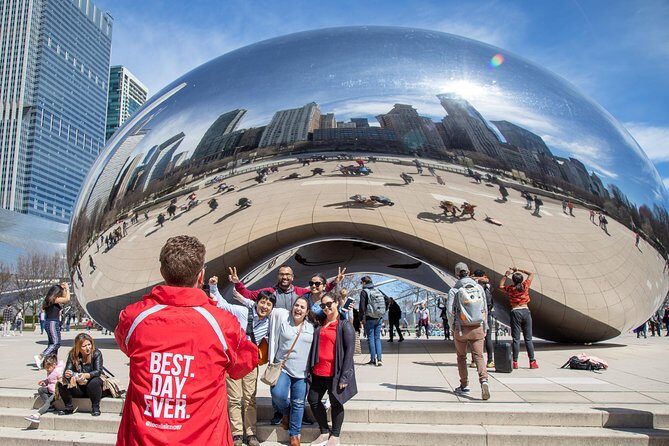
Millennium Park Finale: Architecture Meets Art in Real Time
The tour ends with Millennium Park. This is one of the most rewarding finishes because it changes the tempo from tight downtown street views to a wider public space feel.
Millennium Park is known for the way art and architecture combine, creating a different kind of urban experience. You’re not only looking up at buildings. You’re seeing the city as a designed whole—where people gather, where structures frame views, and where the ground plane becomes part of the architectural picture.
For you, the value of ending here is context. After a walk through styles from the 1890s to the present, the park feels like the city thinking in modern terms: public-friendly design, art-led spaces, and an urban fabric that works at human speed.
What You Get (and What You Don’t) for the $35 Value
At $35 per group for a 90-minute guided experience, this is strong value if you like structure, explanation, and clear stops. The price is not just paying for someone to point things out. It includes a certified professional guide plus admission to the Chicago Architecture Center galleries.
You’ll also get something intangible but real: better interpretation. Architecture walking tours can be “pretty photos with commentary.” A good one teaches you how to read the buildings. The guide feedback you provided highlights pacing, knowledge, and helpful question handling—exactly what makes interpretation worth the cost.
What’s not included is normal for this type of experience:
- No hotel pickup or drop-off
- No food or drinks
- No luggage or stroller storage
So bring what you need for the weather, not what you’d normally pack for a full-day sightseeing plan. If you’re planning a meal after, you’ll need to choose it yourself since nothing is bundled.
Pacing, Notes, and the Kind of Guide You Want
The best architecture guides do three things well: they keep you moving, they explain without getting lost in jargon, and they help you ask better questions.
Guides from this experience have been praised for pacing and for offering a meaningful glimpse at architecture and its context, even for people who already live in Chicago. That’s a great sign for you if you’re local or return-visitor curious, because it suggests the tour isn’t only for first-timers.
Also, Ron’s tour included a great notebook of nuggets, which signals that this experience is meant to leave you with carry-home learning. Even if you forget every detail, you’ll remember the types of cues to look for next time you walk past a facade.
Who This Tour Fits Best
This is a great fit if:
- You want a downtown architecture sampler that covers eras without feeling rushed
- You enjoy guided storytelling tied to what you’re seeing outside
- You like comparing design styles and understanding how ideas change over time
- You want to end with a major public space like Millennium Park
It may be less ideal if you’re hoping for a mostly indoor, museum-style architecture day. The core experience is outdoors with the CAC galleries included, so your time is built for walking and observing, not extended interior access.
It’s also wheelchair accessible, which is a big plus. That said, it’s still a walking tour. If mobility is limited, you’ll likely want to bring your own comfort plan for uneven sidewalks and weather.
Should You Book This Chicago Icons Architecture Walking Tour?
I’d book it if you want Chicago’s architecture in a compact, guided format that actually teaches you how to look. The combination of seven downtown stops, a clear style timeline from the 1890s onward, and a strong finish at Millennium Park makes it easy to build into a day of sightseeing.
You should think twice if you’re traveling with heavy luggage or a stroller that you can’t store, or if you hate walking in mixed weather. Since it runs rain or shine and provides no storage, lighter travel is a smart match.
If you fall into the “I want a guided explanation that sticks” category, this is one of the most cost-effective ways to learn Chicago’s skyline instead of just staring at it.
FAQ
Where does the tour start?
The meeting point is the Chicago Architecture Center, 111 E Wacker Drive, Chicago, IL 60601.
How long is the Chicago Icons Guided Architecture Walking Tour?
The duration is 90 minutes.
How many stops will I make?
You’ll make seven stops in downtown Chicago, and the tour finishes at Millennium Park.
What kind of architecture will I see?
You’ll see buildings from the late 1890s to the present, including 19th-century commercial style, Beaux-Arts, Mid-Century Modern, Postmodern, and modern design associated with architects such as Frank Gehry, Renzo Piano, and Adrian Smith.
Is the tour guided?
Yes. It includes a certified, professional live tour guide, with the tour presented in English.
Is it accessible for wheelchairs?
Yes, the tour is wheelchair accessible.
Is the tour run in bad weather?
The tour takes place rain or shine.
What’s included in the ticket price?
You get a certified professional guide plus admission to the galleries of the Chicago Architecture Center.
What’s not included?
Hotel pickup and drop-off, food and drinks, and storage for luggage or strollers are not included.
Are pets allowed?
Pets are not allowed, but assistance dogs are allowed.
Where can I check before I go?
You’ll need to have a mobile or printed ticket ready when you arrive at the meeting point.