REVIEW · GANGSTERS & GHOSTS TOURS
Chicago Ghosts & Haunted History Walking Tour
Book on Viator →Operated by Tours By Foot - Chicago · Bookable on Viator
The first eerie stop is right on Michigan Ave. This 2-hour Chicago walking tour mixes famous hauntings with real tragedies, and you get the spooky stories while you watch the downtown streets change with the sunset.
I really like how the walk is tightly paced, with short stops that keep the story moving. I also like that it’s built around specific locations, from the Congress Hotel to the Everleigh Club, so you can connect the creepy details to places you can actually see. One thing to consider: it covers a lot of ground for a short time, so comfy shoes help.
Guides run the show, and the best part is the way the facts and ghost lore get told in the same breath. In the feedback I saw, the guide named Kelly comes up as a highlight: fun energy plus strong command of the details. If you want only jump-scare paranormal stuff, this one may feel more historical than supernatural.
In This Review
- Key Highlights Before You Go
- Why This Haunted Walk Feels Like Chicago, Not a Theme Park
- Starting at the Congress Hotel: Where Ghost Lore Gets Specific
- James M. Nederlander Theatre and the Iroquois Theatre Fire
- The Chicago River and the S.S. Eastland Disaster
- West Couch Place: Death Alley and What Happened After the Fire
- 2131 S Dearborn St and the Everleigh Club’s Dark Glamour
- A Guide Makes or Breaks It: The Kelly Factor
- Walking Time, Pacing, and What to Expect on the Route
- Price, Value, and When $49 Feels Right
- Who Should Book This (and Who Might Prefer Something Else)
- Should You Book Chicago Ghosts & Haunted History Walking Tour?
- FAQ
- How long is the Chicago Ghosts and Haunted History walking tour?
- How much does the tour cost?
- Where does the tour start and where does it end?
- Is there a mobile ticket?
- What stops will we see during the tour?
- How big are the groups?
- Is there free cancellation?
Key Highlights Before You Go
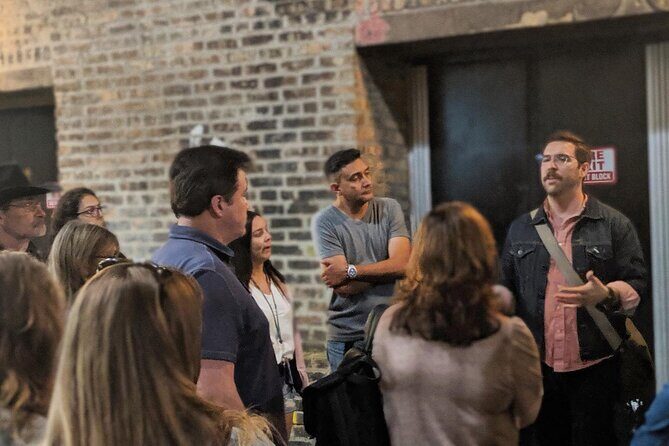
- Congress Hotel as the main anchor: where ghost stories meet one of Chicago’s most infamous criminals
- Fire and disaster stops: the Iroquois Theatre Fire and the S.S. Eastland disaster are front and center
- Death Alley details: a stark stop tied to what happened after the Iroquois Theatre Fire
- Everleigh Club site: a brothel location that adds a darker social history layer
- Small group size: max 18 people makes it easier to hear and follow the thread
- A guide named Kelly: strong storytelling and a good balance of creepy and clear
Why This Haunted Walk Feels Like Chicago, Not a Theme Park
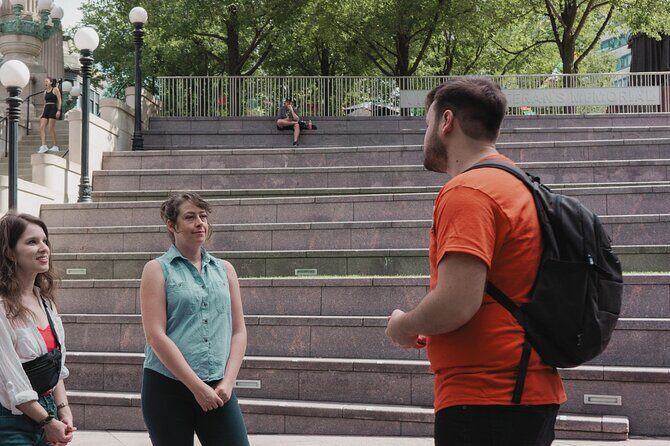
Chicago has a talent for turning street corners into chapters. This tour leans into that. You’re not just hearing generic ghost talk; you’re getting a route through downtown that links crime, fires, disasters, and the city’s underworld to real buildings and blocks.
It also helps that the structure is simple: you start at one big historical anchor, then you move from tragedy to tragedy in quick succession. Those short stops matter because you stay oriented, you keep your attention, and you don’t lose the story.
Price-wise, $49 for about two hours is reasonable for a guided walking tour in a major city. What makes it feel like good value is the mix: paranormal expert guides, multiple infamous events, and enough variety that you’re unlikely to feel like you paid for a single story stretched too thin.
You can also read our reviews of more walking tours in Chicago

Starting at the Congress Hotel: Where Ghost Lore Gets Specific
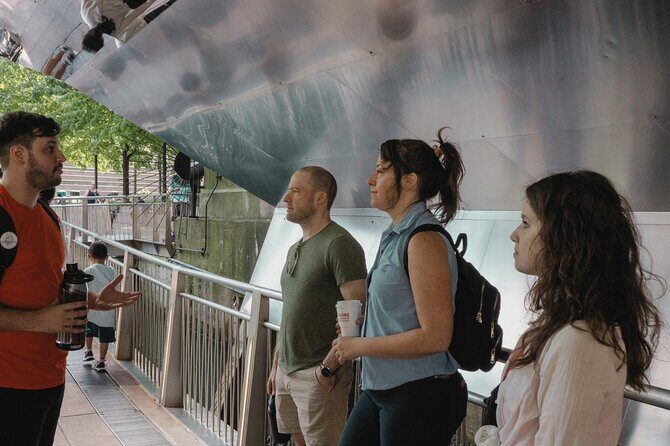
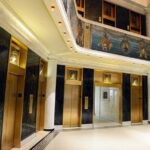
Your night begins at the Congress Plaza Hotel & Convention Center at 520 S Michigan Ave. From there, the tour’s mood locks in fast. The Congress Hotel is presented as the most haunted hotel in Chicago, and that theme sets expectations for everything that follows: eerie, yes, but grounded.
This is also where the tour ties in the shadowy world of H. H. Holmes, Chicago’s first serial killer. The framing is that you’re walking streets Holmes is said to have moved through, so the haunting isn’t just a vibe. It’s connected to a name, a time period, and the way downtown life used to work.
Practical takeaway for you: if you like your creepy stories to have “place markers,” start paying attention right away. The guide’s tone at the opening stop often shapes how you’ll listen to the rest of the walk.
James M. Nederlander Theatre and the Iroquois Theatre Fire
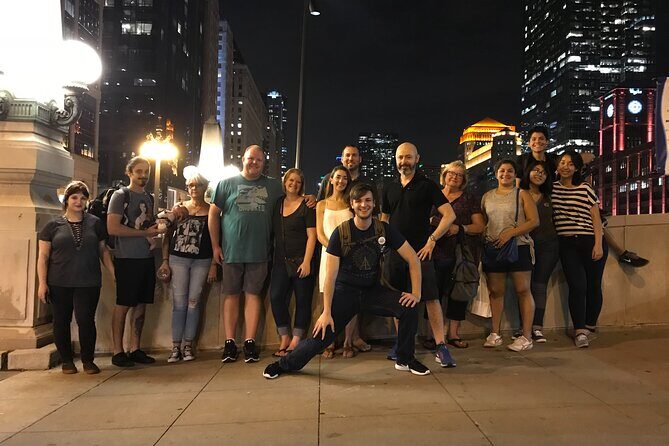
Next up is the James M. Nederlander Theatre. The story here is the 1903 Iroquois Theatre Fire, when 602 patrons were lost. This stop gives you a hard anchor: not just a ghost legend, but a catastrophe that shaped how people thought about safety, crowds, and public buildings.
The way this kind of stop works on foot is underrated. You’re not stuck in a museum setting. You’re standing in a place that still functions as a theatre, which makes the contrast hit harder: the same idea of entertainment, but with a tragedy history sitting underneath.
At about five minutes, you’ll want to listen closely for the key beats the guide emphasizes. If you miss a detail early, the rest of the tour can feel less connected, since several later stops point back to the Iroquois Fire.
The Chicago River and the S.S. Eastland Disaster
Then you head toward the Chicago River, where you learn about the S.S. Eastland disaster. In 1915, a passenger ship rolled over while docked, killing over 800 people.
This is a strong stop for two reasons. First, water disasters feel intensely visual in your head, even if you’re not looking at the exact scene today. Second, the river location helps you understand how Chicago’s transportation and industrial life shaped who was exposed to risk.
Because this is a quick stop, your job is simple: keep your mental checklist going. If the guide mentions cause, timing, or how it affected the city afterward, that context helps your brain connect the dots as you move on.
West Couch Place: Death Alley and What Happened After the Fire
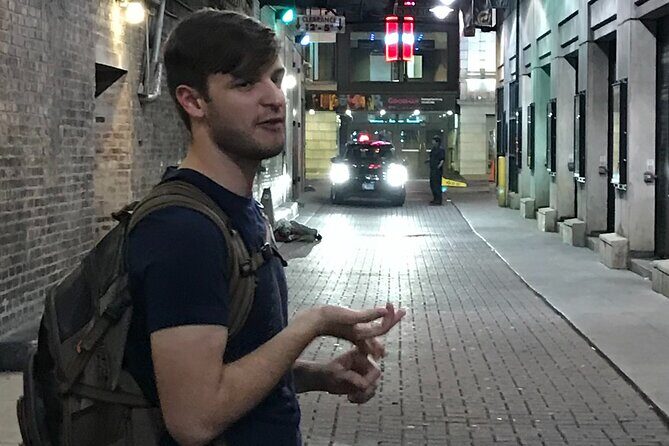
The tour’s mood turns sharper at West Couch Place, often called Death Alley. Here, the story ties directly to the Iroquois Theatre Fire victims, with bodies described as being stacked six high.
This is the stop that will feel the most disturbing, even if you come in expecting a darker evening. The title Death Alley isn’t there for drama; it signals that you’re stepping into a place that carries trauma in plain terms.
If you’re the type who gets unsettled by graphic historical details, take it at your own pace here. There’s no prize for powering through. A thoughtful pause, a few slow breaths, and refocusing on the why behind the story often makes the experience easier to handle.
You can also read our reviews of more historical tours in Chicago





2131 S Dearborn St and the Everleigh Club’s Dark Glamour
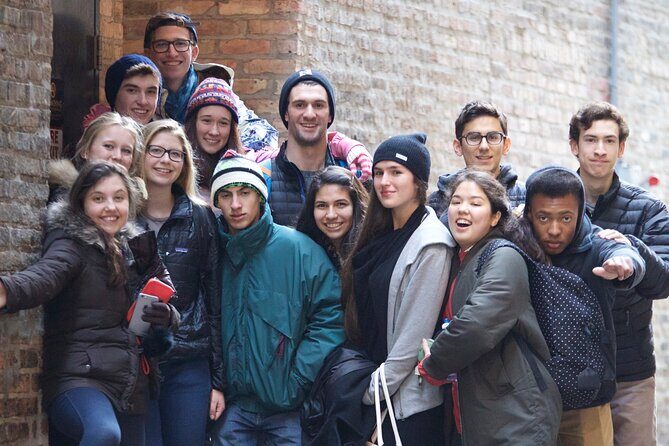
At 2131 S Dearborn St, the tour shifts from disaster into social history. You’ll hear about the Everleigh Club, described as a high-class brothel in the early 1900s.
I like this stop because it broadens the tour beyond the “shock events” category. Fires and disasters are shocking, but they’re not the only way cities reveal their darker side. Places like the Everleigh Club show how money, privacy, and power could shape what people kept out of public view.
This part of the walk also helps you understand why Chicago’s ghost stories feel so specific. They aren’t floating in the air. They’re attached to real systems: who had access, who had secrets, and how downtown life functioned when the city had different rules.
A Guide Makes or Breaks It: The Kelly Factor
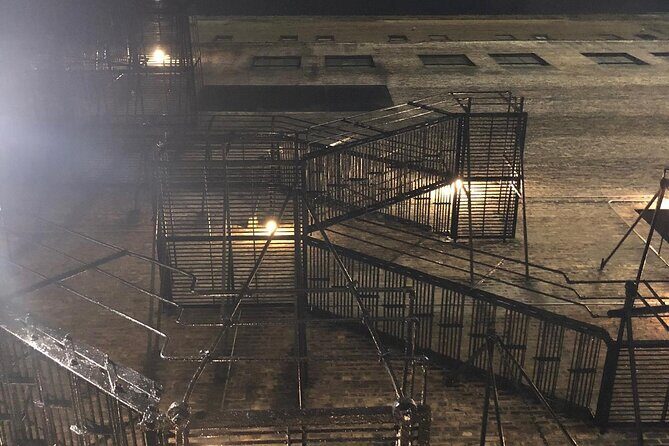
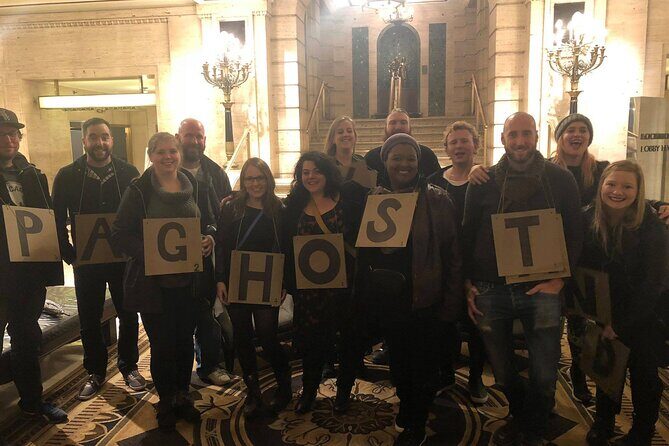
The strongest praise centers on the guide experience. In the feedback I reviewed, Kelly stands out as both extremely fun and very strong on the details. That combination matters more than you might think.
A good ghost tour doesn’t just say scary things. It explains why those stories stick around. It keeps the pacing tight. It knows when to slow down for an important fact, and when to move on before you lose the thread. With a tour duration of about two hours and a maximum group size of 18, that skill shows.
So here’s what you can do as a participant: stay engaged at the start. When the guide sets up the story, listen for the names and event dates they highlight. Later stops often echo earlier ones, especially around the Iroquois Theatre Fire.
Walking Time, Pacing, and What to Expect on the Route
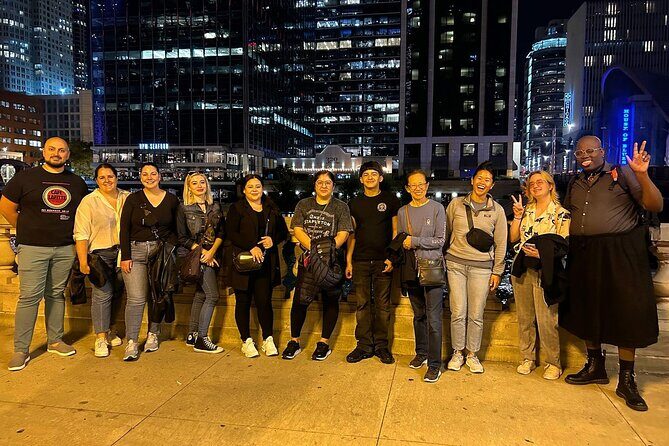
The tour is roughly two hours and the listed stops are short, with each stop around five minutes. That pacing is designed for downtown walking: quick orientation, quick story hit, then onward.
This affects you in a couple ways:
- You’ll want to pay attention at each stop because there’s less time for long explanations.
- You’ll likely cover more walking than you expect for the number of stops, since it’s still a downtown route.
The tour ends at the Clark Street Bridge on N Clark St. That matters because you can plan your dinner or next transit point without wandering around after the final story.
Price, Value, and When $49 Feels Right
At $49 per person, this tour sits in the midrange for a specialty guided walk. The value comes from how many major topics you get in two hours: haunted hotel lore tied to H. H. Holmes, the Iroquois Theatre Fire, the S.S. Eastland disaster, the Death Alley stop related to the Fire aftermath, and the Everleigh Club site.
It also includes paranormal expert tour guides, plus a mobile ticket. So you’re not paying extra to figure out logistics. You show up, get your ticket on your phone, and start walking.
Who would feel especially satisfied by this price?
- People who like the mix of true history plus ghost storytelling
- Anyone who wants an easy evening activity without committing to a half-day
- Small-group fans who hate being unheard in large crowds
Who Should Book This (and Who Might Prefer Something Else)
This is a great match if you enjoy Chicago’s darker past and you like your hauntings to be tied to specific locations. It’s also a good choice if you’re curious about how famous tragedies and underworld stories shape modern urban legends.
You might think twice if:
- You prefer a quieter, slower tour with longer stops and more time to process
- You want mostly supernatural experiences and fewer historical anchors
- Graphic details at historical sites would put you off
For most people, the small group size helps a lot. With a maximum of 18, you’re more likely to hear the guide clearly and keep up with the route.
Should You Book Chicago Ghosts & Haunted History Walking Tour?
If you want an evening that feels like Chicago streets with a dark edge, I’d book it. The route is built around strong, recognizable stories, and the guide quality seems to be the real selling point, especially with Kelly getting top mentions for both fun and factual strength.
Book it if you’re the type who enjoys learning while walking and you like history that doesn’t stay polite. Skip it only if you strongly dislike tragedy-focused storytelling or if you need a very relaxed pace.
FAQ
How long is the Chicago Ghosts and Haunted History walking tour?
It runs for about 2 hours.
How much does the tour cost?
The price is $49.00 per person.
Where does the tour start and where does it end?
It starts at the Congress Plaza Hotel & Convention Center, 520 S Michigan Ave, Chicago, IL 60605. It ends at the Clark Street Bridge on N Clark St, Chicago, IL 60654.
Is there a mobile ticket?
Yes, the tour uses a mobile ticket.
What stops will we see during the tour?
You’ll visit the Congress Hotel area first, then the James M. Nederlander Theatre, the Chicago River, West Couch Place, and 2131 S Dearborn St.
How big are the groups?
The tour has a maximum of 18 travelers.
Is there free cancellation?
Yes. You can cancel up to 24 hours in advance for a full refund. Canceling less than 24 hours before the start time is not refunded.